Gránulos de PC transparentes: causas de defectos y contramedidas en el proceso de moldeo por inyección
2026-08-05 09:09:57
ularly to ensure smooth air discharge. For thick-walled transparent PC parts, extend holding pressure time to eliminate internal voids.
2. Silver Streaks & Water Lines (Moisture Marks)
Silver streaks are silvery thread-shaped textures on PC product surfaces, one of the most typical defects caused by unqualified raw material drying. It seriously affects the transparency and surface smoothness of high-grade PC products.
Main Causes
-
Residual moisture on PC granule surface or inside molecular structure vaporizes during melting, forming silver-shaped water vapor traces.
-
Raw materials absorb moisture again after drying due to unclosed storage environment.
-
Excessive barrel temperature causes partial PC molecular degradation, producing gas streaks similar to silver lines.
Effective Countermeasures
Adopt closed drying and feeding system to prevent secondary moisture absorption of transparent PC granules. Control barrel temperature within 260°C–300°C according to PC melt flow grade to avoid thermal decomposition. For products with severe silver streaks, thoroughly clean the injection barrel and replace polluted raw materials to ensure pure melt status.
3. Surface Haze, Fogging & Low Light Transmittance
High-quality transparent PC products require crystal-clear optical performance, while haze and fogging make the surface blurred, reducing gloss and light transmittance, failing optical-grade product standards.
Main Causes
-
Low-purity PC granules or recycled mixed materials contain impurities, causing overall foggy texture.
-
Improper mold temperature leads to uneven melt crystallization and poor surface replication.
-
Mold surface is not polished finely enough, resulting in diffuse reflection of light.
-
Residual lubricants and additives precipitate on the product surface.
Effective Countermeasures
Use only 100% virgin transparent PC granules with high purity and no recycled blending. Improve mold polishing grade to mirror finish for transparent cavities. Reasonably increase mold temperature to ensure uniform melt flow and complete mold replication. Select optical-grade auxiliary additives to avoid surface precipitation and fogging.
4. Flow Marks & Wavy Surface Lines
Flow marks are periodic wavy textures on PC product surfaces, formed by unstable melt flow during filling, greatly affecting the appearance consistency of transparent parts.
Main Causes
-
Too low barrel temperature leads to poor PC melt fluidity and discontinuous filling.
-
Unstable injection speed and pressure cause fluctuating melt front.
-
Unreasonable gate position and too small gate size lead to poor feeding uniformity.
Effective Countermeasures
Properly increase barrel and nozzle temperature to improve PC melt fluidity. Adopt segmented stable injection speed and pressure control. Optimize gate design, enlarge gate size appropriately, and adjust feeding direction to ensure steady and uniform melt filling, eliminating wave-shaped flow marks.
5. Black Spots, Carbon Spots & Impurity Points
Black spots and carbon deposits are fatal defects for transparent PC products, directly resulting in product scrapping and unable to be used for optical and high-end transparent applications.
Main Causes
-
Long-term material retention in the injection barrel causes PC thermal aging and carbonization.
-
Mixed impurities, dust, and deteriorated particles in PC raw materials.
-
Screw wear leads to dead corners and residual carbon deposits.
-
Excessively high local temperature causes partial melt scorching.
Effective Countermeasures
Regularly clean the injection barrel and screw to remove residual carbonized materials. Use dust-free packaging and closed feeding for transparent PC granules to avoid external impurity mixing. Optimize temperature control parameters to prevent local overheating and material scorching. Replace severely worn screws and barrels in time to ensure clean plasticization environment.
6. Warping, Shrinkage & Dimensional Instability
Although transparent PC has low shrinkage rate, unreasonable injection parameters still cause partial warping and deformation, affecting assembly accuracy of transparent structural parts.
Main Causes
-
Uneven mold temperature leads to inconsistent internal and external cooling speed.
-
Unbalanced holding pressure and insufficient pressure holding time.
-
Unreasonable product wall thickness design causes uneven shrinkage stress.
Effective Countermeasures
Optimize mold waterway layout to ensure uniform cooling balance. Adjust holding pressure and time according to product wall thickness to stabilize internal stress. Optimize product structure to avoid excessive wall thickness difference and reduce shrinkage deformation.
Key Process Standards for High-Yield Transparent PC Injection Molding
To comprehensively avoid defective products, manufacturers need to form standardized processing specifications for transparent PC granules:
-
Drying standard: 110°C–120°C, 3–4 hours drying, strictly prohibit undried production.
-
Temperature control: Barrel temperature 260°C–300°C, mold temperature 80°C–110°C to balance fluidity and transparency.
-
Speed & pressure: Low-speed stable filling + reasonable back pressure + sufficient holding pressure.
-
Environment control: Dust-free workshop production, closed feeding, regular mold mirror polishing.
-
Raw material control: Adopt pure virgin transparent PC granules, prohibit recycled material blending for high-transparency products.



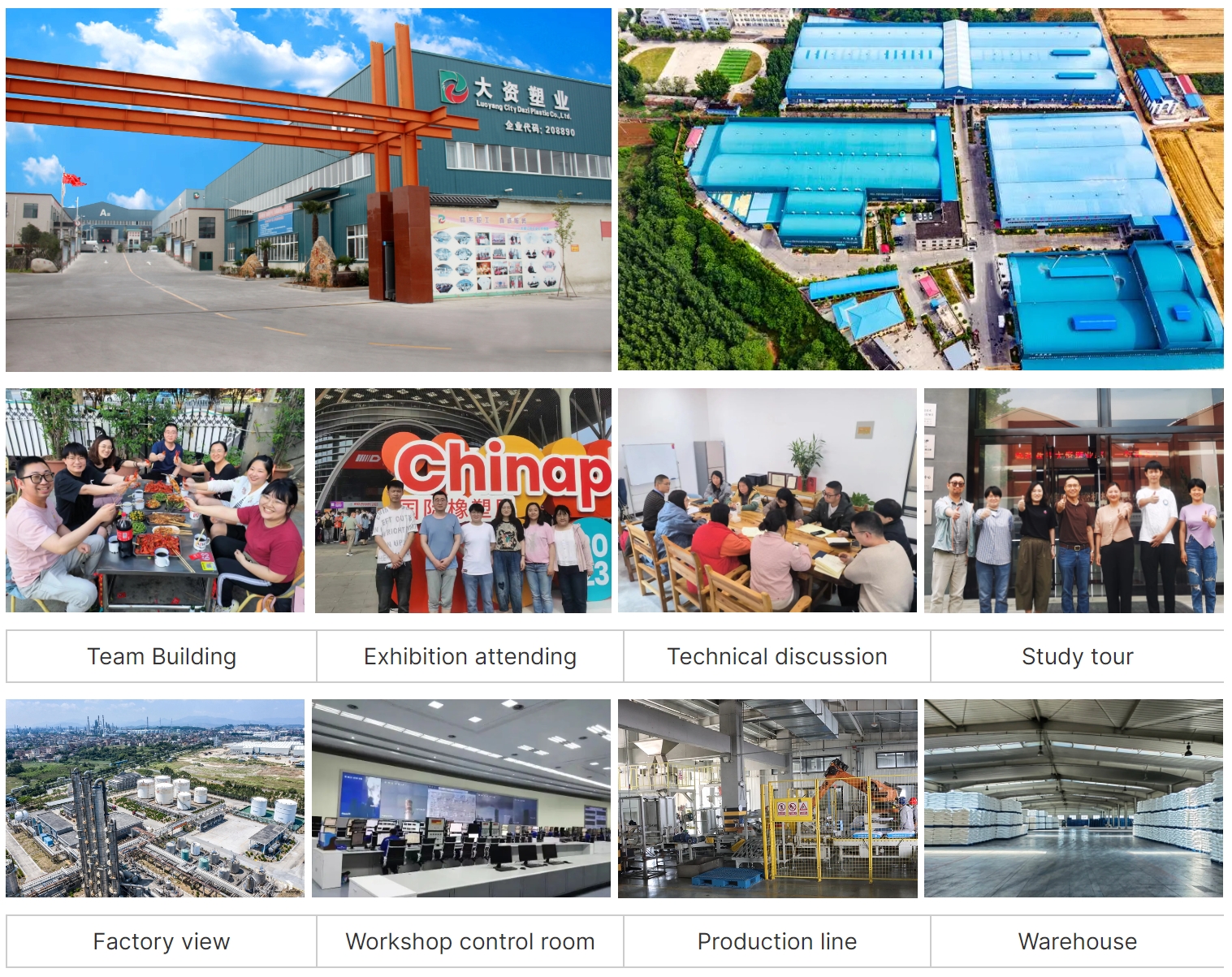



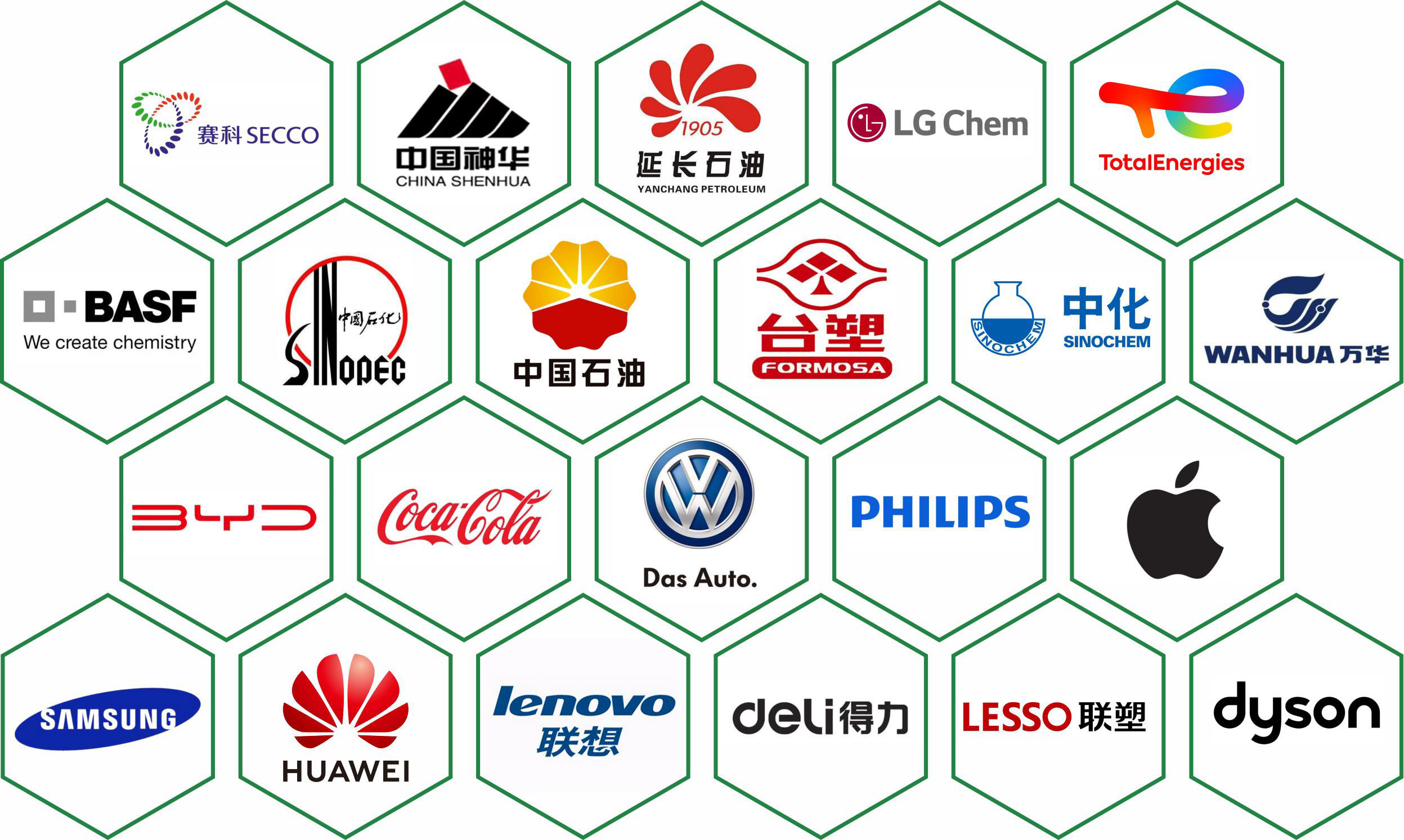
We have established long-term cooperative relations with more than 60+ well-known enterprises all over the world

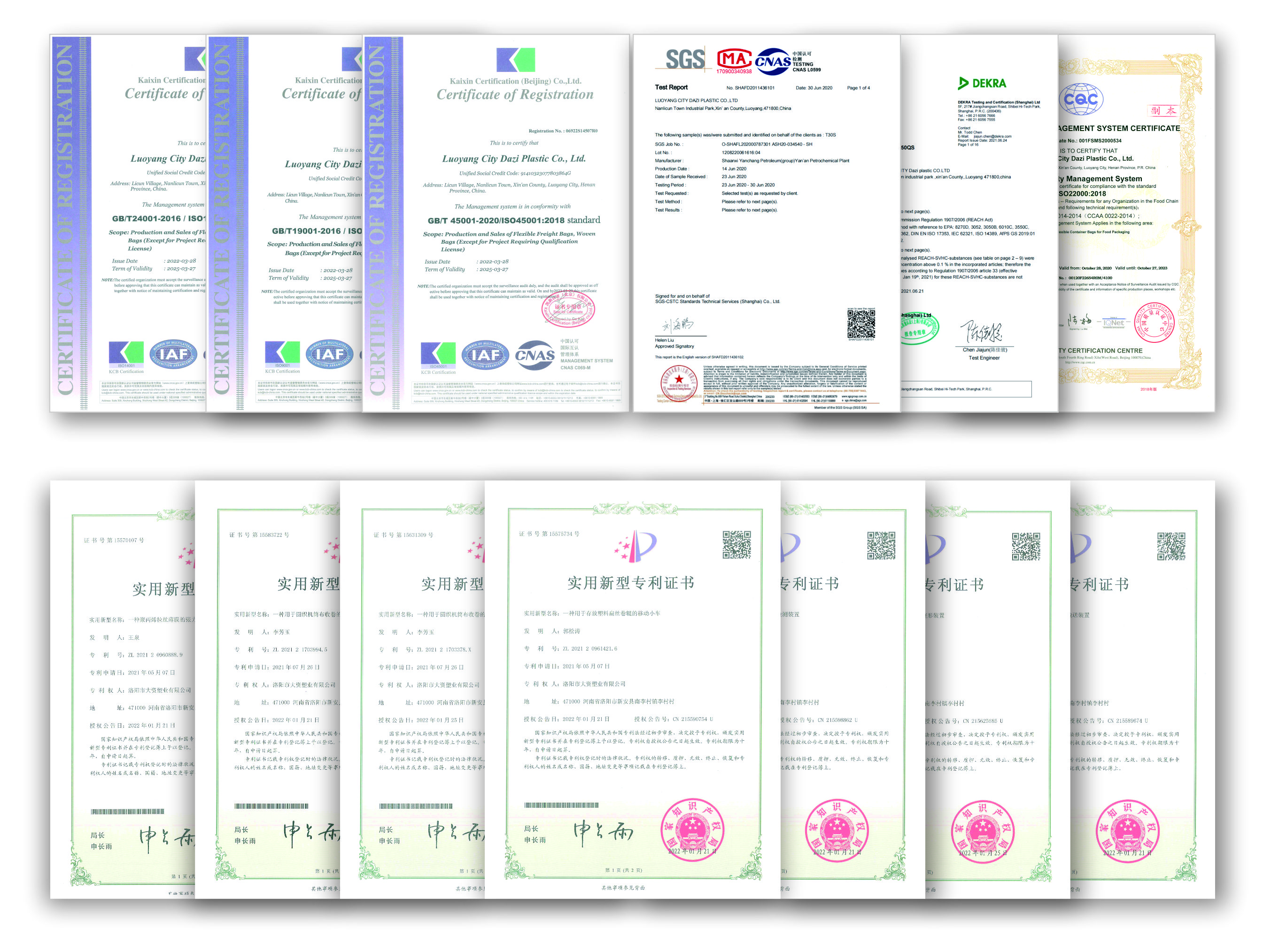
Our company has 12 certifications and 57+ patents.



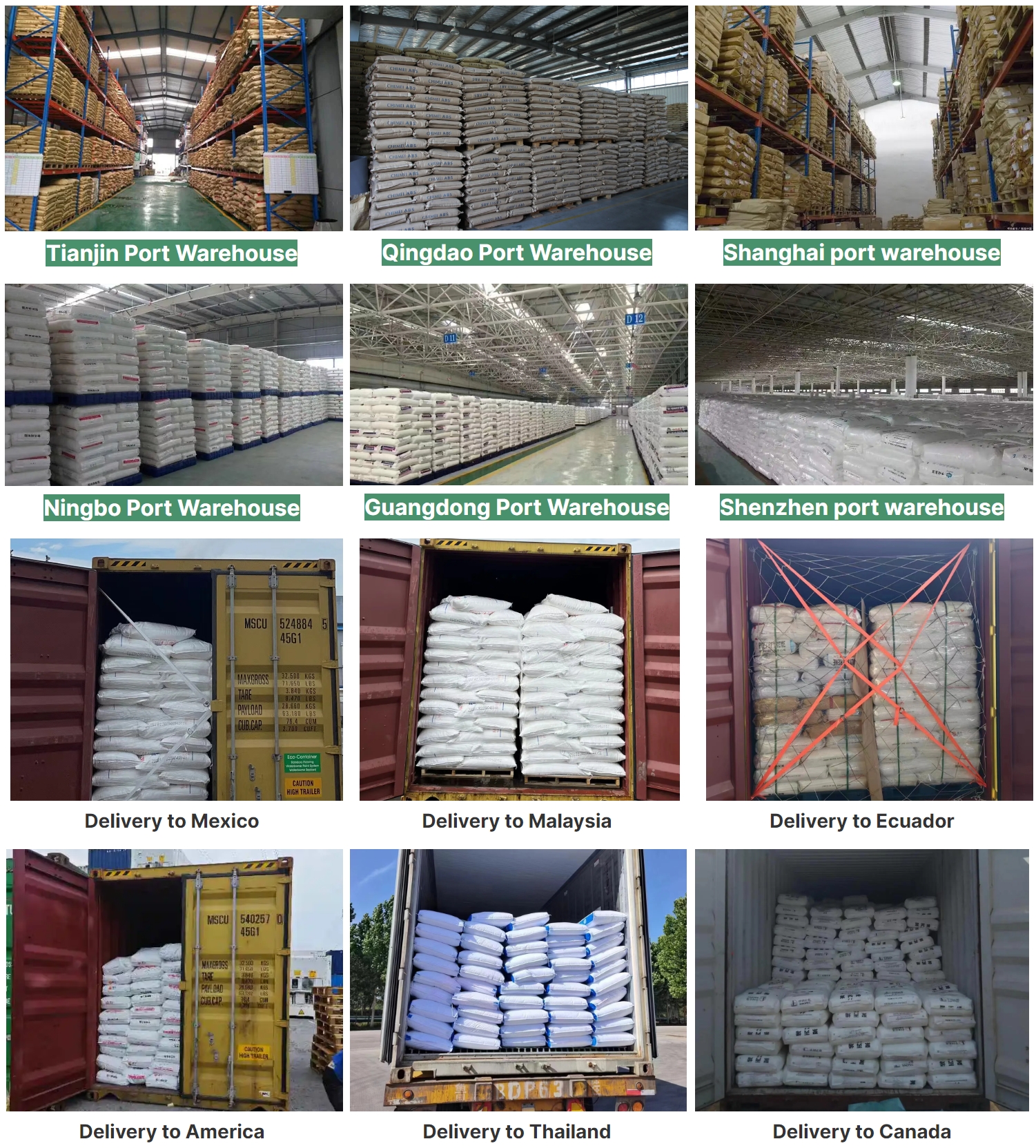
23 years' experience Professional purchasing consultant with a supply chain of 1200+ plastic raw materials in China.