Análisis de propiedades del polímero SBS para la modificación de asfalto y fabricación de materiales para calzado
2026-08-06 08:59:09
SBS Polymer (Styrene-Butadiene-Styrene) is a thermoplastic elastomer with a unique three-block copolymer structure. It combines the high toughness of butadiene segments and the rigid stability of styrene segments, enabling excellent elasticity, low-temperature resistance, tensile performance, and thermal plasticity. As one of the most versatile thermoplastic elastomers on the market, SBS polymer has become the core modifier material for asphalt modification and the primary raw material for shoe material production. Its adjustable hardness, excellent fatigue resistance, and compatible processing characteristics make it irreplaceable in road engineering and footwear manufacturing industries. This article deeply analyzes the core physical and chemical properties of SBS polymer and explains its working mechanism and application advantages in asphalt modification and shoe material manufacturing.
Core Structural & Fundamental Properties of SBS Polymer
The outstanding performance of SBS polymer originates from its microphase separation structure. The hard styrene segment provides physical cross-linking points and structural rigidity, while the soft butadiene segment contributes high elasticity and flexibility. This special structure allows SBS to exhibit rubber-like elasticity at room temperature and melt fluidity under heating, realizing thermoplastic recyclable processing.
1. Excellent Elasticity and High Tensile Performance
SBS polymer features ultra-high elongation at break and strong resilience. It can withstand repeated stretching, twisting, and compression without permanent deformation. The material quickly rebounds to its original shape after external force relief. This superior elastic recovery ability is the key reason why SBS can improve asphalt flexibility and provide soft cushioning for shoe soles.
2. Outstanding Low-Temperature Toughness & Cold Resistance
Unlike ordinary plastics that become brittle in low-temperature environments, SBS polymer maintains stable toughness and ductility under extreme cold conditions. It effectively resists low-temperature cracking and brittle fracture. This property solves the common defects of ordinary asphalt roads cracking in winter and traditional shoe materials hardening in cold weather.
3. Good Thermal Plasticity & Processing Compatibility
SBS has stable melting and plasticizing properties within a specific temperature range. It can be fully fused and blended with asphalt at high temperatures without chemical cross-linking, realizing physical modification. Meanwhile, it is suitable for injection molding, extrusion, foaming, and calendering processes, perfectly matching automated shoe material production lines.
4. Excellent Wear Resistance & Fatigue Resistance
SBS polymer has strong friction resistance and anti-fatigue performance. After millions of repeated bending and compression cycles, it still maintains stable physical properties without aging, cracking, or elasticity attenuation. This long-term durability adapts to long-term road load friction and daily walking wear of shoe soles.
5. Good Compatibility & Adhesion
SBS has excellent intermolecular compatibility with base asphalt, rubber materials, and various plastic additives. It can form a uniform and stable blended system, effectively improving the bonding strength and overall structural stability of composite materials.
SBS Polymer Performance Advantages in Asphalt Modification
Base asphalt has obvious performance defects: it softens, flows, and forms ruts in high-temperature summer environments, and cracks severely under low-temperature winter conditions. It also has poor water resistance and aging resistance. Adding SBS polymer modifier can comprehensively upgrade the road performance of asphalt, becoming the mainstream solution for high-grade highway and municipal road construction.
1. Improve High-Temperature Rutting Resistance
After SBS modification, a stable three-dimensional network structure is formed inside the asphalt. It greatly improves the high-temperature softening point of asphalt, effectively resisting vehicle compression and tire shear force in hot weather. It significantly reduces road surface rutting, swelling, and oil flooding problems, improving road stability in high-temperature seasons.
2. Enhance Low-Temperature Anti-Cracking Performance
The flexible segment of SBS polymer endows modified asphalt with excellent low-temperature tensile properties. When the road surface shrinks in cold winter, SBS can absorb stress through elastic deformation to avoid brittle cracking. It effectively solves the common winter cracking disease of ordinary asphalt roads and extends road service life.
3. Improve Water Resistance & Aging Resistance
SBS modified asphalt has tighter internal structure, lower water permeability, and stronger anti-stripping ability. It prevents rainwater penetration and pavement peeling, loosening, and pothole problems. In addition, SBS polymer improves the anti-ultraviolet and anti-oxidation aging ability of asphalt, slowing down pavement aging and decay.
4. Improve Road Durability & Load Resistance
SBS modified asphalt roads have stronger bearing capacity and fatigue resistance, adapting to heavy-duty vehicle traffic and long-term repeated rolling. It reduces road maintenance frequency and greatly reduces long-term road engineering costs.
SBS Polymer Performance Advantages in Shoe Material Production
In the footwear industry, SBS polymer is an essential raw material for TPR shoe soles, soft rubber soles, casual shoe cushions, and foaming shoe materials. Its balanced softness, elasticity, wear resistance, and processing performance make it superior to traditional rubber and ordinary PVC shoe materials.
1. Adjustable Softness & Comfortable Foot Feel
By adjusting the SBS formula and blending ratio, manufacturers can freely produce shoe materials with different hardness from super soft to medium elastic. SBS-based shoe soles have excellent cushioning performance, effectively buffering walking impact and providing soft and comfortable foot feeling, suitable for casual shoes, sports shoes, and daily slippers.
2. Lightweight & High Elastic Resilience
Compared with traditional rubber soles, SBS shoe materials are lighter and more flexible. They feature fast rebound and no stuffy feeling after long-time walking. The excellent resilience improves sports buffer performance and enhances product wearing experience.
3. Excellent Wear Resistance & Skid Resistance
SBS polymer effectively improves surface friction and structural wear resistance of shoe soles. SBS shoe materials are not easy to wear flat, ensuring long-term skid resistance and service durability, meeting the daily wear and outdoor walking needs of footwear products.
4. Easy Processing & High Yield
SBS can be directly blended, foamed, injection molded, and extruded. It has low processing temperature, stable molding effect, no easy deformation, and high finished product yield. It supports large-scale automated production and effectively reduces shoe material manufacturing costs.
5. Environmental & Non-Toxic Performance
High-purity SBS polymer is odorless, non-toxic, and compliant with environmental protection standards. It does not contain harmful plasticizers, solving the odor and safety problems of traditional PVC shoe materials, and is more suitable for high-grade children's shoes and casual footwear products.
Performance Comparison: SBS vs Ordinary Rubber & Plastic Materials
Traditional rubber has high elasticity but heavy weight and complex processing; PVC materials are low-cost but poor in low-temperature resistance and easy to harden; ordinary plastics lack elasticity and comfort. SBS polymer perfectly integrates the advantages of rubber elasticity and plastic processability. It has lighter weight, better low-temperature toughness, higher wear resistance, and more flexible formula adjustability, becoming the most cost-effective material choice for high-standard asphalt roads and high-quality shoe materials.


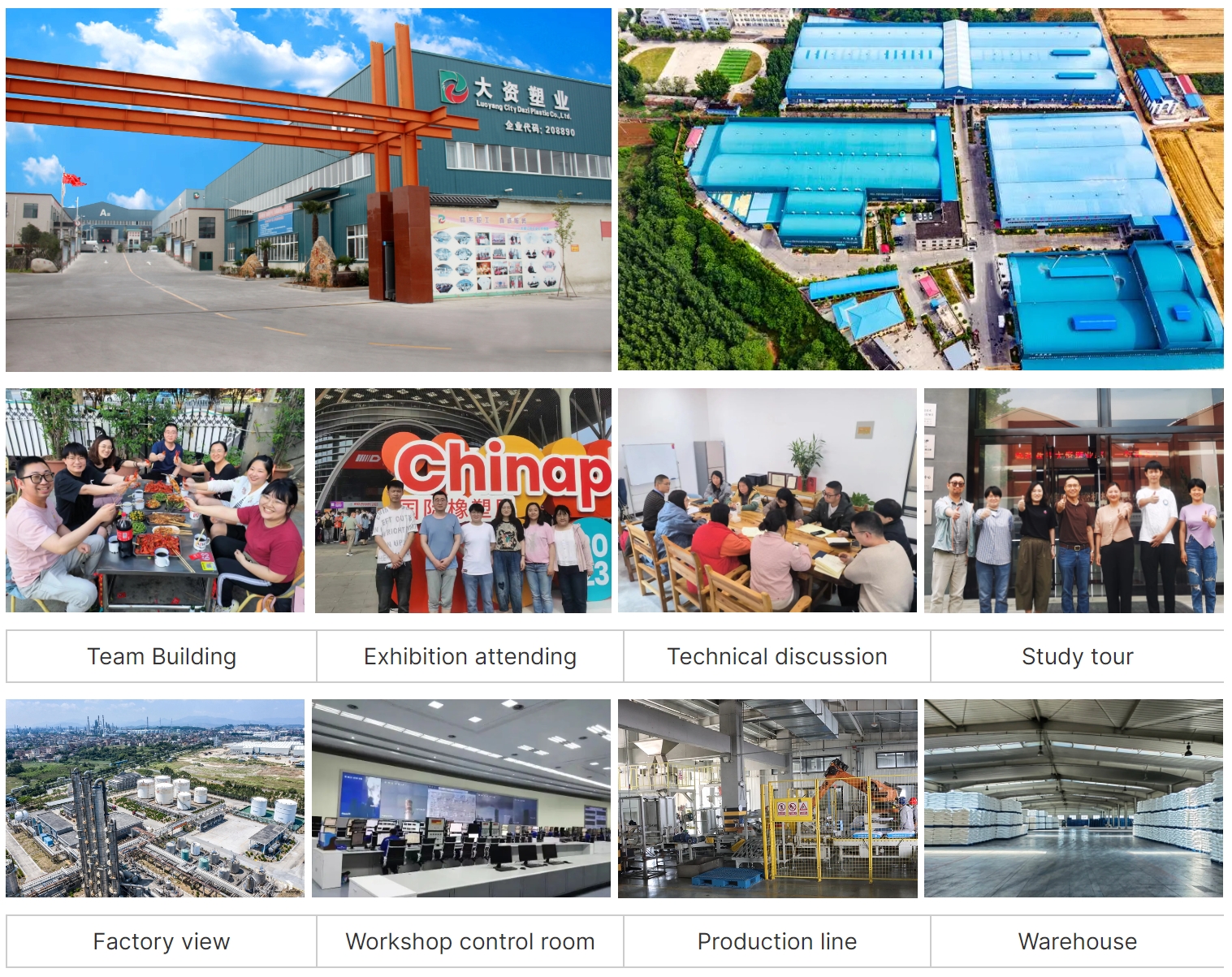

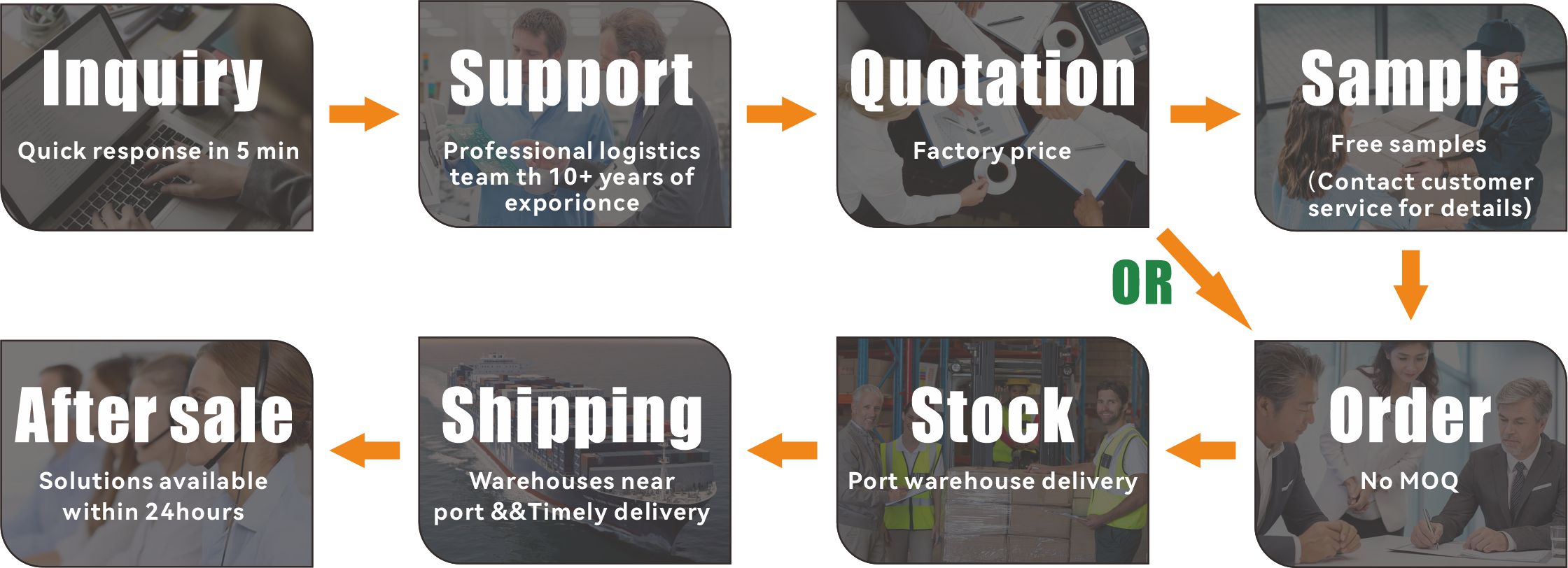

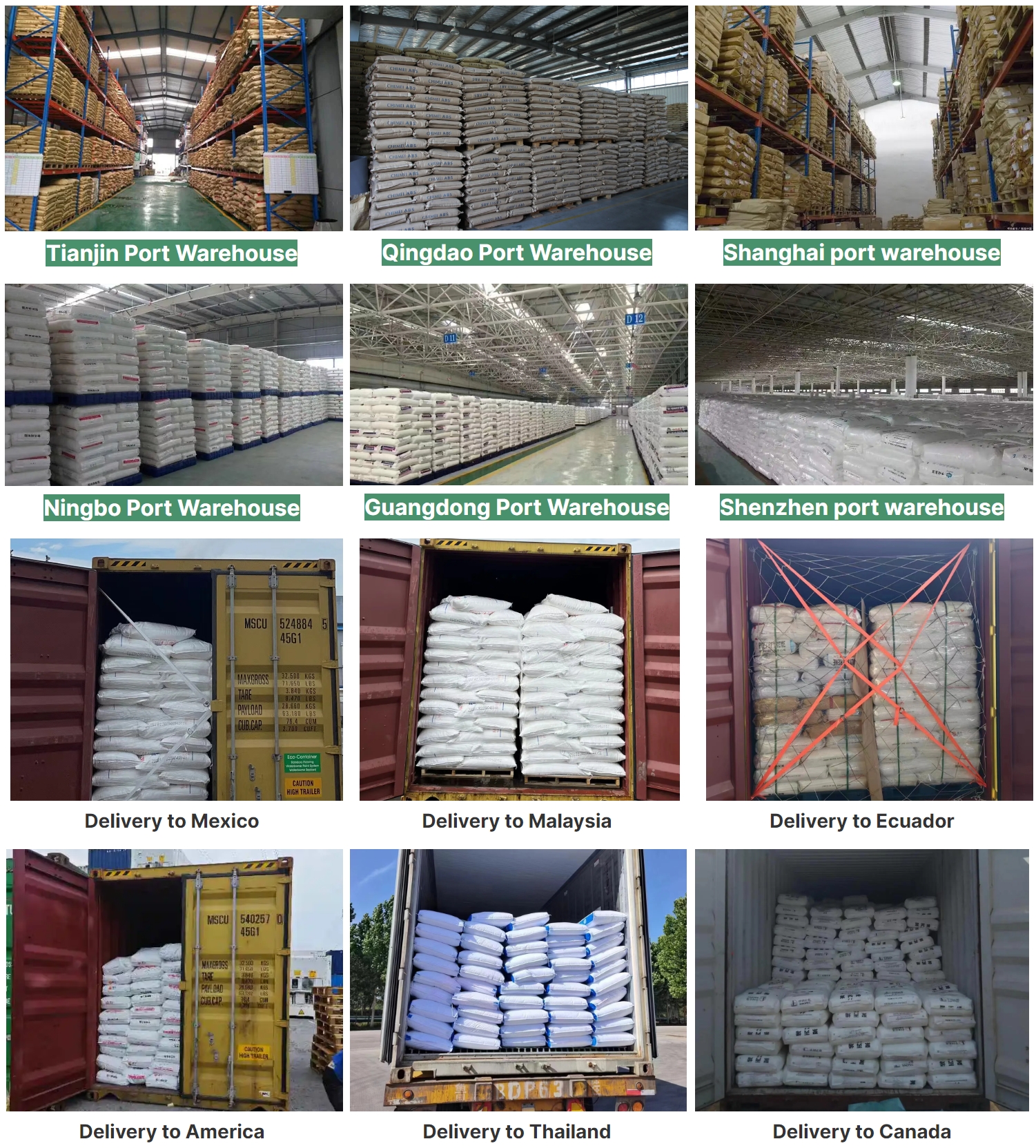
We have established long-term cooperative relations with more than 60+ well-known enterprises all over the world

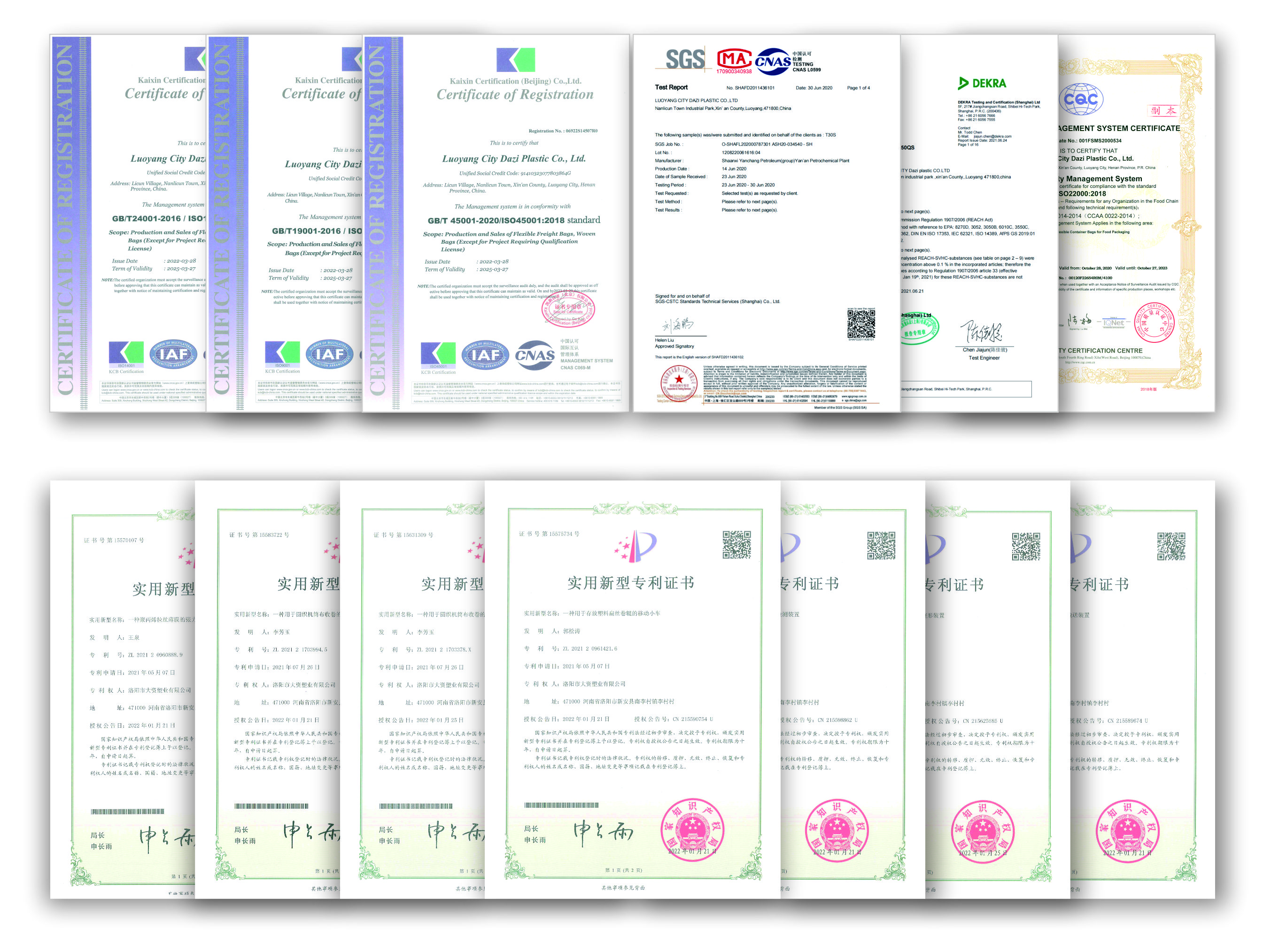
Our company has 12 certifications and 57+ patents.
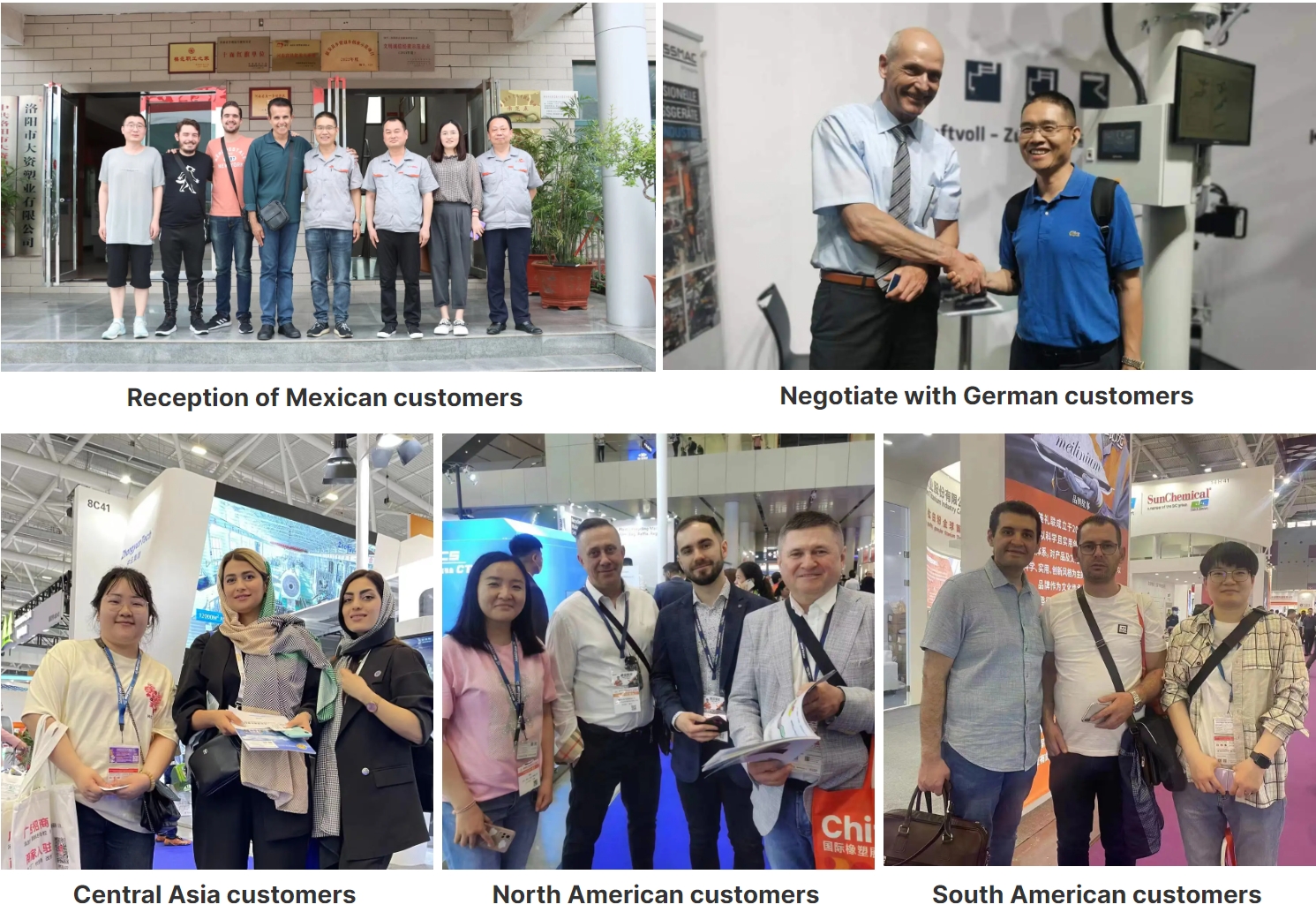
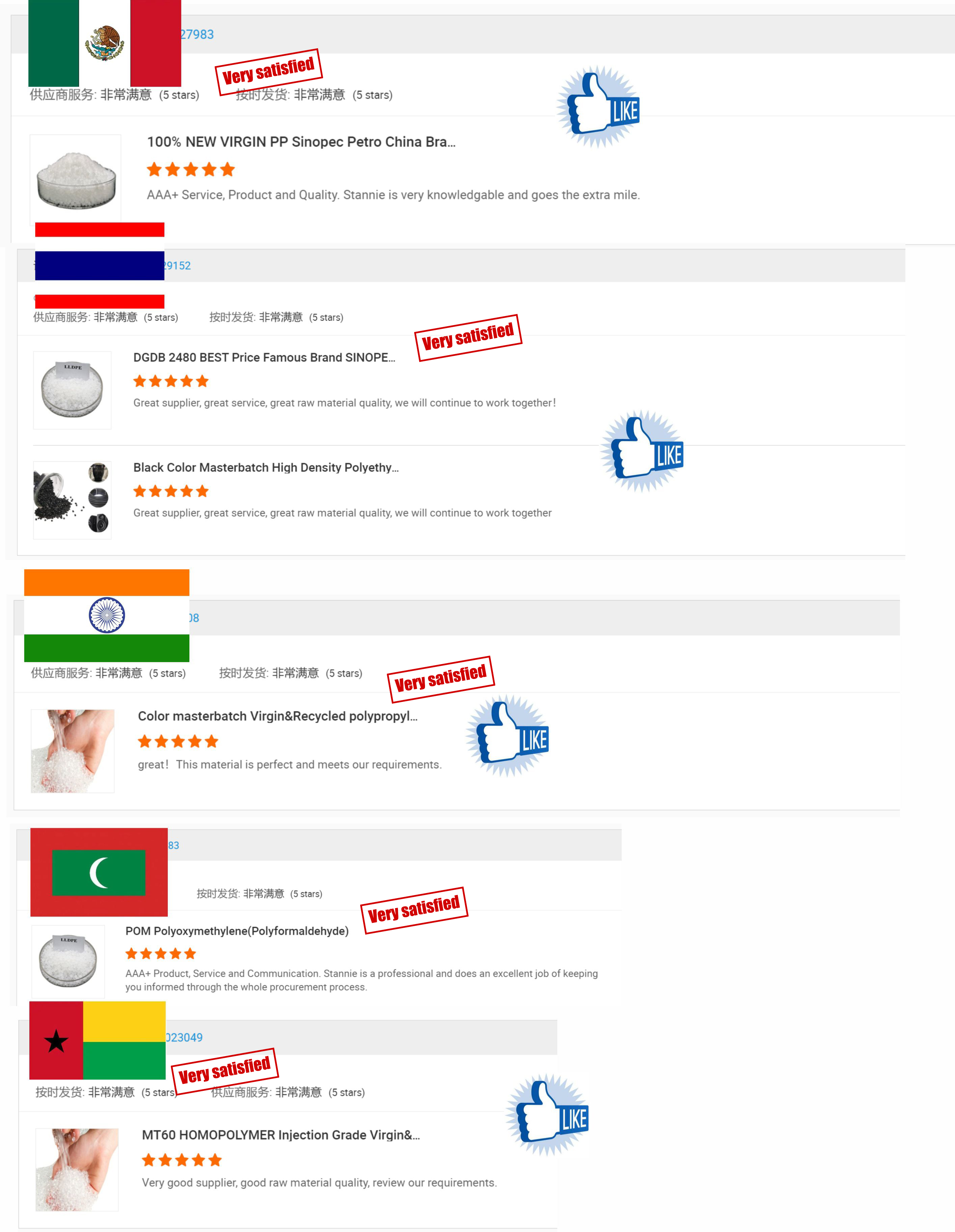

23 years' experience Professional purchasing consultant with a supply chain of 1200+ plastic raw materials in China.