Ventajas de la masterbatch de alta dispersión en la modificación del efecto superficial del plástico
2026-08-08 08:50:54
In plastic product manufacturing, surface quality directly determines product appearance, market competitiveness and downstream application value. Poor surface performance such as color streaks, speckles, matte spots, flow marks and uneven gloss frequently occurs during injection molding, film extrusion and blow‑molding processes, even when using high‑quality base resin. High‑dispersion masterbatch has gradually become a core modification solution to optimize plastic surface effect. Compared with ordinary masterbatch, its excellent pigment and additive dispersion capacity greatly improves surface texture while maintaining stable mechanical performance. This article explores the core strengths of high‑dispersion masterbatch and its practical value for plastic surface modification.
What Is High‑Dispersion Masterbatch
Masterbatch is a concentrated mixture of pigments, functional additives and carrier resin. High‑dispersion masterbatch adopts advanced grinding, kneading and extrusion processing technology to fully break down pigment agglomerates. Pigment particles reach uniform micro‑level distribution inside the carrier, avoiding large‑size pigment aggregates. When blended with base plastic pellets, it achieves homogeneous diffusion throughout the whole plastic matrix. Ordinary masterbatch often retains pigment clusters, which trigger surface defects after molding. High‑dispersion grades are specially optimized to target surface‑related performance requirements.
Core Advantages of High‑Dispersion Masterbatch for Plastic Surface Modification
1. Uniform Color Performance, Eliminating Streaks and Color Spots
Uneven pigment dispersion is the main cause of color stripes, color dots and local color difference on plastic surfaces. High‑dispersion masterbatch ensures every pigment particle is fully separated. After injection molding or extrusion, plastic parts obtain consistent color tone across the whole surface. There are no visible color speckles, clouding or local discoloration. This advantage is critical for cosmetic shells, household appliances, packaging films and consumer goods with strict appearance requirements. Even for thin‑wall products and thin‑gauge films, uniform coloring effect can be stably obtained.
2. Stable Gloss Performance and Adjustable Surface Texture
High‑dispersion masterbatch delivers more controllable gloss effect. By evenly distributing gloss modifier, matting agent or brightening agent inside the plastic matrix, manufacturers can realize high‑gloss mirror‑like surface, semi‑gloss or full‑matte texture according to product design. Ordinary masterbatch tends to produce partial bright spots or uneven matte effect due to additive agglomeration. High‑dispersion products keep consistent gloss on complex‑shape parts, including thin sections, rib positions and weld‑line areas, greatly improving the visual quality of finished goods.
3. Reduce Surface Defects Caused by Poor Dispersion
Aggregated pigment and additive particles will form tiny surface protrusions, pinholes and fish‑eyes, especially for transparent and translucent plastic products. High‑dispersion masterbatch minimizes such molding defects. It effectively reduces fish‑eyes, grainy texture and surface blemishes on extruded films, sheet materials and precision injection‑molded components. Less surface defects mean lower rejection rate during production and better yield for mass manufacturing.
4. Improve Surface Texture and Hand‑Feeling for End‑Products
For soft‑touch, frosted and textured plastic surfaces, uniform distribution of functional fillers is essential. High‑dispersion masterbatch makes matting and soft‑touch additives evenly distributed, bringing fine, smooth and consistent hand‑feeling across the whole product surface. No rough granular local areas appear. This performance is widely pursued in home appliance housings, daily consumer plastics and automotive interior plastic parts.
5. Good Compatibility with Base Resin, Less Influence on Mechanical Properties
Well‑formulated high‑dispersion masterbatch has excellent compatibility with PP, PE, ABS, PC, PS and other substrate materials. Since pigments and additives are fully dispersed instead of existing as large foreign‑body clusters, it will not seriously damage the internal molecular structure of plastics. While optimizing surface effect, it retains tensile strength, impact resistance and other key mechanical indexes. In contrast, poorly dispersed ordinary masterbatch may cause internal stress concentration, leading to surface cracking and decreased impact performance of finished parts.
6. Wide Processing Adaptability for Diverse Molding Processes
High‑dispersion masterbatch adapts to multiple processing technologies: injection molding, film blowing, sheet extrusion, blow molding and fiber spinning. Even under different processing temperature, screw speed and shear conditions, it can maintain stable dispersion effect. It avoids fluctuation of surface quality caused by parameter adjustment, bringing convenience to plastic processors.
Typical Application Scenarios
- Home appliance & electronic shells: Realize uniform matte, high‑gloss and special‑color surface without speckles or stripes.
- Plastic packaging films & sheets: Eliminate fish‑eyes and color spots for high‑appearance‑requirement packaging materials.
- Automotive interior plastics: Achieve stable frosted and soft‑touch surface texture.
- Daily consumer plastic goods: Improve appearance consistency of household articles.
- Transparent & translucent plastic products: Reduce particle‑caused surface blemishes.
Key Notes When Selecting High‑Dispersion Masterbatch
- Match carrier resin with base plastic to guarantee compatibility. Mismatched carriers will destroy dispersion effect and cause new surface defects.
- Confirm pigment particle fineness and production process of masterbatch suppliers. Reliable high‑dispersion masterbatch comes from sufficient kneading and grinding procedures.
- Conduct small‑scale trial production before mass order. Check surface color, gloss, speckle condition and mechanical performance under real molding parameters.
- Do not blindly increase addition ratio. Appropriate dosage of high‑dispersion masterbatch can achieve ideal surface effect; excessive addition may trigger opposite consequences.






We have established long-term cooperative relations with more than 60+ well-known enterprises all over the world

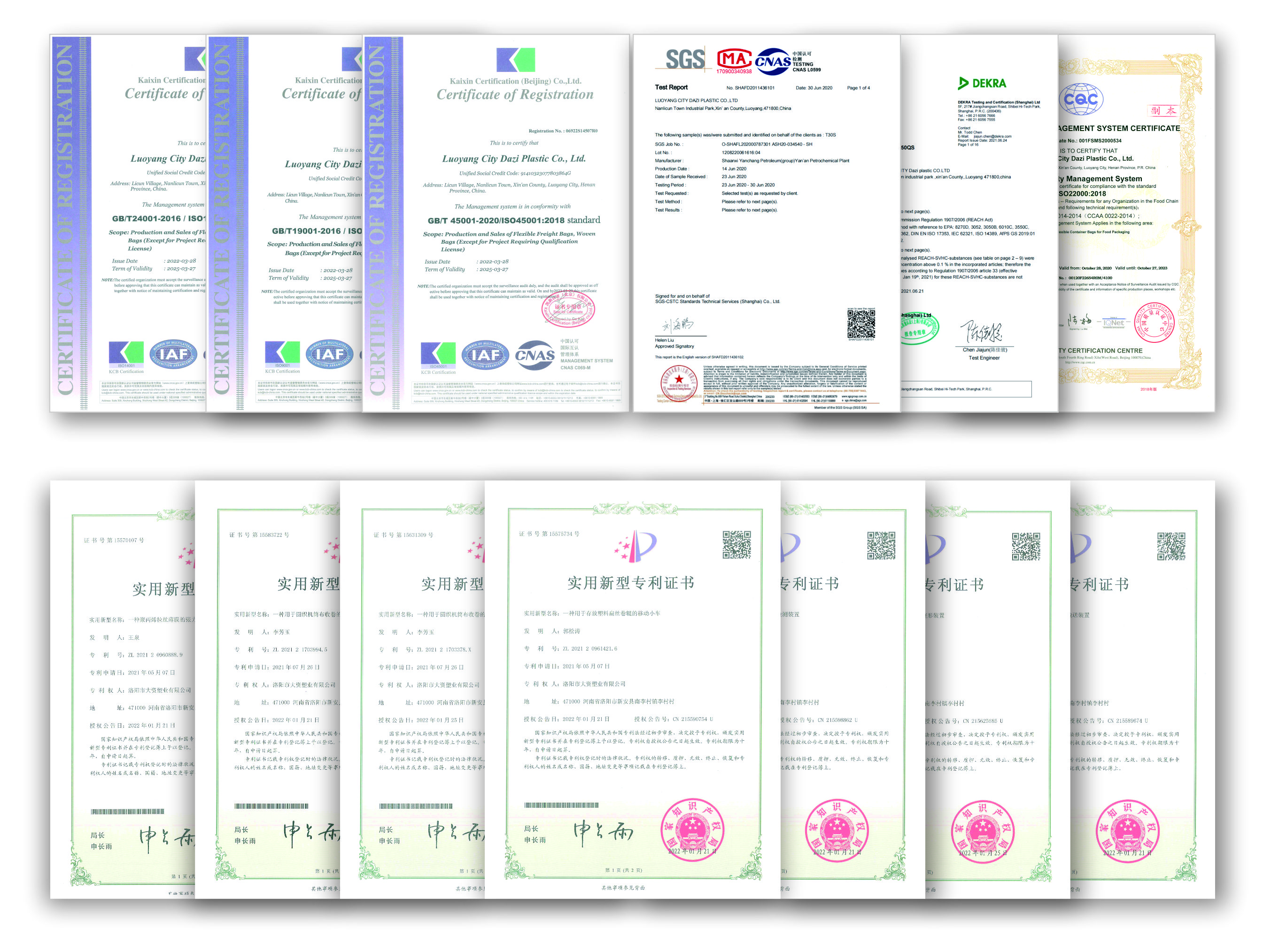
Our company has 12 certifications and 57+ patents.



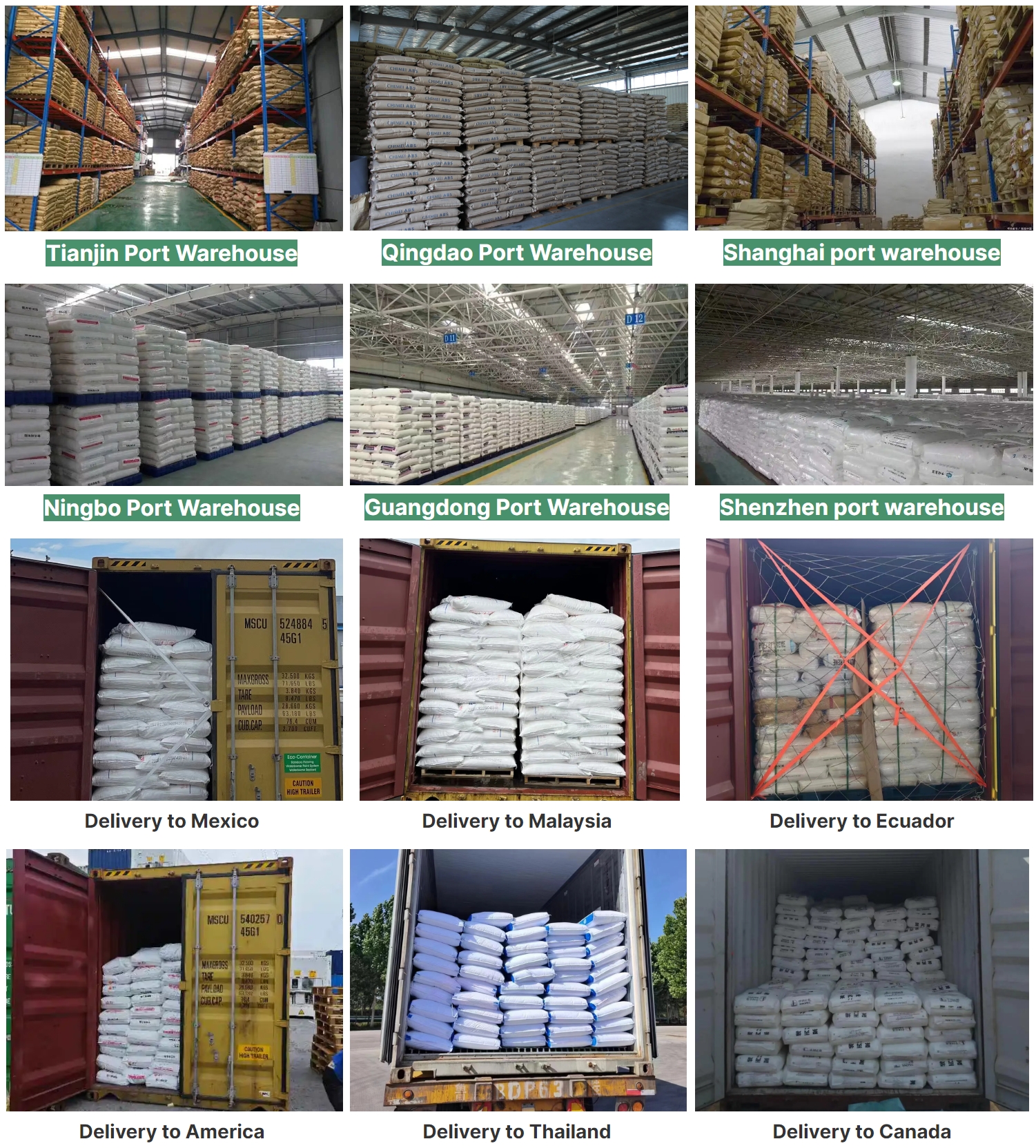
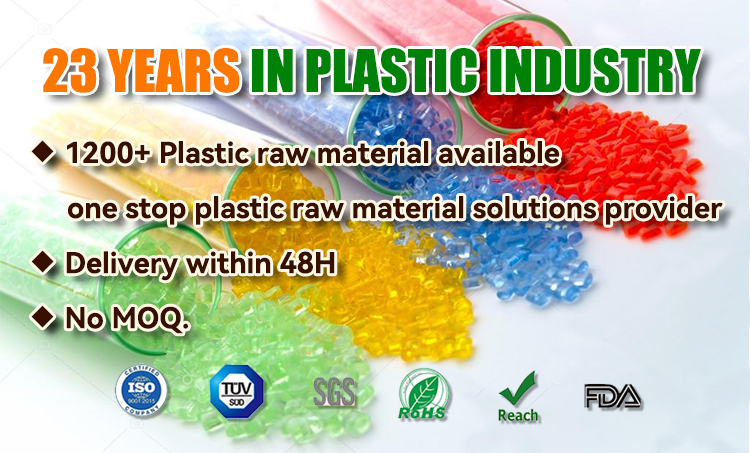
23 years' experience Professional purchasing consultant with a supply chain of 1200+ plastic raw materials in China.