Por qué el elastómero POE es el modificador de endurecimiento ideal para compuestos de poliolefinas
2026-08-12 10:05:14
Polyolefin resins such as Polypropylene (PP) and Polyethylene (PE) are the most widely used general-purpose plastics in the polymer industry, favored for their low density, excellent chemical stability, easy processability, and cost-effectiveness. However, pure polyolefin materials have inherent defects, including poor low-temperature toughness, high notch sensitivity, and insufficient impact resistance, which greatly limit their application in automotive parts, outdoor products, cold-chain packaging, and engineering structural components. To solve these bottlenecks, various elastomer modifiers are adopted in polyolefin compounding. Among all toughening materials, POE elastomer (Polyolefin Elastomer) has gradually replaced traditional EPDM, TPE, and rubber modifiers, becoming the ideal toughening agent for high-performance polyolefin compounds. This article analyzes the unique structural advantages, modification mechanisms, performance benefits, and application values of POE elastomer in polyolefin toughening modification.
Unique Molecular Structure of POE Elastomer
POE elastomer is a high-performance copolymer produced by metallocene catalytic technology, composed of ethylene and α-olefin segments. Its molecular design perfectly matches the characteristics of polyolefin matrix materials. Different from traditional rubber modifiers, POE has a narrow molecular weight distribution and uniform comonomer distribution, featuring both plastic segment flexibility and polyolefin compatibility.
The rigid ethylene segment ensures excellent compatibility with PP and PE matrices without adding extra compatibilizers, while the flexible α-olefin segment provides super elastic toughness. This special phase structure enables POE to disperse uniformly in polyolefin resin in the form of micro-nano elastic particles during melt compounding, laying a solid foundation for efficient toughening modification.
Core Advantages of POE as Polyolefin Toughening Modifier
1. Excellent Low-Temperature Toughening Performance
The biggest drawback of pure polypropylene and polyethylene compounds is severe brittleness at low temperatures. When the ambient temperature drops, unmodified polyolefins are prone to brittle fracture under external impact. POE elastomer has extremely low glass transition temperature (Tg), maintaining high elasticity and flexibility even under sub-zero conditions.
After blending POE into polyolefin compounds, the uniformly dispersed POE elastic particles can effectively absorb external impact energy, induce crazing and shear banding inside the material, and inhibit crack expansion. It significantly improves the low-temperature notched impact strength of PP/PE compounds, solving the long-standing low-temperature brittleness problem of polyolefin materials.
2. Perfect Matrix Compatibility Without Phase Separation
Many traditional toughening modifiers have poor compatibility with polyolefin resins, resulting in interface separation, poor dispersion, unstable mechanical properties, and defective product surfaces. As a polyolefin-based elastomer, POE has highly similar molecular structure to PP and PE, achieving excellent interfacial bonding and homogeneous blending during twin-screw extrusion and injection molding.
No delamination, floating fibers, or surface blooming occurs in POE-modified polyolefin compounds. The finished products feature smooth surface, stable color uniformity, and consistent mechanical performance, which is incomparable to other rubber toughening agents.
3. Balanced Toughness and Rigidity
A common problem of traditional flexible toughening agents is that they significantly reduce the rigidity, hardness, and heat resistance of polyolefin materials while improving toughness. In contrast, POE elastomer can achieve efficient toughening with minimal loss of flexural modulus and thermal deformation temperature.
By adjusting the POE addition ratio, compound manufacturers can freely balance rigidity and toughness, producing polyolefin compounds suitable for both structural parts and flexible accessories. This balanced performance greatly expands the material formulation flexibility of polyolefin modified products.
4. Superior Aging Resistance and Weather Resistance
POE elastomer prepared by metallocene catalysis has saturated molecular chain structure, with excellent oxidation resistance, thermal aging resistance, and UV aging resistance. Compared with unsaturated rubber modifiers that are easy to age and yellow, POE-modified polyolefin compounds maintain stable toughness and mechanical properties after long-term high-temperature use and outdoor exposure.
This advantage makes POE the preferred modifier for outdoor polyolefin products, automotive exterior parts, and long-life engineering plastic components.
5. Excellent Processing Performance and High Yield
POE elastomer has good melt fluidity and thermal stability, adapting to high-speed extrusion, injection molding, and blow molding processes. It can be directly melt-blended with PP and PE without vulcanization or complex pretreatment, simplifying production procedures and improving compounding efficiency.
In addition, POE produces less smoke, no precipitation, and no die buildup during processing, effectively reducing product surface defects and improving the finished product yield of polyolefin compounds.
POE vs Traditional Toughening Modifiers
Compared with EPDM, TPR, and flexible PVC modifiers, POE shows comprehensive advantages in polyolefin modification. EPDM requires vulcanization treatment and has poor dispersion uniformity; ordinary TPR leads to obvious rigidity loss; flexible modifiers contain easily precipitated additives that affect material safety and appearance.
POE elastomer perfectly avoids the above defects, achieving high-efficiency toughening, weather resistance, processing stability, and environmental friendliness at the same time, becoming the most cost-effective polyolefin toughening solution.
Main Application Scenarios of POE-Modified Polyolefin Compounds
-
Automotive modified materials: PP bumper compounds, automotive interior parts, battery shell materials, and cold-resistant automotive plastic parts
-
Home appliance materials: High-toughness PP injection parts, refrigerator internal components, and impact-resistant appliance shells
-
Cold-chain and packaging materials: Low-temperature resistant PE/PP packaging boxes, frozen product containers, and flexible packaging sheets
-
Outdoor engineering plastics: Weather-resistant profiles, garden facilities, and outdoor structural polyolefin parts
-
Recycled polyolefin modification: Improve the toughness and stability of recycled PP and PE materials to upgrade recycled plastic quality
Conclusion
POE elastomer has become the ideal toughening modifier for polyolefin compounds by virtue of its unique metallocene molecular structure, excellent low-temperature toughening ability, perfect matrix compatibility, balanced rigidity-toughness performance, superior weather resistance and stable processing performance. It effectively solves the low-temperature brittleness and insufficient impact resistance pain points of traditional PP and PE materials. With the continuous upgrading of high-performance modified plastics, POE elastomer will remain the core toughening material for polyolefin compounding, widely used in automotive, home appliance, packaging, engineering and recycled plastic industries.


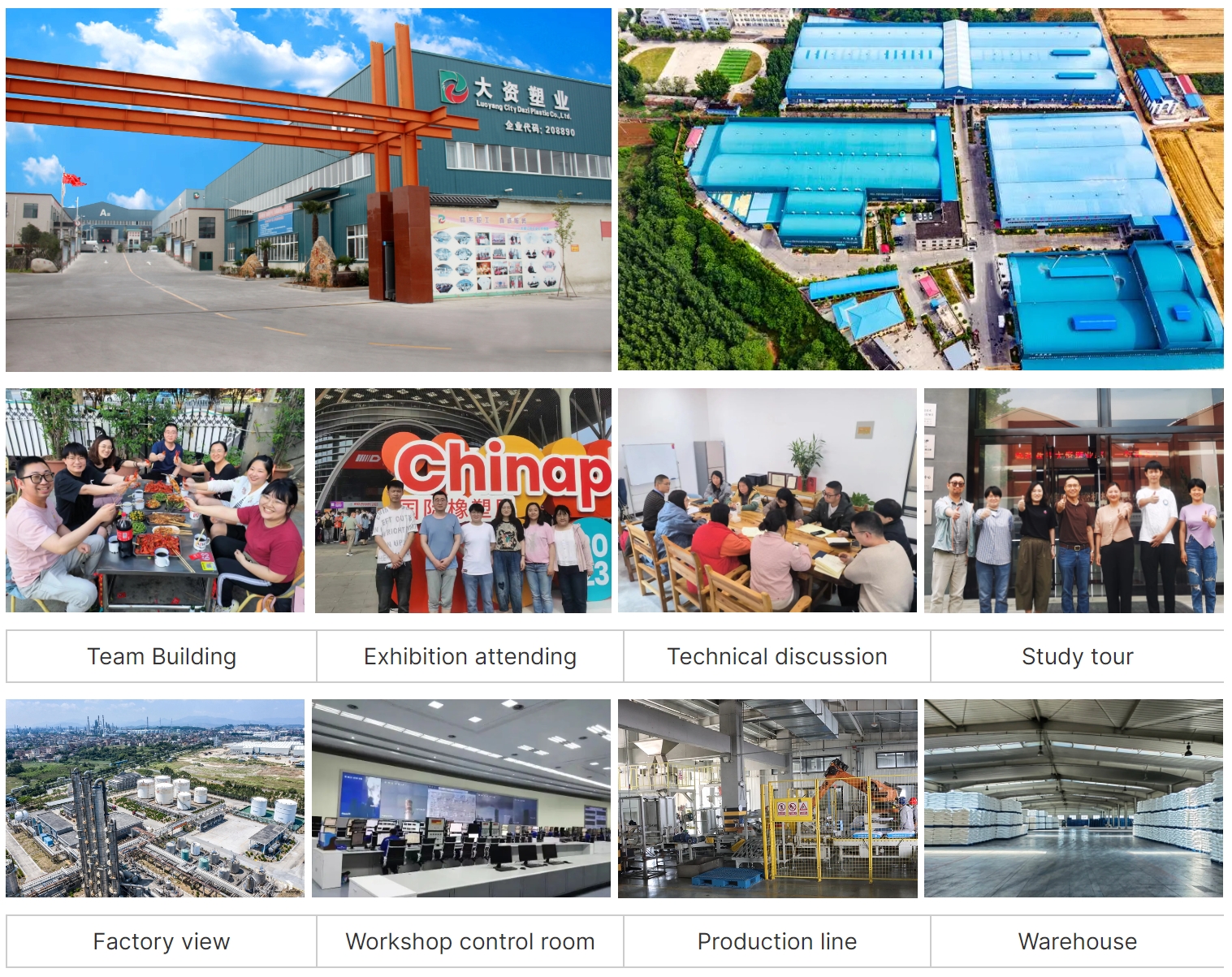


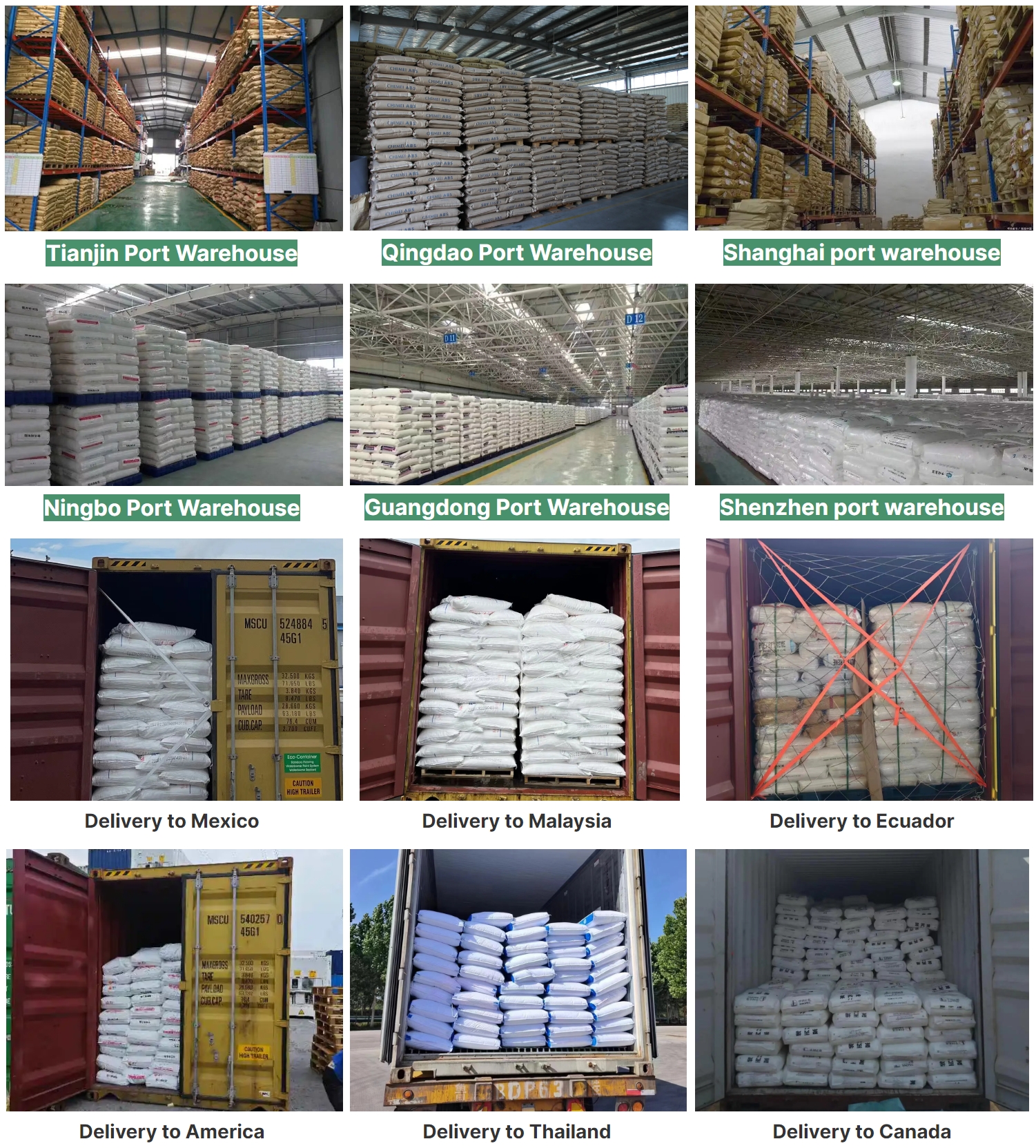
We have established long-term cooperative relations with more than 60+ well-known enterprises all over the world

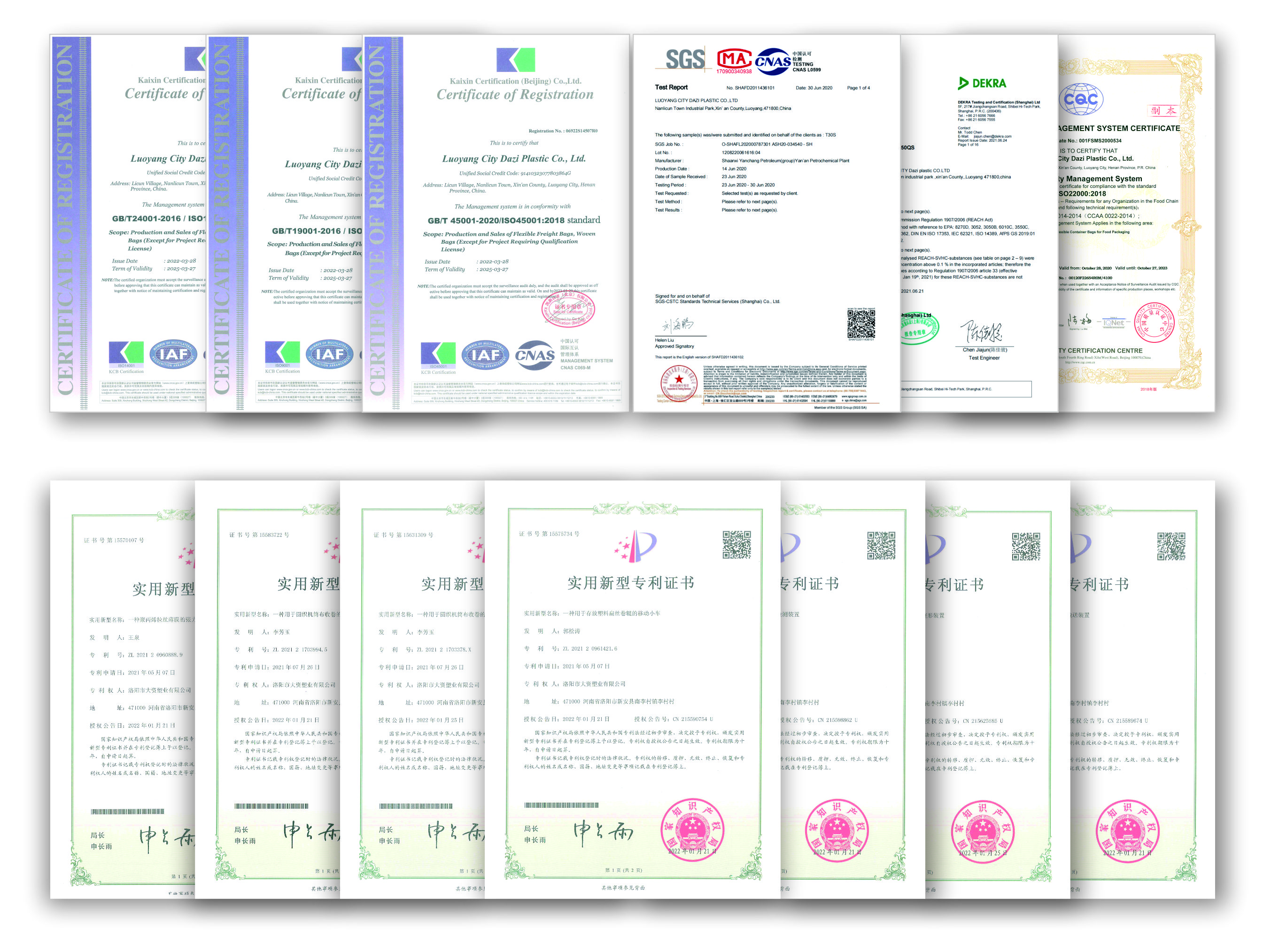
Our company has 12 certifications and 57+ patents.
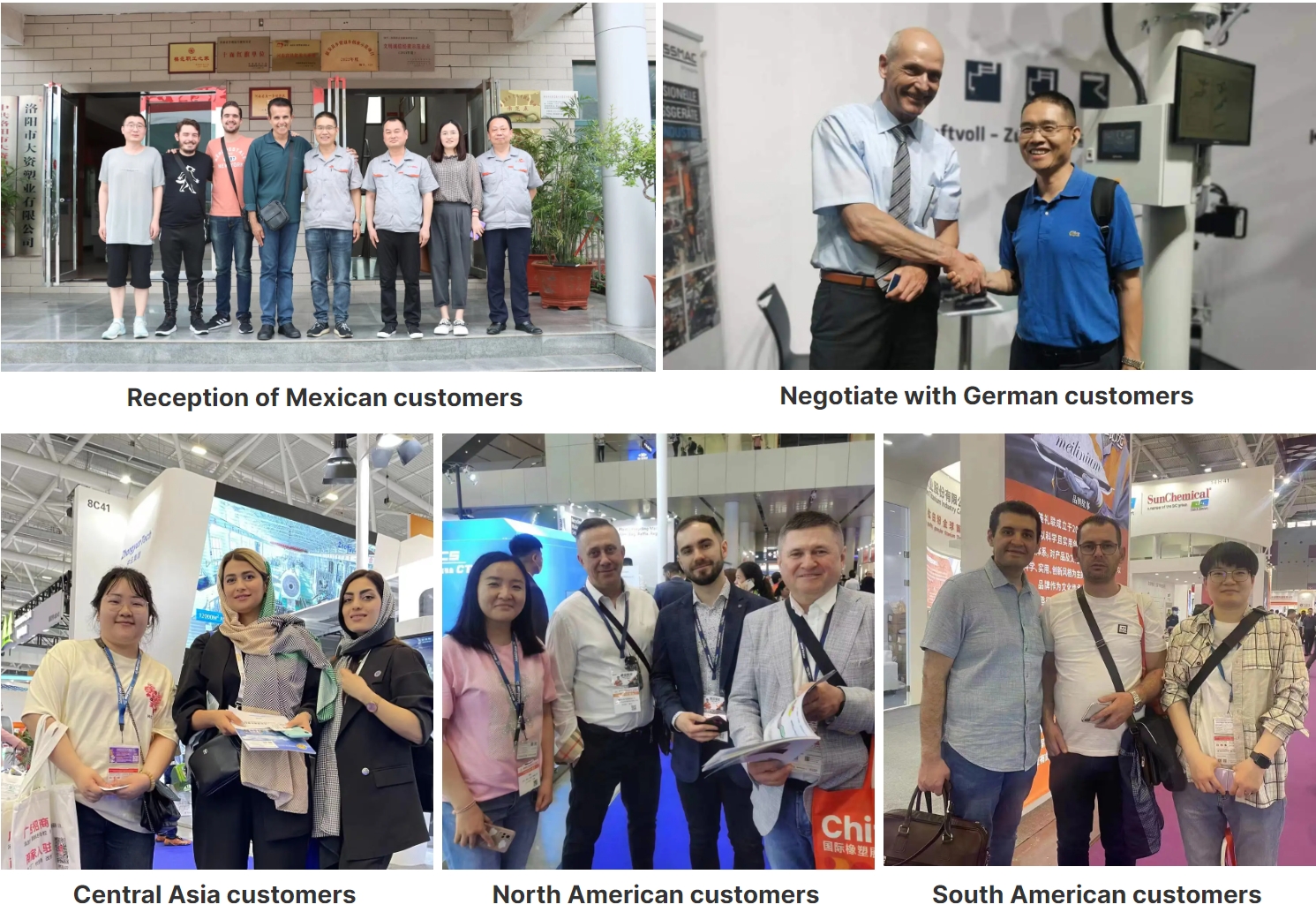
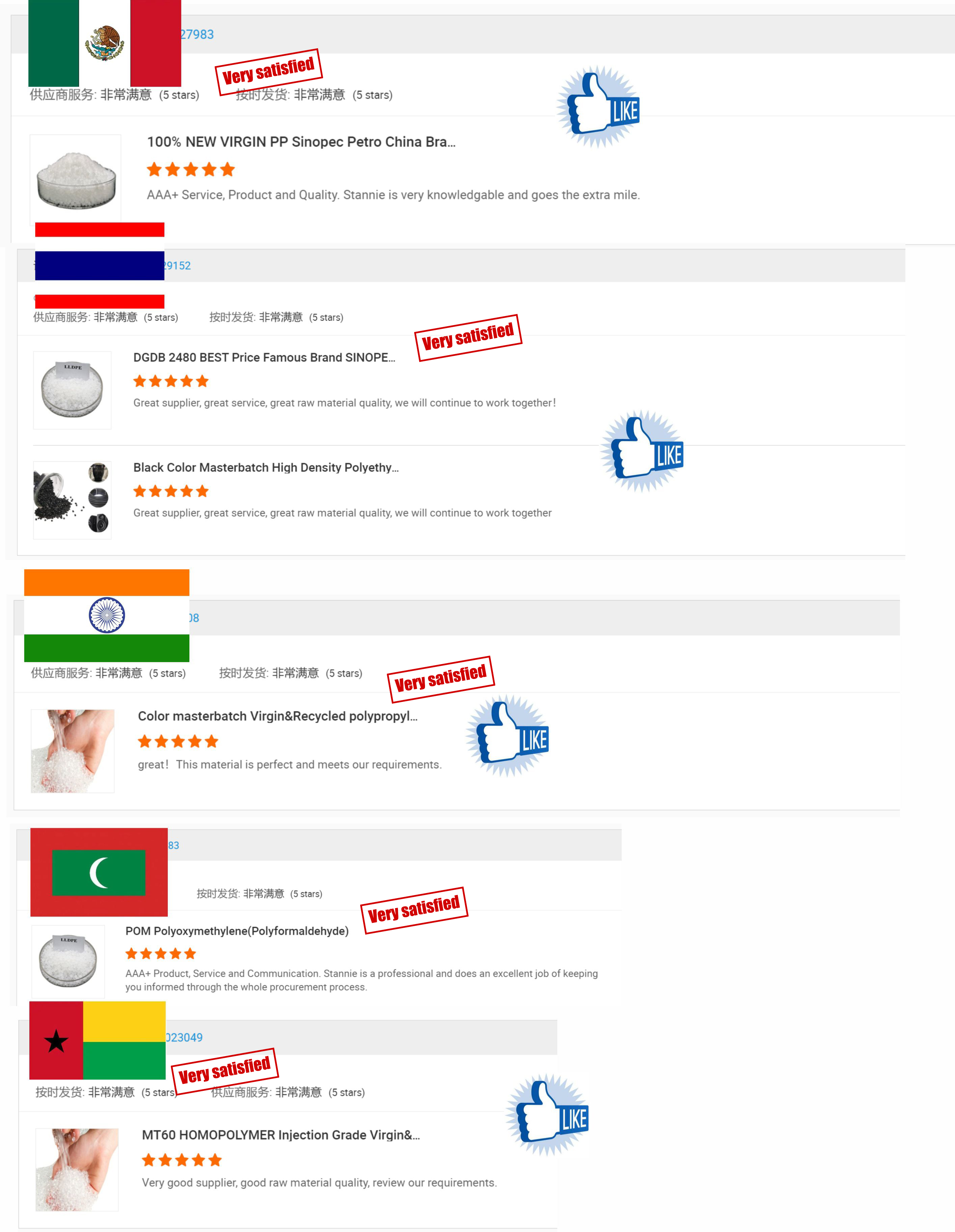

23 years' experience Professional purchasing consultant with a supply chain of 1200+ plastic raw materials in China.