GPPS frente a HIPS: diferencias de rendimiento y límites de aplicación de los materiales de poliestireno
2026-08-17 08:59:03
Transporting hazardous bulk solids including toxic powder, corrosive granules, flammable dust, oxidizing substances and self-heating materials poses strict challenges to industrial packaging safety. Unlike ordinary general-purpose FIBCs used for inert bulk goods, hazardous material transportation requires standardized, certified and risk-oriented safe-specification FIBC bulk bags. Using non-compliant jumbo bags will lead to leakage pollution, static explosion risks, cargo detention, customs penalties and even major safety accidents. Many purchasers fail to distinguish regular FIBCs from professional dangerous-goods FIBCs, resulting in hidden operational risks and extra costs. This article provides a complete and practical guide on how to select qualified safe-specification FIBCs for hazardous bulk material transportation, covering certification standards, structural specifications, electrostatic grading, packaging grouping and scenario matching rules.
Why Ordinary FIBCs Are Unqualified for Hazardous Material Transport
Standard industrial FIBCs are designed for non-hazardous materials such as grain, mineral sand and plastic particles. They lack anti-static protection, leakage-proof structure and dangerous goods certification. When used for hazardous bulk goods, ordinary FIBCs have three fatal defects.
First, common PP woven fabric accumulates static electricity during high-friction loading and transportation. For flammable and explosive dust, static sparks may trigger combustion and explosion. Second, ordinary stitching and sealing structures cannot prevent micro-leakage of toxic and corrosive powder, causing environmental pollution and personnel injury. Third, non-certified FIBCs fail to pass international dangerous goods inspection, leading to customs clearance failure and shipment return in cross-border logistics. Therefore, only professionally manufactured safe-specification FIBCs can meet the compliance and safety requirements of hazardous bulk material transportation.
Core Certification: UN Dangerous Goods Certification
UN certification is the most fundamental and non-negotiable threshold for hazardous-grade FIBCs. All FIBCs used for dangerous goods transportation must pass UN standardized performance tests, including drop test, stacking test, top-lift tension test, tear resistance test and topple stability test, to ensure structural integrity under extreme transportation conditions .
UN FIBCs are divided into three packaging groups according to hazard severity:
-
Packing Group X (I): For high-risk hazardous materials with the strictest safety standards
-
Packing Group Y (II): Suitable for medium-risk dangerous bulk goods
-
Packing Group Z (III): Applied to low-risk hazardous substances
Professional buyers must match the correct UN marking according to material hazard classification instead of using universal-grade UN bags blindly, to avoid insufficient safety margin or over-specification cost waste.
Professional FIBC Structural Coding for Hazardous Goods (13H Series)
UN hazardous FIBCs adopt unified 13H series structural coding to define fabric coating and liner configuration, which is the key basis for selecting leakage-proof and corrosion-resistant specifications .
-
13H1: Uncoated woven PP fabric without inner liner, suitable for dry, non-corrosive and non-fine-powder hazardous granules
-
13H2: Coated woven fabric without liner, providing basic dust-proof and moisture-proof performance
-
13H3: Uncoated fabric with food-grade or chemical-resistant inner liner, ideal for fine powder and easily leaked hazardous materials
-
13H4: Fully coated fabric plus matched inner liner, the highest-spec leakage-proof structure for ultra-fine toxic powder and corrosive bulk materials
For most fine-powder hazardous materials, 13H3 and 13H4 are the most recommended safe specifications to eliminate micro-leakage risks.
Static Safety Grading Selection (Type A / B / C / D)
Electrostatic hazard is the biggest hidden danger in flammable hazardous powder transportation. Different static-proof FIBC types must be selected according to material Minimum Ignition Energy (MIE) and on-site environment .
-
Type A: Common non-conductive fabric, no static control function, strictly prohibited for flammable dust and explosive materials
-
Type B: Insulating fabric with low breakdown voltage, preventing propagating brush discharge; suitable for combustible dust with MIE above 3mJ, no flammable vapor environment
-
Type C (Grounding Type): Equipped with conductive threads, requires reliable grounding during operation; ideal for common flammable powder transportation in fixed workshops
-
Type D (Ground-Free Type): Static-dissipative fabric without grounding requirement, safe for mobile handling and outdoor flammable dust operations, widely used in high-risk explosion-proof scenarios
Key Safety Specifications for Hazardous FIBC Selection
1. Standard Safety Factor
All dangerous goods FIBCs must adopt a 6:1 industrial high safety factor. During UN testing, the bag bears six times the rated load without structural failure, ensuring no rupture or deformation during long-distance transportation, bumpy vibration and high stacking. Low-standard 5:1 bags are forbidden for hazardous material logistics.
2. Reinforced Sealing and Anti-Leakage Design
Toxic and fine hazardous powder easily leaks from stitching gaps and spout openings. Qualified safe-specification FIBCs adopt encrypted stitching, overflow-proof filling spout, and sealed discharge spout design. Matching thickened chemical-resistant liners effectively isolates corrosive materials and prevents powder overflow.
3. Anti-Aging and Weather Resistance
Hazardous material transportation often involves outdoor stacking and long-term shipping. Safe FIBCs are added with UV stabilizers and anti-aging agents to avoid fabric brittleness, cracking and strength attenuation under sunlight and high temperature, maintaining stable safety performance throughout the logistics cycle.
4. Complete Batch Traceability
Qualified hazardous FIBCs have clear permanent marking including UN code, packaging group, safety factor, manufacturer information and production batch. Complete test reports and certificate documents ensure full traceability, meeting international dangerous goods supervision requirements.
Scenario-Based Matching Guide for Hazardous Materials
-
Flammable explosive powder: UN Type C/Type D anti-static FIBC + 13H4 fully sealed structure
-
Toxic & harmful fine powder: UN Y/Z grade + lined 13H3/13H4 leakage-proof FIBC
-
Corrosive chemical granules: Coated fabric + chemical-resistant liner reinforced FIBC
-
Oxidizing & self-heating substances: High-strength UN X/Y grade thickened safe FIBC
-
Ordinary low-risk hazardous solids: Standard UN Z-grade 13H2/13H3 compliant FIBC
Common Selection Mistakes to Avoid
-
Mistake 1: Using ordinary non-UN FIBCs for hazardous goods, causing compliance failure and safety accidents
-
Mistake 2: Ignoring anti-static grading, leading to static explosion risks for flammable materials
-
Mistake 3: Blindly choosing high-spec bags, resulting in cost waste; or low-spec bags causing safety loopholes
-
Mistake 4: Only checking appearance without verifying UN test reports and batch qualification documents
Conclusion
Choosing safe-specification FIBC for hazardous bulk material transportation is a systematic work covering UN certification, 13H structural configuration, electrostatic safety grading, packaging group matching and mechanical performance standards. Professional hazardous-grade FIBCs eliminate static risks, leakage hazards and structural failure hidden dangers, ensuring personnel safety, environmental protection and smooth customs clearance. Enterprises must abandon low-cost unqualified packaging solutions and select standardized safe FIBCs according to material hazard characteristics, realizing zero-risk and compliant hazardous bulk material transportation management.


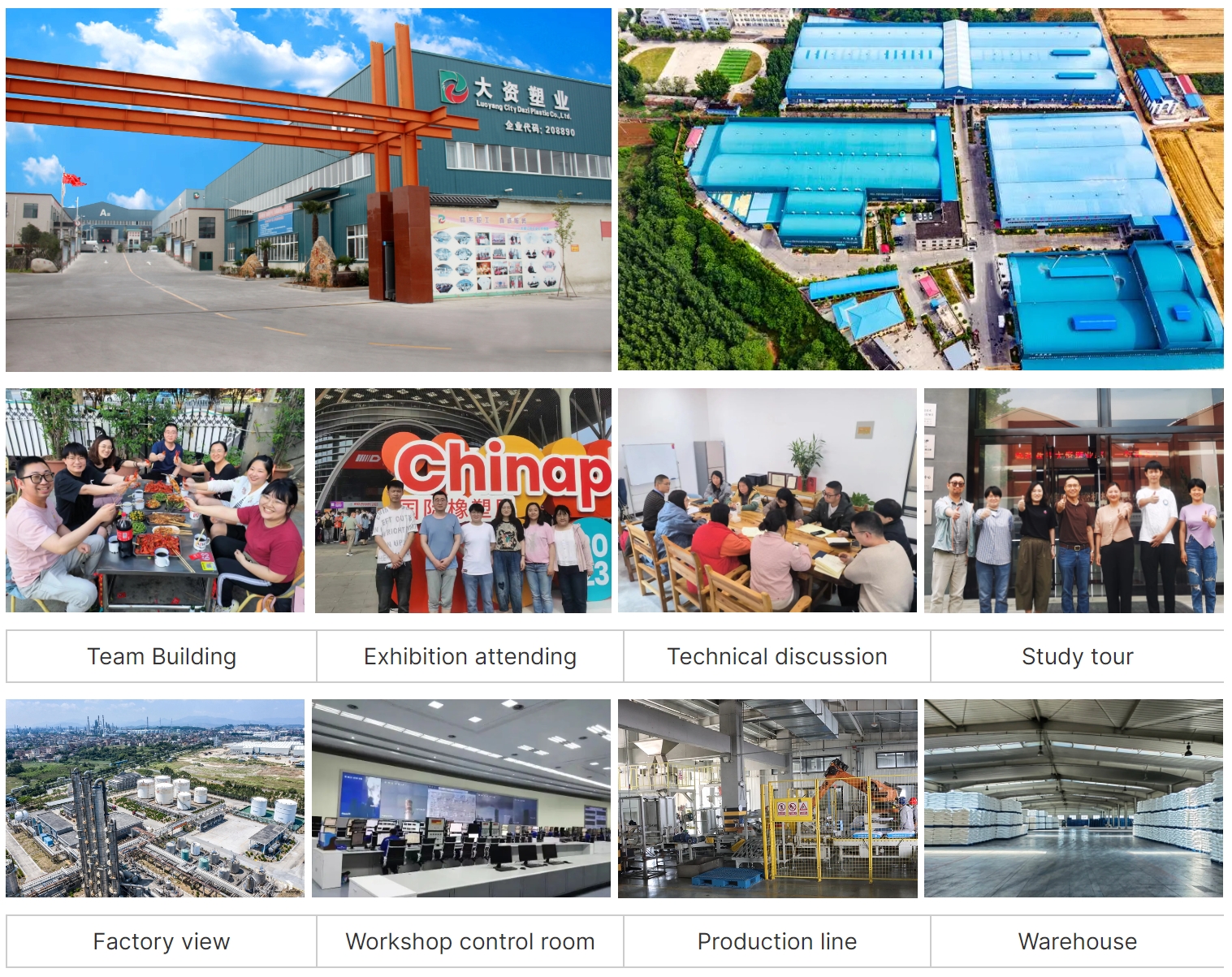


We have established long-term cooperative relations with more than 60+ well-known enterprises all over the world

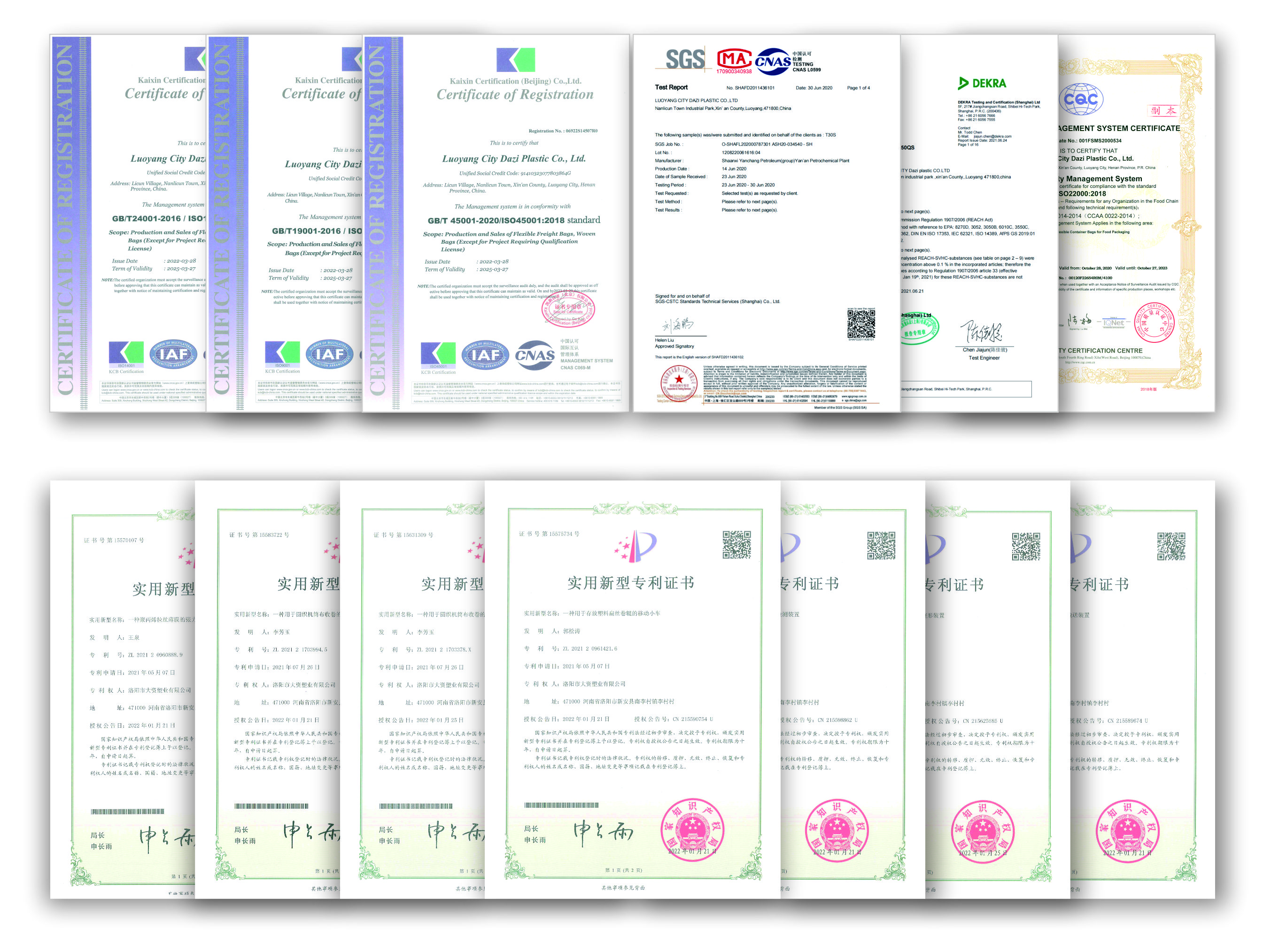
Our company has 12 certifications and 57+ patents.
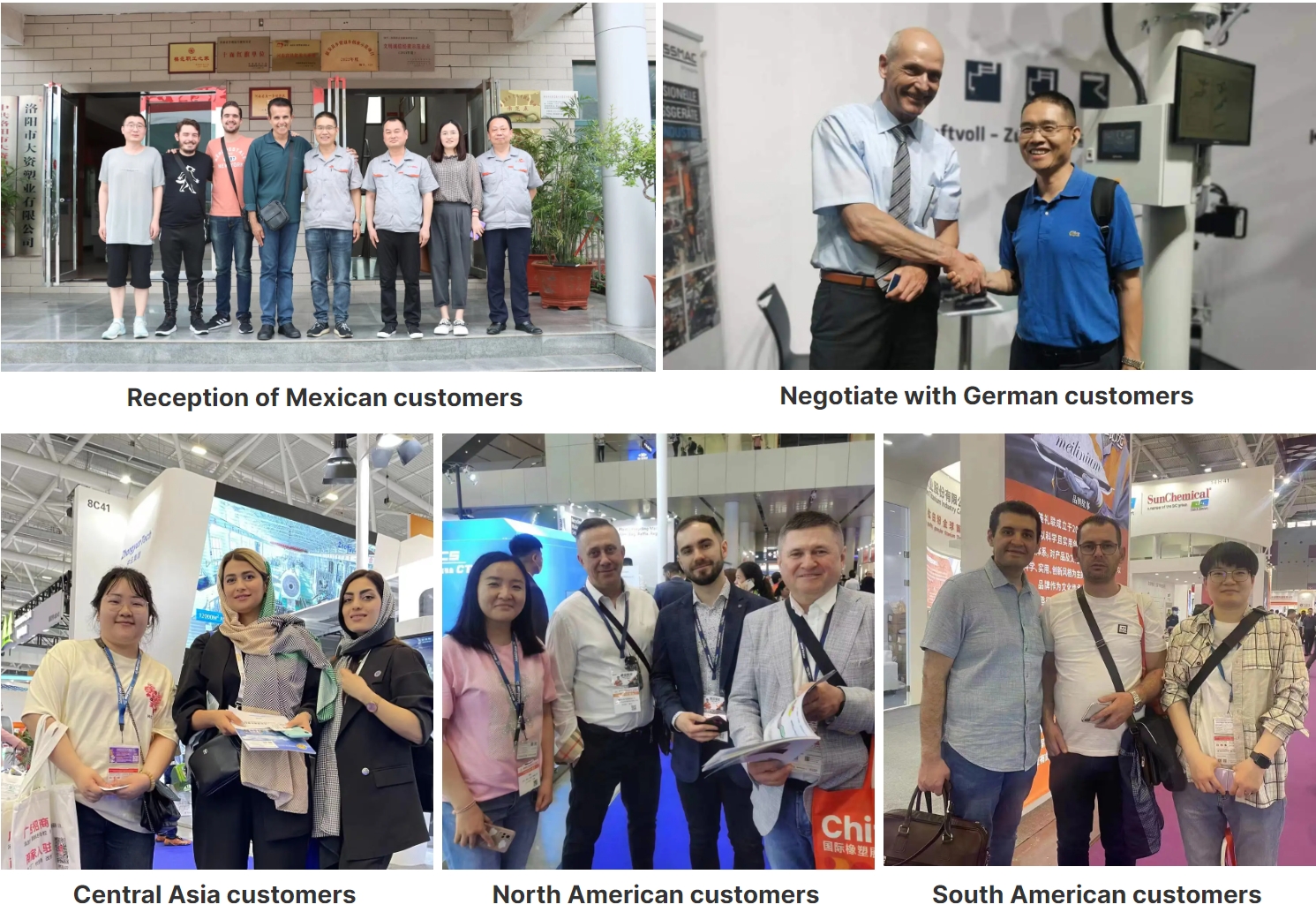
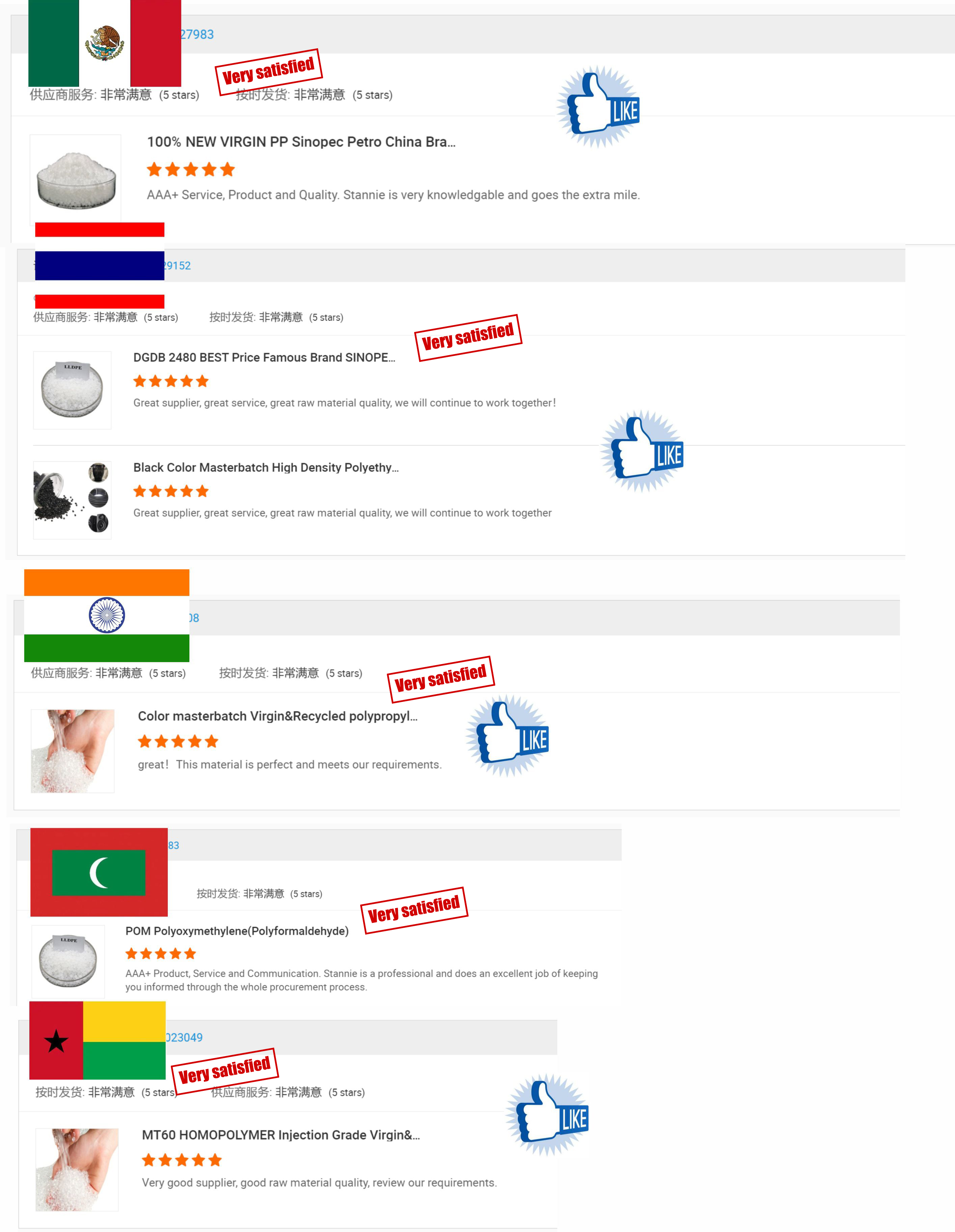

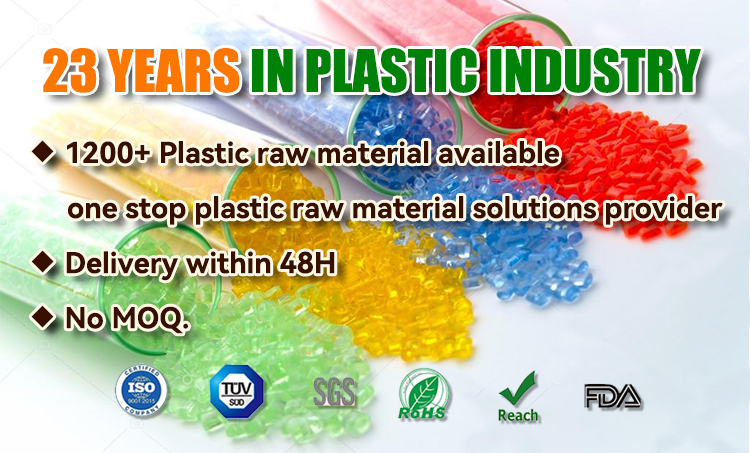
23 years' experience Professional purchasing consultant with a supply chain of 1200+ plastic raw materials in China.