Gránulos de PP modificado de alto flujo: materia prima ideal para el moldeo por inyección de pared delgada de bienes de consumo
2026-09-04 17:13:15
Polypropylene (PP) is one of the most widely used general-purpose plastics in consumer goods manufacturing, valued for its lightweight texture, stable chemical resistance and cost-efficiency. However, conventional virgin PP resin suffers from low melt fluidity and poor filling performance during ultra-thin wall injection molding. When producing thin-wall consumer products such as disposable packaging containers, lightweight daily necessities and mini electronic housings, standard PP often causes incomplete cavity filling, short shots, excessive injection pressure and long molding cycles. High-flow modified PP granules are professionally engineered by adjusting molecular weight distribution, adding efficient flow modifiers and optimizing melt viscosity. The upgraded material perfectly matches the process characteristics of thin-wall injection molding, becoming the preferred raw material for mass production of high-precision, lightweight and high-yield consumer goods.
Technical Differences Between High-Flow Modified PP and Conventional PP
The core advantage of high-flow modified PP lies in its fundamentally optimized melt rheological properties, rather than simple formula adjustment. Ordinary PP has high molecular chain entanglement, resulting in high melt viscosity and poor fluidity under standard injection parameters. To fill thin-wall cavities, processors have to raise temperature, pressure and screw speed, which easily leads to material thermal decomposition, mold flash and internal residual stress.
High-flow modified PP adopts targeted molecular chain degradation and compound modification technology. By controlling melt flow rate (MFR) within a high-precision range, the material achieves ultra-low viscosity under molten state while retaining basic mechanical rigidity. Compared with common PP grades, modified high-flow PP features faster cavity filling speed, lower molding pressure demand and better mold replication performance. It solves the inherent process bottleneck of conventional PP in thin-wall molding, balancing excellent processability and stable physical properties.
Core Advantages of High-Flow Modified PP for Thin-Wall Consumer Goods Production
1. Complete Filling for Ultra-Thin and Complex Cavities
Thin-wall consumer goods usually have wall thicknesses below 1.5mm, with intricate fine rib structures, tiny grooves and large-area flat surfaces. These structures require molten plastic to flow rapidly and evenly through narrow mold gaps. High-flow modified PP delivers outstanding melt ductility and low-resistance fluidity, achieving full and uniform filling of ultra-thin cavities without missing corners or incomplete molding. It perfectly reproduces fine mold textures, ensuring consistent wall thickness and precise dimensional tolerance for lightweight consumer products.
2. Greatly Shorten Molding Cycle and Improve Production Efficiency
Mass consumer goods manufacturing relies heavily on cycle time optimization to reduce unit production costs. Conventional PP requires high pressure and long holding and cooling time for thin-wall molding, restricting output capacity. High-flow modified PP can complete cavity filling in a shorter time with lower injection pressure. Its stable melt solidification characteristic shortens cooling and setting cycles significantly.
In actual mass production, high-flow PP can increase production efficiency by 15%–25% compared with standard PP. Faster cycle times allow injection molding factories to expand daily output without adding equipment, effectively improving equipment utilization and reducing fixed production costs per product.
3. Reduce Molding Defects and Improve Product Qualification Rate
Insufficient fluidity of ordinary PP easily causes common thin-wall defects including short shots, flow marks, weld lines and surface shrinkage dents. Excessively high processing parameters further induce flash, bubble generation and material yellowing. High-flow modified PP optimizes melt uniformity and filling stability, effectively weakening weld line visibility and eliminating uneven flow traces on large-area thin surfaces.
In addition, low-pressure molding reduces internal residual stress of finished products, avoiding post-molding warpage, deformation and cracking of thin-wall parts. Stable molding quality greatly lowers defective rate and rework costs, which is critical for standardized mass production of low-profit consumer goods.
4. Maintain Lightweight and Balanced Mechanical Performance
A common drawback of ordinary high-flow plastic modification is the loss of rigidity and toughness. Professional high-flow modified PP adopts balanced formula design, retaining appropriate tensile strength, flexural rigidity and impact resistance while improving fluidity. Thin-wall consumer goods made from this material have lightweight advantages and sufficient structural toughness to resist daily extrusion, drop and collision damage.
The balanced performance avoids two extreme defects of traditional thin-wall materials: excessive brittleness causing easy breakage and excessive flexibility causing soft and deformed products, meeting the long-term use requirements of daily consumer goods.
5. Lower Equipment Loss and Energy Consumption
Thin-wall molding with conventional PP requires long-term high-pressure and high-speed operation of injection molding machines, resulting in severe equipment wear, increased hydraulic load and high power consumption. High-flow modified PP can achieve qualified molding under medium and low pressure, reducing equipment operating load and extending screw and barrel service life. Meanwhile, lower molding temperature requirements reduce heating energy consumption, helping manufacturers achieve energy-saving production and reduce comprehensive operating costs.
Typical Application Scenarios in Consumer Goods Industry
High-flow modified PP is highly targeted for lightweight, thin-walled and high-volume consumer goods, covering multiple mainstream molding categories:
-
Thin-wall food packaging containers: Disposable lunch boxes, fresh-keeping boxes, cup bodies and packaging trays, featuring ultra-thin wall, high transparency uniformity and no molding marks
-
Lightweight daily plastic products: Thin-walled basin shells, storage box covers, portable plastic parts and household thin structural parts
-
Small consumer electronic accessories: Thin insulating housings, lightweight bracket parts and mini plastic structural components
-
Disposable and fast-moving plastic goods: Mass-produced thin-wall products requiring high efficiency and low defect rate
Key Selection Criteria for Qualified High-Flow Modified PP
Not all high-MFR PP granules are suitable for thin-wall injection molding. Processors need to focus on three core indicators during selection: stable melt flow rate consistency between batches, low residual volatile content and balanced mechanical retention. High-quality modified PP maintains stable fluidity after long-term high-temperature shearing, avoiding molding fluctuation during continuous production. Low-volatile formula prevents surface bubbles and silver streaks on thin-wall products, ensuring smooth and clean product appearance.
Conclusion
High‑Flow Modified PP Granules have become the ideal raw material for thin-wall injection molding consumer goods due to their excellent filling performance, efficient molding cycle, low defect rate and balanced mechanical properties. Different from conventional PP with process limitations, modified high-flow PP solves multiple pain points in thin-wall production, including difficult filling, low efficiency, high defect rate and high energy consumption. For consumer goods injection molding enterprises pursuing high output, stable quality and low comprehensive cost, selecting professional high-flow modified PP is a key material optimization strategy to enhance market competitiveness in the fast-moving consumer plastic industry.


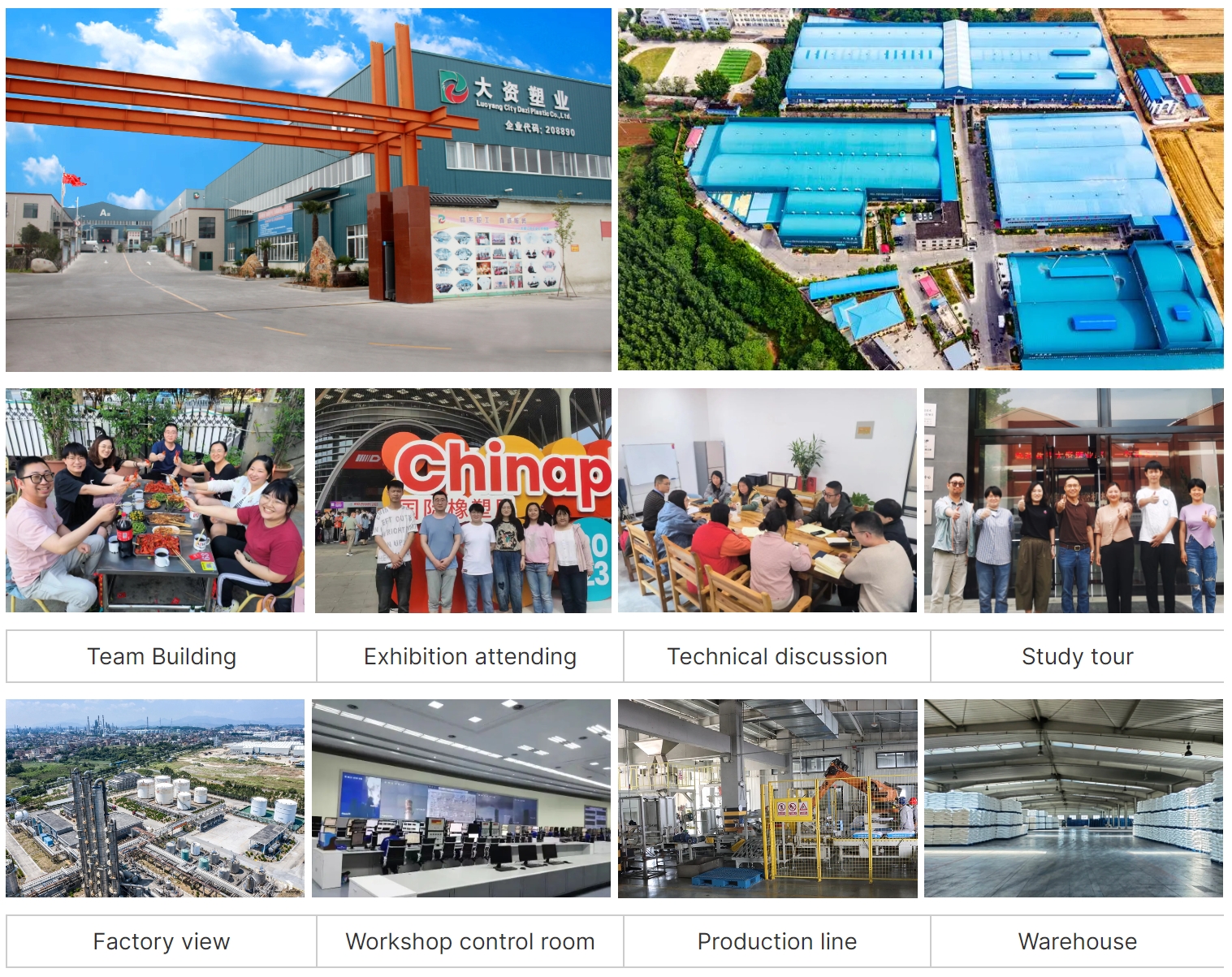


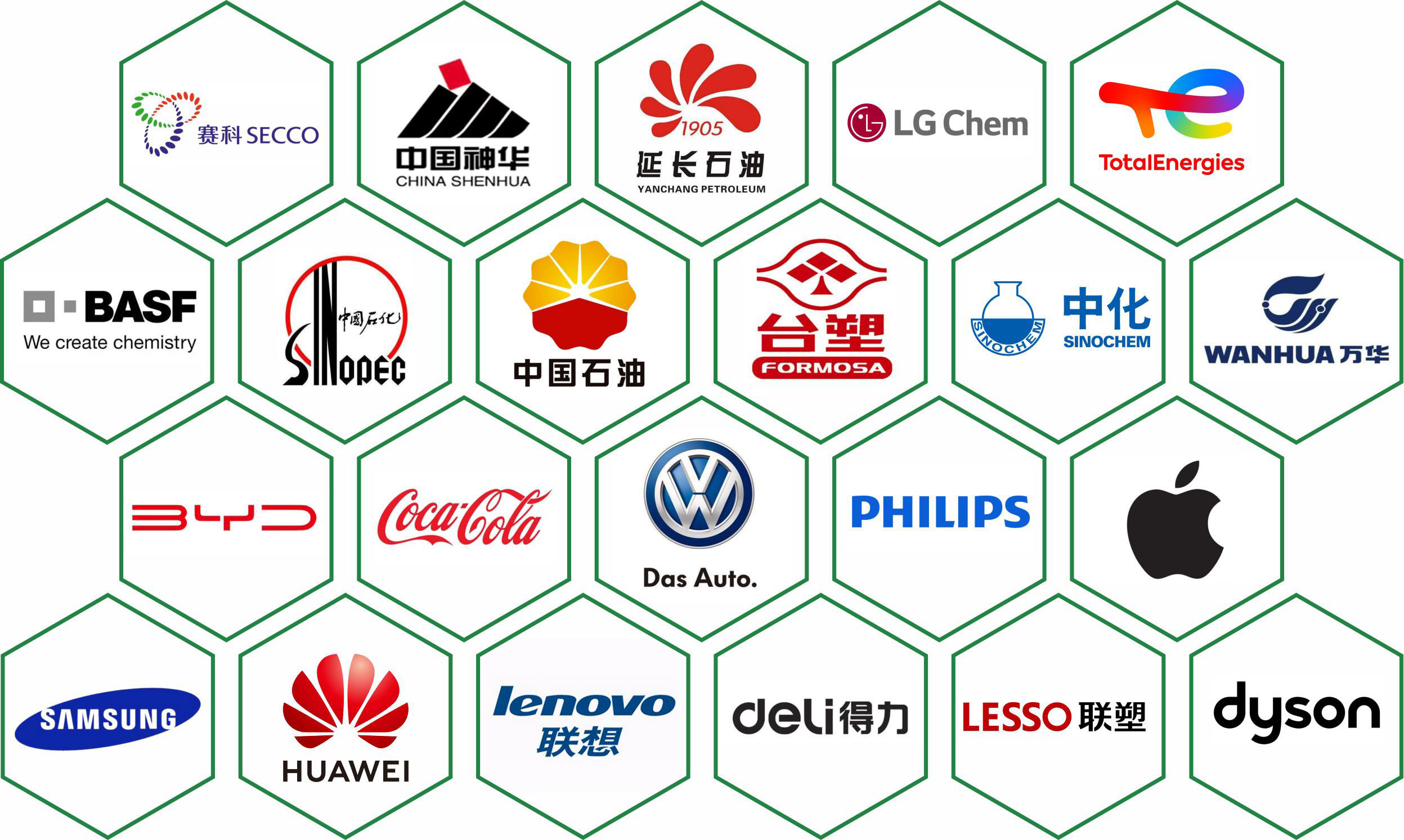
We have established long-term cooperative relations with more than 60+ well-known enterprises all over the world

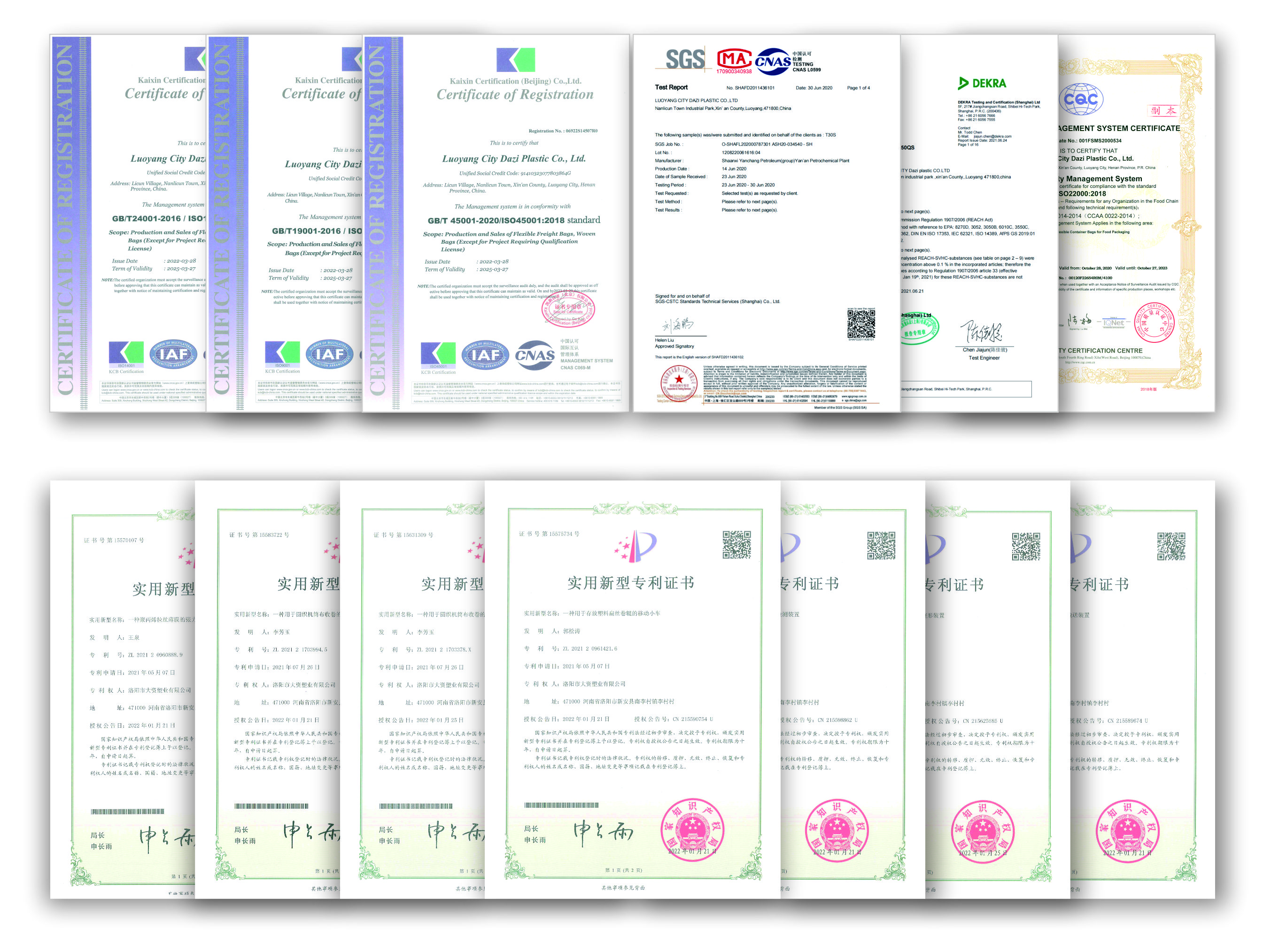
Our company has 12 certifications and 57+ patents.
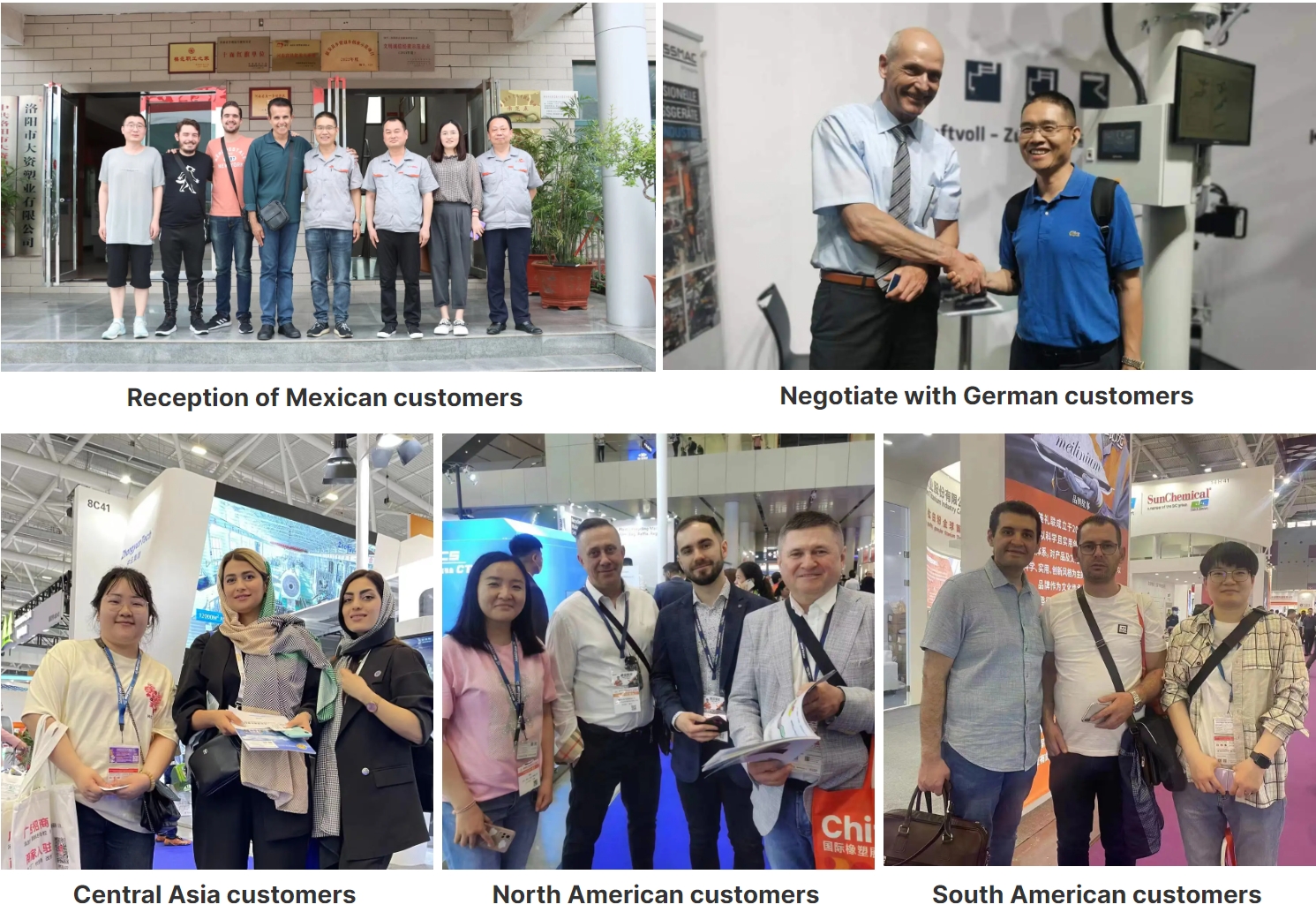
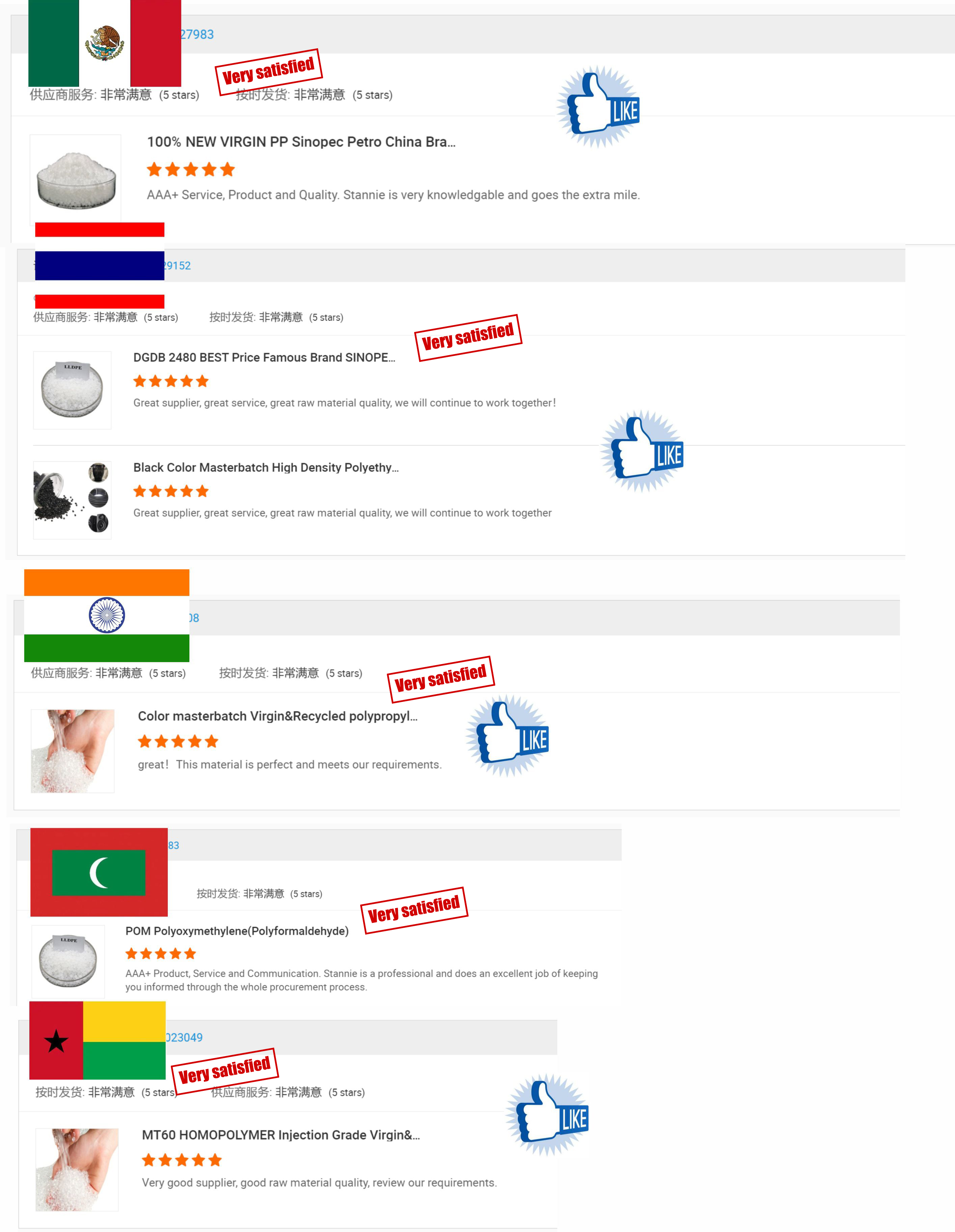

23 years' experience Professional purchasing consultant with a supply chain of 1200+ plastic raw materials in China.