Análisis de rendimiento de resina PS: diferencias entre GPPS y HIPS y consejos prácticos de aplicación
2026-09-07 09:17:36
Polystyrene (PS) resin is one of the most cost-effective and widely applied amorphous thermoplastics in consumer manufacturing, packaging and electronic component industries. Its excellent moldability, stable dimensional accuracy and low production cost make it irreplaceable in high-volume lightweight plastic production. Industrial PS materials are mainly divided into two core grades: General Purpose Polystyrene (GPPS) and High-Impact Polystyrene (HIPS). Although both belong to the polystyrene matrix system, their molecular structure, mechanical behavior, optical properties and processing adaptability differ significantly. Many manufacturers encounter common production problems such as product brittleness, surface gloss loss, cracking after assembly and defective batch consistency due to incorrect PS grade selection. This article conducts an in-depth performance comparison of GPPS and HIPS, analyzes their essential structural differences, and summarizes practical industrial application and processing tips for precise material matching.
Essential Structural Differences Between GPPS and HIPS
The performance gap between GPPS and HIPS originates from fundamental molecular composition and phase structure differences, rather than simple formula adjustments. GPPS is pure unmodified polystyrene with a single homogeneous amorphous structure. Its regular molecular chain arrangement delivers high rigidity and ultra-high surface smoothness but lacks flexible buffer structures, resulting in typical brittle material characteristics.
HIPS is a rubber-toughened modified polystyrene. During polymerization, 5%–10% polybutadiene rubber components are uniformly dispersed into the PS matrix to form a microscopic dual-phase structure. The rubber micro-domains act as stress buffer points and crack terminators under external impact, effectively absorbing fracture energy. This structural modification fundamentally solves the brittleness defect of pure PS while retaining most of the original processing advantages of polystyrene, forming a unique balance of rigidity and toughness.
Comprehensive Performance Comparison of GPPS and HIPS
1. Optical and Surface Performance
GPPS features outstanding glass-like transparency, high light transmittance and excellent surface gloss. Its uniform single-phase structure avoids internal light scattering, enabling crystal-clear appearance without secondary polishing. This makes GPPS the preferred material for aesthetic-focused transparent plastic parts. In contrast, the internal rubber particles of HIPS cause light refraction and scattering, resulting in opaque or milky white appearance with reduced surface gloss. Although HIPS can be color-matched into various bright colors, it cannot achieve transparent visual effects, forming a clear boundary of application scenarios with GPPS.
2. Mechanical Strength and Failure Characteristics
GPPS boasts higher tensile rigidity, hardness and compressive strength. It maintains stable dimensional accuracy under static load and is not prone to deformation. However, its fatal weakness is low impact resistance and poor ductility. Under external impact, bending stress or slight drop collision, GPPS products easily produce sharp brittle fractures and crack expansion, with almost no deformation buffer process.
HIPS sacrifices partial rigidity and surface hardness in exchange for significantly improved toughness and fatigue resistance. Its impact strength is nearly 6–7 times higher than that of ordinary GPPS. When subjected to external force, HIPS undergoes ductile deformation first to absorb stress energy, avoiding sudden fracture. It also performs better in resisting repeated cyclic stress and assembly extrusion, effectively solving cracking problems during product assembly, transportation and daily use.
3. Dimensional Stability and Processing Shrinkage
Both GPPS and HIPS have low molding shrinkage and excellent dimensional repeatability, suitable for precision small parts and structural components. GPPS has more stable molecular structure, smaller shrinkage fluctuation and higher dimensional tolerance accuracy, making it more suitable for high-precision transparent structural parts. HIPS has slight shrinkage difference due to internal rubber phase distribution, with slightly lower precision than GPPS, but its anti-deformation ability after molding is stronger, and it is not easy to warp under long-term ambient temperature changes.
4. Chemical Resistance and Aging Performance
GPPS and HIPS share similar chemical resistance characteristics, resisting water, neutral aqueous solutions and most inorganic salts. However, both are susceptible to corrosion by organic solvents such as alcohol, acetone and banana oil, prone to surface cracking and dissolution. In terms of aging resistance, HIPS has better low-temperature toughness and anti-fatigue aging performance, while GPPS is more likely to become brittle and crack in low-temperature environments after long-term use.
Scenario-Based Application Selection Rules
Preferred Application Scenarios for GPPS
GPPS is fully applicable to scenarios prioritizing transparency, high gloss, precise size and static structural stability without frequent impact load. Typical products include transparent cosmetic packaging boxes, lighting lamp covers, instrument display panels, transparent food containers, laboratory plastic utensils and high-gloss decorative parts. For products requiring surface printing, spraying and vacuum plating, GPPS’s smooth and flat surface can provide higher coating adhesion and more delicate decorative effects.
Preferred Application Scenarios for HIPS
HIPS is targeted at durable parts that need to withstand impact, assembly stress and long-term cyclic use. It is widely used in household appliance structural shells, refrigerator inner liners, electronic equipment housings, toy accessories, industrial thick-wall trays and transportation turnover packaging. For products that inevitably encounter extrusion, vibration and drop impact during logistics and use, HIPS can effectively reduce defective rates and extend service life.
Mixed Matching Application Skills
Many mature manufacturers adopt combined GPPS and HIPS design in integrated products to balance appearance and durability. For example, use GPPS for transparent decorative covers and display panels, and match HIPS for internal support structures and bottom shells. This hybrid solution ensures high-end transparent appearance of products while improving overall structural toughness, avoiding overall product scrapping caused by local impact damage, realizing optimal balance of product performance and cost.
Practical Processing and Production Tips for GPPS & HIPS
1. Injection Molding Parameter Differentiation
GPPS requires strict temperature control to ensure transparency and gloss. Excessively high temperature will cause material yellowing and reduced transparency, while low temperature will lead to insufficient filling and surface flow marks. Appropriately increasing injection speed can improve surface finish without causing material degradation.
HIPS has a wider processing temperature window and better fluidity stability. During production, appropriately increasing holding pressure can reduce internal shrinkage cavities and improve structural compactness. Since HIPS contains rubber components, excessive shear force should be avoided to prevent rubber phase decomposition and surface matte defects.
2. Defect Prevention and Quality Control
The most common defect of GPPS products is internal stress cracking. After injection molding, transparent GPPS parts need reasonable annealing treatment to release residual stress and prevent delayed cracking after assembly and use. For HIPS products, attention should be paid to uniform rubber particle dispersion to avoid local toughness inconsistency leading to partial cracking of finished products.
3. Recycling and Reprocessing Notes
Both GPPS and HIPS support recycling and reprocessing. Recycled GPPS is prone to reduced transparency and increased brittleness, so it is mostly used for non-transparent auxiliary parts after blending. Recycled HIPS retains better toughness stability and is more suitable for secondary processing of structural parts. Strict material sorting is required in recycling production to avoid cross-mixing of GPPS and HIPS, which will cause unstable product performance and fluctuating surface quality.
4. Assembly and Structural Design Optimization
For GPPS brittle parts, structural design should avoid right-angle stress concentration and excessive tight assembly interference to prevent instantaneous cracking during assembly. HIPS parts can be designed with flexible snap-fit structures due to their good toughness and fatigue resistance, suitable for detachable assembly structural design, improving product assembly efficiency and connection stability.
Cost-Performance Selection Strategy
In terms of raw material cost, GPPS has a slight price advantage and is more suitable for high-volume single-use transparent disposable products. HIPS has a moderate premium but brings significant durability improvement, greatly reducing after-sales damage and replacement costs for durable products. Manufacturers should avoid blind material substitution: replacing GPPS with HIPS for full appearance parts will cause transparency waste, while replacing HIPS with GPPS for structural stress parts will lead to high defective rate and hidden quality risks.
Conclusion
GPPS and HIPS are two complementary core grades of polystyrene resin, with essential differences in microscopic structure, optical performance and mechanical toughness. GPPS focuses on high transparency, high gloss and precise dimensional stability for aesthetic and transparent functional parts, while HIPS relies on rubber toughening modification to achieve excellent impact resistance and fatigue durability for structural and durable components. Mastering their performance differences and targeted processing and selection skills can help plastic manufacturers effectively avoid production defects, optimize product structural design, balance quality and cost, and maximize the application value of PS resin in industrial mass production.




We have established long-term cooperative relations with more than 60+ well-known enterprises all over the world

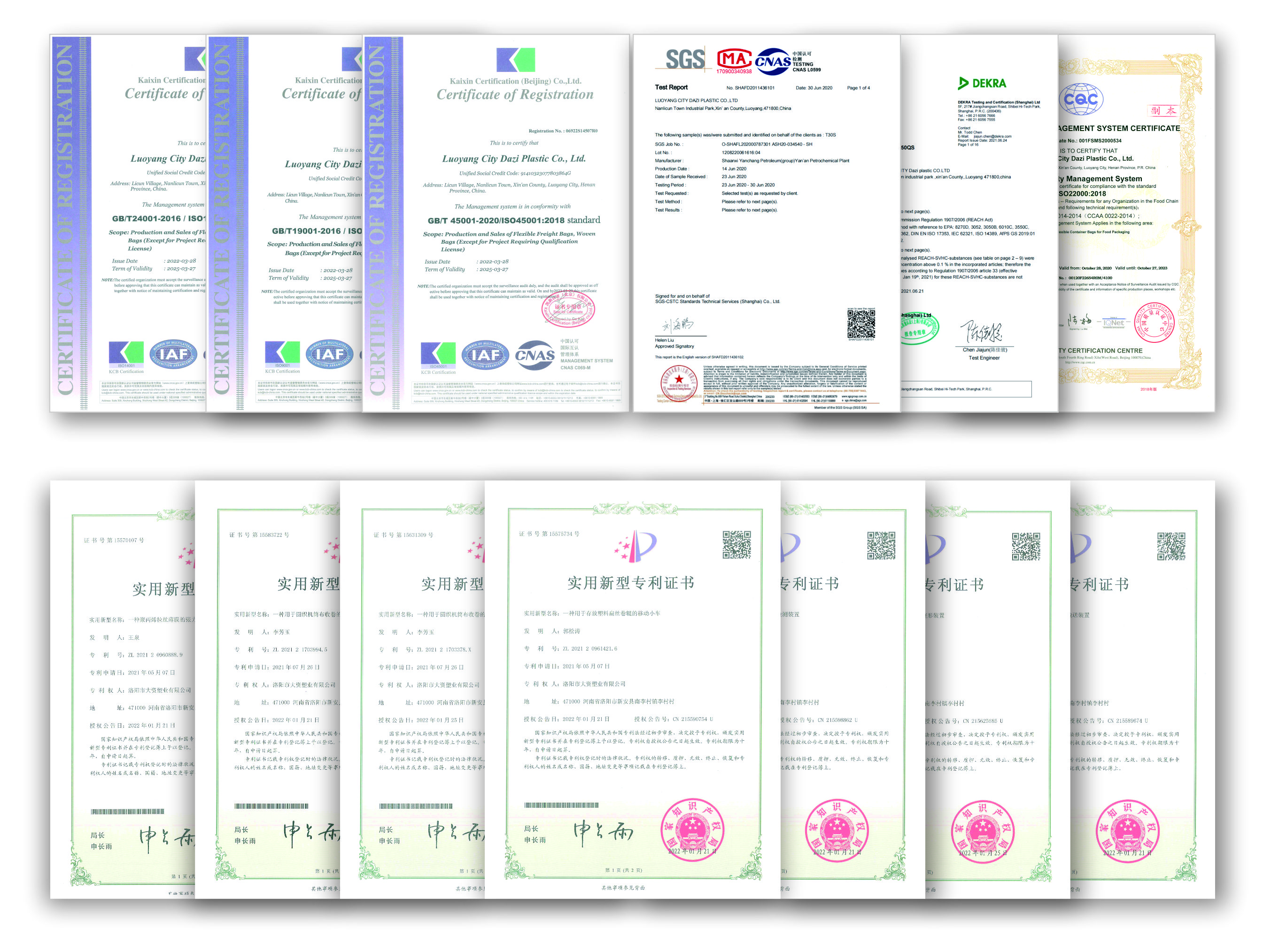
Our company has 12 certifications and 57+ patents.
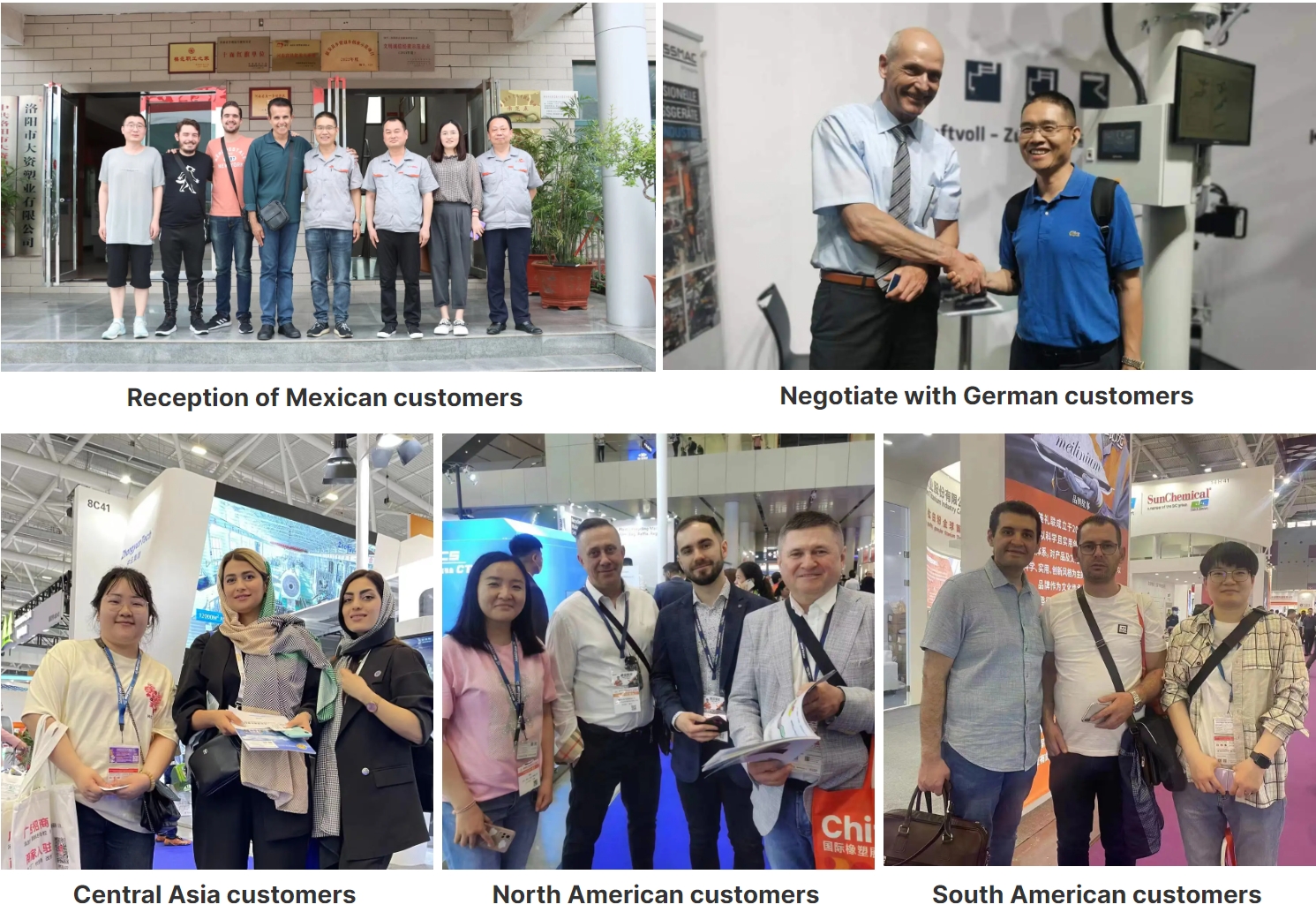
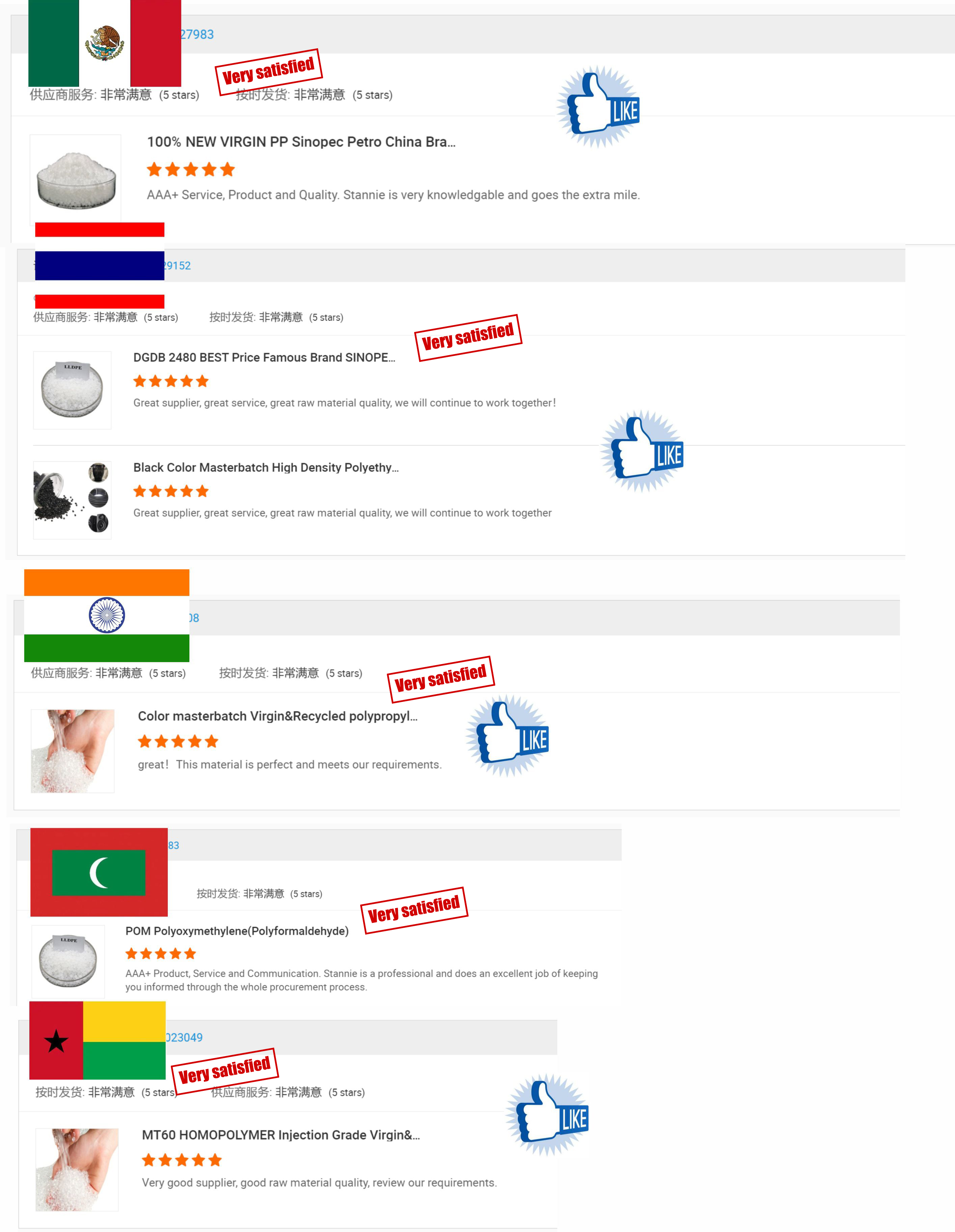

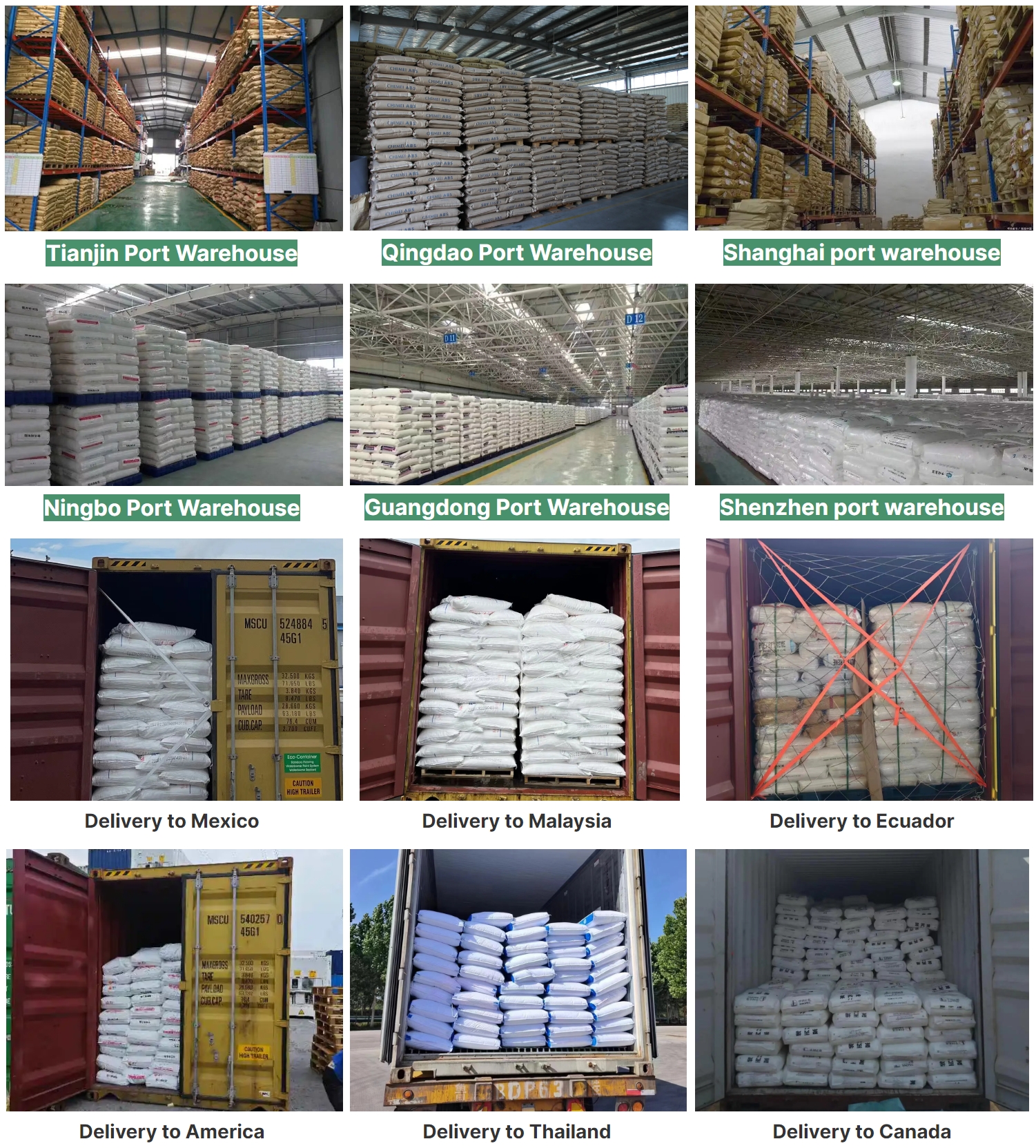
23 years' experience Professional purchasing consultant with a supply chain of 1200+ plastic raw materials in China.