Principales diferencias entre resinas LDPE y HDPE para la producción de película de embalaje
2026-10-09 13:49:33
Polyethylene resins dominate the global packaging film industry due to their excellent processability, chemical inertness and cost-efficiency. Among all PE variants, LDPE (Low-Density Polyethylene) and HDPE (High-Density Polyethylene) are the two most widely used base materials for blown film and cast film production. Although both belong to the polyethylene family, their molecular architecture, crystallization behavior and film-forming characteristics differ drastically. These fundamental differences lead to distinct mechanical performance, optical properties, barrier effects and processing window ranges, determining final packaging applicability, production yield and product grade. For film manufacturers, clearly distinguishing LDPE and HDPE resin differences for packaging film production is the core prerequisite for precise material selection, formula optimization and customized packaging solutions.
Fundamental Molecular & Structural Differences That Define Film Performance
The essential gap between LDPE and HDPE originates from polymerization mechanisms and molecular chain arrangement, which governs all subsequent film properties. LDPE is produced via high-pressure free-radical polymerization, forming abundant long and short branched chains on molecular backbones. These irregular branches prevent tight molecular stacking, resulting in low density (0.910–0.940 g/cm³) and low crystallinity. The loose molecular structure endows LDPE films with inherent flexibility, ductility and high transparency.
In contrast, HDPE adopts low-pressure catalytic polymerization with linear molecular chains and minimal branching. The neat and orderly chain arrangement enables tight molecular packing and high crystallinity, pushing its density to 0.941–0.965 g/cm³. This compact crystalline structure gives HDPE films outstanding rigidity, tensile strength and structural stability, while sacrificing partial flexibility and optical clarity. This structural divergence is the root cause of their completely different packaging film characteristics and processing logic.
Processing Performance Differences in Blown & Cast Film Production
LDPE: Wide Processing Window for Flexible Film Molding
LDPE resin features stable melt fluidity, low melt tension and excellent ductility during high-temperature plasticization. It adapts to a broader temperature and speed range in blown film production, with low risk of film bubble rupture, uneven thickness and edge warping. Its good melt stretchability supports ultra-thin film molding and uniform thickness control, making it highly friendly for high-speed continuous film line production. In addition, LDPE exhibits excellent thermoplastic ductility, ensuring smooth winding, slitting and post-processing without brittle cracking during secondary stretching.
HDPE: Precise Parameter Control for High-Strength Film Forming
HDPE has higher melt rigidity and faster crystallization speed after exiting the die. Its melt tension is stronger, which helps maintain film bubble stability for medium and thick film production. However, the narrow processing window requires stricter control over extrusion temperature, screw speed and air cooling volume. Improper parameters easily lead to internal stress concentration, uneven film shrinkage and surface texture defects. HDPE films require matched rapid cooling systems to balance crystallization speed, ensuring flat film surface and stable dimensional tolerance after molding.
Terminal Packaging Film Property Comparison
Optical Appearance & Surface Texture
LDPE films deliver superior gloss, high light transmittance and low haze value. The uniform amorphous region structure eliminates crystal spots and fish eyes, presenting transparent and smooth surface effects. This excellent optical performance makes LDPE the preferred material for transparent display packaging, retail packaging and food packaging requiring product visibility.
HDPE films show obvious semi-opaque milky white appearance with relatively low surface gloss due to high crystallinity. Its dense crystal structure enhances texture layering, forming a unique paper-like touch. Although lacking high transparency, it provides better light-shielding performance, suitable for light-sensitive product packaging that requires UV and light barrier protection.
Mechanical Strength, Flexibility & Puncture Resistance
LDPE films are soft and highly flexible with excellent elongation at break, able to fit irregular product surfaces tightly without cracking. However, its tensile strength and puncture resistance are relatively weak, making it prone to stretching and deformation under heavy load. It is suitable for light-duty flexible packaging scenarios that prioritize conformability over bearing capacity.
HDPE films boast remarkable tensile strength, stiffness and tear resistance. The compact molecular structure provides strong structural support, resisting stretching, puncture and impact damage. Even under thin-wall design, HDPE films maintain stable dimensional rigidity, ideal for heavy-duty packaging, load-bearing lining films and industrial protective films that require high mechanical stability.
Barrier & Environmental Resistance Performance
Both LDPE and HDPE have excellent moisture barrier properties, yet HDPE performs better in water vapor isolation due to higher density and tighter molecular arrangement, effectively blocking external moisture penetration and protecting hygroscopic contents. In terms of chemical resistance, HDPE films show stronger tolerance to acid, alkali, grease and daily chemical corrosion, not easily swelling or decomposing when contacting industrial reagents and oily substances.
LDPE features better low-temperature resistance, remaining soft and tough in cold environments without brittle failure, making it suitable for cold-chain food packaging. HDPE has higher heat resistance and structural stability under medium-temperature conditions, supporting higher-temperature packaging and sterilization scenarios compared with LDPE.
Heat Sealing & Printing Adaptability Differences
Heat sealing is a critical process for finished packaging bags. LDPE has lower heat-sealing temperature threshold and wider sealing range, with fast melting and bonding speed. It forms uniform and firm sealing lines without easy cracking, delivering excellent hot tack performance, which is suitable for high-speed automatic bag making machines.
HDPE requires higher heat-sealing temperature and stricter parameter matching. Its fast crystallization speed may cause uneven sealing lines and weak bonding if temperature and pressure are unstable. However, HDPE’s high surface tension stability enables better printing ink adhesion after surface treatment, presenting clearer printing patterns and stronger wear resistance of printed layers.
Typical Application Scenario Division
Based on performance and processing differences, LDPE and HDPE have clear segmentation in packaging film applications:
-
LDPE Packaging Films: Transparent food packaging bags, fresh-keeping films, cosmetic outer packaging, flexible shrink films, low-temperature cold-chain packaging and high-speed heat-sealing daily packaging bags, focusing on transparency, flexibility and sealing efficiency.
-
HDPE Packaging Films: Industrial heavy-duty lining films, shopping bags, paper-like packaging films, light-shielding chemical packaging, agricultural mulch films and durable storage packaging, focusing on strength, barrier property and structural durability.
Compound Application & Production Optimization Value
Many high-end packaging film manufacturers adopt LDPE and HDPE blending modification to balance comprehensive performance. A reasonable LDPE/HDPE formula can integrate LDPE’s flexibility, transparency and good heat-sealing performance with HDPE’s rigidity and barrier strength, producing composite films with balanced toughness and stiffness. This blending technology effectively solves the single-performance limitation of single resin and expands the application range of polyethylene packaging films.
In actual production, accurate resin selection can greatly reduce defective rates. Using LDPE for flexible transparent packaging avoids rigid cracking defects, while applying HDPE for heavy-duty packaging eliminates stretching and breaking risks, helping manufacturers optimize formula costs and improve finished product qualification rate.
Conclusion
The core differences between LDPE and HDPE resin for packaging film production stem from molecular branching and crystallinity, further extending to processing adaptability, optical performance, mechanical strength and functional barrier characteristics. LDPE is the optimal choice for flexible, transparent and high-efficiency heat-sealing packaging films, while HDPE dominates high-strength, moisture-proof, light-shielding and heavy-duty packaging scenarios. Mastering their performance differences and application boundaries enables film manufacturers to achieve precise material matching, stabilize production quality and develop differentiated high-value packaging film products.


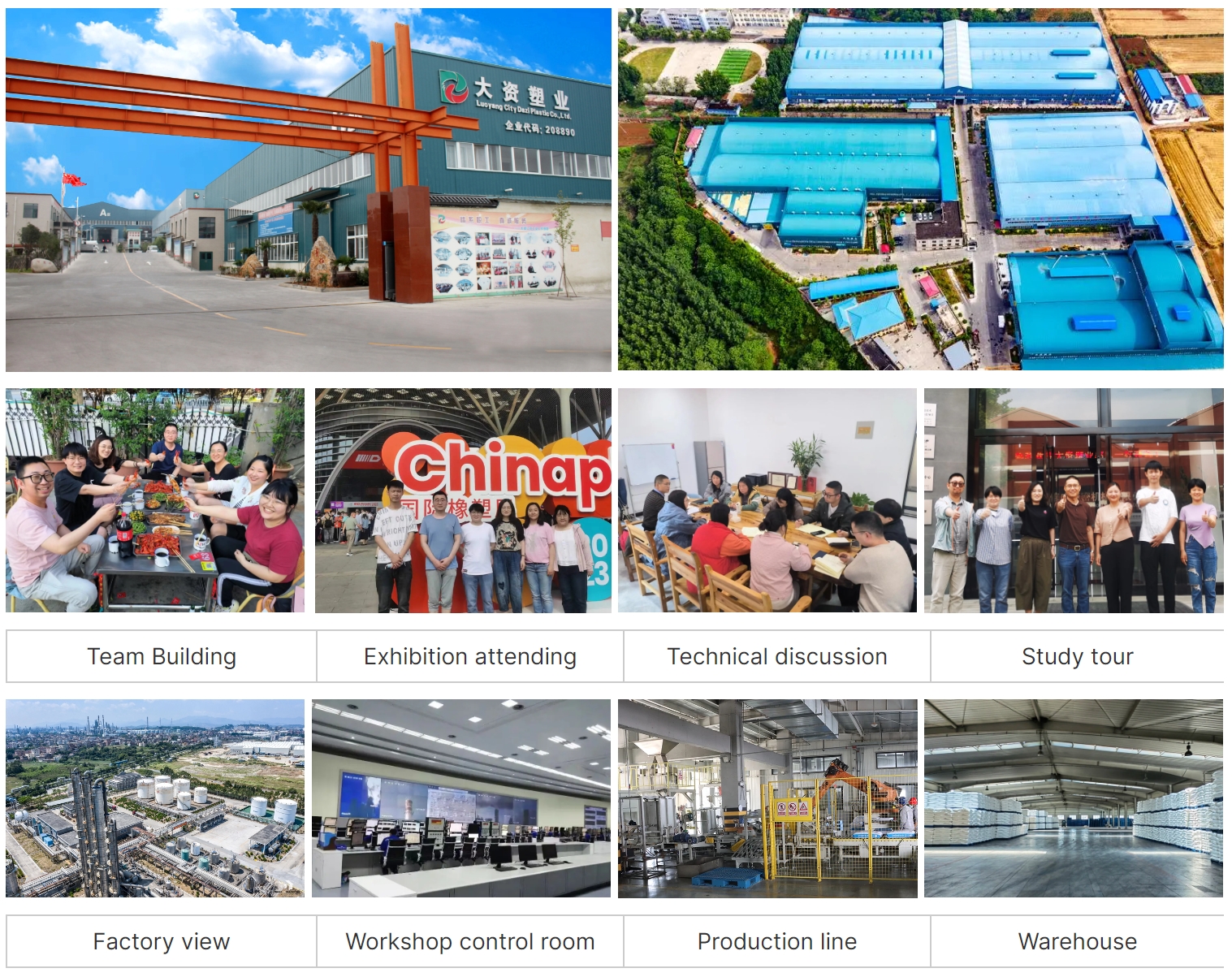


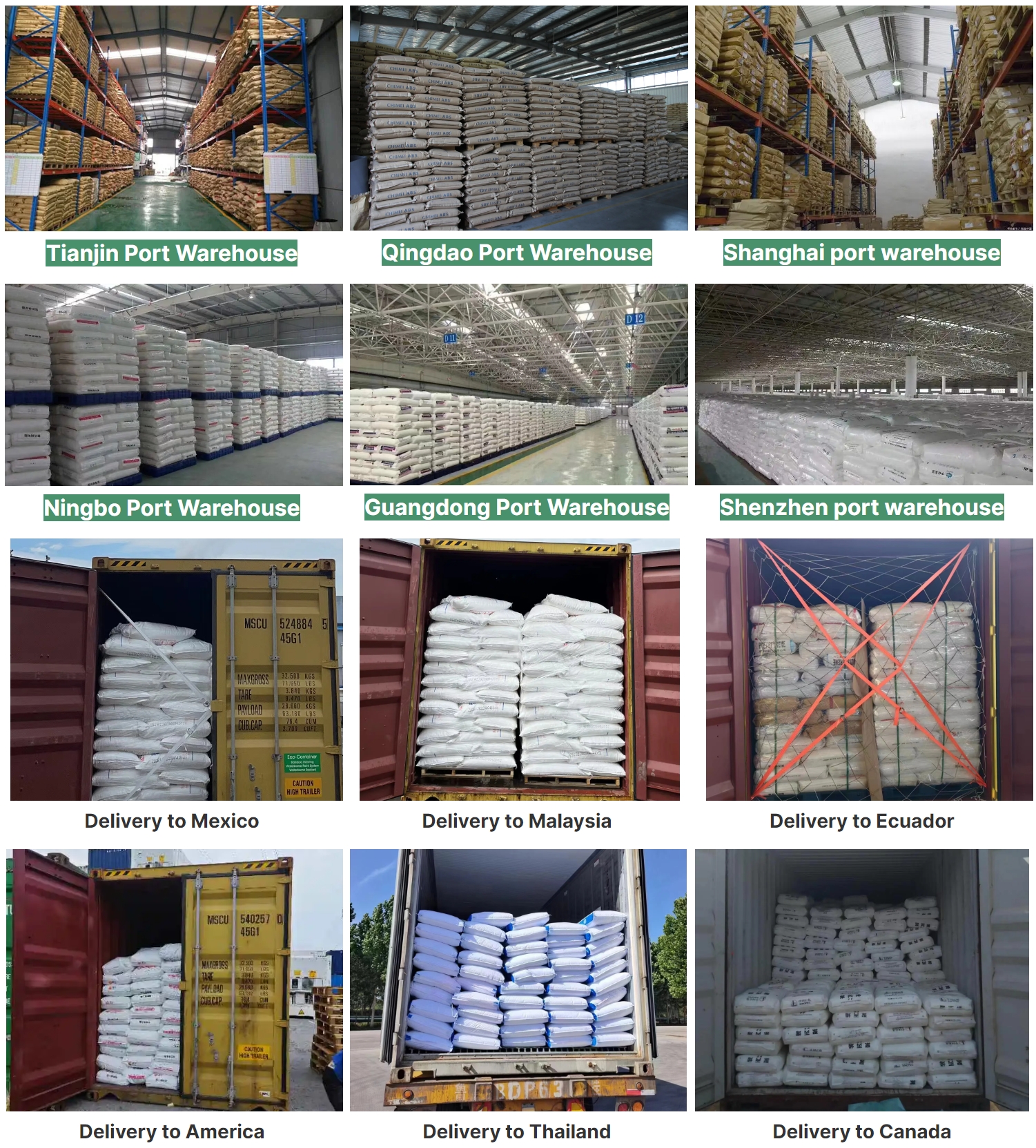
We have established long-term cooperative relations with more than 60+ well-known enterprises all over the world

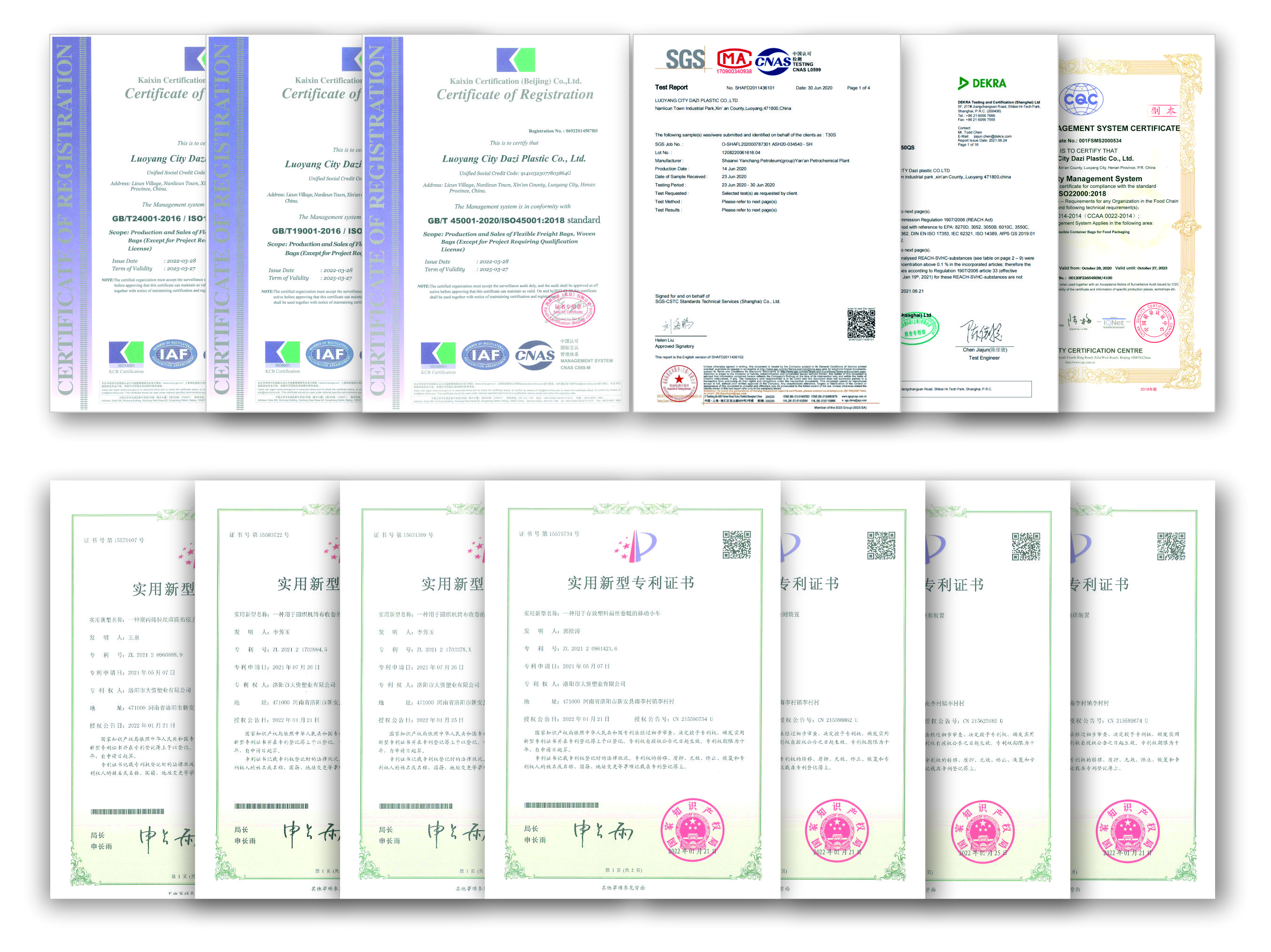
Our company has 12 certifications and 57+ patents.
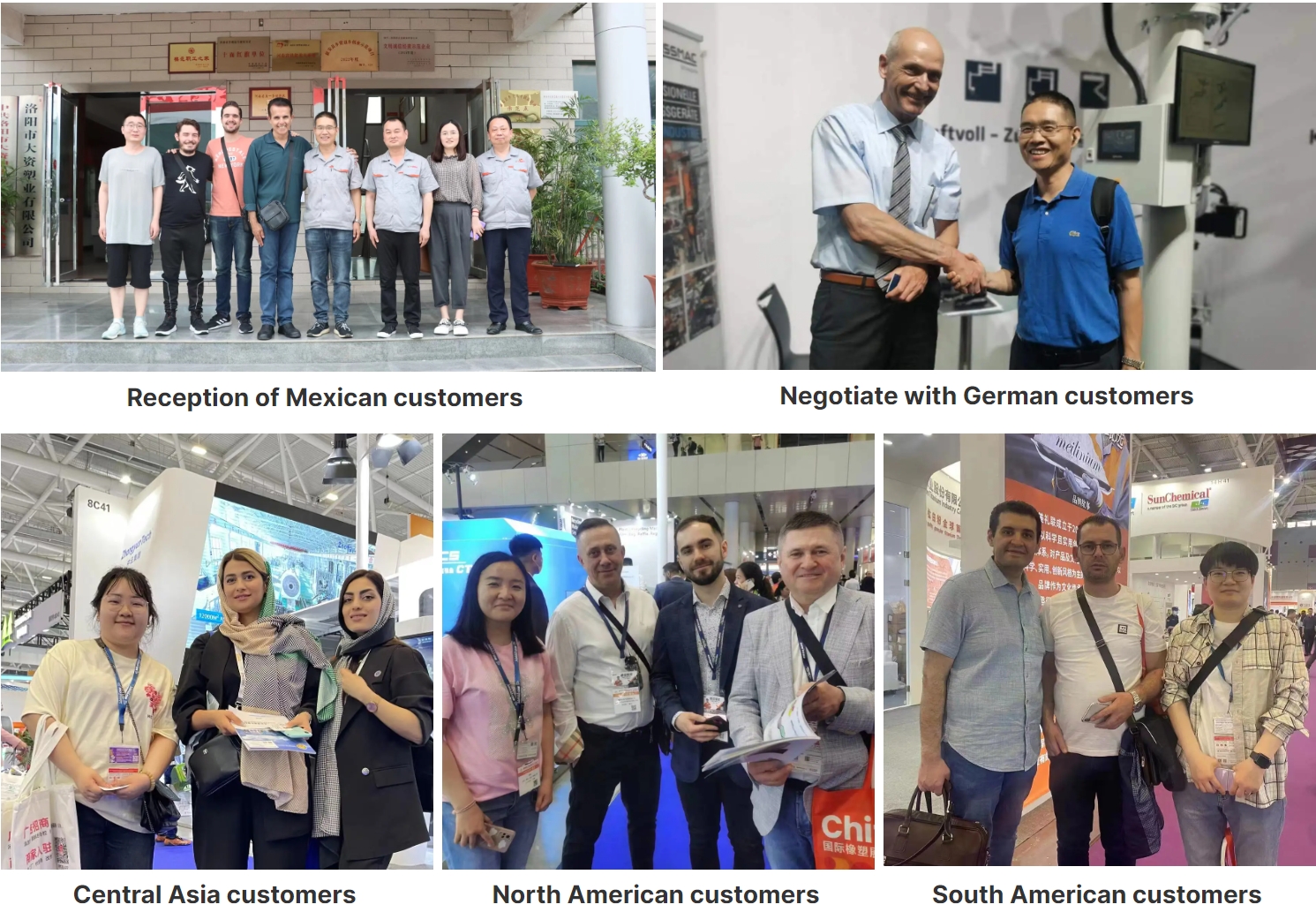
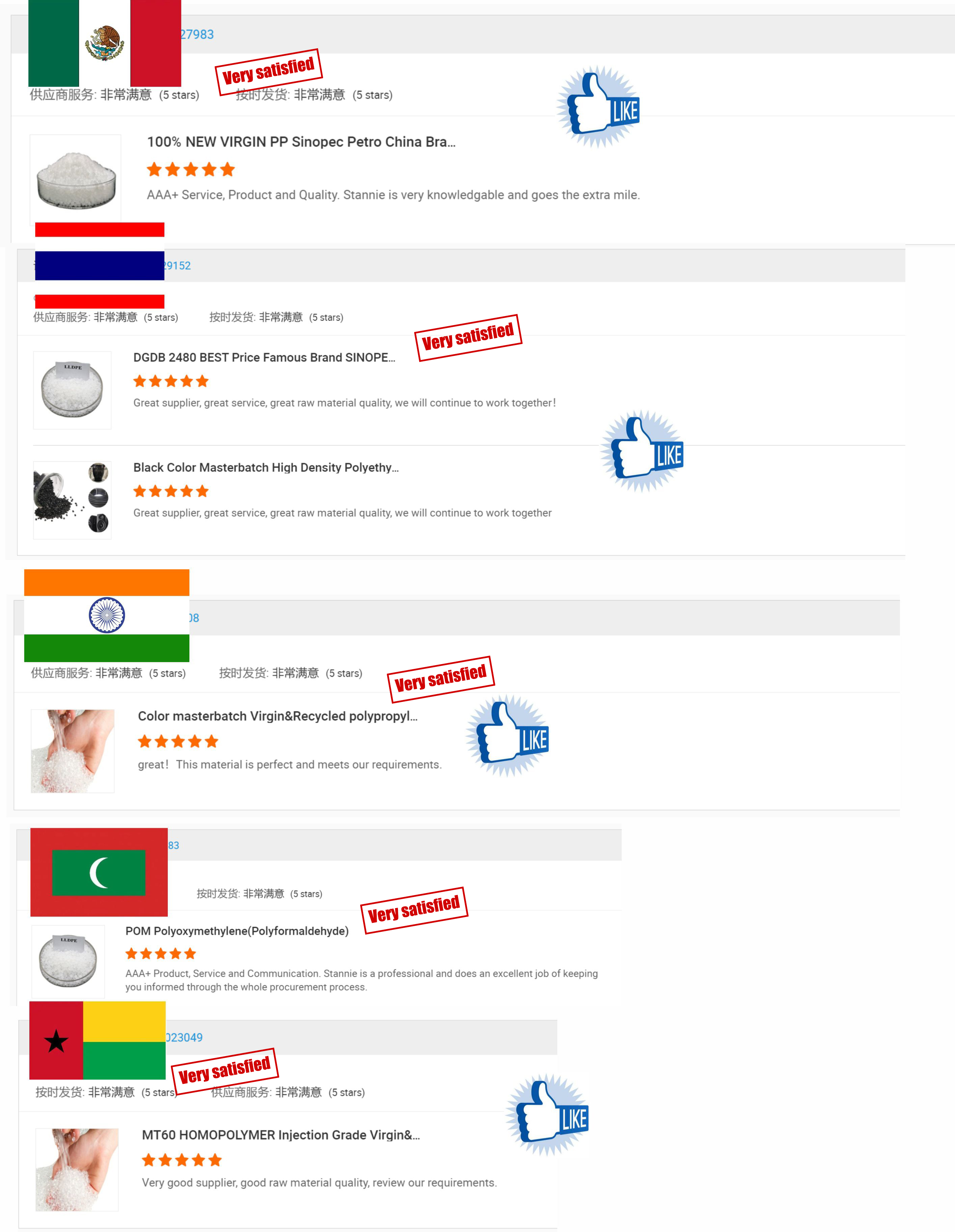

23 years' experience Professional purchasing consultant with a supply chain of 1200+ plastic raw materials in China.