Resina PET de grado alimenticio con bajo contenido de AA, materia prima preferida para botellas de agua potable y empaques alimentarios
2026-11-09 15:54:03
The Specification Nobody Writes Down: Taste
Water should have no taste. That is precisely why bottlers hold PET resin to a limit that never appears on a drawing — acetaldehyde, or AA. It is a trace compound the polymer itself produces, invisible on a datasheet's mechanical properties, yet capable of turning a neutral bottle of water into something a consumer describes as sweet, fruity or simply wrong. Food grade PET resin with a low AA specification is engineered around this invisible requirement: not just chemically compliant, but sensorially neutral across a shelf life. This article examines where AA comes from, how it is measured, and why drinking water bottles and food packaging place different demands on the same resin.
Why AA Matters More Than Its Concentration Suggests
The analytical numbers involved are tiny — measured in parts per million or even micrograms per kilogram of polymer. The sensory consequence is not tiny at all.
A Low Sensory Threshold
Human perception is remarkably sensitive to acetaldehyde, a characteristic fruity, green-apple-like odor. Because water carries no flavor of its own to mask it, even a small amount migrating into still water is detectable, and trained sensory panels can flag levels that analytical screening might consider acceptable. For bottled water, AA is not an impurity question but a taste question — and taste is the product.
The Fear of Fruity Water
Consumers do not file technical complaints when water tastes off. They stop buying. That makes AA one of the few resin properties with a direct commercial consequence: a single fruity-tasting batch can damage a brand's credibility far beyond the value of the resin that caused it. Low AA resin exists to remove that risk from the supply chain.
Where AA Actually Comes From
Acetaldehyde is not a contaminant added to PET; it is a by-product of how the polymer is made and formed. Understanding the map is what allows buyers to specify intelligently.
-
Polymerization residue: the base resin leaves the reactor with residual AA; a low-AA grade is built by controlling this from the start, not by masking it later.
-
Drying and melting: PET is hygroscopic and must be dried; incorrect drying and excessive melt temperature generate additional AA on the way to the preform.
-
Preform and blow molding: high melt temperatures and long residence times in the extruder convert more polymer into AA, which is then trapped in the preform.
-
Storage and transport: residual AA migrates through the bottle wall over time; warm storage accelerates it.
The important consequence: a low-AA resin can be ruined by aggressive processing, and a mediocre resin cannot be rescued by careful processing. Both the material specification and the process discipline have to be right.
Measuring AA: The Evidence Buyers Should Ask For
AA is normally measured by headspace gas chromatography, either on resin pellets or on the finished bottle after a controlled conditioning period. What matters is that the test is performed consistently — same sample preparation, same conditioning time, same detection method — so results are comparable batch to batch and supplier to supplier.
Buyers should request pellet-level AA data as a starting specification, plus finished-container test data where the application demands it. A supplier that reports only a generic "low AA" claim without test method and numeric results is not giving the buyer anything that can be audited or used in a specification.
Bottles Versus Food Packaging: Two Different Risk Profiles
|
Application
|
AA Risk Profile
|
Resin & Process Response
|
|---|---|---|
|
Still drinking water bottles
|
Highest sensitivity; no flavor to mask AA
|
Low-AA resin, low melt temperature, short residence time
|
|
Carbonated & flavored beverages
|
Masked by flavor and CO2, still noticeable
|
Controlled AA, standard low-AA grade
|
|
Thermoformed trays & lids
|
Additional heat history raises AA
|
Low-AA resin plus drying discipline
|
|
Hot-fill & heat-set containers
|
High thermal load during forming
|
AA-optimized grade, validated thermal profile
|
Water Bottles: Where the Specification Is Strictest
Still water is the least forgiving application. There is no CO2, no sugar, no flavor to distract the palate, and the product is often stored warm in distribution. That combination makes water bottlers the most demanding buyers of low-AA resin, and it also explains why they validate at the container level rather than only at the pellet level: a bottle that passes pellet tests can still fail a sensory panel if the blow-molding process adds AA.
Practical requirements for water bottles include low preform AA, controlled melt temperature in the injection unit, adequate but not excessive residence time, and cool, controlled storage before filling. Where mineral water is filled uncarbonated and unflavored, sensory validation of the finished bottle — not just the resin certificate — is the honest acceptance criterion.
Food Packaging: Compliance Plus Heat History
Food packaging broadens the requirement beyond taste. Trays, lids and containers must satisfy food-contact regulations while also surviving thermoforming, which re-melts the sheet and can regenerate AA. For these applications the low-AA property is necessary but not sufficient: the converter needs drying discipline, sheet temperature control and formed-part validation so that the finished article, not just the incoming resin, meets the sensory and regulatory bar. Where the packaging contacts fatty or acidic foods, migration compliance testing should accompany AA data rather than replace it.
Selection Checklist for Low-AA PET Buyers
-
Request numeric AA values with the test method, not a qualitative low-AA claim.
-
Confirm food-contact compliance for your market, including migration test data.
-
Match the grade to the application: still water, carbonated, thermoformed or hot-fill.
-
Verify intrinsic viscosity and other mechanical properties suit your forming process.
-
Ask for batch-to-batch AA consistency data across several deliveries.
-
Validate at the finished-article level, including sensory testing where taste is critical.
Conclusion
Low AA food grade PET resin answers a specification that never appears on a drawing yet decides whether a bottle of water tastes like water. Acetaldehyde originates in polymerization and grows through drying, melting and forming, so a low-AA grade must be paired with disciplined processing to stay low in the finished article. Drinking water bottles demand the strictest sensory performance, food packaging adds regulatory and thermal considerations, and only finished-article validation proves the result. Buyers who specify AA numerically, audit the test method and validate the final container get what the application actually needs: neutral packaging that stays neutral to the last bottle on the shelf.





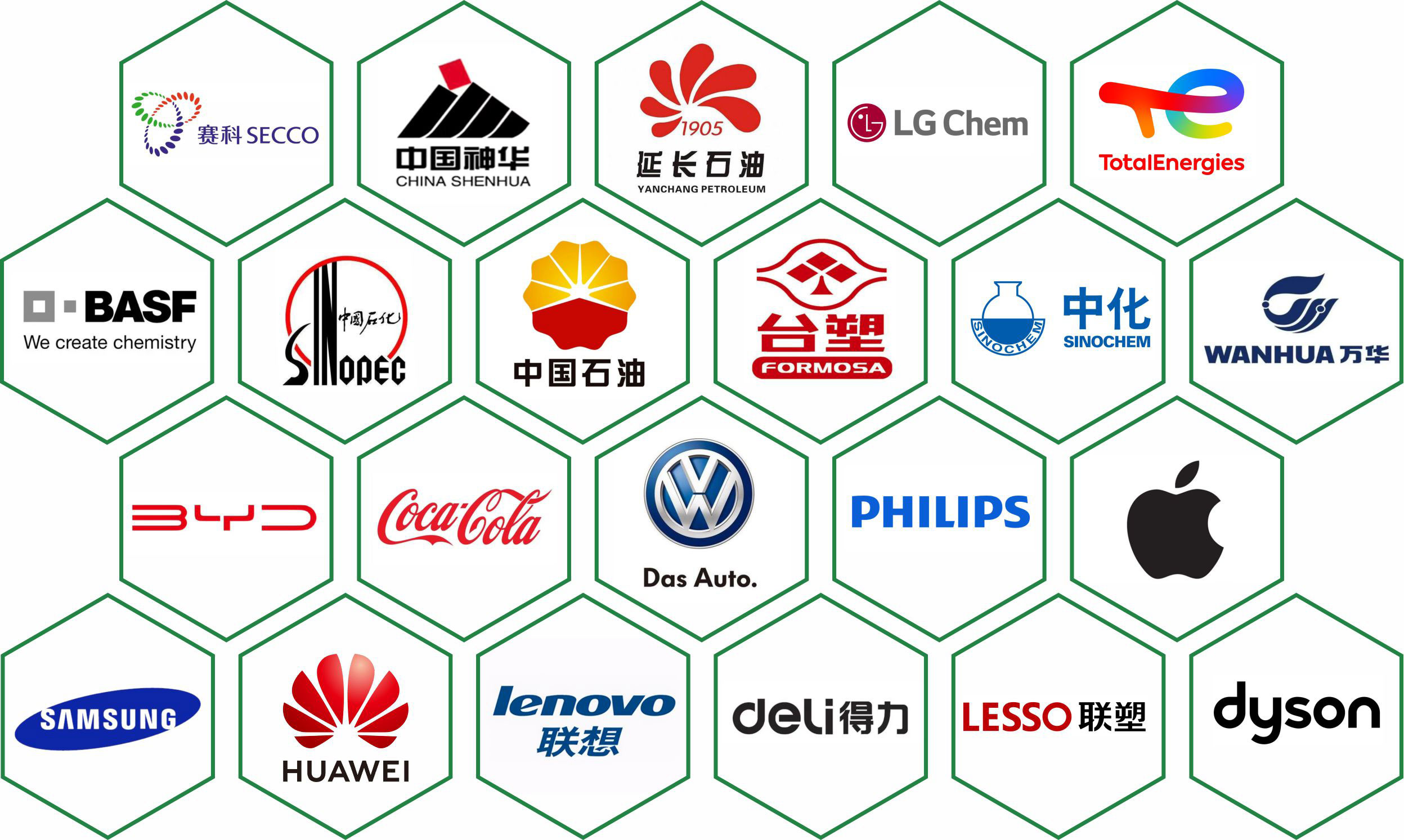
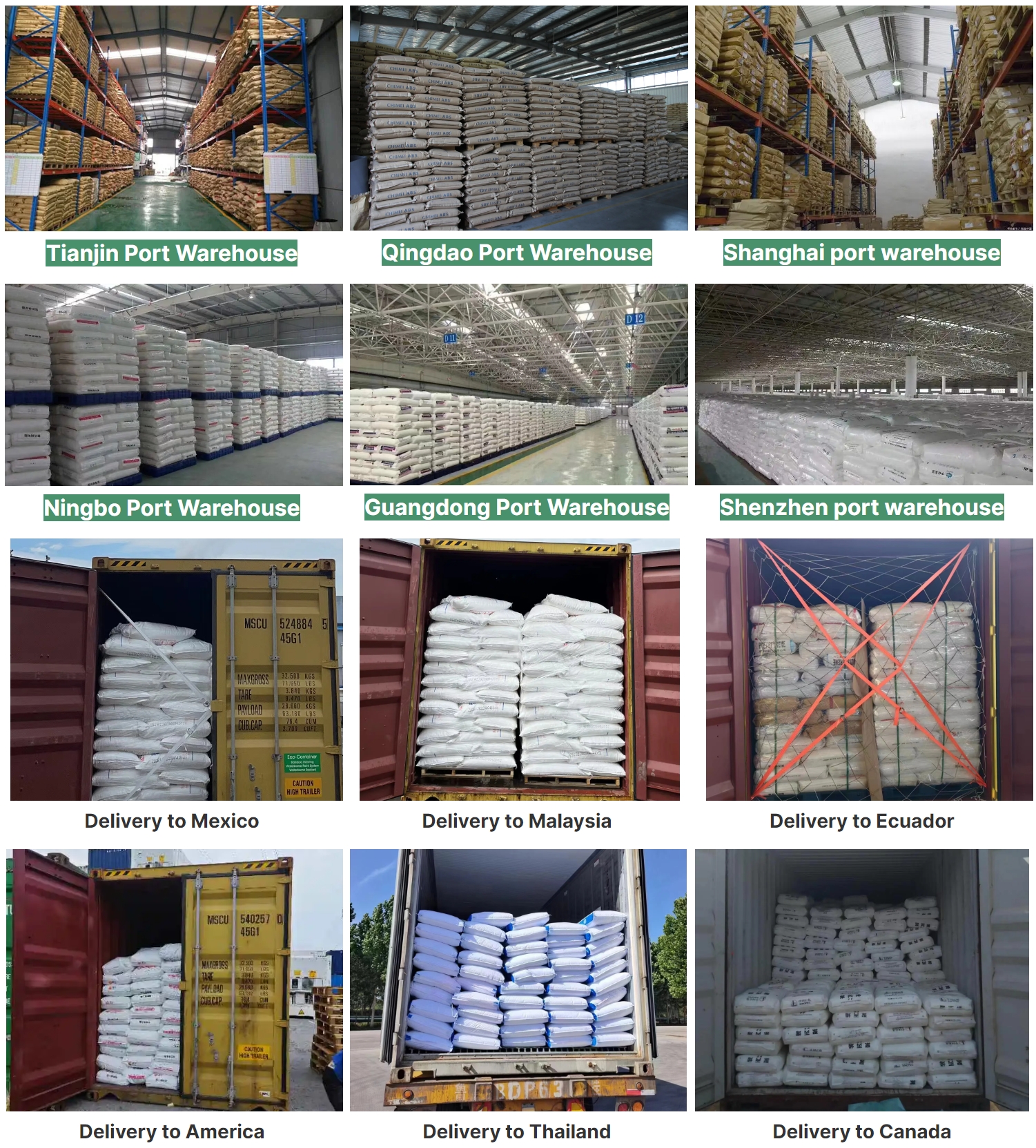
We have established long-term cooperative relations with more than 60+ well-known enterprises all over the world

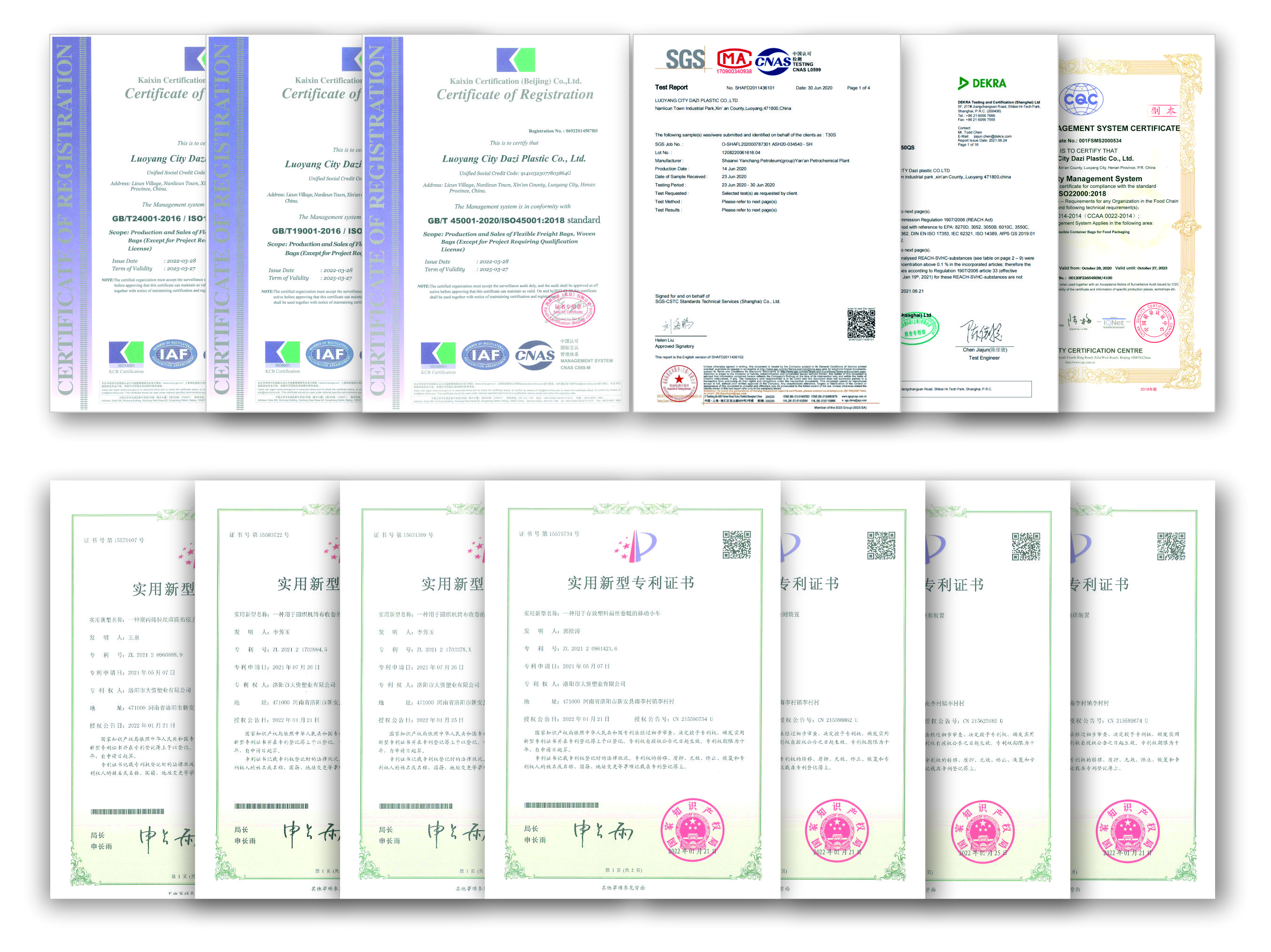
Our company has 12 certifications and 57+ patents.


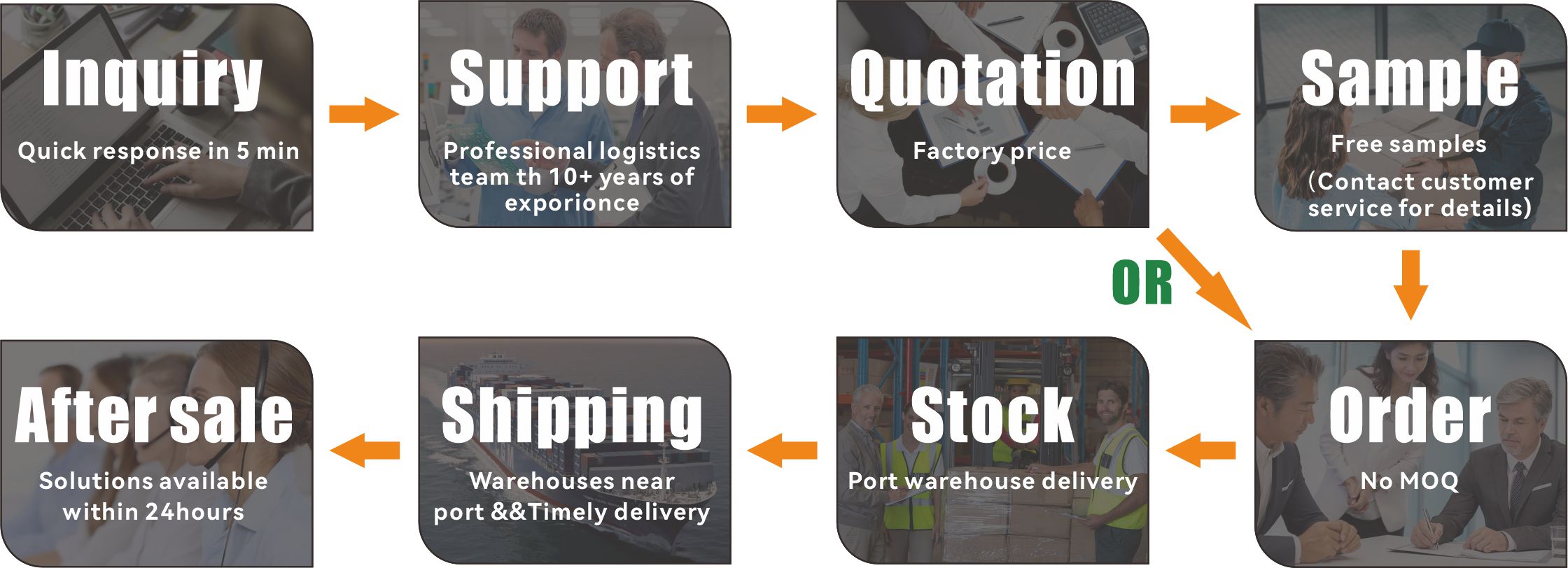
23 years' experience Professional purchasing consultant with a supply chain of 1200+ plastic raw materials in China.