Resina PVC SG8 de alto blancor, materia prima especial para película rígida y piezas de moldeo por inyección
2026-11-10 09:30:10
Whiteness Is Not a Pigment — It Is a Discipline
Adding white pigment to a resin makes it pale. It does not make it white. In PVC, whiteness is the visible signature of three invisible things: how clean the polymer is, how well it has been stripped of residual monomer, and how much thermal damage it has absorbed before and during processing. A high whiteness SG8 PVC resin is therefore not simply a light-colored powder — it is a resin whose production and stabilization are disciplined enough to arrive at the converter white, and to stay white through calendering or injection. This article explains what whiteness actually measures, where SG8 fits among PVC grades, and why rigid film and injection molded parts each read the same resin differently.
What Whiteness Really Tells You About PVC
Pure PVC is naturally light, but its appearance in practice is governed by impurities and thermal history. Understanding the signal is the first step to specifying it.
-
Base color: a high whiteness resin starts white, so converters need less whitening pigment and titanium dioxide to reach target color.
-
Thermal history: heat degrades PVC by dehydrochlorination, forming conjugated structures that read as yellow, then brown. Yellowing is a timer, not a shade.
-
Residual monomer: insufficient stripping of VCM affects odor, safety and appearance consistency.
-
Fish eyes and impurities: gel particles and foreign specks appear as visible defects on thin film and glossy molded parts.
The practical conclusion: whiteness is a proxy for purity and stability. A resin that arrives very white but yellows quickly in processing was never truly high whiteness — it was merely unprocessed.
Where SG8 Fits Among PVC Grades
PVC suspension resins are commonly graded by polymerization degree, from low (SG1–SG3) to high (SG7–SG8), with molecular weight rising accordingly. Higher molecular weight brings greater strength, creep resistance and toughness, and it also raises melt viscosity and processing difficulty.
SG8 sits at the strong end of the ladder. That makes it well suited to applications that need real mechanical performance rather than easy flow: rigid film that must resist tearing and thermoform cleanly, and injection molded parts that need dimensional stability, impact strength and a solid, defect-free surface. The grade choice is a deliberate trade: accept a narrower processing window in exchange for a stronger finished part.
High Whiteness in Rigid Film
Rigid PVC film is demanding because it exposes everything: thin gauge exaggerates any impurity into a visible speck, and the calendering process applies serious heat and shear to the compound.
Gelation and Roll Discipline
In calendering, the compound must fuse into a homogeneous sheet without thermal damage. High whiteness SG8 resin supports this by offering a stable base color that tolerates the heat history of gelation, so the sheet reaches full fusion while staying bright. Uneven fusion shows up as cloudy patches; excessive heat shows up as yellowing. Whiteness retention is the practical measure of how much thermal margin the resin gives the operator.
Clarity, Opacity and Surface Defects
Depending on formulation, rigid film can be clear or opaque. In either case, fish eyes, gel specks and unmelts become visible defects that fail inspection. A clean, high whiteness resin with well-controlled particle size reduces these defects at the source rather than relying on downstream filtering.
Thermoforming and Food Contact
Film that is subsequently thermoformed into trays or packaging must retain color and strength through a second heat cycle. Low residual VCM and appropriate stabilization support food-contact compliance, while whiteness that survives the second heat confirms the resin has genuine thermal margin.
High Whiteness in Injection Molded Parts
Injection molding of rigid PVC is technically unforgiving: the material is thermally sensitive, viscous, and prone to degradation if it lingers in the barrel. SG8 brings strength but also higher viscosity, so the process must be managed carefully.
For fittings, profiles and technical parts, high whiteness matters for a different reason: appearance and surface finish. A white, defect-free surface signals a well-controlled process, and it holds color through the part's service life under indoor conditions. Consistent base color also allows tighter color matching in natural, white or light-pigmented formulations, reducing scrap from shade variation between batches.
Application Requirements and SG8 Response
|
Application
|
Critical Requirement
|
High Whiteness SG8 Contribution
|
|---|---|---|
|
Rigid calendered film
|
Full fusion without yellowing, defect-free sheet
|
Thermal margin, low gel specks, clean base color
|
|
Thermoformed packaging
|
Color and strength after second heat cycle
|
Whiteness retention, low residual VCM
|
|
Injection molded fittings
|
Dimensional stability, impact strength
|
High molecular weight, consistent color
|
|
Technical & light-color parts
|
Surface finish, batch-to-batch shade
|
Uniform whiteness, fewer impurities
|
Verifying Whiteness Before You Buy
Whiteness claims should be supported by measurable data rather than visual impression. Buyers can request three categories of evidence.
-
Base whiteness measured on the resin powder, reported with the color scale used.
-
Thermal stability test results showing color change over time at processing temperature.
-
Residual VCM content and impurity or fish-eye data relevant to your application.
Where production is color-critical, a small trial run through your own process — calendering or molding, then measuring the finished article — is the only honest validation. The powder's whiteness and the part's whiteness are related but not identical, because the process contributes its own thermal history.
Selection Checklist for SG8 PVC Buyers
-
Confirm polymerization degree and grade designation match your process and strength needs.
-
Request numeric whiteness data and the color scale used to report it.
-
Review thermal stability results at your actual processing temperature.
-
Check residual VCM and impurity data for food-contact or appearance-critical use.
-
Verify particle size distribution for dispersion and fusion behavior.
-
Run a trial through your own line and evaluate the finished part, not just the powder.
Conclusion
High whiteness SG8 PVC resin combines a strong, high molecular weight base with the purity and thermal discipline that keep PVC white rather than merely pale. Whiteness reflects impurity level, residual monomer and heat history, so it should be specified numerically and validated in the finished article. SG8's molecular weight suits rigid film that must fuse cleanly and thermoform twice, and injection molded parts that need strength and stable color. Converters who treat whiteness as a process measurement instead of a shade end up with fewer specks, less yellowing and a product that still looks white months after it left the line.





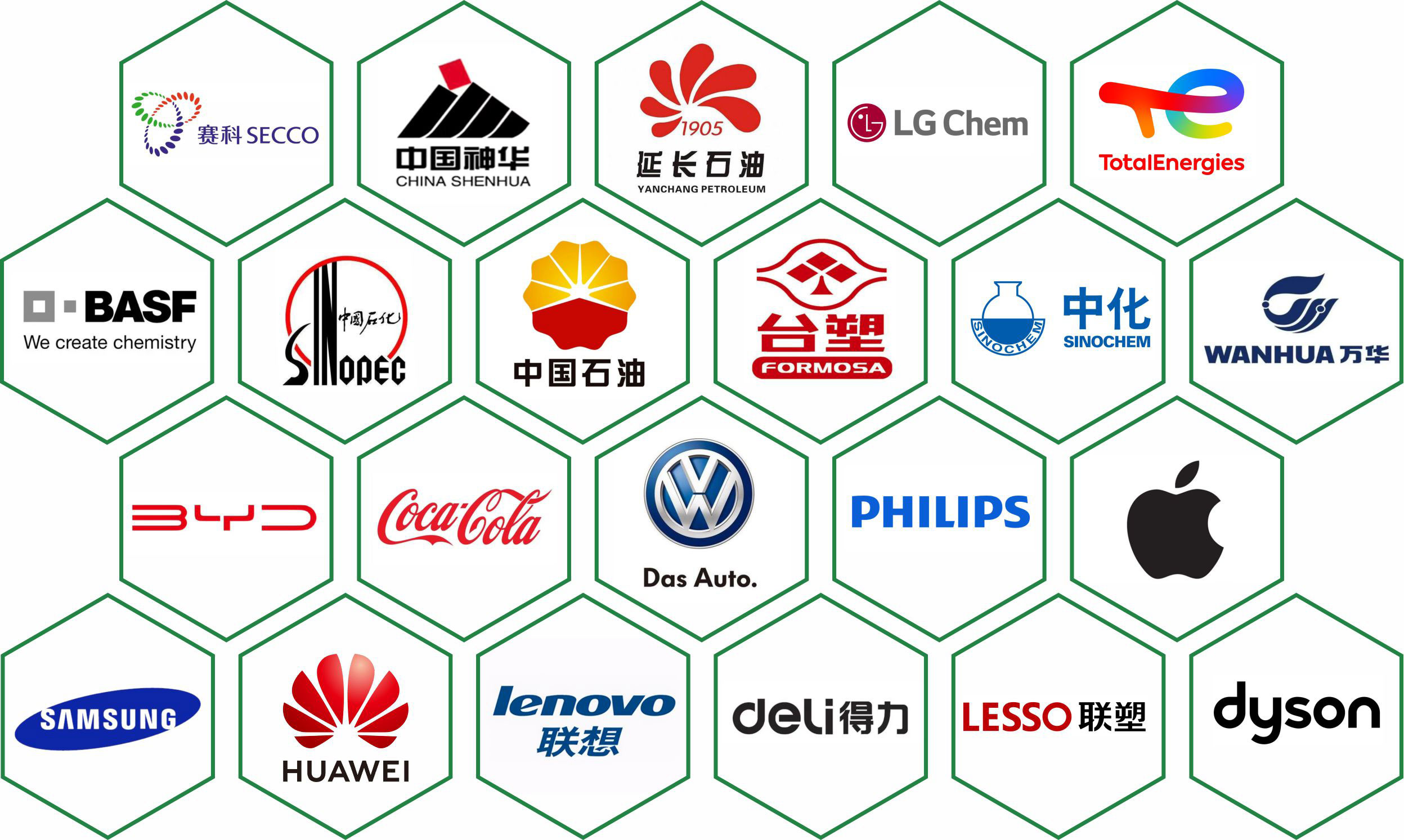
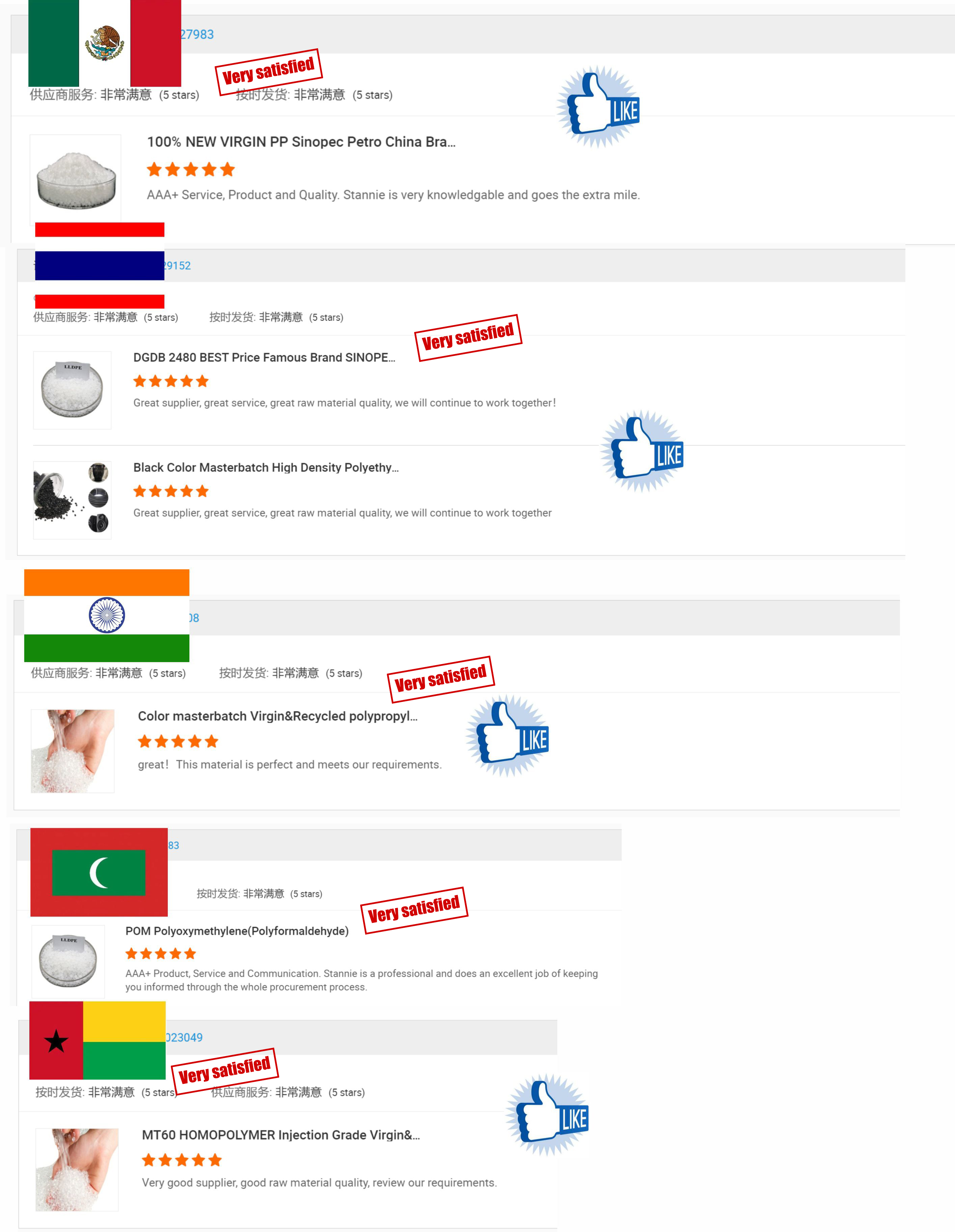
We have established long-term cooperative relations with more than 60+ well-known enterprises all over the world

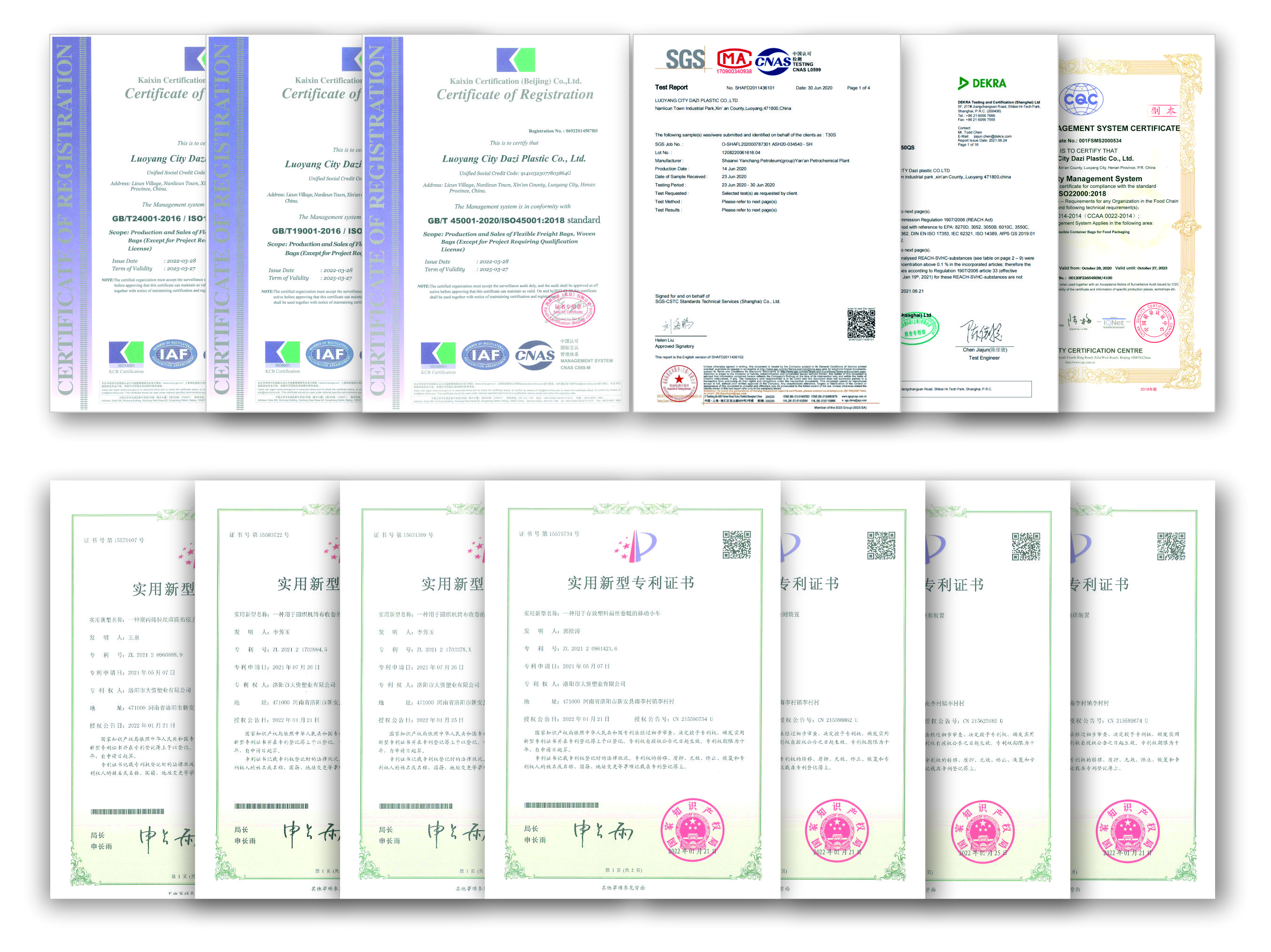
Our company has 12 certifications and 57+ patents.


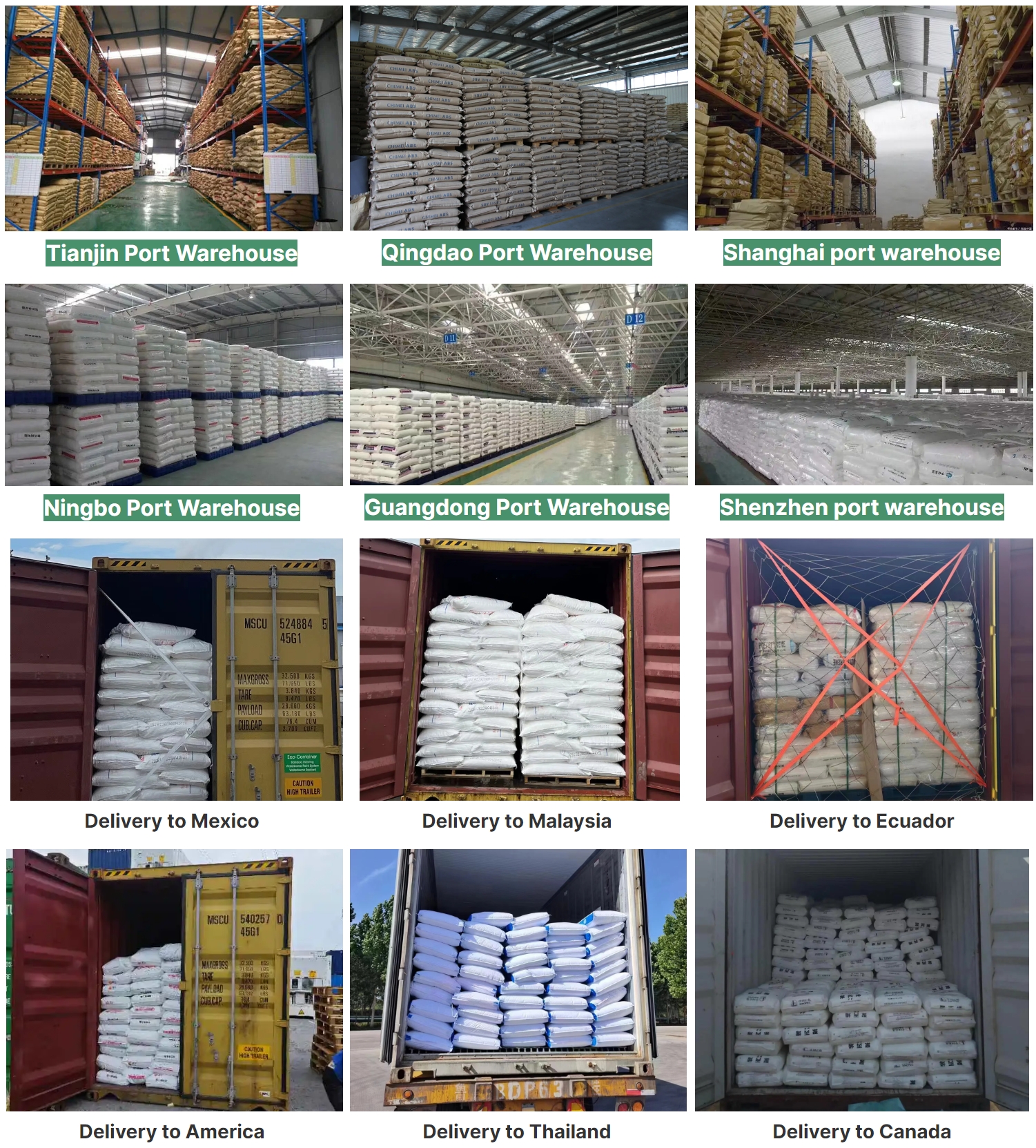
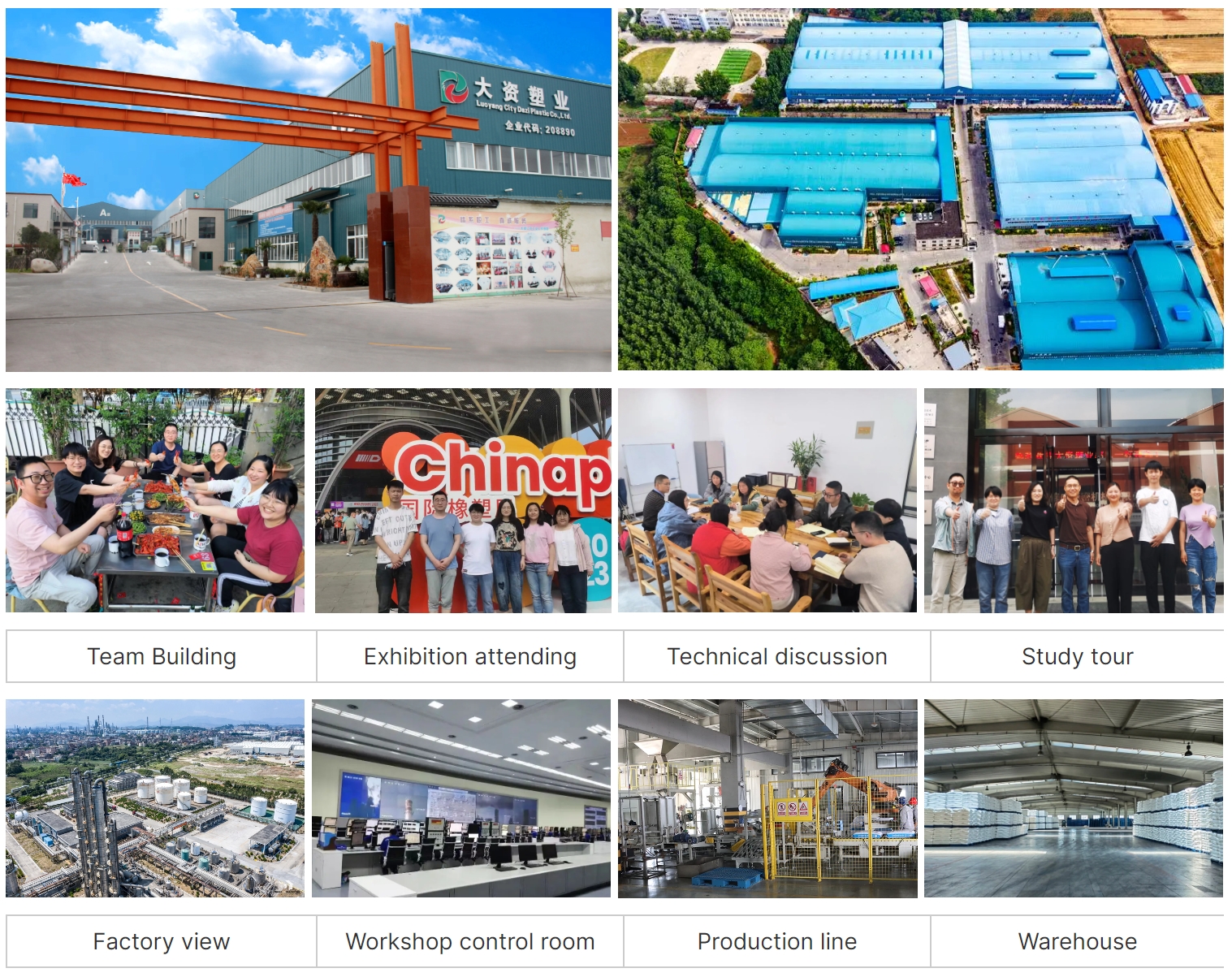
23 years' experience Professional purchasing consultant with a supply chain of 1200+ plastic raw materials in China.