Pélets de PE de alta tenacidad, resina de polietileno multipropósito para película soplada, inyección y extrusión
2026-11-20 08:46:41
One Word, Three Tests: What "Toughness" Means per Process
Buyers compare polyethylene grades on a single word — toughness — as though it were one number. In practice, three processes test three different things. A blown film converter judges toughness by how much energy the film absorbs before it punctures and how far a tear travels once it starts. An injection molder judges it by impact strength on a notched specimen and by whether the part cracks when it is dropped. An extruder of pipe, profile or sheeting judges it by resistance to slow environmental stress cracking and by melt strength that holds a shape while it cools. A multi-purpose high toughness PE resin is designed to perform credibly across all three, but the honest way to buy one is to know the trade-off being made — and where a dedicated grade still wins.
Blown Film: Toughness as Energy Absorbed
In film, toughness appears as the difference between a bag that survives handling and one that arrives with a hole. Three measurements matter.
-
Dart impact: the energy needed to puncture the film, which is the property that governs resistance to sharp corners and rough handling.
-
Tear resistance: the force required to propagate a tear once a nick exists, in machine and transverse directions.
-
Puncture and elongation: the combination that lets film stretch locally instead of failing.
A high toughness grade raises these values together, which is why it suits heavy-duty bags, liners and protective packaging. Cold conditions expose the limitation: as temperature drops, polyethylene stiffens and impact energy falls, so outdoor or cold-chain film needs toughness measured at low temperature, not only at 23 °C.
Injection: Toughness as Resistance to a Notch
Injection molded parts fail differently. The critical specimen is notched, because real parts contain corners, ribs, gate marks and inserts — all of which concentrate stress. Impact strength on a notched bar is therefore the relevant number, and it can fall sharply even when unnotched strength looks healthy.
Injection also adds two requirements film does not have: flow into a mold and dimensional stability after ejection. A multi-purpose resin with high toughness must still fill the cavity at practical pressures and hold its dimensions, so the grade balances impact against flow and shrinkage. Parts that are dropped, stacked or assembled under load benefit from higher impact; thin-walled precision parts may need flow more than toughness.
Extrusion: Toughness as Time-Resistant Behavior
Extruded products — pipe, conduit, profile, sheet, monofilament — are judged over years, not seconds. The dominant failure mode is slow crack growth under sustained stress, often accelerated by detergents, oils or disinfectants: environmental stress cracking. A resin can pass a quick impact test and still split after months in service if its stress crack resistance is poor.
Extrusion additionally demands melt strength. A sheet or profile must hold its shape as it leaves the die; a melt that is too fluid sags, necks or draws unevenly. High toughness grades typically offer adequate melt strength for sheet and profile, but demanding extrusion processes such as large-diameter pipe or heavy monofilament may need a dedicated grade with a narrower, better-matched molecular architecture.
What a Multi-purpose Grade Actually Is
Versatility comes from design, not from averaging. A multi-purpose high toughness PE typically uses a molecular weight distribution broad enough to combine stiffness with impact performance, and a density chosen in the mid-range so that film has strength without losing drawdown behavior and molded parts retain reasonable rigidity.
The trade-off is structural: a broad distribution that serves three processes rarely delivers the peak of any one. Compared with a dedicated film grade, it may give up some drawdown stability at high output; compared with a dedicated injection grade, some flow in thin walls; compared with a dedicated pipe grade, some long-term stress crack resistance. What it gains is a single SKU that runs on three lines, simplifies inventory and reduces changeover risk for converters with mixed production.
Process, Metric and Where Dedicated Grades Still Win
|
Process
|
Toughness Metric That Decides
|
Multi-purpose Grade Versus Dedicated
|
|---|---|---|
|
Blown film
|
Dart impact, tear, puncture, cold impact
|
Strong general performance; dedicated film grade wins at high output and very low temperature
|
|
Injection
|
Notched impact, flow, shrinkage
|
Balanced impact and flow; dedicated grade wins in thin-wall high-flow parts
|
|
Extrusion
|
Stress crack resistance, melt strength
|
Adequate for sheet and profile; dedicated grade wins in pipe and long-life service
|
Deciding Whether One Resin Fits Your Plant
A multi-purpose resin is a portfolio decision as much as a technical one.
-
Count how many lines and products the resin must serve; one SKU saves inventory and changeover.
-
Compare each product's critical property against the grade's data, not against its reputation.
-
Confirm film output rate targets — drawdown stability at high throughput is where universality shows strain.
-
Check low-temperature impact if any product is used cold.
-
Verify long-term stress crack data if any product faces sustained load or chemicals.
-
Run trials on each line rather than extrapolating from a single successful application.
Processing Notes When One Resin Runs on Three Lines
Switching a single resin between processes changes settings, not chemistry. For film, die gap, blow-up ratio and melt temperature must be tuned for a grade that was not designed exclusively for film. For injection, packing and cooling need adjustment to the grade's flow. For extrusion, screw profile and temperature zones should be set for its melt strength. Polyethylene needs no drying, which removes one common source of variability, but regrind proportion should be controlled and recorded on every line to keep toughness measurements comparable.
Selection Checklist
-
Request dart, tear and puncture data for film, plus low-temperature impact.
-
Request notched impact and flow data for injection applications.
-
Ask for stress crack resistance and melt strength data for extrusion products.
-
Confirm density and melt index tolerances and batch consistency records.
-
Verify food-contact or other compliance status if the end products require it.
-
Trial on each process line before committing the whole plant to one grade.
Conclusion
High toughness PE pellets offered as a multi-purpose resin are a genuine convenience, but the word toughness hides three distinct specifications: energy absorbed in film, notched impact in molded parts and long-term stress crack resistance in extruded products. A well-designed versatile grade balances these through molecular weight distribution and density, accepting that it will trail a dedicated grade at each process's extreme. Buyers who compare the grade against the metric that decides each product — and who trial it on every line — get the inventory simplicity of one resin without discovering its limits on a customer's order.






We have established long-term cooperative relations with more than 60+ well-known enterprises all over the world

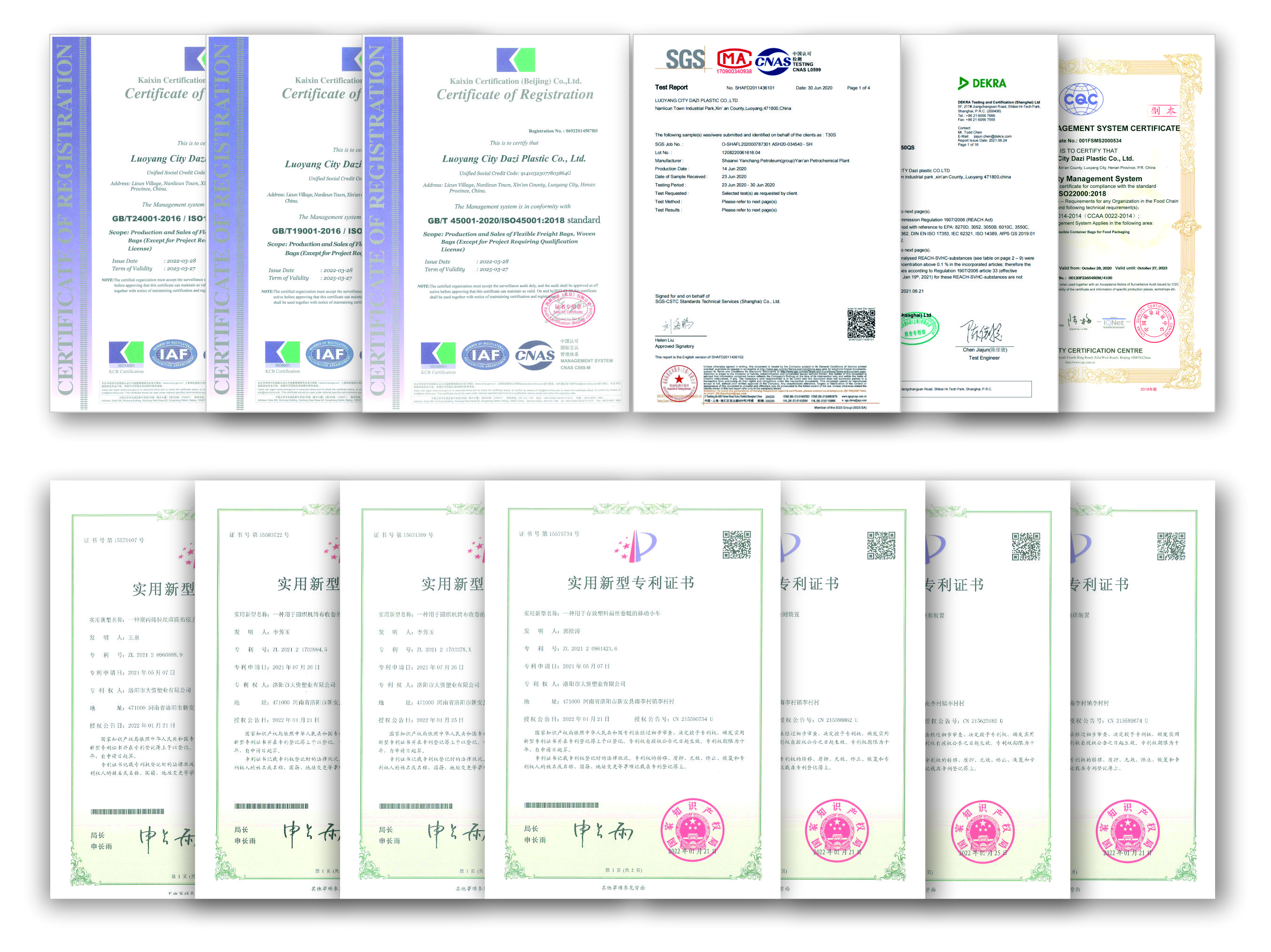
Our company has 12 certifications and 57+ patents.



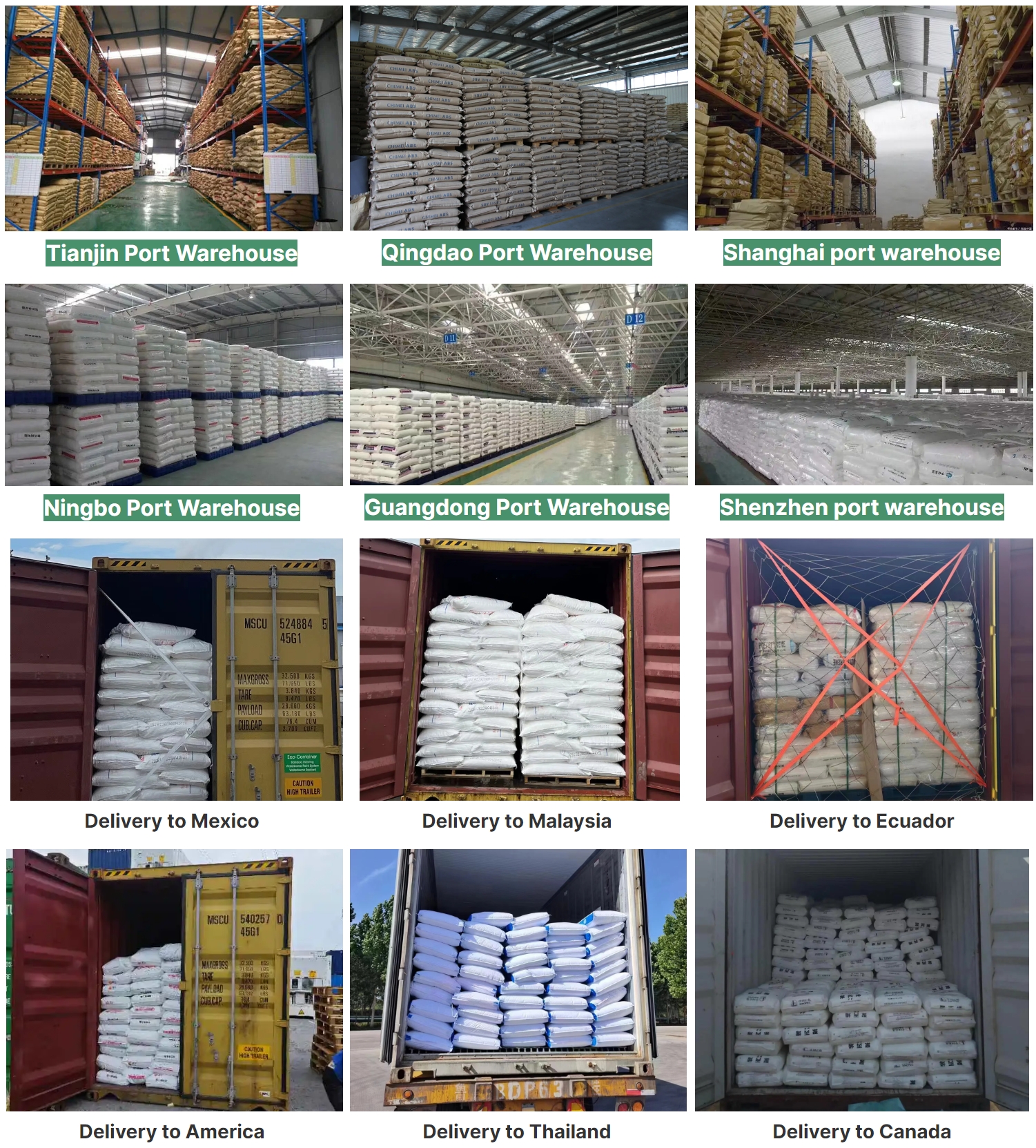
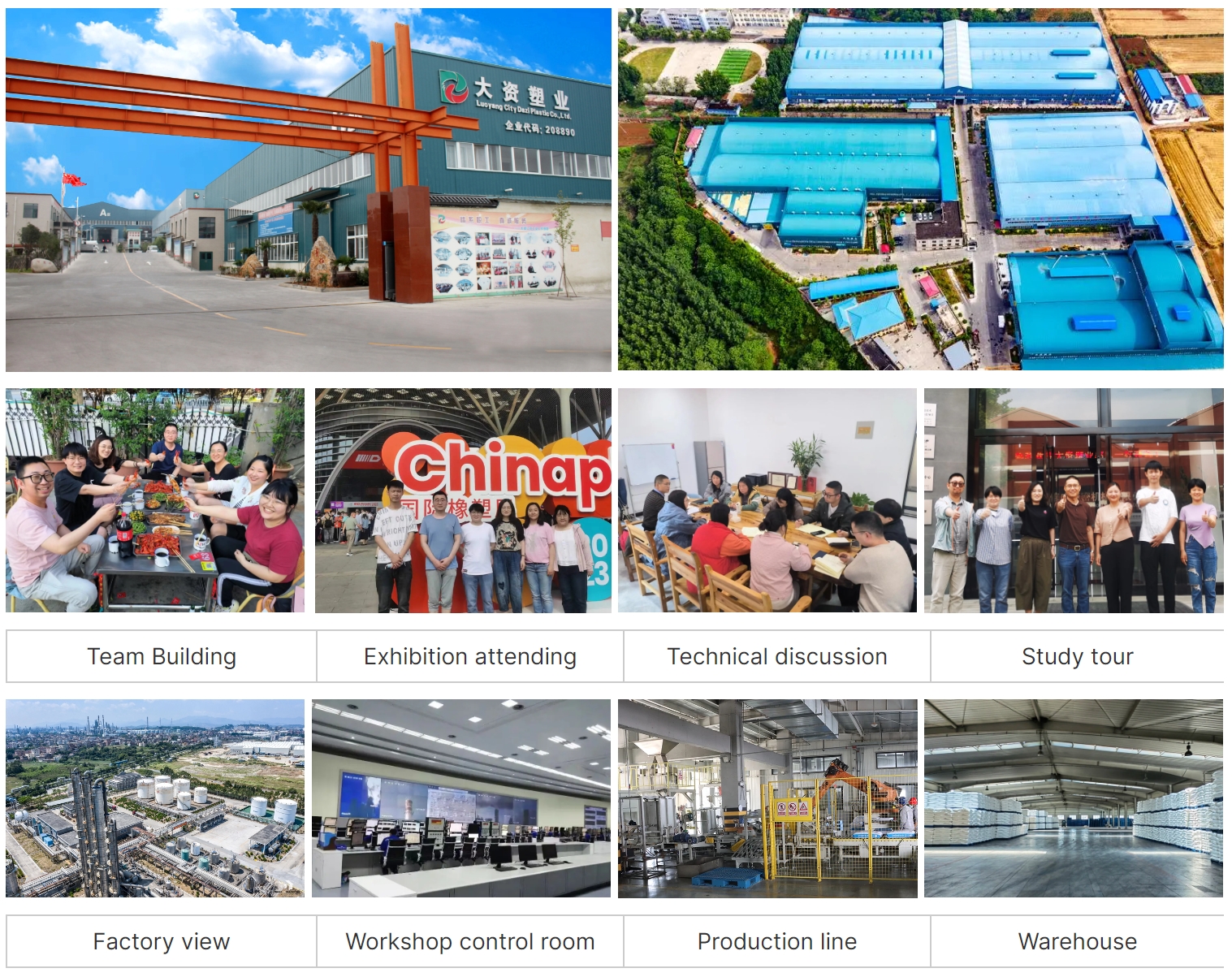
23 years' experience Professional purchasing consultant with a supply chain of 1200+ plastic raw materials in China.