Polyethylene (PE): Versatile Flexible Polymer Supporting Diverse Downstream Industries
2026-07-15 16:15:31
Among all synthetic polymers in the global manufacturing ecosystem, polyethylene (PE) stands out as the most widely produced and extensively applied flexible plastic material. Renowned for its exceptional flexibility, chemical inertness, lightweight structure, and outstanding processing adaptability, polyethylene has evolved from a basic industrial plastic into a foundational material that sustains countless downstream industries. From daily consumer packaging and agricultural production to industrial logistics, construction, and pharmaceutical manufacturing, PE continues to deliver reliable, cost-effective, and flexible material solutions, making it an irreplaceable cornerstone of modern industrial and commercial supply chains.
Core Material Properties That Define PE’s Industrial Value
Polyethylene is a thermoplastic polymer derived from ethylene monomer, featuring a unique molecular structure that endows it with comprehensive and balanced performance advantages. Its most iconic trait is superior flexibility and ductility. Unlike rigid engineering plastics, PE maintains excellent toughness and bendability under normal and low-temperature conditions, resisting cracking, fracturing, and deformation when stretched, folded, or impacted. This flexible characteristic makes it ideal for manufacturing foldable, stretchable, and impact-resistant packaging and industrial accessories.
In addition, polyethylene boasts excellent chemical stability. It is highly resistant to most water-based solutions, weak acids, weak alkalis, and common industrial detergents, with minimal risk of corrosion or chemical reaction during use. The material is also moisture-proof, waterproof, and low-absorbent, effectively isolating water vapor and humidity to protect packaged goods and stabilize product performance in humid environments.
Other key advantages include lightweight density, excellent wear resistance, and easy processability. PE materials are significantly lighter than metal, glass, and rigid plastic alternatives, helping manufacturers reduce product weight, cut transportation costs, and improve operational efficiency. Meanwhile, it supports multiple processing methods including blowing, extrusion, injection molding, and film stretching, adapting to high-speed automated mass production and personalized customized manufacturing.
Main PE Grades and Targeted Functional Advantages
The versatility of polyethylene is further reflected in its diversified classification, with different PE variants tailored for specific downstream scenarios, covering lightweight packaging, heavy-duty industrial use, and high-standard sanitary applications.
LDPE (Low-Density Polyethylene): Featuring high flexibility, good transparency, and excellent film-forming performance, LDPE is the primary material for thin-film products. It is widely used in flexible packaging bags, plastic wraps, agricultural mulch films, and industrial protective films, providing soft, stretchable, and tight sealing protection for various products.
HDPE (High-Density Polyethylene): With higher density, rigidity, tensile strength, and wear resistance, HDPE balances flexibility and structural stability. It is tougher and more durable than LDPE, commonly used for heavy-duty packaging bags, woven bag liners, industrial containers, water tanks, and chemical storage barrels. It is also the core inner lining material for FIBC bulk bags, delivering moisture-proof, leak-proof, and pollution-free protection for bulk industrial materials.
LLDPE (Linear Low-Density Polyethylene): Possessing superior tensile strength, puncture resistance, and low-temperature toughness, LLDPE is widely used in stretch films, industrial wrapping films, and modified blended materials, effectively improving the durability and impact resistance of composite plastic products.
Wide Application Across Diverse Downstream Industries
Thanks to its flexible performance, stable quality, and cost advantages, polyethylene penetrates almost all mainstream downstream sectors, providing indispensable material support for industrial operation and civilian consumption.
Packaging & Logistics Industry: As the backbone of flexible packaging, PE materials cover retail packaging, industrial film packaging, and bulk cargo protection. PE films and liners are extensively matched with FIBC jumbo bags, woven sacks, and carton packaging to provide dust-proof, moisture-proof, and leak-proof barriers for food, chemicals, minerals, and agricultural products. Stretch films and shrink films made of PE ensure stable bundling and safe transit of palletized goods, greatly improving logistics standardization.
Agriculture Industry: PE agricultural films, mulch films, and greenhouse films create stable growth environments for crops by insulating heat, retaining moisture, and preventing pests. Flexible PE packaging sacks also facilitate the storage and transportation of grains, seeds, and fertilizers, resisting outdoor humidity and dust pollution to preserve agricultural product quality.
Construction & Infrastructure: PE waterproof films, damp-proof membranes, and protective winding films are widely used in building waterproofing, pipe protection, and engineering isolation. The material’s flexibility allows it to fit irregular building surfaces, while its corrosion resistance ensures long-term stability in underground and humid construction environments.
Food & Pharmaceutical Industry: Food-grade and medical-grade polyethylene materials are non-toxic, odorless, and compliant with international safety standards. They are used for food packaging films, medical protective films, and drug packaging liners, providing hygienic, safe, and sealed packaging solutions that meet strict industry sanitation requirements.
Daily Consumer Goods & Industrial Manufacturing: PE is processed into various daily plastic products, flexible hoses, protective covers, and industrial auxiliary parts. Its excellent flexibility and low cost make it suitable for mass production of disposable and reusable plastic supplies, meeting the diverse needs of civilian and industrial markets.


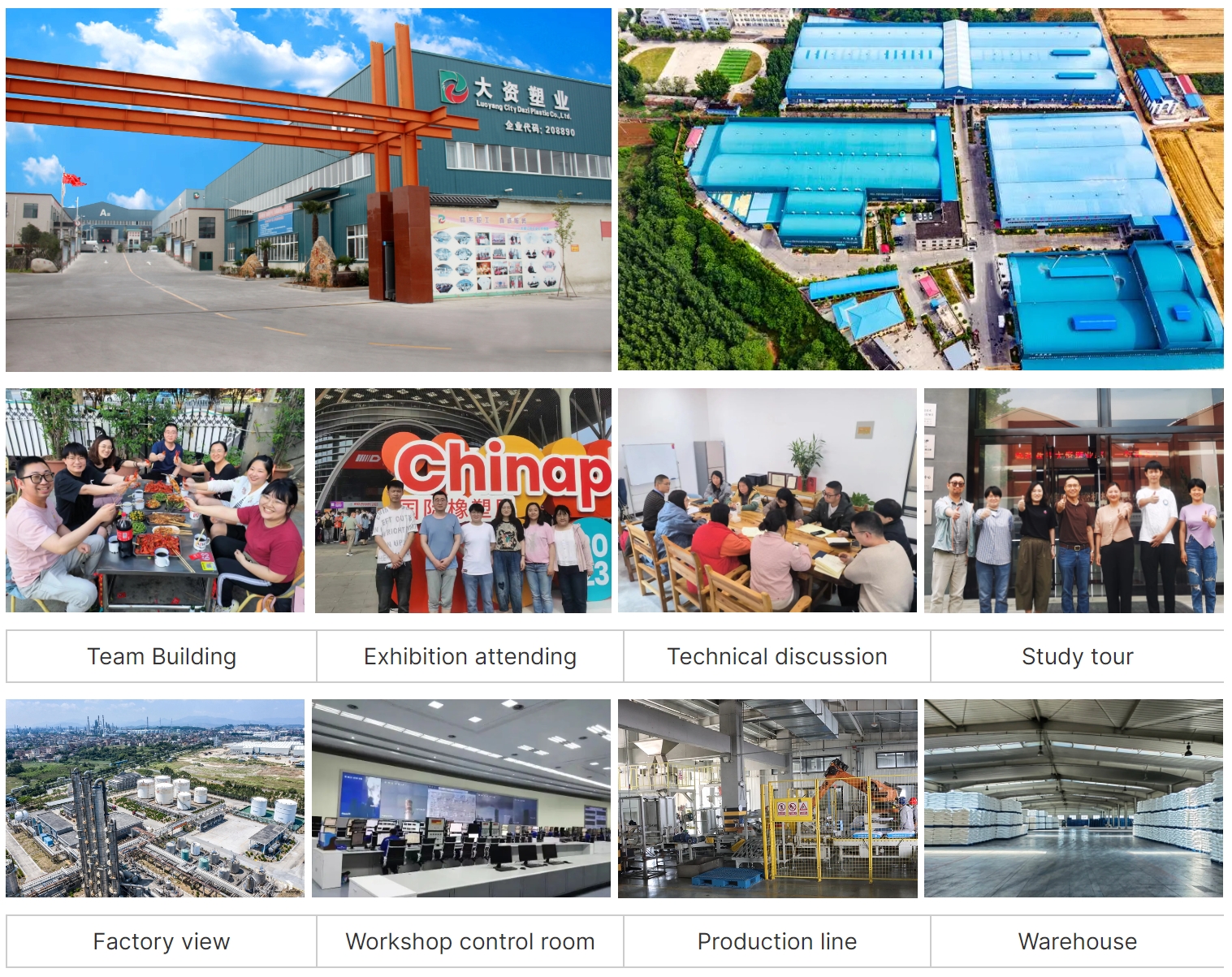


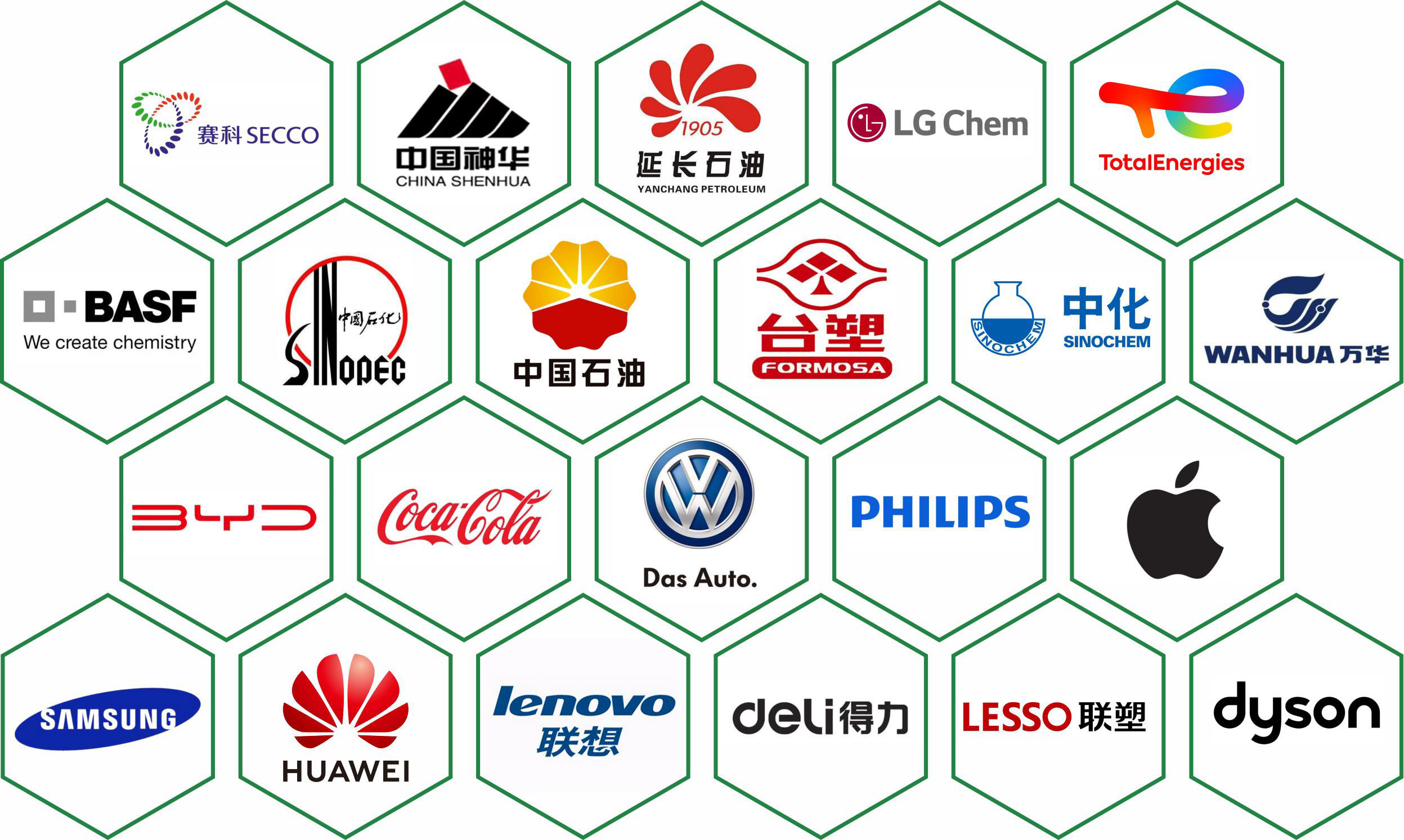
We have established long-term cooperative relations with more than 60+ well-known enterprises all over the world

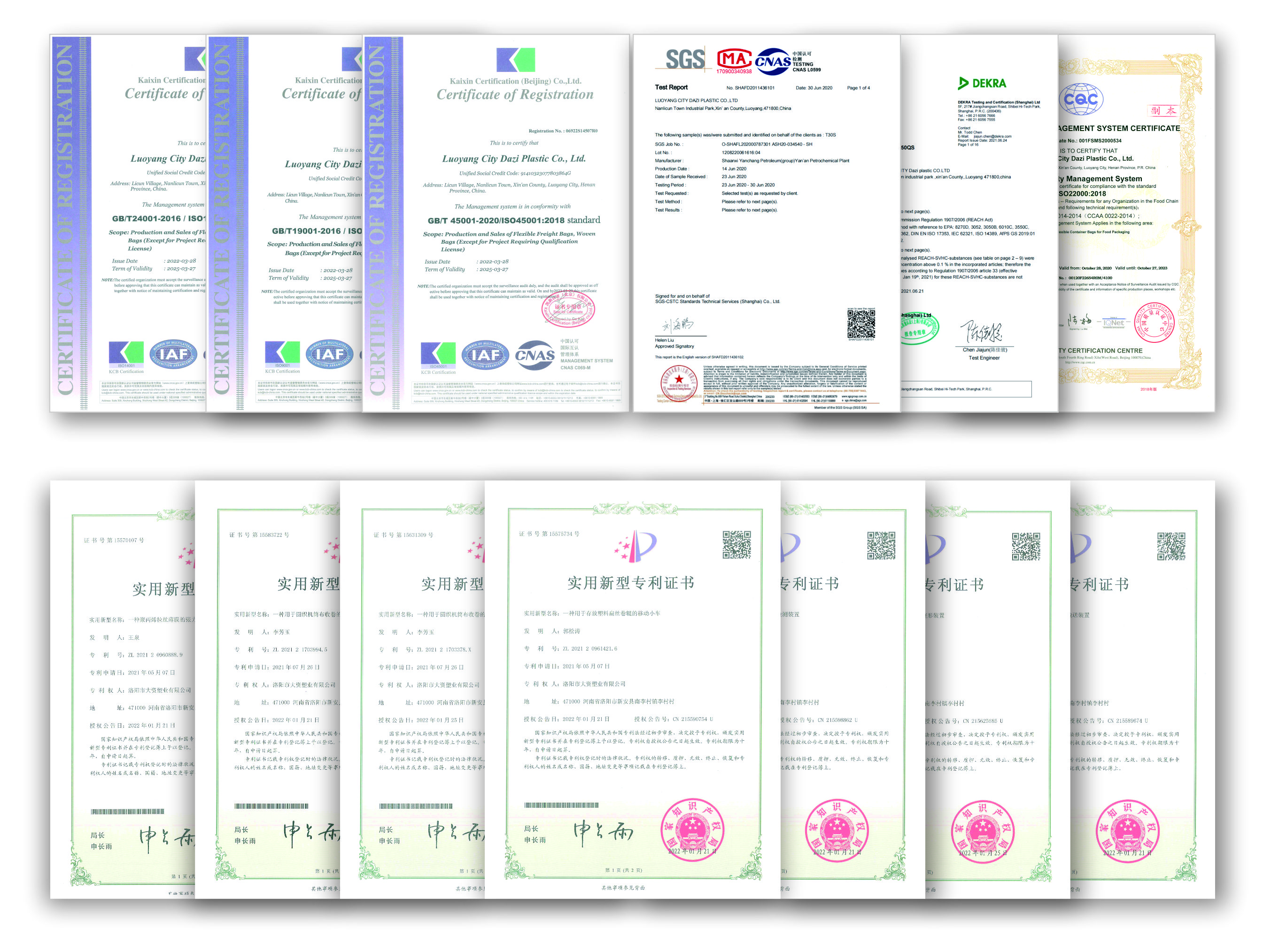
Our company has 12 certifications and 57+ patents.
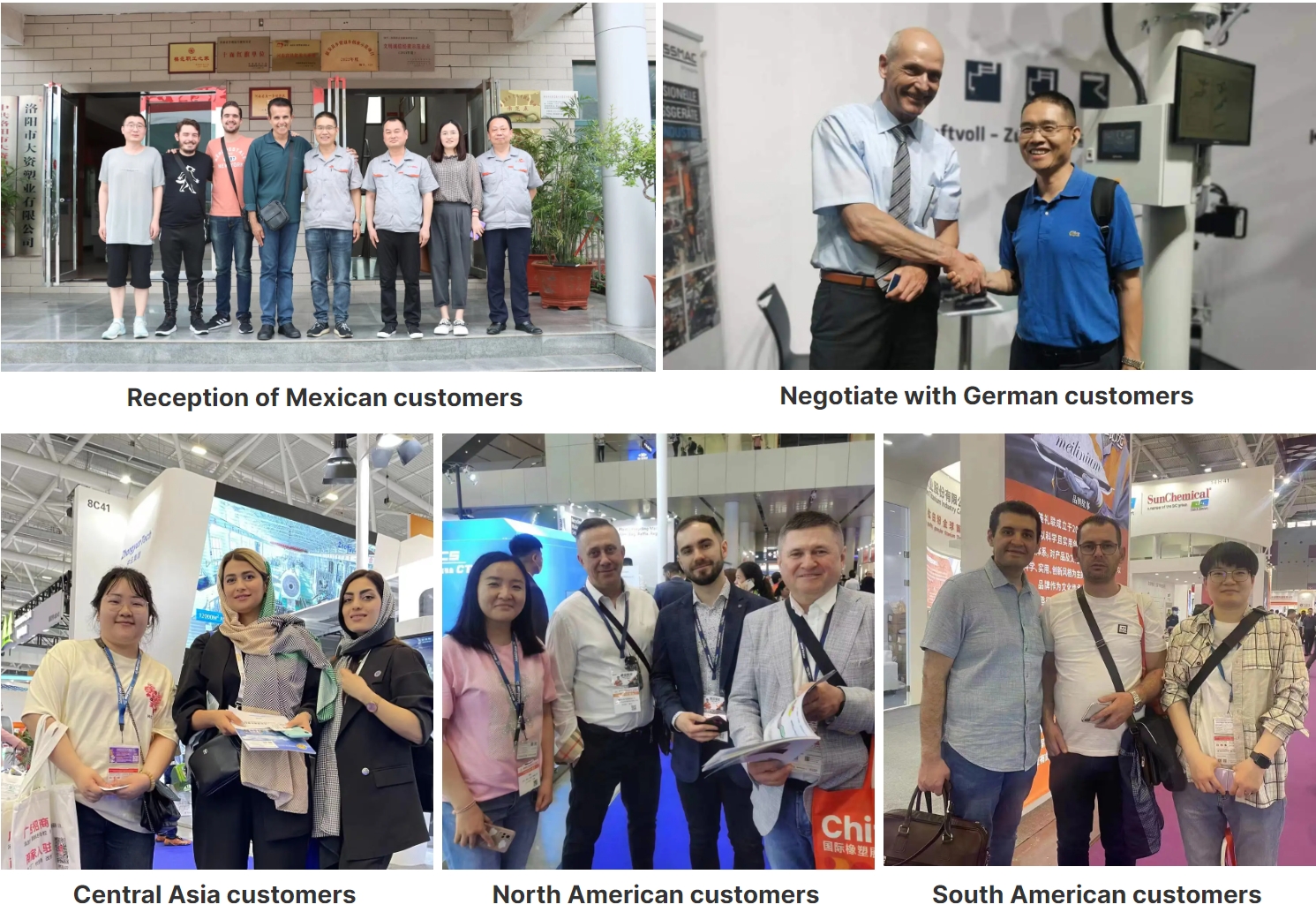
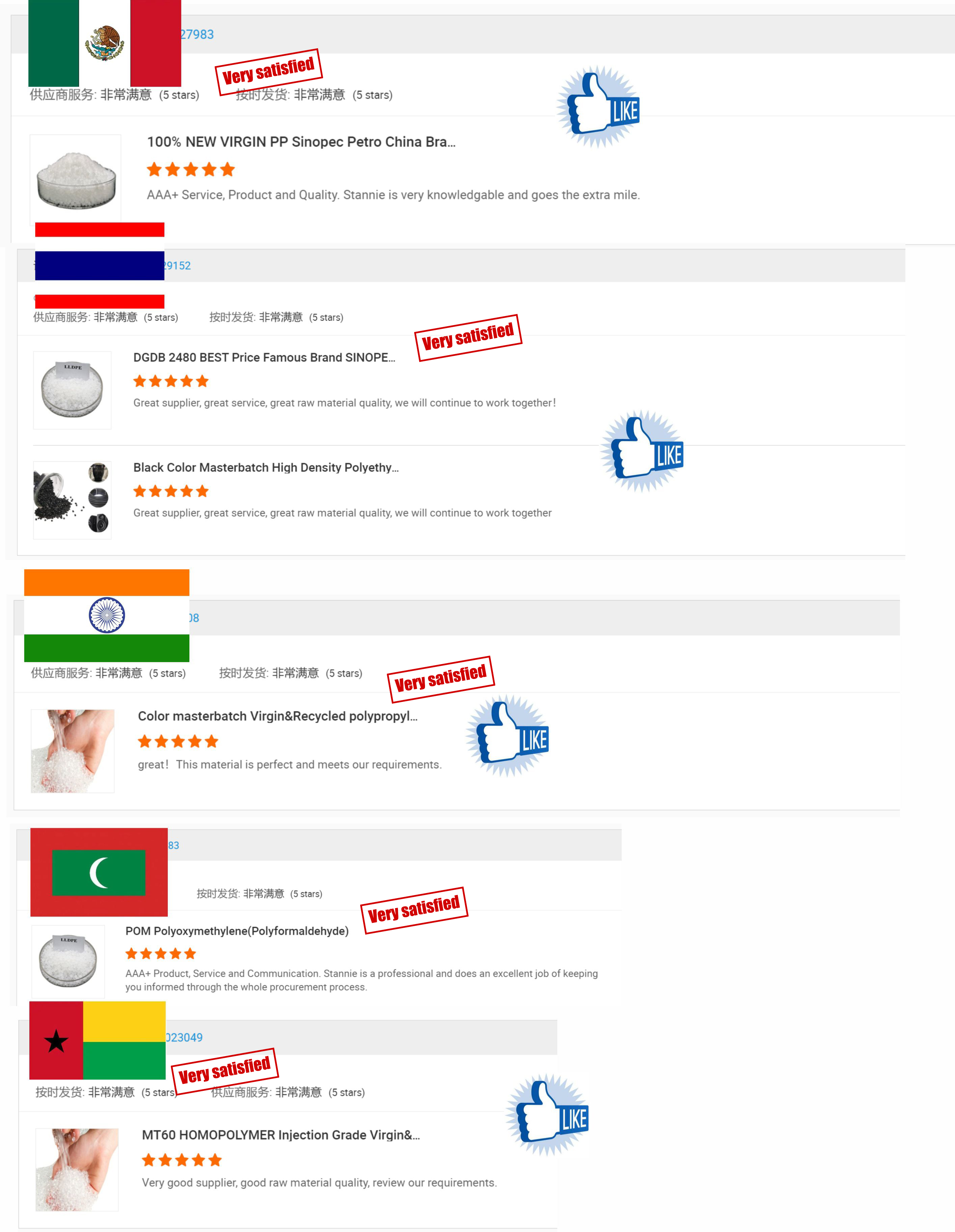

23 years' experience Professional purchasing consultant with a supply chain of 1200+ plastic raw materials in China.