ABS Plastic Resin Guide: Difference Between Virgin & Recycled ABS Pellets
2026-07-16 14:39:14
ABS (Acrylonitrile Butadiene Styrene) resin is one of the most widely used engineering thermoplastics in global manufacturing. Celebrated for its excellent rigidity, impact resistance, chemical stability, and easy moldability, ABS pellets serve as a core material for electronics, automotive parts, household appliances, toys, and industrial components. In the current plastic supply chain, manufacturers mainly choose between two mainstream types: virgin ABS pellets and recycled ABS pellets. Understanding the essential differences between virgin and recycled ABS is critical for enterprises to balance product quality, production cost, and green compliance. This guide comprehensively analyzes their distinctions in raw material source, physical performance, appearance, application scenarios, cost, and environmental value.
Basic Overview: Virgin ABS vs Recycled ABS Pellets
Virgin ABS Pellets are brand-new resin particles directly synthesized from crude oil-based chemical monomers (acrylonitrile, butadiene, and styrene) through professional polymerization and granulation processes. They are 100% new materials with no secondary processing, no impurity contamination, and completely stable molecular structure, complying with top-tier industrial and international quality standards.
Recycled ABS Pellets are reprocessed granular materials made from waste ABS products, including discarded plastic shells, industrial leftover materials, defective products, and post-consumer ABS plastic parts. After sorting, crushing, cleaning, impurity removal, melting, filtering, and re-granulation, waste ABS is regenerated into reusable plastic pellets, belonging to circular economy green materials.
Core Differences Between Virgin and Recycled ABS Pellets
1. Raw Material Purity & Molecular Stability
Virgin ABS pellets feature ultra-high purity with uniform molecular weight distribution and complete internal molecular structure. There are no impurities, residual contaminants, or molecular degradation problems. The stable chemical composition ensures consistent and reliable performance in every production batch, with zero fluctuation in product molding and application.
Recycled ABS pellets are limited by raw material sources. Waste ABS materials usually carry trace impurities, dust, and mixed plastic components. After multiple high-temperature melting cycles, partial molecular chains will break and degrade, resulting in reduced molecular stability. Although advanced filtering and purification processes can greatly improve purity, recycled ABS still cannot achieve the same molecular integrity and uniformity as virgin ABS.
2. Physical & Mechanical Performance
Performance consistency is the biggest advantage of virgin ABS. It maintains excellent balance of high toughness, strong impact resistance, good rigidity, and outstanding tensile strength. Virgin ABS can withstand high-intensity impact, long-term friction, and low-temperature environments without cracking or deformation. Its heat resistance, wear resistance, and dimensional stability fully meet the strict requirements of precision parts and high-end electronic products.
Recycled ABS has slightly weakened comprehensive mechanical properties. Due to molecular degradation and tiny impurity residues, its impact strength, toughness, and tensile force are slightly lower than virgin materials. Long-term high-temperature resistance and anti-aging performance also decline to a certain extent. In practical production, recycled ABS products are more prone to minor deformation, brittle fracture, and poor weather resistance compared with virgin ABS products.
3. Appearance & Molding Quality
Virgin ABS pellets are uniform in size, transparent or pure white in color, with smooth surface and no black spots, yellow traces, or particles. After injection molding and extrusion, the finished products have smooth surfaces, high gloss, uniform color, and no bubbles or cracks, which is suitable for high-precision and high-appearance-requirement products.
Regular recycled ABS pellets may have slight color difference, faint yellowing, or individual tiny impurity spots. The gloss of molded products is slightly lower, and there is a small probability of fine lines and trachoma on the surface. Even after color modification, recycled ABS is difficult to achieve the ultra-high uniformity and high finish of virgin ABS, limiting its application in high-end appearance parts.
4. Safety & Certification Compliance
Virgin ABS resin can easily pass global authoritative certifications including RoHS, REACH, and food-grade safety testing. It has stable chemical properties, no harmful substance precipitation, no peculiar smell, and meets the safety standards of medical equipment, food contact accessories, children’s toys, and household electrical appliances.
The safety of recycled ABS varies with raw material sources. Secondary processing may produce trace harmful substances, and it is difficult to fully guarantee environmental protection and safety indicators. Most recycled ABS cannot pass high-standard food-grade and medical-grade certifications, so it is mostly used for industrial non-safety structural parts and low-end consumer goods.
5. Cost & Economic Benefits
Virgin ABS involves complex chemical synthesis processes and high raw material costs, so its market price is relatively high, suitable for high-value-added and high-quality-demanding product production.
Recycled ABS effectively reduces material costs by reusing waste resources. Its price is significantly lower than virgin ABS, which can greatly cut down enterprise raw material procurement expenses. For mass-produced industrial parts with moderate performance requirements, recycled ABS can maximize cost-effectiveness and improve corporate profit margins.
6. Environmental & Sustainable Value
Virgin ABS relies on petrochemical resources, consuming non-renewable energy and producing relatively high carbon emissions in the production process. It is a traditional fossil fuel-based engineering plastic.
Recycled ABS is a typical green circular material. It reduces plastic waste accumulation, lowers the demand for new petrochemical raw materials, and effectively cuts carbon emissions and energy consumption. It perfectly conforms to global carbon neutrality policies, green manufacturing standards, and enterprise sustainable development goals, helping manufacturers obtain environmental certification and meet brand green supply chain requirements.
Applicable Scenarios: When to Use Virgin & Recycled ABS
Virgin ABS Pellets Ideal Applications
-
High-end electronic and electrical housings (TVs, air conditioners, computers)
-
Automotive precision interior and exterior parts
-
Food contact accessories, medical device components
-
Children’s toys and high-safety consumer goods
-
Precision industrial parts requiring high dimensional stability and weather resistance
Recycled ABS Pellets Ideal Applications
-
Ordinary industrial structural plastic parts
-
Low-end household plastic products and daily necessities
-
Logistics plastic pallets, turnover boxes, and protective shells
-
Construction auxiliary plastic parts and non-key mechanical accessories
-
Mass production parts with low appearance and high mechanical performance requirements
Best Selection Principles for Manufacturers
For product lines pursuing high quality, high safety, and high market reputation, virgin ABS pellets are the preferred choice to ensure stable product performance, qualified safety certification, and excellent appearance quality. For bulk industrial products with standard performance requirements and cost control priorities, high-quality recycled ABS pellets are the optimal solution to balance quality and cost while realizing green production.
In addition, many enterprises currently adopt a mixed-use mode of virgin and recycled ABS, which properly controls the proportion of recycled materials on the premise of ensuring product quality, so as to reduce comprehensive costs and achieve dual improvement of economic and environmental benefits.


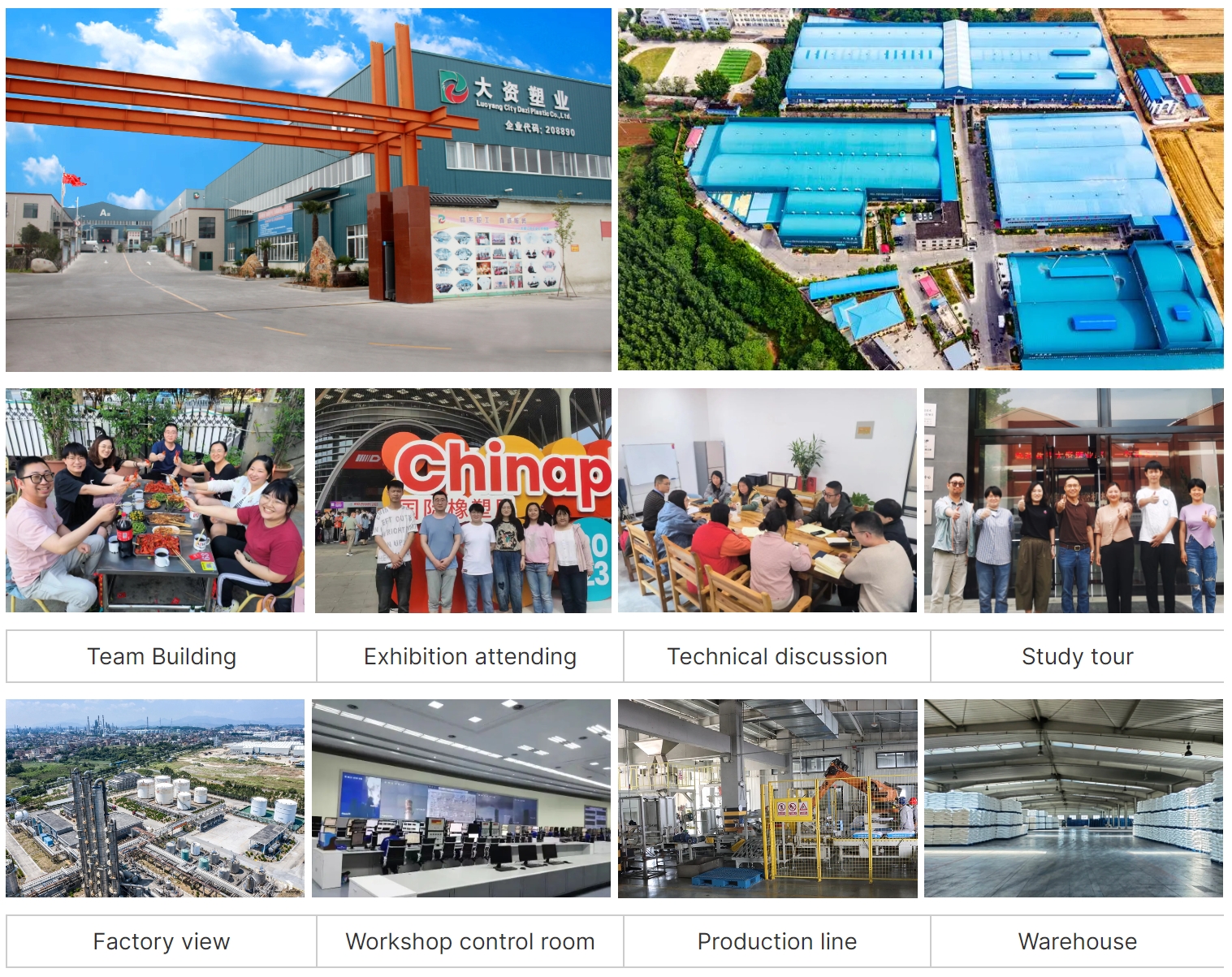


We have established long-term cooperative relations with more than 60+ well-known enterprises all over the world

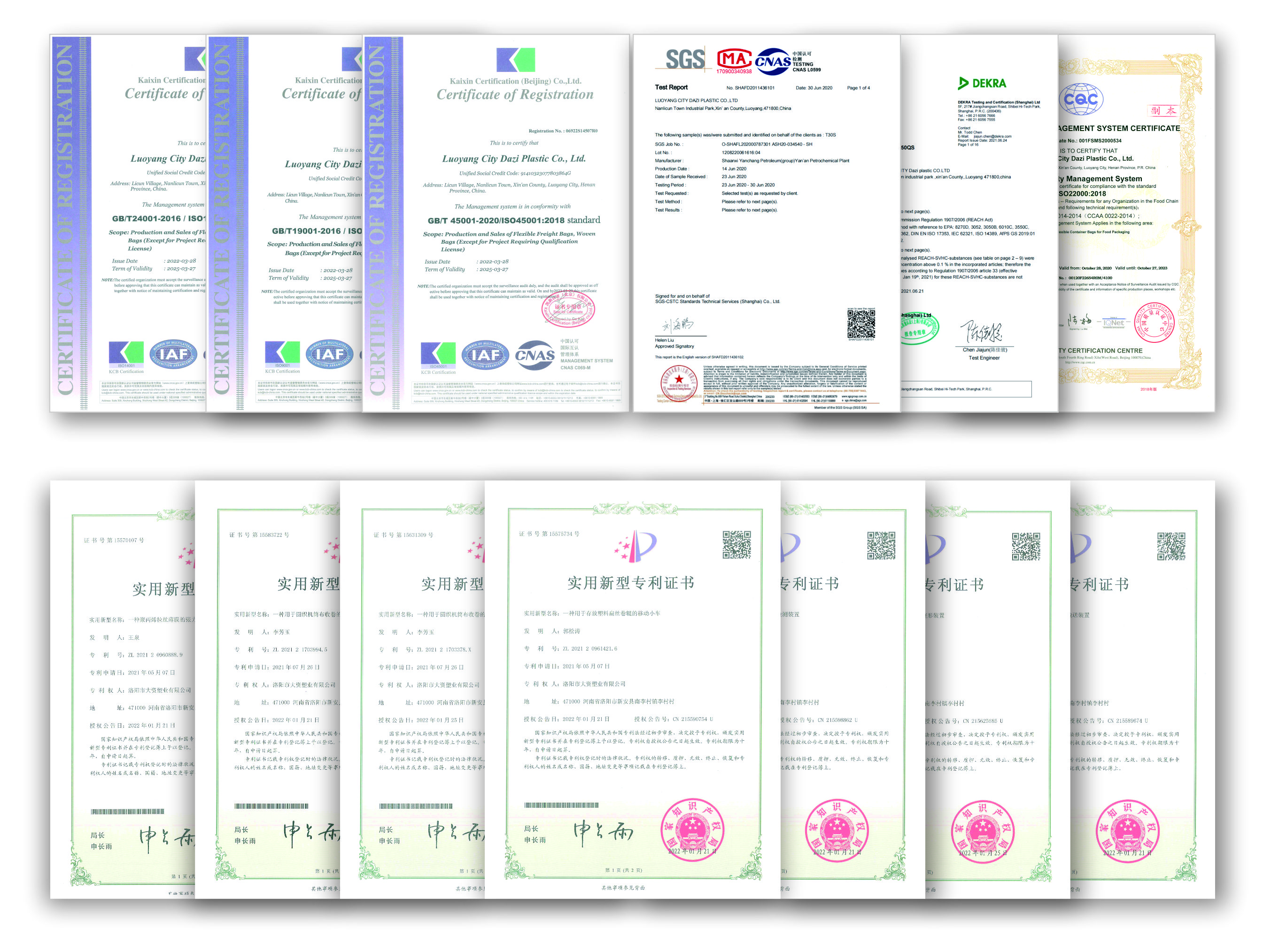
Our company has 12 certifications and 57+ patents.
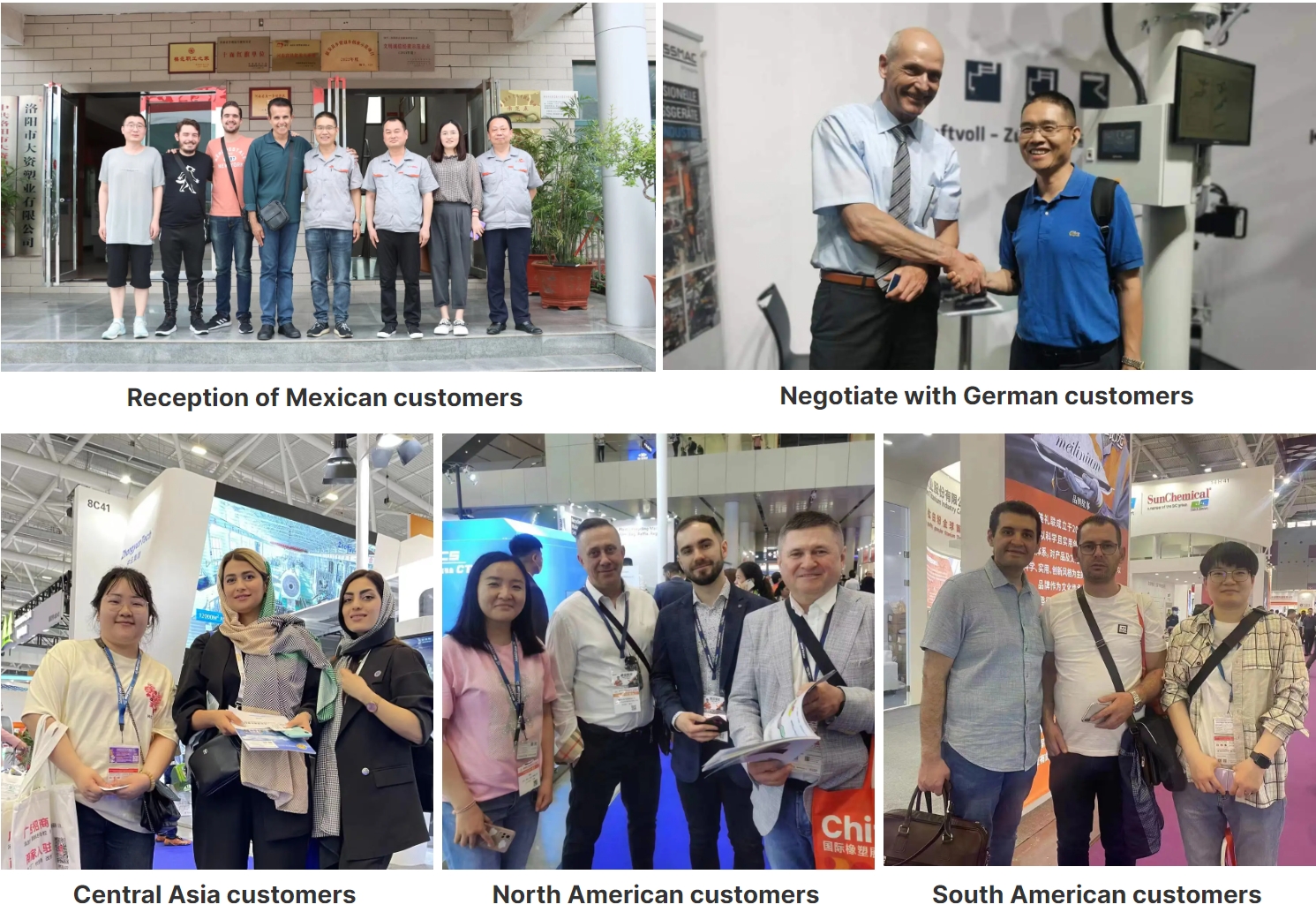

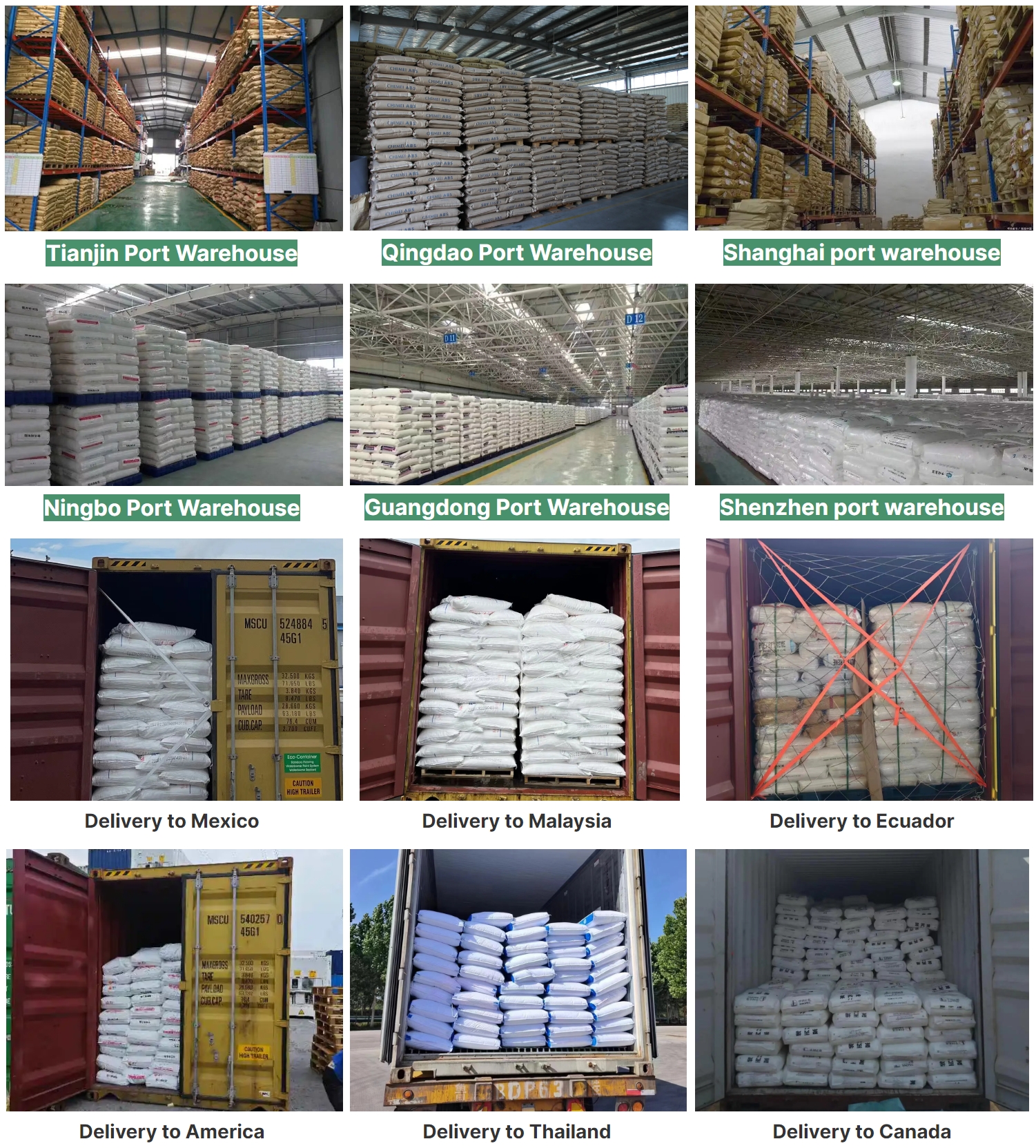
23 years' experience Professional purchasing consultant with a supply chain of 1200+ plastic raw materials in China.