GPPS/HIPS PS Plastic Granules: Stable Raw Material for Daily Goods & Packaging Production
2026-07-17 09:29:02
PS (Polystyrene) plastic granules are one of the most essential, cost-effective, and widely applied general-purpose thermoplastics in the global manufacturing industry. Among the most mainstream grades, GPPS (General Purpose Polystyrene) and HIPS (High Impact Polystyrene) stand out as core raw materials dominating daily consumer goods and packaging production. Featuring stable chemical properties, excellent moldability, high surface transparency, and flexible mechanical performance, GPPS and HIPS PS plastic granules provide reliable, consistent, and affordable material solutions for mass production of daily necessities, food packaging, industrial packaging, and disposable plastic products. This article elaborates on the characteristics, differences, advantages, and industrial applications of GPPS and HIPS granules, explaining why they remain irreplaceable stable raw materials for the daily goods and packaging industry.
Basic Overview of GPPS and HIPS PS Plastic Granules
Polystyrene resin is polymerized from styrene monomers. According to different modification formulas and mechanical properties, it is mainly divided into two commercial grades: GPPS and HIPS. Both grades share the inherent advantages of PS materials — stable physical properties, easy coloring, excellent fluidity during molding, and low production cost — while targeting different application scenarios through targeted performance adjustments.
GPPS (General Purpose Polystyrene) is transparent polystyrene with high purity and high gloss. It features outstanding light transmittance, rigid texture, and precise dimensional stability. Without rubber modification, GPPS presents a crystal-clear appearance, making it the preferred material for transparent packaging and high-appearance daily plastic products.
HIPS (High Impact Polystyrene) is modified polystyrene blended with rubber components. Compared with GPPS, HIPS greatly improves toughness, anti-impact performance, and crack resistance while retaining the advantages of easy processing and stable molding. It solves the brittleness defect of traditional GPPS and is widely used in structural daily goods and thick-wall packaging products that require impact resistance.
Core Advantages of GPPS & HIPS PS Plastic Granules
1. Exceptional Material Stability
As mature general-purpose plastic materials, GPPS and HIPS PS plastic granules have extremely stable molecular structure and consistent batch quality. They feature low water absorption, excellent weather resistance, and stable dimensional performance during long-term use and storage. No deformation, shrinkage, or discoloration occurs under normal indoor and room-temperature environments, fully meeting the continuous and stable production requirements of daily goods and packaging manufacturers.
2. Excellent Processing & Molding Performance
Both GPPS and HIPS have strong thermoplastic fluidity, suitable for high-speed injection molding, extrusion, and blister molding processes. They support high-precision mass production, complex shape molding, and uniform coloring. The materials have a high finished product yield with few defective rates, effectively improving production efficiency and simplifying the manufacturing process for packaging and daily goods factories.
3. Superior Appearance & Customization
GPPS delivers ultra-high transparency and mirror surface gloss, enabling packaged products to display internal contents intuitively and enhance product grade. HIPS supports matte, glossy, and custom color modification, with uniform coloring effect and no color difference. Both materials can be easily printed, glued, and surface-treated, adapting to brand packaging customization and daily product appearance design needs.
4. High Cost-Effectiveness & Supply Stability
Compared with PET, ABS, and PC engineering plastics, GPPS and HIPS PS plastic granules have lower raw material prices and more sufficient global supply chains. With balanced performance and low comprehensive processing costs, they are extremely suitable for large-scale, high-volume, and repetitive production of daily consumer goods and packaging products, helping manufacturers maintain stable profit margins in competitive markets.
Differences Between GPPS and HIPS Granules for Material Selection
Although both belong to the PS plastic family, GPPS and HIPS have clear differences in performance and application, which are the key basis for targeted selection in daily goods and packaging production.
GPPS: Transparent, Rigid, High-Grade Packaging Grade
-
Key features: High transparency, high gloss, rigid texture, crisp hand feel, slight brittleness
-
Applicable scenarios: Scenarios prioritizing transparency and appearance display
-
Typical products: Food transparent boxes, blister packaging, cosmetic packaging boxes, transparent stationery, disposable plastic cups, lamp covers, and transparent daily containers
HIPS: Tough, Impact-Resistant, Structural Product Grade
-
Key features: Opaque or semi-transparent, high toughness, strong impact resistance, anti-cracking, durable
-
Applicable scenarios: Structural parts and thick-wall products requiring drop resistance and compression resistance
-
Typical products: Daily plastic housings, appliance accessories, plastic trays, lunch boxes, industrial packaging liners, toy parts, and storage containers
Main Applications in Daily Goods & Packaging Production
GPPS and HIPS PS plastic granules have become the most stable and reliable raw materials for the daily goods and packaging industry, covering civilian consumption, food packaging, industrial packaging, and household product manufacturing.
1. Food & Consumer Packaging Industry
Food-grade GPPS granules are widely used in transparent food packaging, including cake boxes, dessert blister packs, fruit packaging trays, and disposable beverage containers. Its high transparency improves product display effects, while stable chemical properties ensure no harmful substance precipitation, meeting food contact safety standards. Modified HIPS materials are commonly used in thickened food packaging boxes, takeout containers, and gift packaging liners, providing better compression resistance and drop protection for packaged goods.
2. Daily Household Consumer Goods
A large number of household daily products are manufactured with GPPS and HIPS PS plastic granules. GPPS is used for transparent toothbrush boxes, cosmetic bottles, stationery products, and decorative plastic parts. HIPS, with excellent toughness, is applied in plastic storage boxes, household appliance shells, plastic brackets, daily tool accessories, and children’s plastic toys. The stable material performance ensures long-term service life and low damage rate of daily goods.
3. Industrial & Logistics Packaging
In industrial packaging fields, HIPS plastic granules are used for packaging liners, anti-collision protective trays, and product fixing brackets. The material effectively buffers external impact and protects electronic components and industrial parts from damage during transportation. GPPS is used for high-precision product outer packaging, providing clear display and rigid structural protection.
Sustainability & Market Stability of PS Plastic Granules
With the upgrading of green manufacturing, recyclable GPPS and HIPS PS plastic granules have further enhanced market competitiveness. Both materials are thermoplastics that can be recycled, re-melted, and reprocessed, supporting circular production and reducing manufacturing costs. Meanwhile, mature production technology and complete industrial chain make PS material supply stable and price fluctuation small, which is crucial for long-term stable mass production of daily goods and packaging enterprises.


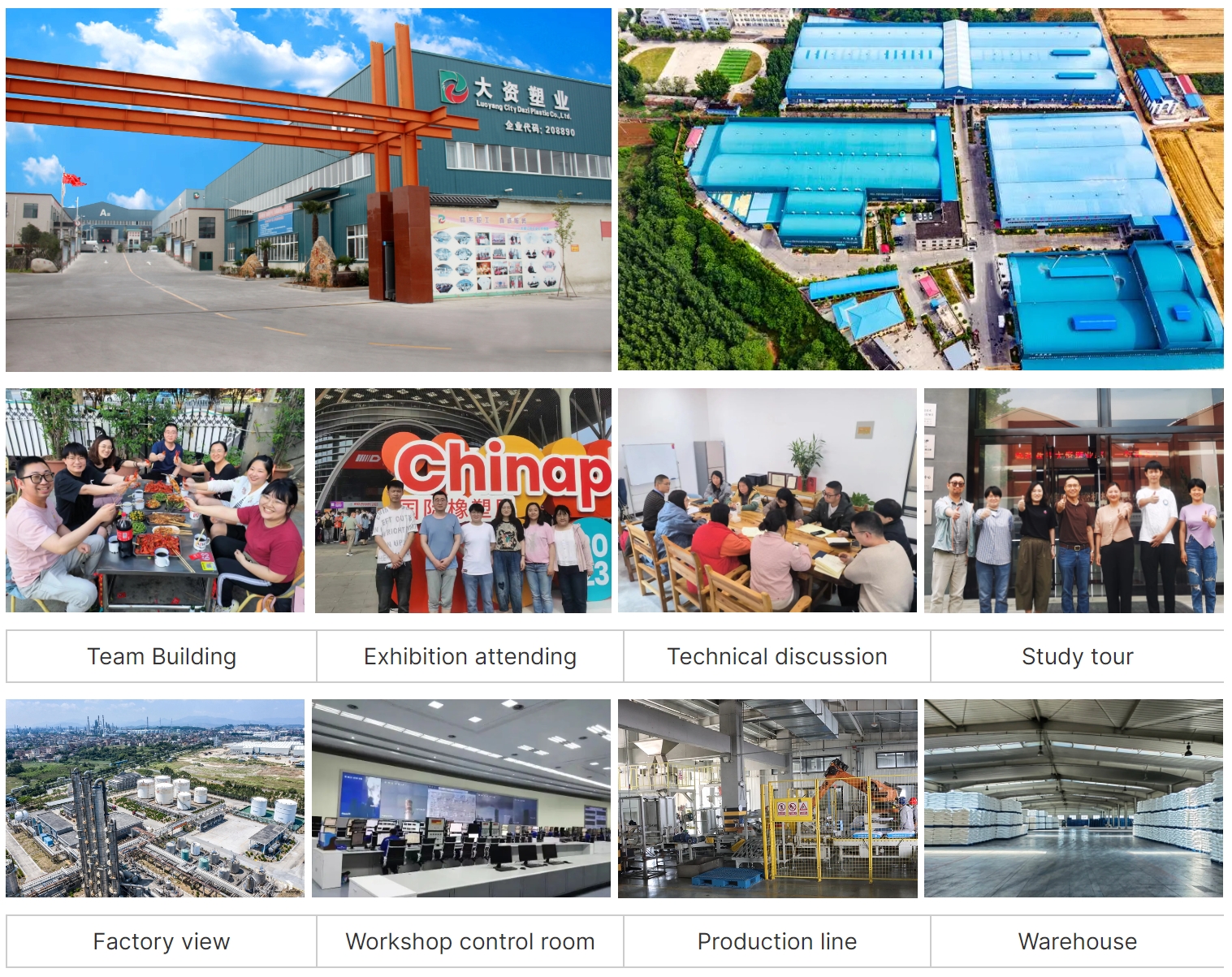


We have established long-term cooperative relations with more than 60+ well-known enterprises all over the world

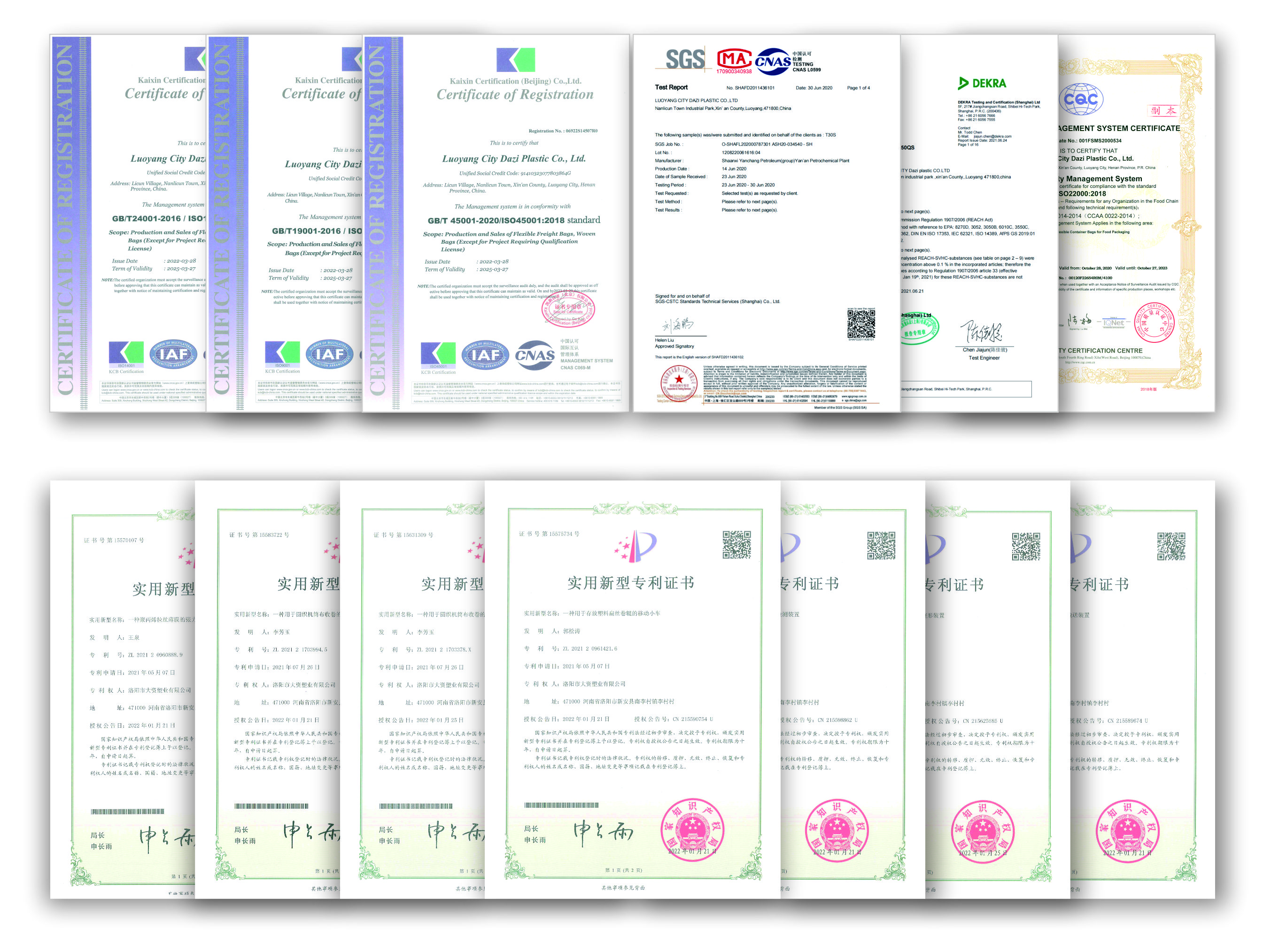
Our company has 12 certifications and 57+ patents.
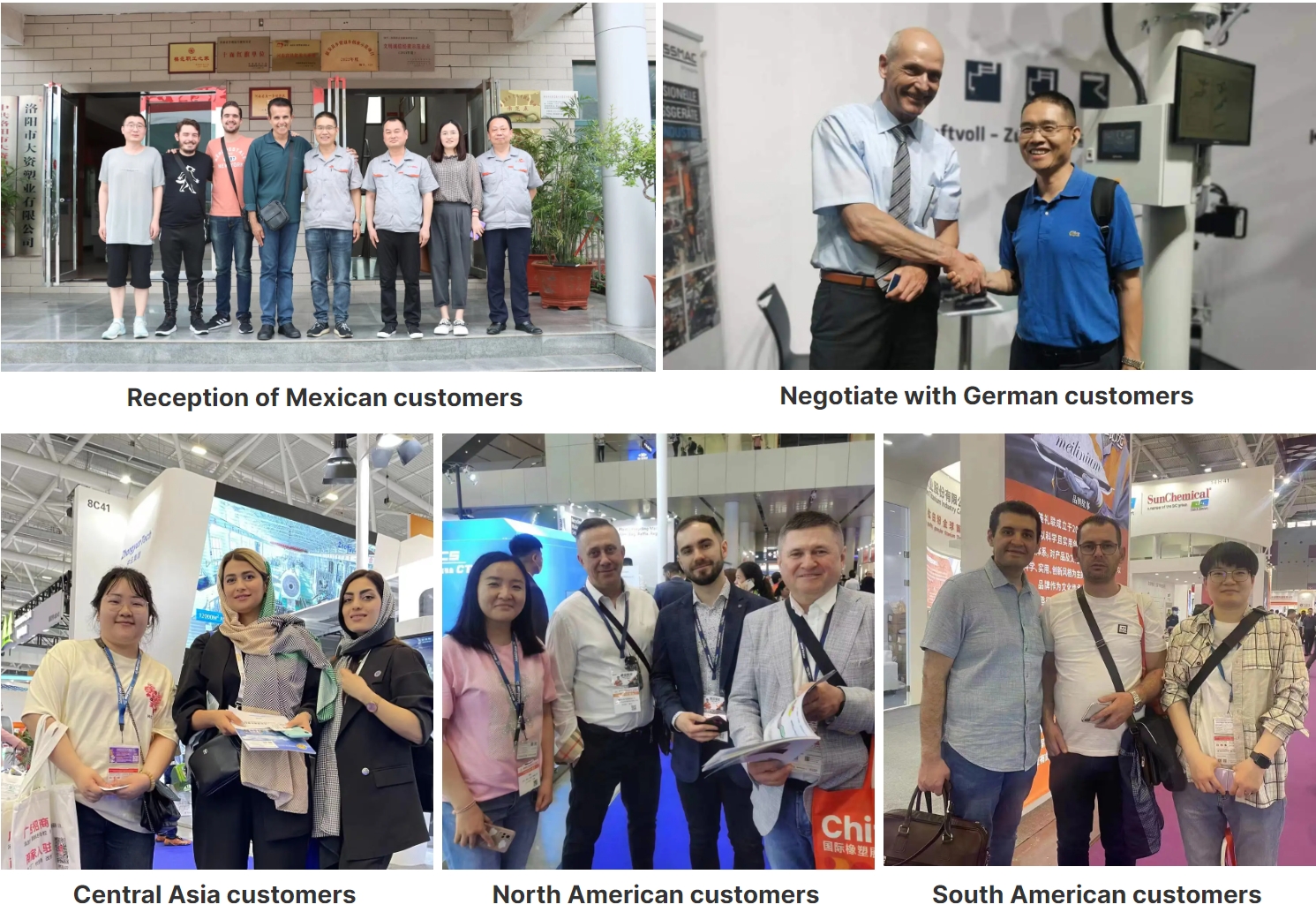
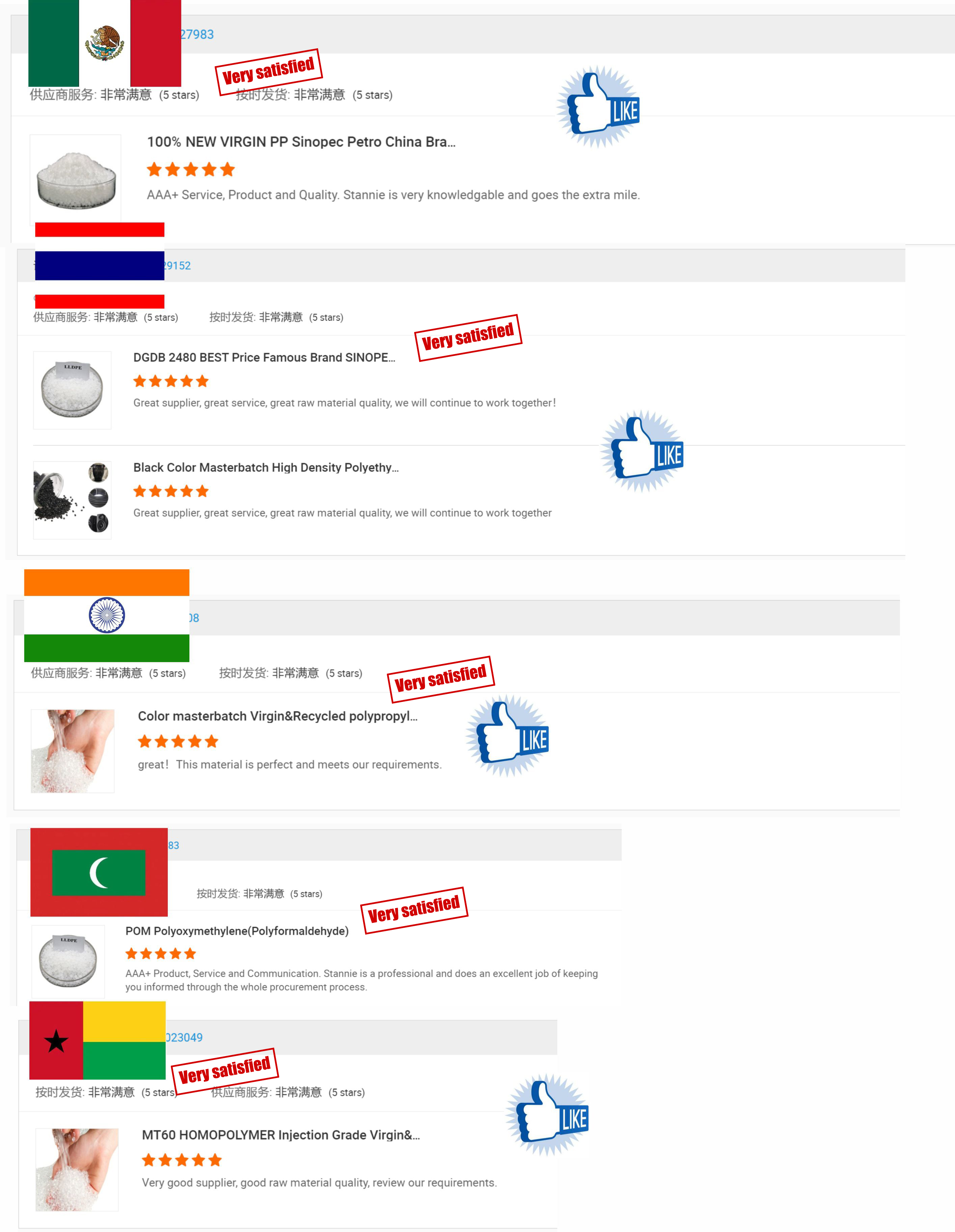

23 years' experience Professional purchasing consultant with a supply chain of 1200+ plastic raw materials in China.