Application Advantages of PET Plastic in Food Packaging and Recycled Processing
2026-07-20 09:09:21
PET (Polyethylene Terephthalate) plastic has long been the most dominant and trusted material in the global food packaging industry. With its unique combination of high transparency, excellent barrier performance, lightweight structure, and stable food-grade safety, PET plastic has replaced many traditional packaging materials and become the standard solution for beverage containers, food blister packs, snack packaging, and rigid food containers. Meanwhile, thanks to its superior recyclability and mature reprocessing technology, recycled PET processing has formed a complete circular industrial chain, bringing huge economic and environmental benefits to food manufacturers and packaging suppliers. This article systematically analyzes the core application advantages of PET plastic in food packaging and the industrial value of recycled PET processing.
Core Physical & Chemical Advantages of PET for Food Packaging
The reason why PET plastic occupies an absolute leading position in food packaging lies in its comprehensive performance advantages that perfectly match food safety and storage requirements. Different from ordinary general-purpose plastics, PET material features high chemical stability, low permeability, and ultra-low impurity precipitation, making it highly compatible with long-term food storage.
First, PET provides outstanding barrier properties against oxygen, carbon dioxide, water vapor, and external odors. It effectively prevents food oxidation, moisture absorption, mildew, and flavor loss, greatly extending the shelf life of beverages, dried fruits, snacks, and ready-to-eat foods. This barrier capability solves the biggest pain point of food packaging — short product shelf life caused by air and moisture penetration.
Second, PET plastic delivers high rigidity, lightweight performance, and excellent structural stability. Compared with glass packaging, PET containers are lightweight, shatterproof, and easy to transport, which greatly reduces logistics breakage rates and transportation costs. Compared with PE and PP flexible films, PET has higher surface hardness, better shape retention, and stronger compression resistance, suitable for high-standard rigid and semi-rigid food packaging.
In addition, PET features high transparency and high gloss. Crystal-clear packaging displays food texture and appearance intuitively, improving product aesthetics and consumer purchase desire. It also supports printing, labeling, and surface modification, meeting personalized brand packaging needs in the food industry.
Food-Grade Safety Compliance Advantage
Food packaging materials must meet strict health and safety standards, and PET is one of the few plastics that can stably pass global food-grade certifications including FDA, EU food contact standards, and RoHS. Virgin PET plastic resin is non-toxic, odorless, and free of harmful plasticizers, heavy metals, and volatile substances. It will not produce chemical precipitation when contacting beverages, oily food, acidic food, and daily snacks.
With high-temperature resistance and low-temperature resistance, PET can adapt to various food processing scenarios, including normal-temperature filling, cold storage, and frozen storage. It maintains stable molecular structure and will not release harmful substances during daily use, ensuring full-process food safety from factory packaging, transportation, and shelf sales to consumer use.
Wide Application Scenarios of PET Plastic in Food Packaging
Due to its safety, stability, and processability, PET plastic covers almost all mainstream food packaging categories in the modern food industry.
1. Beverage & Liquid Food Packaging
PET is the standard material for drinking water bottles, carbonated drinks, fruit juices, tea beverages, and liquid dairy packaging. Its excellent gas barrier performance prevents beverage oxidation and air leakage, while its lightweight and drop-resistant features adapt to large-scale industrial filling and long-distance commodity circulation.
2. Solid Food & Snack Packaging
PET film and blister sheets are widely used in biscuit packaging, candy blister trays, dried fruit packaging, nut sealing films, and pastry outer packaging. It effectively isolates external dust, moisture, and pollutants, keeping solid food dry, crisp, and fresh for a long time.
3. Frozen & Fresh-Keeping Food Packaging
PET material maintains stable toughness and low-temperature resistance in cold environments, not easy to crack or deform. It is widely used in quick-frozen food packaging, fresh food trays, and refrigerated product outer packaging, providing reliable protection for cold-chain logistics.
4. Edible Oil & Condiment Packaging
High-purity PET plastic containers are commonly used for edible oil, vinegar, sauce, and seasoning packaging. Its oil resistance and chemical stability prevent grease oxidation and material corrosion, ensuring the safety and taste stability of condiments.
Industrial Advantages of PET Recycled Processing
Beyond excellent packaging performance, PET’s greatest industrial highlight is its excellent recyclability. PET is a fully recyclable thermoplastic with extremely high regeneration utilization rate, forming a mature low-carbon circular economy model in the packaging industry. Recycled PET (rPET) processing brings dual value of cost reduction and environmental compliance for food packaging enterprises.
1. High Recycling Purity & Stable Regenerated Performance
Waste PET bottles and packaging materials can be processed into high-quality recycled PET pellets through professional sorting, crushing, cleaning, decontamination, and melt granulation. After standardized recycled processing, rPET retains most of the physical properties of virgin PET, including high transparency, barrier performance, and tensile strength, which can be reused for packaging film production, plastic container manufacturing, and industrial packaging materials.
2. Significant Cost-Effective Benefits
Recycled PET raw materials are much lower in price than virgin PET resin. Large-scale adoption of rPET can effectively reduce the raw material procurement cost of food packaging manufacturers. With stable supply and mature processing technology, recycled PET processing realizes low-cost resource reuse and improves the overall profit margin of the packaging industry.
3. Low-Carbon & Eco-Friendly Industrial Value
PET recycled processing greatly reduces the demand for new petrochemical raw materials, lowers carbon emissions and energy consumption, and reduces plastic waste pollution. In the context of global carbon neutrality and green supply chain policies, food packaging products using rPET materials can meet international environmental certification standards, help brands enhance green image, and adapt to global sustainable trade rules.
4. Diversified Reuse Scenarios
Processed recycled PET pellets can not only remake food-grade packaging containers after deep purification but also be widely used in packaging films, textile fibers, industrial plastic parts, and logistics packaging supplies, realizing multi-scenario resource circulation and maximizing material utilization value.
Future Development Trends of PET Food Packaging & Recycling
As food safety standards become increasingly stringent and global environmental protection policies continue to upgrade, PET packaging will further develop toward high barrier performance, ultra-light weight, and food-grade recyclability. More enterprises will adopt the mixed use of virgin PET and recycled PET to balance food safety, product quality, and green production. With the continuous innovation of recycled processing technology, the purity and safety of rPET will continue to improve, enabling large-scale reuse in high-end food packaging fields.


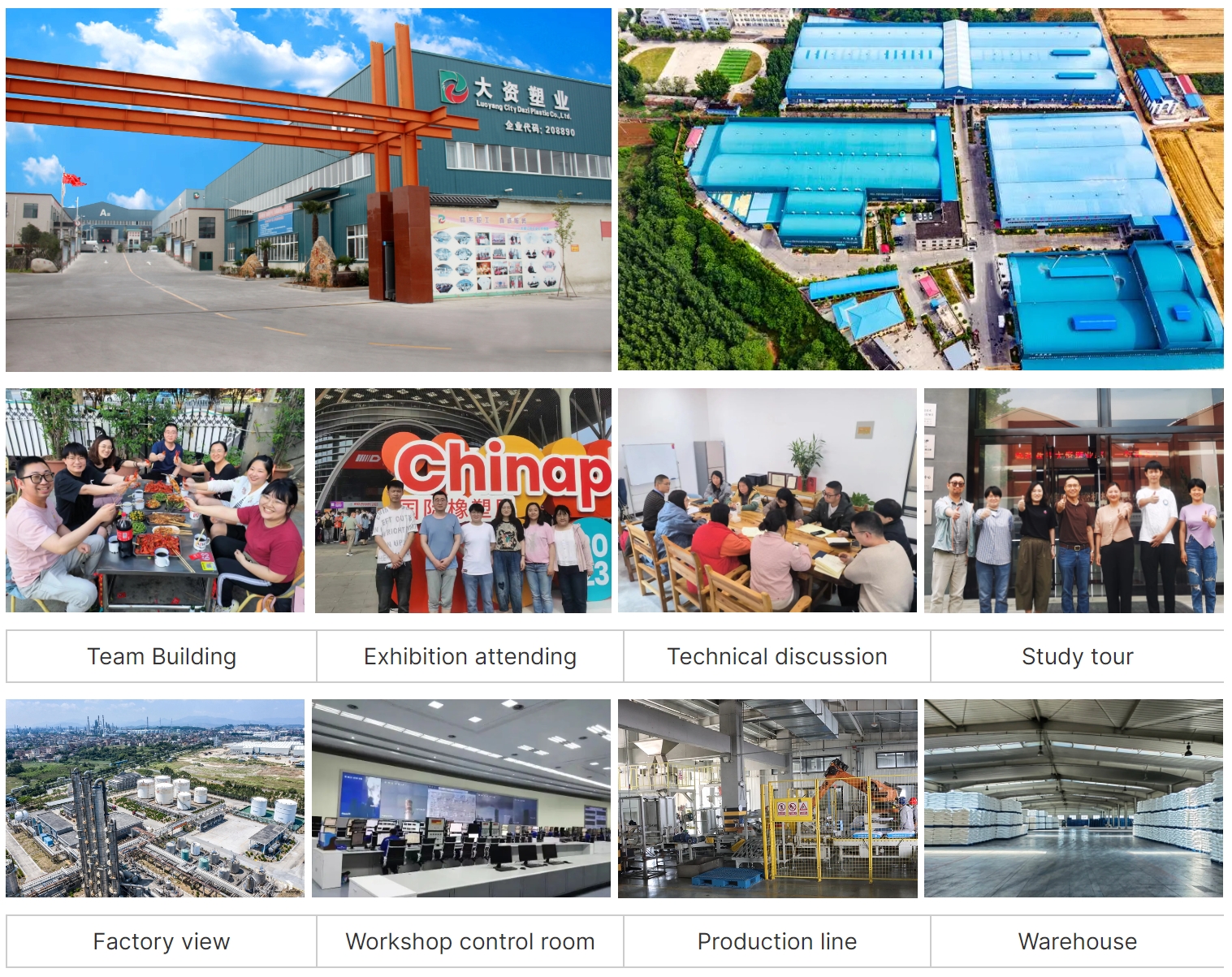

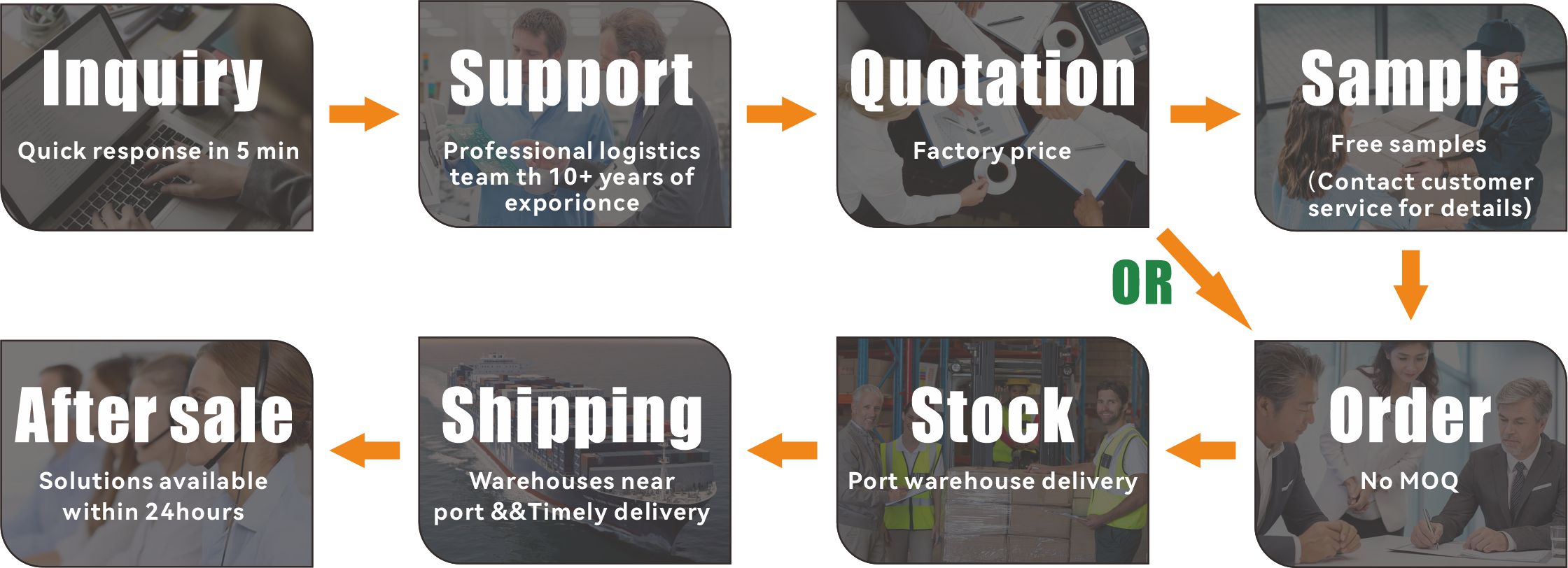

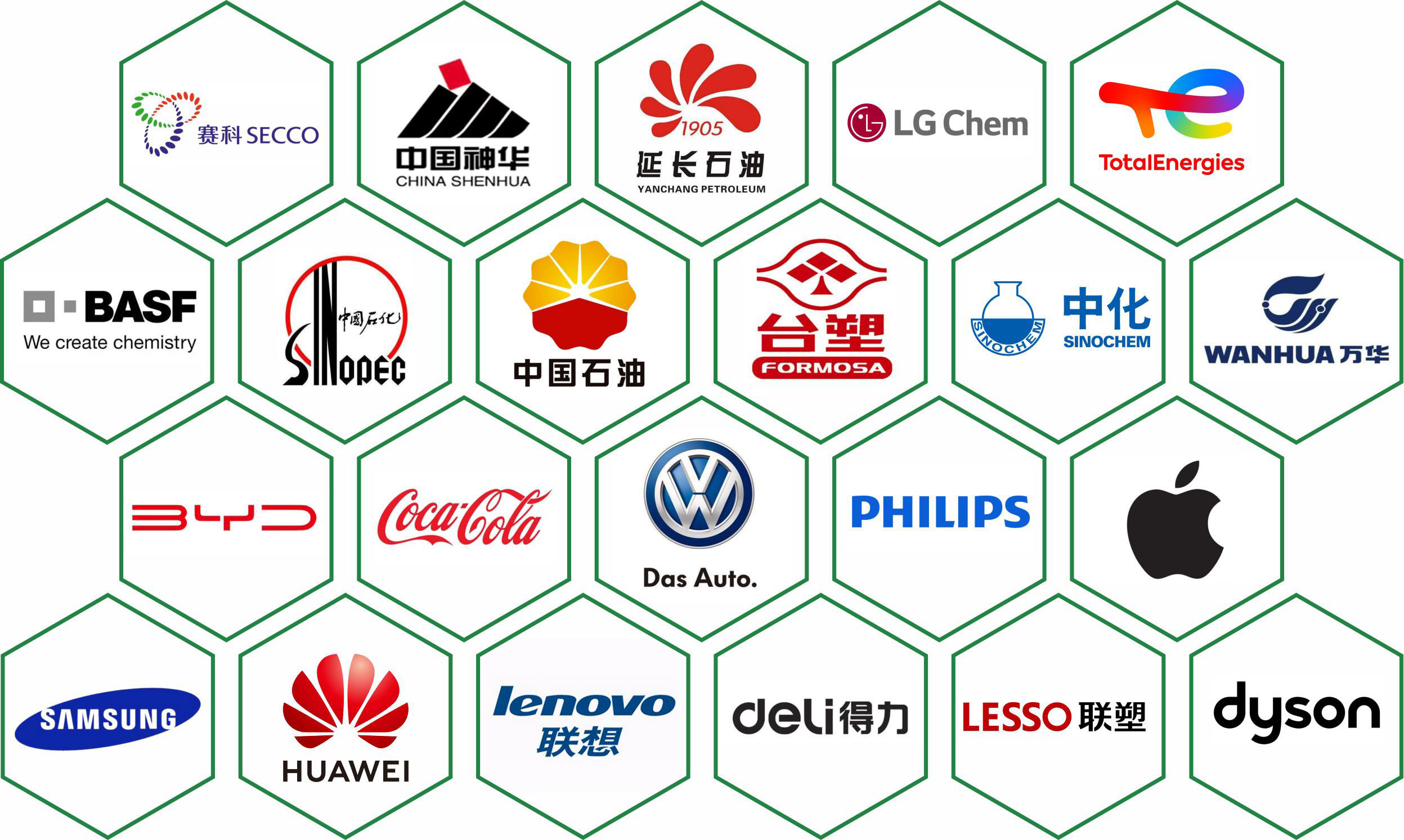
We have established long-term cooperative relations with more than 60+ well-known enterprises all over the world

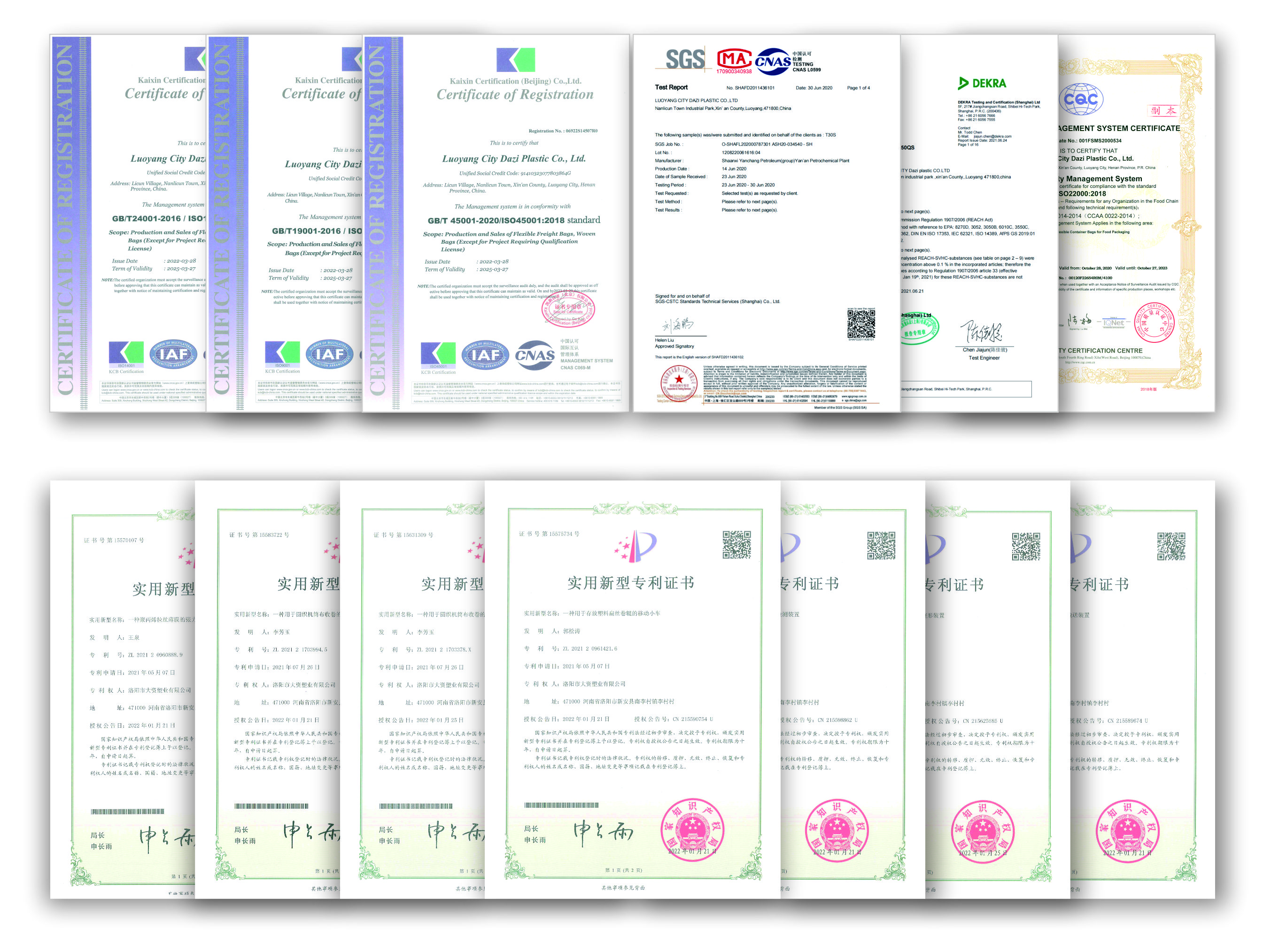
Our company has 12 certifications and 57+ patents.
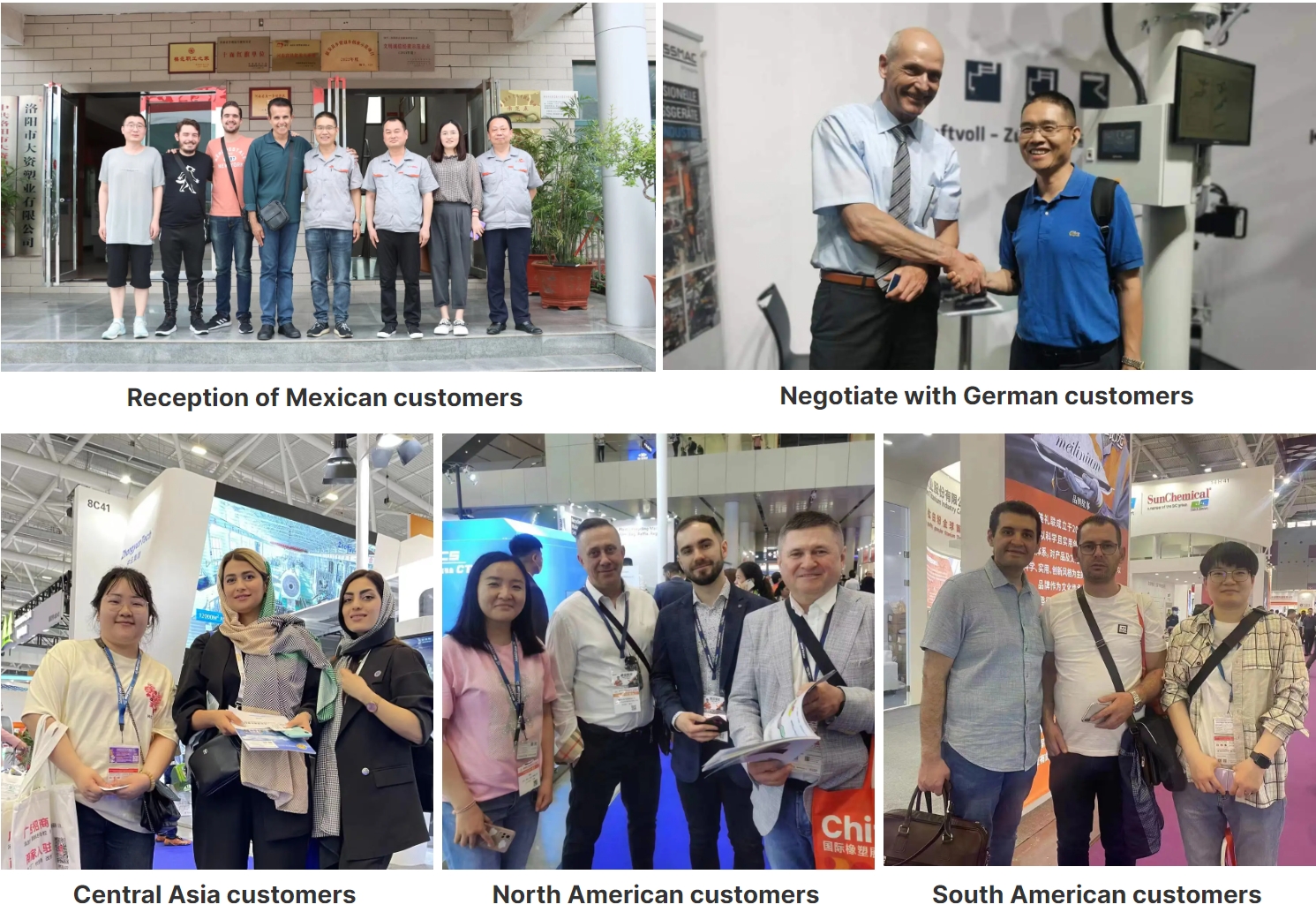
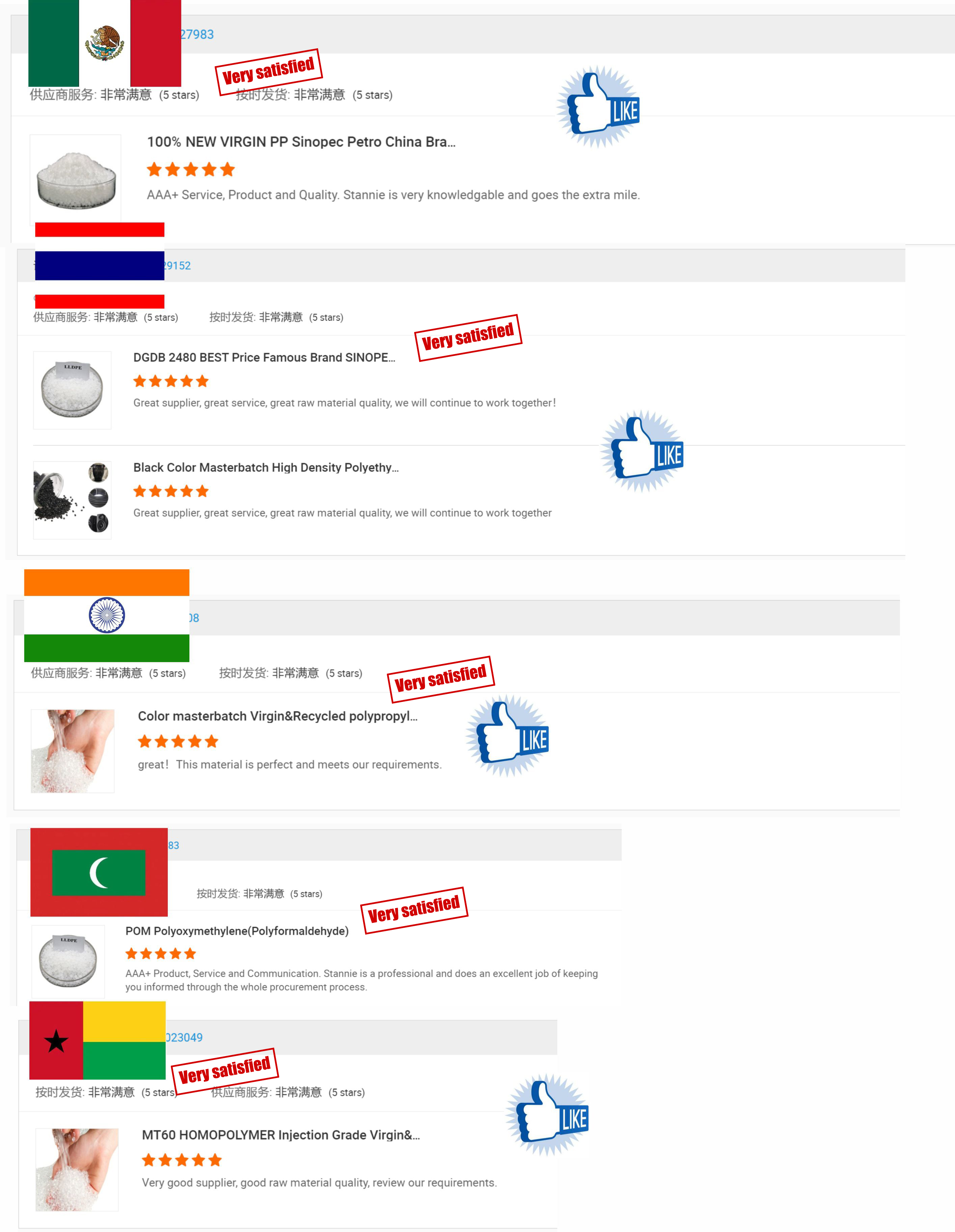

23 years' experience Professional purchasing consultant with a supply chain of 1200+ plastic raw materials in China.