SBS Thermoplastic Elastomer: Modification Ideas to Boost Compatibility with Polyolefin Blends
2026-08-25 08:55:18
Styrene-Butadiene-Styrene (SBS) thermoplastic elastomer is a core styrenic block copolymer widely used in toughening modification, soft-touch compounding, adhesive blending and flexible plastic manufacturing. It combines the high rigidity of styrene hard segments and the excellent elasticity of butadiene soft segments, delivering outstanding flexibility, low-temperature toughness and processing adaptability. When blended with mainstream polyolefin resins including PP and PE, SBS can effectively compensate for the insufficient toughness, poor flexibility and low impact resistance of pure polyolefin materials. However, the inherent structural differences between SBS and polyolefins lead to weak interfacial affinity, severe phase separation, uneven dispersion and deteriorated mechanical performance of unmodified blends. Targeted modification of SBS is the key to breaking compatibility bottlenecks and maximizing the synergistic performance of SBS-polyolefin composite systems. This article explores practical and industrialized SBS modification ideas to significantly enhance interfacial compatibility and blending stability with polyolefin blends.
Root Causes of Poor Compatibility Between SBS and Polyolefins
The poor miscibility of SBS/polyolefin blends stems from fundamental thermodynamic and structural mismatches. SBS is a polar-containing block copolymer with styrene aromatic segments and unsaturated butadiene double bonds, featuring distinct microphase separation structure and surface polarity. In contrast, PP and PE are typical non-polar polyolefin materials with stable saturated molecular chains, low surface energy and no reactive functional groups.
In unmodified blending systems, the two materials lack effective interfacial bonding force. SBS particles tend to agglomerate rather than disperse uniformly in polyolefin matrices. Obvious phase interface gaps form during melt processing, resulting in reduced tensile strength, poor impact stability, uneven product surface gloss and easy delamination of finished products. Simple physical blending cannot eliminate interfacial defects, making professional SBS modification an indispensable process for high-performance polyolefin elastomer compounding.
1. Functional Grafting Modification for Interfacial Activation
Grafting functional modification is the most mainstream and efficient method to improve SBS-polyolefin compatibility. This approach introduces active polar functional groups onto SBS molecular chains without destroying its original elastic structure, building bridging connections between SBS elastomer and non-polar polyolefin matrices.
Maleic anhydride (MAH) grafting is the most mature industrial solution. Under the initiation of trace peroxide initiators, MAH monomers are grafted onto SBS butadiene segments, producing SBS-g-MAH modified copolymers. The anhydride functional groups on grafted chains form strong interfacial adhesion and physical entanglement with polyolefin molecular segments, effectively eliminating phase separation gaps. Compared with pure SBS, graft-modified SBS achieves uniform micron-level dispersion in PP/PE matrices, greatly improving the tensile strength, bending resistance and interfacial bonding stability of blends.
In addition to MAH grafting, composite grafting systems such as styrene-co-maleic anhydride can further optimize modification effects. The co-grafted structure balances the affinity between SBS styrene segments and polyolefin chains, avoiding excessive local polarity that affects blending uniformity, and is suitable for high-precision elastomer-polyolefin composite products.
2. Selective Hydrogenation Modification to Optimize Molecular Affinity
Unsaturated double bonds in SBS butadiene segments are the main cause of poor compatibility and easy aging of polyolefin blends. Selective hydrogenation modification converts unsaturated butadiene chains into saturated ethylene-butylene structures, transforming ordinary SBS into hydrogenated SEBS elastomer with higher polyolefin similarity.
Hydrogenated SBS (SEBS) features fully saturated molecular chains consistent with polyolefin structural characteristics, achieving excellent thermodynamic miscibility with PP and PE. The saturated soft segments can perfectly fuse with polyolefin matrices, while hard styrene segments maintain physical cross-linking and toughening effects. This modification idea fundamentally solves the incompatibility problem from molecular structure, enabling blends to obtain higher toughness, weather resistance and processing stability. Hydrogenation-modified SBS is especially suitable for outdoor polyolefin flexible products and long-service-life toughened composite materials.
3. Compatibilizer-Assisted Blending Modification
For low-cost industrial production scenarios that avoid complex chemical grafting and hydrogenation processes, adding targeted polymeric compatibilizers is a flexible and efficient compatibility improvement scheme. The selected compatibilizers have dual-phase affinity, compatible with both SBS styrene/butadiene segments and polyolefin molecular chains, serving as interfacial transition layers to reduce interfacial tension.
Styrene-olefin block copolymer compatibilizers are the most matched additives for SBS-polyolefin systems. Their styrene blocks are fully compatible with SBS matrixes, while olefin blocks form tight entanglement with PP/PE molecular chains. This dual-compatibility structure effectively reduces phase boundary tension, promotes uniform dispersion of SBS micro-particles, and inhibits agglomeration and delamination. In actual production, adding 3%–5% customized compatibilizer can significantly improve blend uniformity, surface finish and mechanical stability, with low modification cost and simple process operation.
4. Dynamic Vulcanization Modification for Stable Phase Structure
Dynamic vulcanization is a professional modification idea for preparing high-stability SBS/polyolefin thermoplastic vulcanizates (TPV). During high-temperature melt blending, selective cross-linking and vulcanization are performed on SBS elastomer phases under high shear force, while polyolefin matrices maintain thermoplastic processing characteristics.
This modification method realizes stable dynamic phase structure of "thermoplastic polyolefin matrix + cross-linked SBS micro-rubber particles". Although SBS and polyolefins are thermodynamically immiscible, dynamic vulcanization achieves kinetic stable blending state. Cross-linked SBS particles are uniformly dispersed in polyolefin matrices, effectively solving phase separation and poor interfacial bonding problems. Modified blends obtain excellent elastic recovery, wear resistance and structural stability, widely used in high-performance flexible pipe materials, sealing parts and soft-touch household polyolefin products.
5. Nano-Filler Synergistic Modification
Nano-scale inorganic and organic fillers can assist in optimizing SBS-polyolefin interfacial compatibility, realizing dual improvement of blending stability and comprehensive performance. Modified nano talc, nano calcium carbonate and graphene oxide can be uniformly adsorbed at the SBS-polyolefin phase interface, reducing interfacial tension and limiting molecular phase separation movement.
Nano-fillers act as interfacial bridge carriers to enhance phase interface bonding force, while improving the rigidity, heat resistance and dimensional stability of composite blends. Different from single chemical modification, synergistic nano-modification not only boosts compatibility but also compensates for the rigidity loss of polyolefin materials after SBS toughening, achieving balanced optimization of toughness and rigidity of composite materials.
Modification Selection Rules for Different Polyolefin Matrixes
Different polyolefin resins require targeted SBS modification schemes to maximize compatibility effects, avoiding blind modification and performance waste.
For PP/SBS blends with high crystallinity and poor low-temperature toughness, MAH grafting modification and dynamic vulcanization are preferred. The grafted functional groups effectively improve the interfacial bonding force between crystalline PP and elastic SBS, significantly enhancing low-temperature impact resistance and bending fatigue resistance.
For PE/SBS blends with flexible and low-rigidity characteristics, hydrogenation modification and compatibilizer auxiliary modification are more suitable. Hydrogenated SBS has higher matching with PE molecular structure, maintaining the soft-touch characteristics of PE products while improving blending uniformity and surface smoothness.
Performance Advantages of Modified SBS/Polyolefin Blends
After scientific compatibility modification, SBS-polyolefin composite systems completely eliminate common defects such as phase delamination, particle agglomeration and poor surface gloss. The modified blends retain the original processing advantages of polyolefins and the elastic toughening characteristics of SBS, obtaining more balanced comprehensive performance. They feature higher mechanical strength, better low-temperature toughness, stable dimensional accuracy, excellent weather resistance and uniform texture, greatly expanding the application scope of ordinary polyolefin and SBS single materials.
Industrial Application Scenarios of Modified Compatible Blends
-
Soft-touch household products: Modified SBS/PP blends for non-slip handles, soft rubber accessories and flexible shell parts
-
Automotive interior elastomer parts: Weather-resistant and impact-resistant modified blends for automotive sealing strips, shock-absorbing accessories and flexible interior trim
-
Flexible packaging and hose materials: High-compatibility PE/SBS modified blends for soft pipes, buffer packaging and stretch protective materials
-
High-performance TPV composite materials: Dynamically vulcanized modified blends for industrial sealing and wear-resistant elastic parts
Conclusion
The poor compatibility between unmodified SBS thermoplastic elastomer and polyolefin blends is a core bottleneck restricting the performance improvement of composite materials. Functional grafting, selective hydrogenation, compatibilizer auxiliary blending, dynamic vulcanization and nano-synergistic modification are five practical and industrialized modification ideas to effectively solve interfacial miscibility and phase separation problems. Targeted modification matching according to different polyolefin matrix characteristics can significantly optimize interfacial bonding force and blending uniformity, preparing high-toughness, high-stability and high weather-resistance SBS/polyolefin composite materials. These modified solutions provide reliable technical support for the upgrading and performance iteration of elastomer-polyolefin compounding industry.


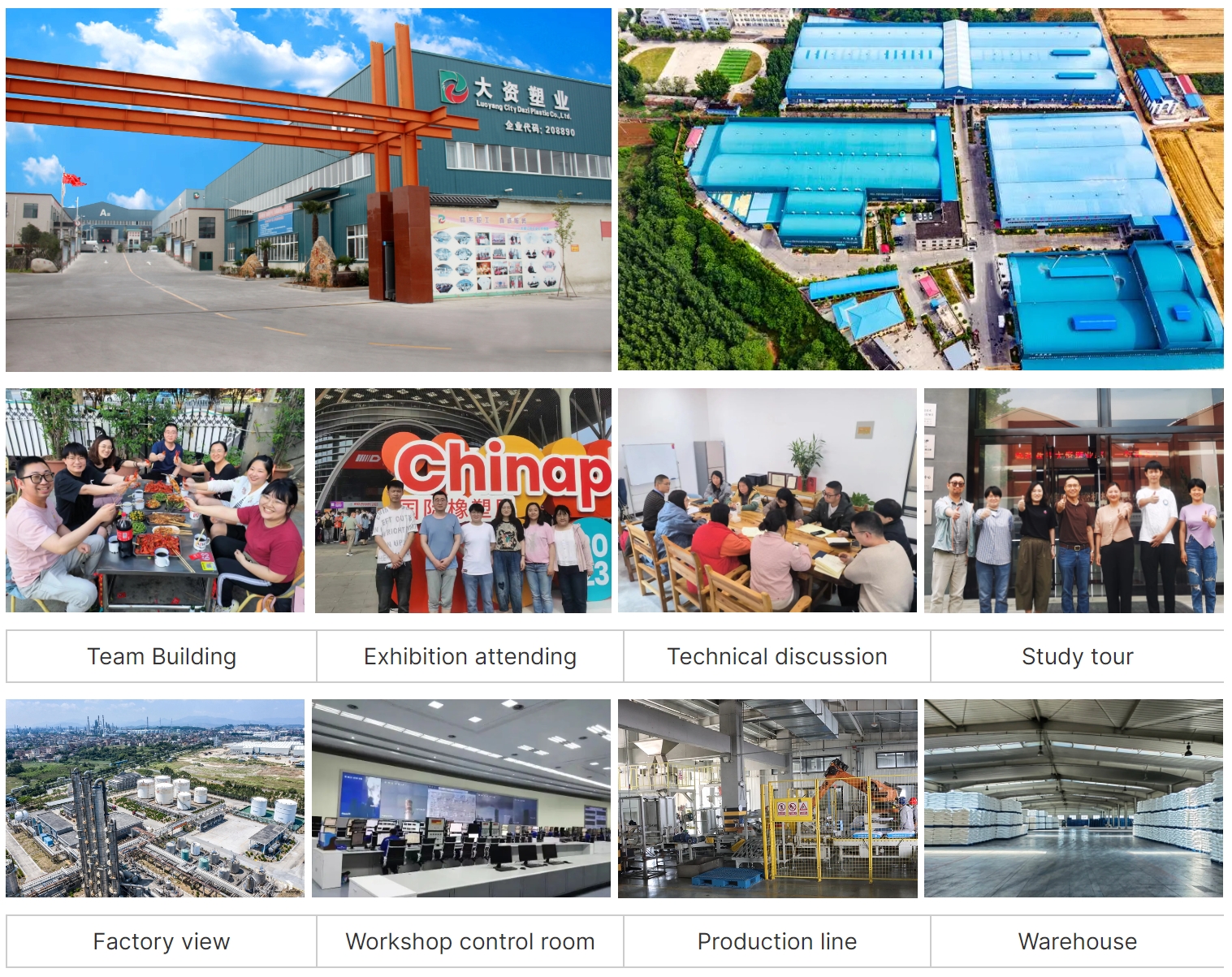


We have established long-term cooperative relations with more than 60+ well-known enterprises all over the world

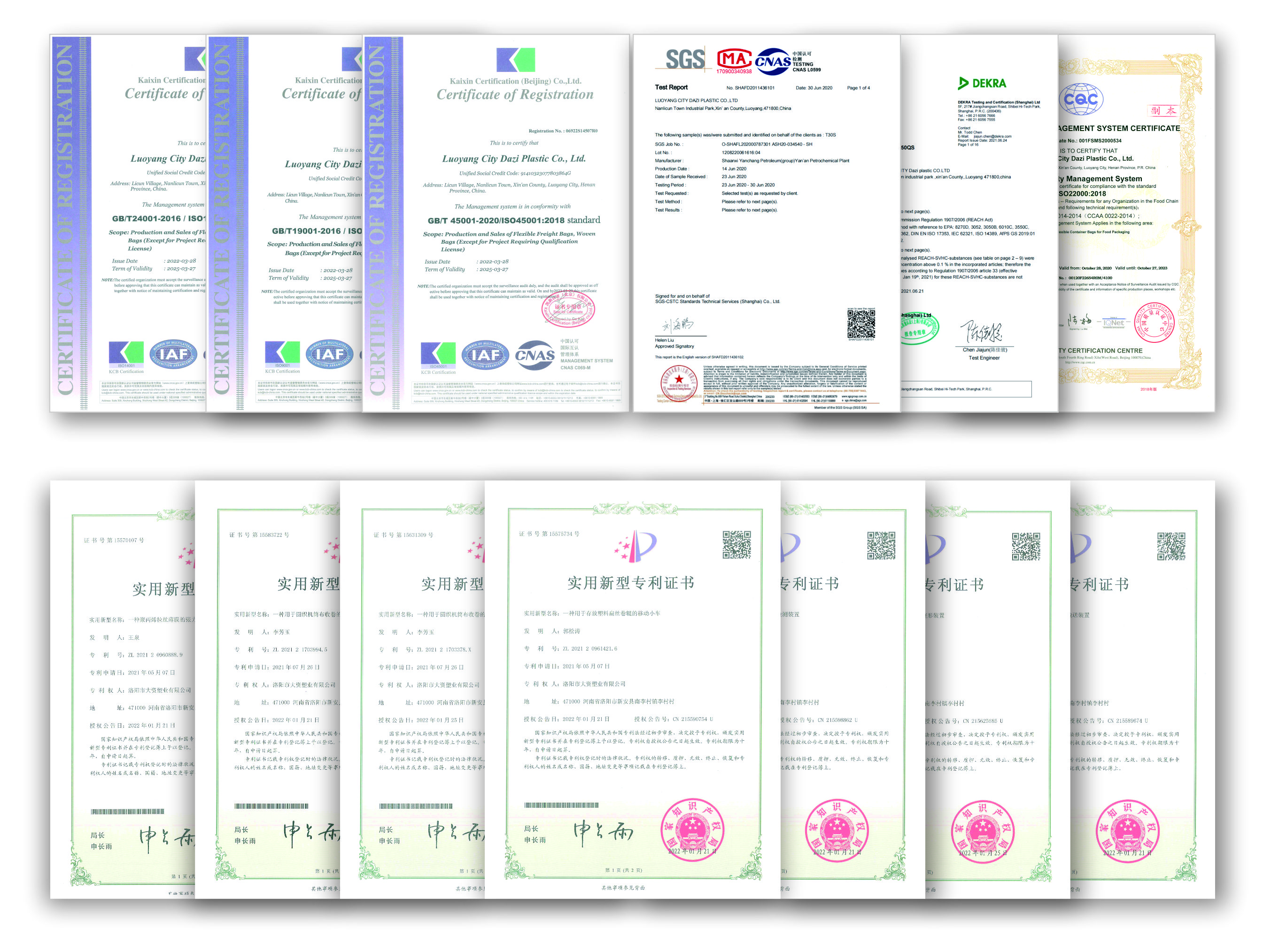
Our company has 12 certifications and 57+ patents.
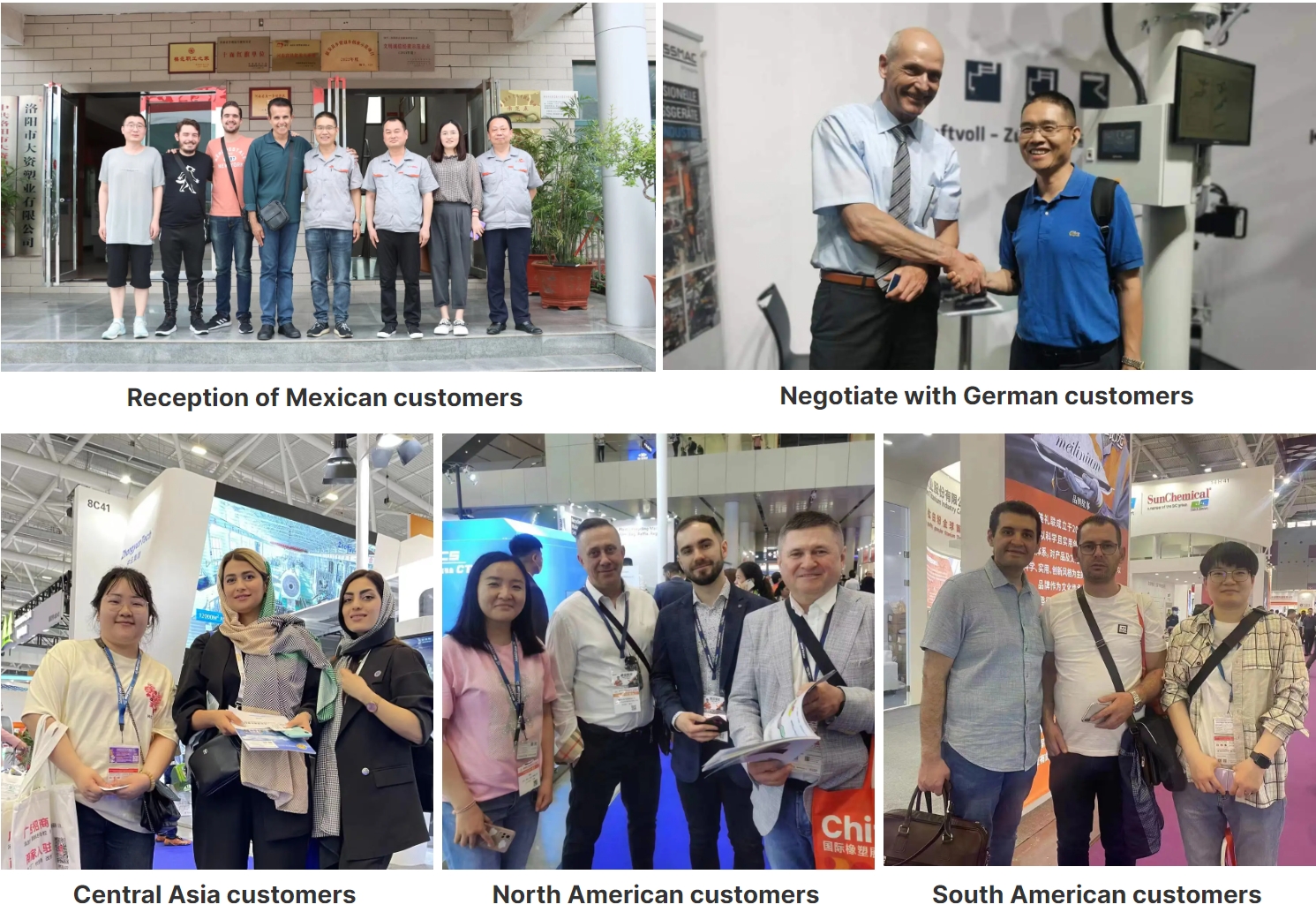
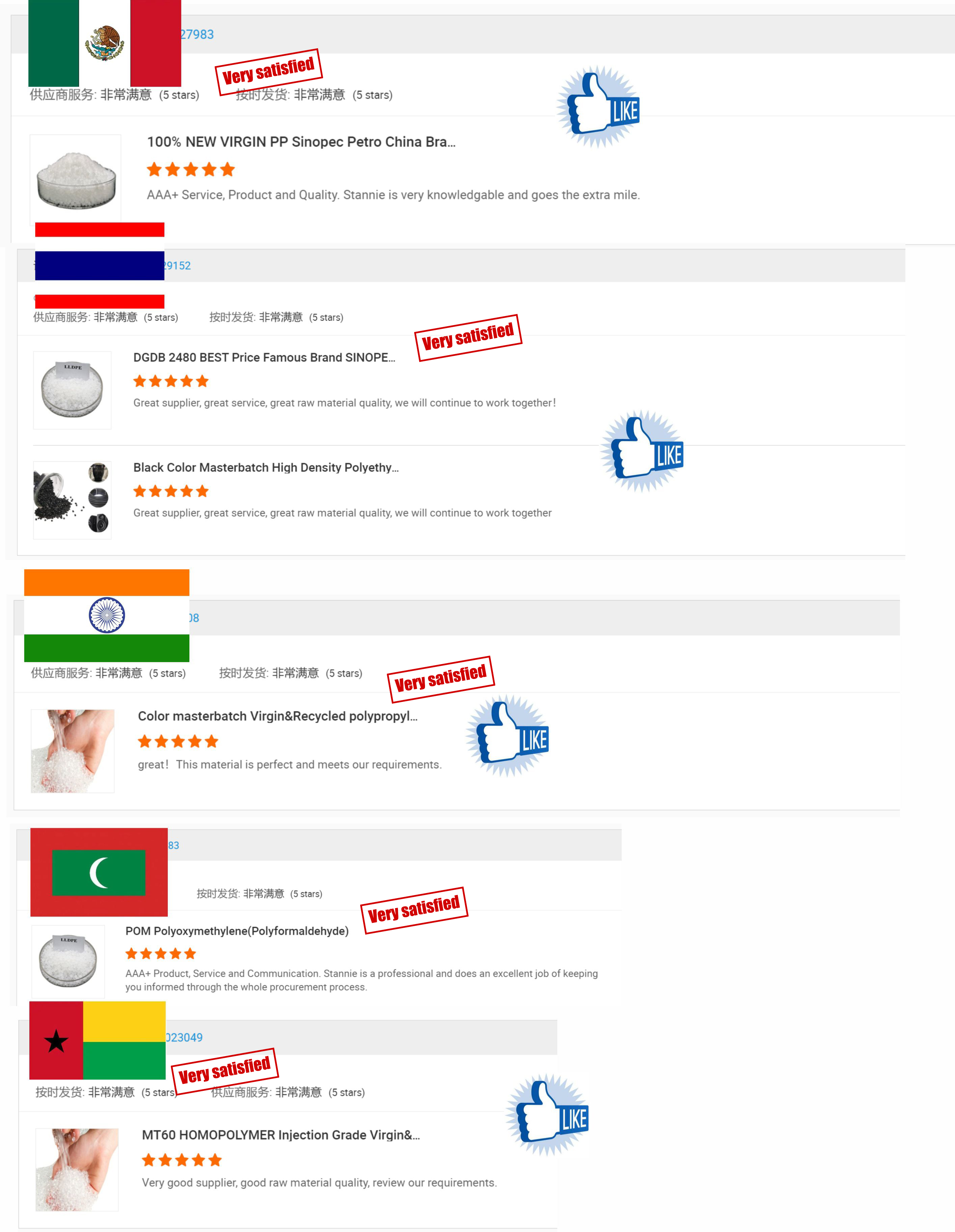

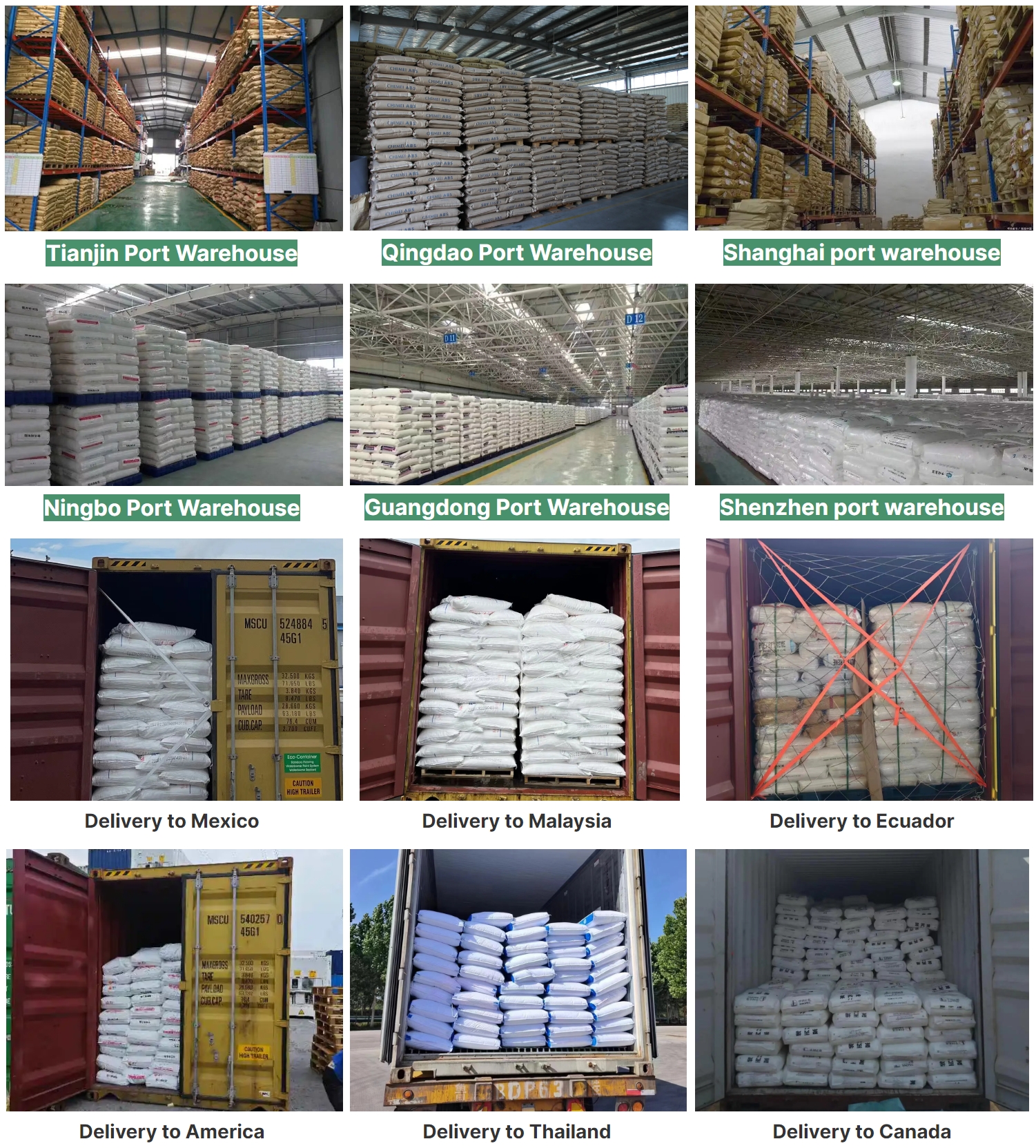
23 years' experience Professional purchasing consultant with a supply chain of 1200+ plastic raw materials in China.