Recycled PET Resin: Balancing Cost Performance and Sustainable Production for Packaging Industry
2026-09-03 17:24:35
As global packaging regulations tighten and brand low-carbon transformation accelerates, recycled PET (rPET) resin has evolved from an optional eco-friendly material into a mainstream packaging substrate for food, beverage, daily chemical and consumer product industries. Unlike virgin PET resin produced from petroleum feedstocks, rPET is refined from post-consumer PET waste through sorting, cleaning, re-melting and decontamination processes. It delivers prominent environmental benefits including reduced carbon emissions and plastic waste diversion. However, the packaging industry universally faces a core dilemma: high short-term reprocessing costs and supply instability of high-purity rPET often conflict with enterprise cost control targets. Mastering the scientific balance between cost performance and sustainable production has become the key to large-scale, profitable and compliant application of rPET packaging.
The Dual Dilemma of rPET in Modern Packaging Production
Currently, the industrial promotion of rPET is restricted by a typical structural contradiction. On the sustainability side, rPET outperforms virgin PET significantly: mechanical recycled PET cuts carbon emissions by 40%–70% compared with virgin PET production, while chemical recycled rPET also reduces greenhouse gas output by more than 30%. It effectively alleviates petroleum resource consumption and plastic pollution pressure, fully meeting global carbon neutrality goals, brand ESG assessment and plastic restriction policies.
On the cost and performance side, rPET faces obvious industrialization barriers. Rigorous waste sorting, multi-stage purification and food-grade decontamination processes lead to higher unit production costs than virgin PET. Insufficient high-quality recycled raw material supply further pushes up market prices, resulting in a visible premium for certified food-grade rPET. Meanwhile, improperly processed rPET may have minor defects such as reduced transparency, scattered impurity spots and unstable viscosity, which affect packaging appearance and molding consistency. This cost-performance imbalance makes many packaging enterprises hesitant in full-scale replacement.
Hidden Long-Term Cost Advantages of rPET That Offset Short-Term Premiums
Most packaging manufacturers only focus on the upfront resin procurement price gap while ignoring the comprehensive cost advantages of rPET in long-term sustainable operation. In fact, rPET can effectively reduce multiple implicit operational expenditures for packaging enterprises.
First, rPET helps enterprises avoid global plastic taxation and regulatory penalties. Regions including the EU, UK and many emerging markets have launched plastic packaging taxes targeting low recycled content. Packaging products with insufficient rPET proportion face high tariff surcharges and market access restrictions. Adopting qualified rPET resin can legally bypass these policy costs and ensure smooth customs clearance and market circulation of products.
Second, rPET reduces brand operation and market competition costs. At present, mainstream consumer brands have clearly defined recycled material proportion requirements for packaging. Stable rPET application enables packaging suppliers to meet customer ESG audit standards, obtain high-value sustainable packaging orders and form differentiated market competitiveness. This brand premium and order increment far make up for the short-term resin price difference.
Third, rPET production has significant energy-saving advantages. Compared with virgin PET synthesis, recycled PET reprocessing saves nearly 70% of production energy consumption. Long-term large-scale application can continuously reduce enterprise energy consumption costs and lower unit manufacturing energy overhead, realizing progressive cost optimization with capacity expansion.
Key Technical Strategies to Improve rPET Cost Performance
To solve the problem of unstable comprehensive performance of recycled resin and realize cost and efficiency balance, packaging enterprises can optimize production from material grading, formula blending and process upgrading dimensions.
1. Graded Material Matching to Avoid Over-Specification Waste
Not all packaging scenarios require high-standard food-grade rPET. Enterprises can adopt graded matching according to product application scenarios to reduce material costs. For outer packaging, logistics packaging and non-direct food contact containers, standard industrial-grade rPET with moderate purity can be used to replace full food-grade recycled resin, ensuring basic physical performance while cutting procurement costs. For direct contact food and beverage packaging, only certified food-grade and GRS-certified high-purity rPET is deployed to balance safety compliance and cost control.
2. Virgin-rPET Blending Technology for Stable Performance and Cost Reduction
Pure high-proportion rPET molding may lead to slight viscosity fluctuation and gloss attenuation. Adopting scientific virgin PET and rPET blending technology can stabilize comprehensive performance while reducing material costs. A reasonable blending ratio effectively improves the fluidity, transparency and molding stability of recycled resin, eliminates defective products caused by single rPET performance fluctuation, reduces scrap rate losses, and achieves dual optimization of qualification rate and material cost.
3. Optimized Reprocessing and Molding Parameters
Precise adjustment of extrusion and injection molding parameters for rPET characteristics can significantly improve yield and reduce production consumption. Recycled PET has different melting temperature and shear sensitivity from virgin PET. Optimizing drying temperature, melt pressure and cooling cycle can effectively eliminate bubble defects, surface fogging and tensile strength attenuation caused by residual moisture and impurity decomposition. Stable process parameters reduce production waste and improve unit output efficiency, indirectly lowering the average use cost of rPET.
Sustainable Production Optimization Paths for rPET Packaging Enterprises
1. Build Stable Graded Supply Chain System
The core reason for rPET price volatility is the mismatch between high-quality recycled material supply and market demand. Packaging enterprises can cooperate with formal recycled resin manufacturers to establish long-term fixed-quantity supply mechanisms and obtain stable priced graded rPET materials. Centralized bulk procurement and long-term order cooperation can effectively avoid short-term market price fluctuations and stabilize raw material cost budgets.
2. Adopt Advanced Recycling Technology to Upgrade Product Quality
Traditional mechanical recycling has limitations in impurity removal and viscosity recovery, resulting in unstable rPET performance. Introducing fine sorting, deep decontamination and viscosity adjustment technologies can upgrade ordinary recycled materials to high-performance grades. Advanced recycled resin has more stable physical indexes and lower defective rate in packaging molding, improving comprehensive cost performance of finished products.
3. Standardize Certification Management to Realize Sustainable Premium
GRS certification, food safety certification and carbon footprint certification are important value-added attributes of rPET packaging. Standardizing production process management and obtaining complete qualification certificates can help enterprises produce high-value sustainable packaging products. Certified rPET packaging can gain market premium and customer recognition, turning sustainable investment into actual profit growth.
Balanced Application Scenarios of rPET Cost and Sustainability
-
Beverage and food packaging: Adopt high-purity food-grade rPET to meet safety compliance, use blending process to control costs, and respond to brand carbon reduction requirements
-
Daily chemical and cosmetic packaging: Match medium-grade rPET materials, focus on appearance stability and cost control, and balance eco-friendly attributes and market pricing
-
Industrial and logistics packaging: Adopt economical industrial-grade rPET to maximize cost advantages while meeting basic mechanical performance requirements
-
High-end eco-friendly customized packaging: Deploy full-certified high-performance rPET to obtain ESG premium and enhance brand competitiveness
Future Development Trend of rPET Packaging Industry
With the continuous improvement of global recycling infrastructure and the popularization of chemical recycling technology, the production cost of high-quality rPET will continue to decrease, and performance indicators will gradually approach virgin PET. In the future, rPET will completely realize large-scale popularization in the packaging industry. The core competitiveness of packaging enterprises will shift from simple low-cost production to balanced capability of cost control, stable performance and sustainable production. Enterprises that master refined rPET application technology will occupy a leading position in the low-carbon and environmentally friendly packaging market.
Conclusion
Recycled PET (rPET) resin is the core material for the transformation and upgrading of the packaging industry towards low carbon and sustainability. Its current short-term procurement premium is offset by long-term policy exemption benefits, brand premium advantages and energy-saving production effects. Through graded material matching, virgin-rPET blending optimization, process parameter upgrading and standardized supply chain management, packaging enterprises can effectively balance cost performance and sustainable production goals. Rational application of rPET not only helps enterprises comply with global environmental regulations and ESG assessment requirements, but also creates stable and profitable sustainable development value for long-term industrial operation.


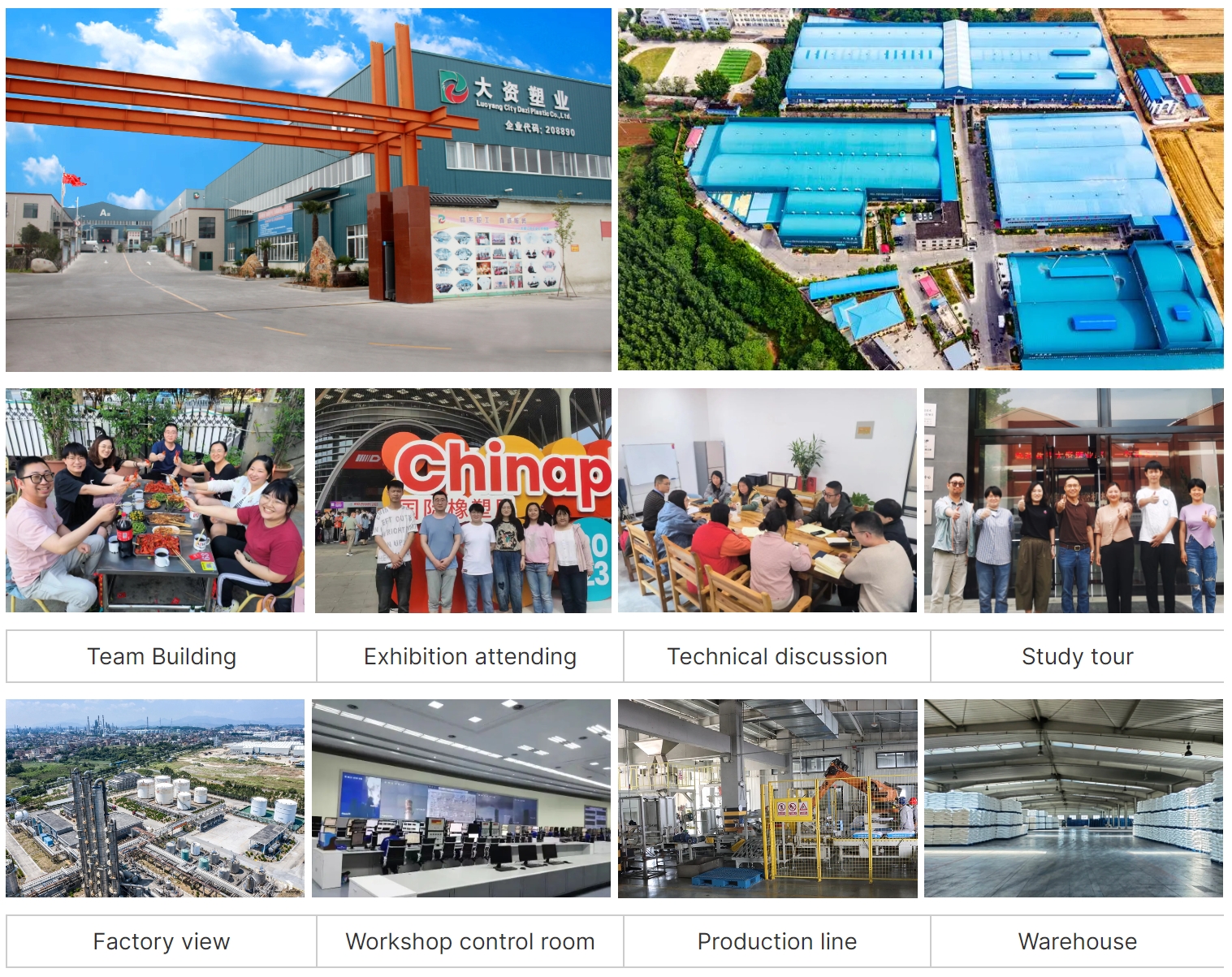


We have established long-term cooperative relations with more than 60+ well-known enterprises all over the world

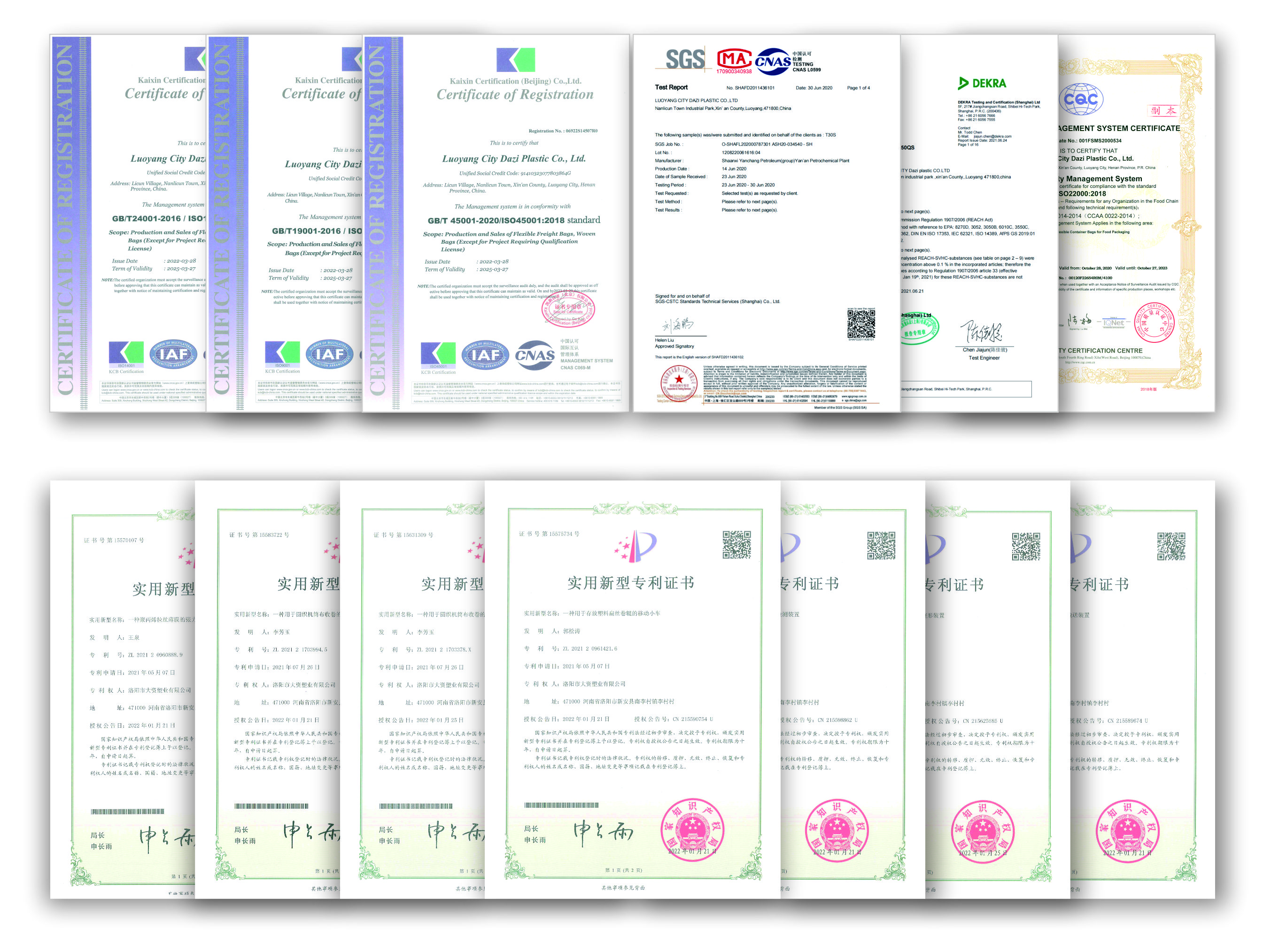
Our company has 12 certifications and 57+ patents.
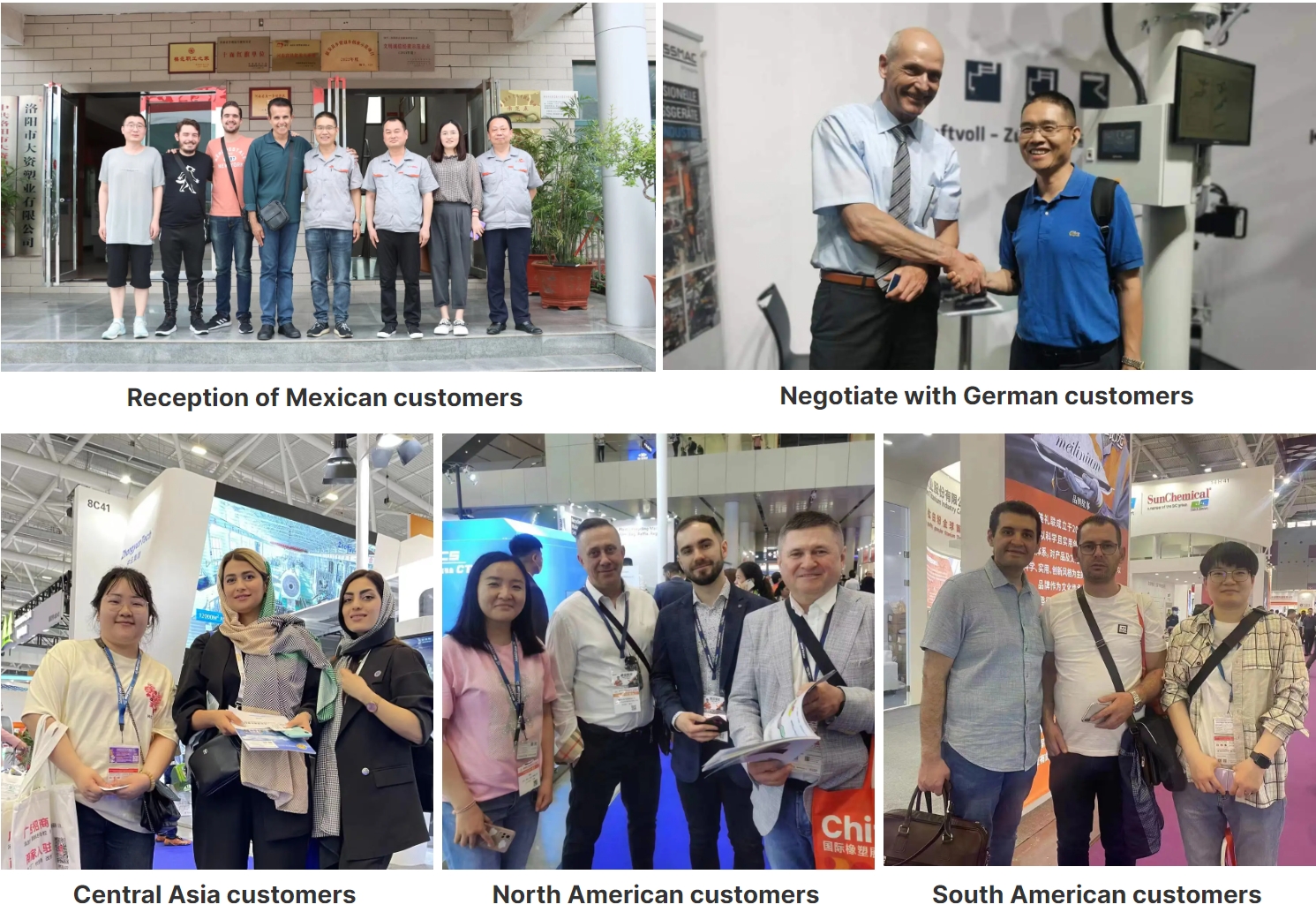
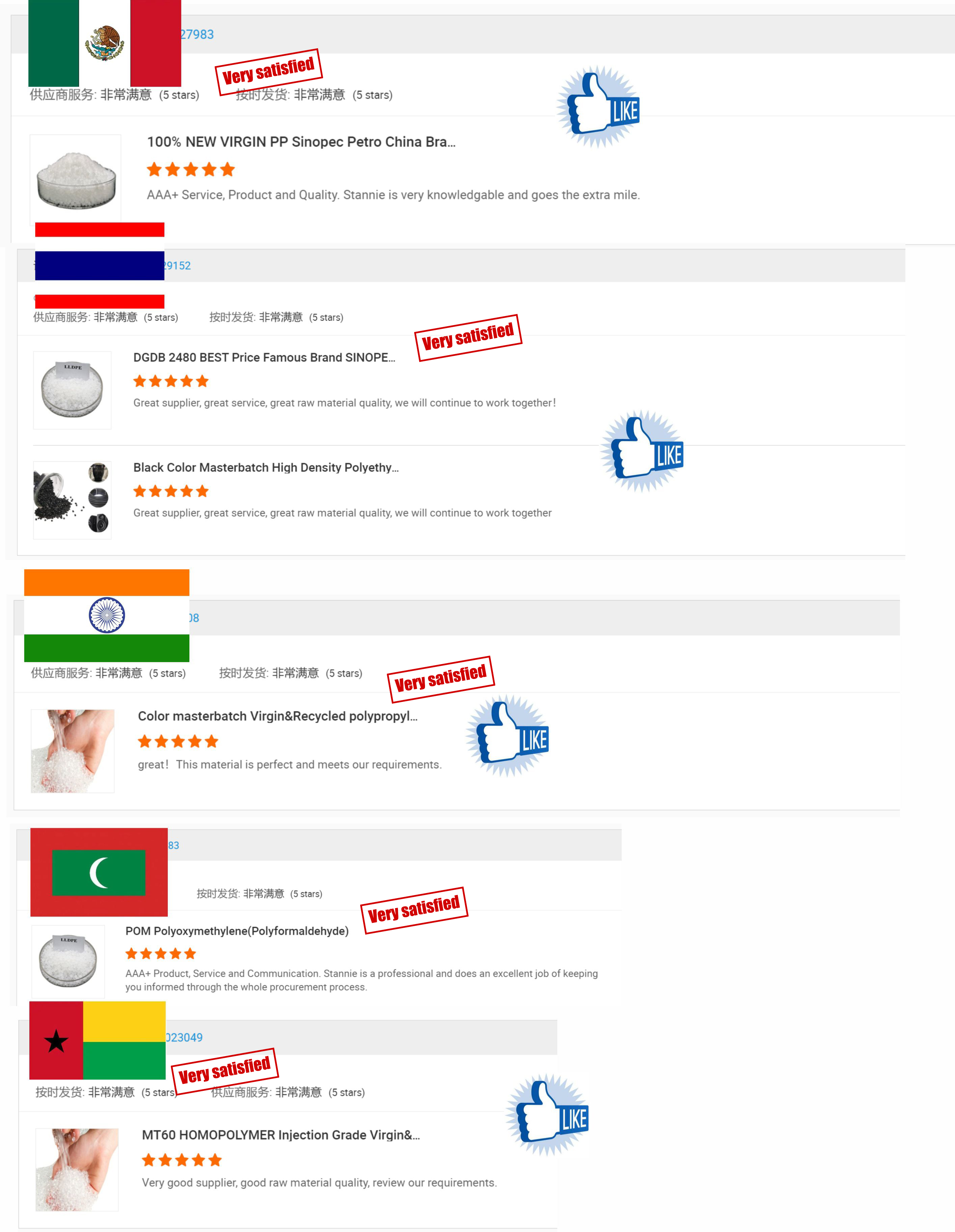

23 years' experience Professional purchasing consultant with a supply chain of 1200+ plastic raw materials in China.