High Elastic SBS Granules, Non-vulcanized, Ideal for Hot Melt Adhesive & Plastic Toughening
2026-10-26 09:30:39
One Elastomer Serving Two Very Different Industries
Few polymers bridge the gap between adhesives and plastics as naturally as SBS. In a hot melt adhesive, it supplies the elastic strength that holds packaging and nonwoven products together; in a modified plastic compound, it absorbs impact energy and turns brittle resins into tough ones. What makes SBS granules uniquely suitable for both roles is the same underlying property: it is a high-elasticity elastomer that does not require vulcanization. It processes like a thermoplastic, reforms its elastic network every time it is heated, and delivers rubber-like performance without the curing chemistry that conventional rubbers demand.
What Non-vulcanized Really Means — and Why It Matters
Conventional rubber achieves elasticity through vulcanization: chemical cross-links are created between polymer chains by heat and sulfur or peroxide chemistry, permanently fixing the network. This curing step is slow, energy-intensive and irreversible — cured rubber cannot be re-melted or reprocessed.
SBS replaces chemical cross-links with physical ones. Its polymer chain is a block structure of hard styrene segments and soft butadiene segments, arranged so that the hard segments cluster into rigid domains that act as physical cross-links for the rubbery mid-block. These domains behave like cross-links at service temperature — giving SBS genuine rubber elasticity — but they melt reversibly when heated. The practical consequences matter enormously for industrial users: SBS melts and flows into the required shape or formulation, needs no vulcanization step, and can be re-melted and recycled without losing its fundamental elastomeric character.
High Elasticity From the Block Structure
The elasticity of SBS comes directly from its molecular architecture. The soft butadiene mid-block provides the extensibility: it stretches and recovers under load. The hard styrene end blocks aggregate into domains that anchor the network, storing the energy that pulls the chain back to shape. By balancing the styrene-to-rubber ratio, suppliers produce grades ranging from soft, tacky elastomers to firmer, more resilient products — giving formulators control over the final balance of elasticity, hardness and heat resistance in their adhesive or compound.
Two structural families are commonly available: linear SBS, where chains are simple block sequences, and radial (star) SBS, where several chains are coupled around a central point. Radial grades generally deliver higher melt strength and better cohesion, while linear grades offer easier flow and simpler dissolving into solvent or hot melt systems — a distinction that matters in both downstream applications.
SBS in Hot Melt Adhesives
Hot melt adhesives are 100% solid systems: formulated from base polymer, tackifying resin, wax and oil, heated to a flowable state, applied, and cooled to form the bond within seconds. SBS is the backbone of the most widely used family of hot melts because it delivers the combination of adhesive strength, cohesion and flexibility that packaging lines require.
Fast, Low-Temperature Processing
Because SBS needs no vulcanization, hot melt formulators simply melt and blend the granules with resins and waxes. Application temperatures stay moderate, protecting heat-sensitive substrates and reducing energy cost. The adhesive sets quickly on cooling, matching the line speeds of modern packaging and nonwoven converting equipment.
Adhesion and Cohesion Balance
Tackifying resins tailor adhesion to specific substrates, while the SBS elastomer supplies cohesion — the internal strength that keeps the bond from tearing apart under stress. The result is an adhesive that grips polypropylene, cardboard, films and nonwoven fabrics, and flexes instead of cracking under vibration and temperature change. Fully formulated SBS hot melts also stay free of solvents and low in VOC, which keeps them compliant with tightening workplace and environmental regulations.
Typical Adhesive Products
-
Packaging hot melts: case sealing, carton closing and tray forming at high line speeds.
-
Bookbinding and lamination adhesives: flexible, durable bonds for printed matter.
-
Nonwoven hygiene products: elastic attachment and construction adhesives for diapers and sanitary goods.
-
Pressure-sensitive adhesives: removable and permanent tapes relying on SBS elastic recovery.
SBS in Plastic Toughening
Plastic toughening puts SBS to a different test. Rigid polymers such as polystyrene and polypropylene can be brittle under impact, cracking instead of bending. Blended with SBS granules, the elastomer disperses as fine rubber domains inside the plastic matrix, acting as shock absorbers: when a crack begins to propagate, the rubber particles deform and blunt the crack tip, absorbing the energy that would otherwise fracture the part.
Impact Improvement in Recycled and General-Purpose Plastics
SBS is especially valuable for upgrading high-impact polystyrene and general-purpose grades, and for restoring impact performance to recycled resin streams whose original toughness has been degraded. Because SBS itself is non-vulcanized and thermoplastic, it blends easily on conventional extrusion and injection equipment — the toughening agent is simply dry-blended or compounded with the base resin, no separate curing or grafting step required.
What Grade Selection Controls in Toughening
In plastic toughening, the styrene content, molecular weight and structure of the SBS determine dispersion, phase adhesion and the final balance between toughness and rigidity. Higher rubber content and suitable molecular weight give greater impact improvement; the styrene blocks improve compatibility with styrenic matrices. For polypropylene toughening, where phase compatibility is weaker, compounding know-how and the right grade selection are what hold stiffness loss in check while lifting impact strength.
|
Downstream Application
|
What SBS Provides
|
Grade Direction
|
|---|---|---|
|
Packaging hot melts
|
Cohesion, flexibility, fast set
|
Balanced molecular weight, easy flow
|
|
Nonwoven & hygiene adhesives
|
Elastic bonds, low application temperature
|
Soft, tack-friendly grades
|
|
Pressure-sensitive adhesives
|
Elastic recovery, peel strength
|
Radial structure for cohesion
|
|
HIPS / PS toughening
|
Impact absorption, crack blunting
|
Styrene-compatible, high rubber content
|
|
PP & recycled resin upgrading
|
Impact restoration, flexibility
|
Structure matched to matrix compatibility
|
Selection Checklist for SBS Granules
-
Define the application first: adhesive viscosity and open time, or plastic impact and rigidity balance.
-
Confirm styrene content and structure (linear vs. radial) against your processing and performance targets.
-
For adhesives, request compatibility data with your tackifier, wax and oil systems.
-
For toughening, run blend trials to verify dispersion and the final impact-rigidity balance.
-
Verify pellet form, particle consistency and batch-to-batch melt behavior for stable production.
-
Confirm non-vulcanized processing requirements — drying, mixing and melt temperature windows.
Conclusion
High elastic SBS granules earn their place in both hot melt adhesives and plastic toughening because their non-vulcanized, thermoplastic nature turns elastomeric performance into a simple industrial process. In adhesives, they form elastic, fast-setting bonds without curing chemistry; in plastics, they absorb impact and restore toughness to rigid and recycled resins with conventional blending equipment. For formulators and compounders, selecting the right styrene content and structure — and verifying compatibility with the surrounding formulation — turns SBS into one of the most flexible problem-solvers in the polymer toolbox.
Lightfastness and Weathering Testing
Color durability is rated on the blue-wool scale for lightfastness, with outdoor grades normally targeting ratings of 7 to 8. Accelerated weathering tests using xenon-arc or QUV chambers expose fabric samples to controlled UV, humidity and temperature cycles, and report color change (ΔE) and chalking after defined exposure. These numbers — not marketing language — tell the buyer how a custom color will look after a season of open-yard storage.
On-Fabric Validation
Color behavior must finally be validated on the actual product surface. Woven tape has a different surface structure than flat film: interlaced fibers scatter light and expose pigment differently. A responsible supplier matches the custom color on woven fabric, runs the same migration and weathering verification on that fabric, and locks the approved standard before production begins.
Selecting by Outdoor Exposure Level
|
Exposure Scenario
|
Required Performance
|
Grade Direction
|
|---|---|---|
|
Short-term indoor logistics
|
Basic migration safety, color uniformity
|
Standard non-migrating grade
|
|
Outdoor storage, moderate sun
|
Lightfastness 7+, no rub-off
|
Weather-stabilized grade
|
|
Long ocean transit & open yards
|
Full weather package, minimal ΔE
|
High-performance outdoor grade
|
|
Food / chemical cargo contact
|
Verified non-migration, compliant pigments
|
Contact-approved grade with data
|
Building a Custom Color That Survives Production
Custom color is a negotiation between the target shade and the performance envelope. Deep shades and bright shades place different demands on pigment loading: some colors require high pigment concentrations that can strain dispersion and increase rub-off risk if the carrier system is not adjusted. A skilled compounder resolves this balance at the formulation stage, then proves it in production by controlling dispersion quality, additive dosage and batch-to-batch color against the locked standard. Ask the supplier how they handle this trade-off — the answer reveals how much real formulation experience sits behind the color card.
Supplier Qualification Checklist
-
Request the pigment inventory used in the grade and confirm no migratory dyes are present.
-
Obtain migration test reports performed on woven fabric, at realistic contact temperature.
-
Review lightfastness ratings and accelerated weathering ΔE data for the target shade.
-
Confirm the UV stabilizer package and its compatibility with the base resin and dosage.
-
Ask for on-fabric color approval procedure before production commitment.
-
Verify batch color tolerance records and their sampling frequency.
Conclusion
Migration-resistant, weatherproof color masterbatch protects the value of custom color on outdoor woven packaging from the molecular level upward. By selecting pigments that cannot migrate, dispersing them so they stay inside the fiber, and verifying the result through recognized migration and weathering tests, it delivers color that survives contact, sunlight and production — not just at the sample stage, but across every batch and every season. For buyers, the choice is straightforward: a grade selected on evidence, matched on real fabric and controlled batch after batch.


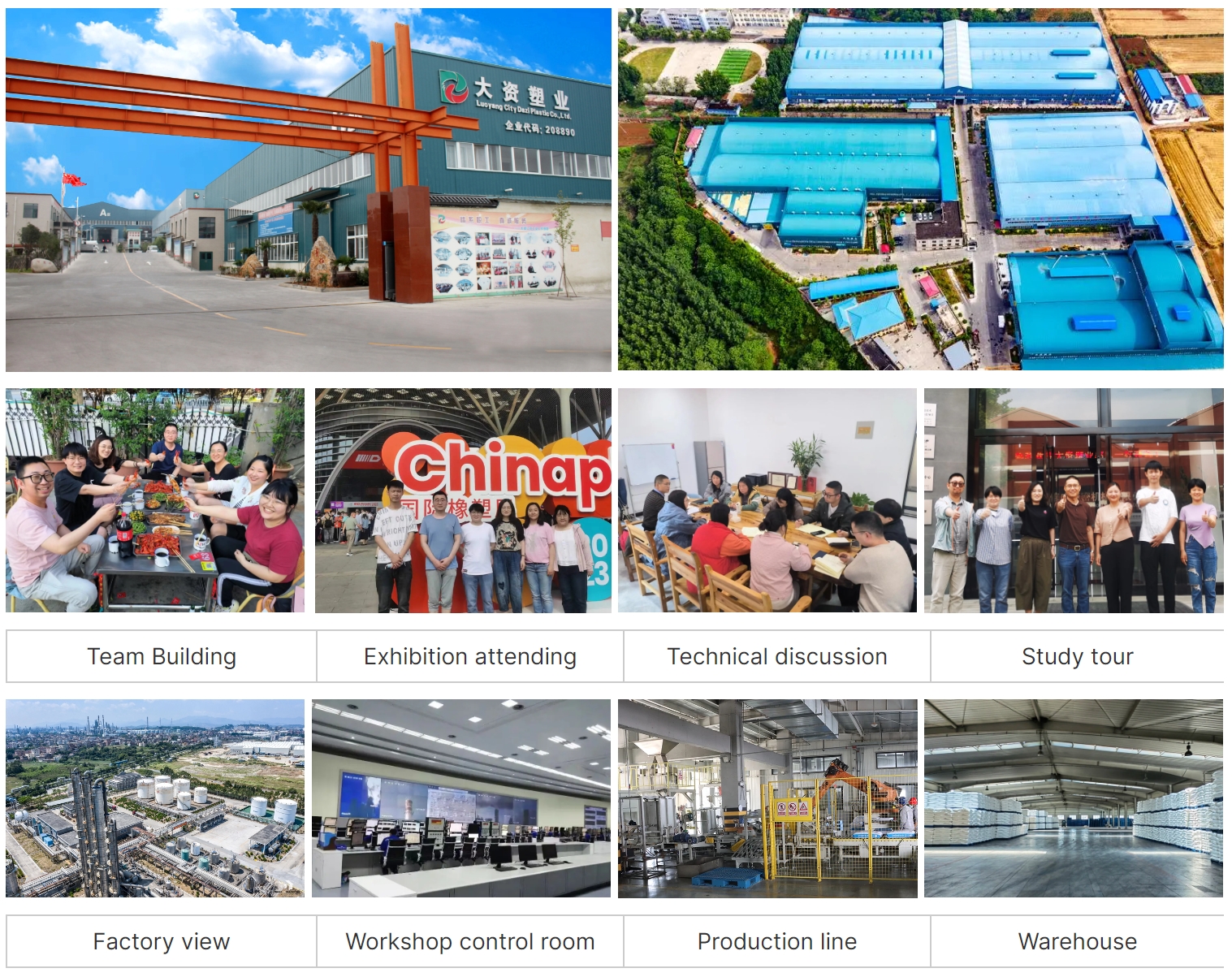


We have established long-term cooperative relations with more than 60+ well-known enterprises all over the world

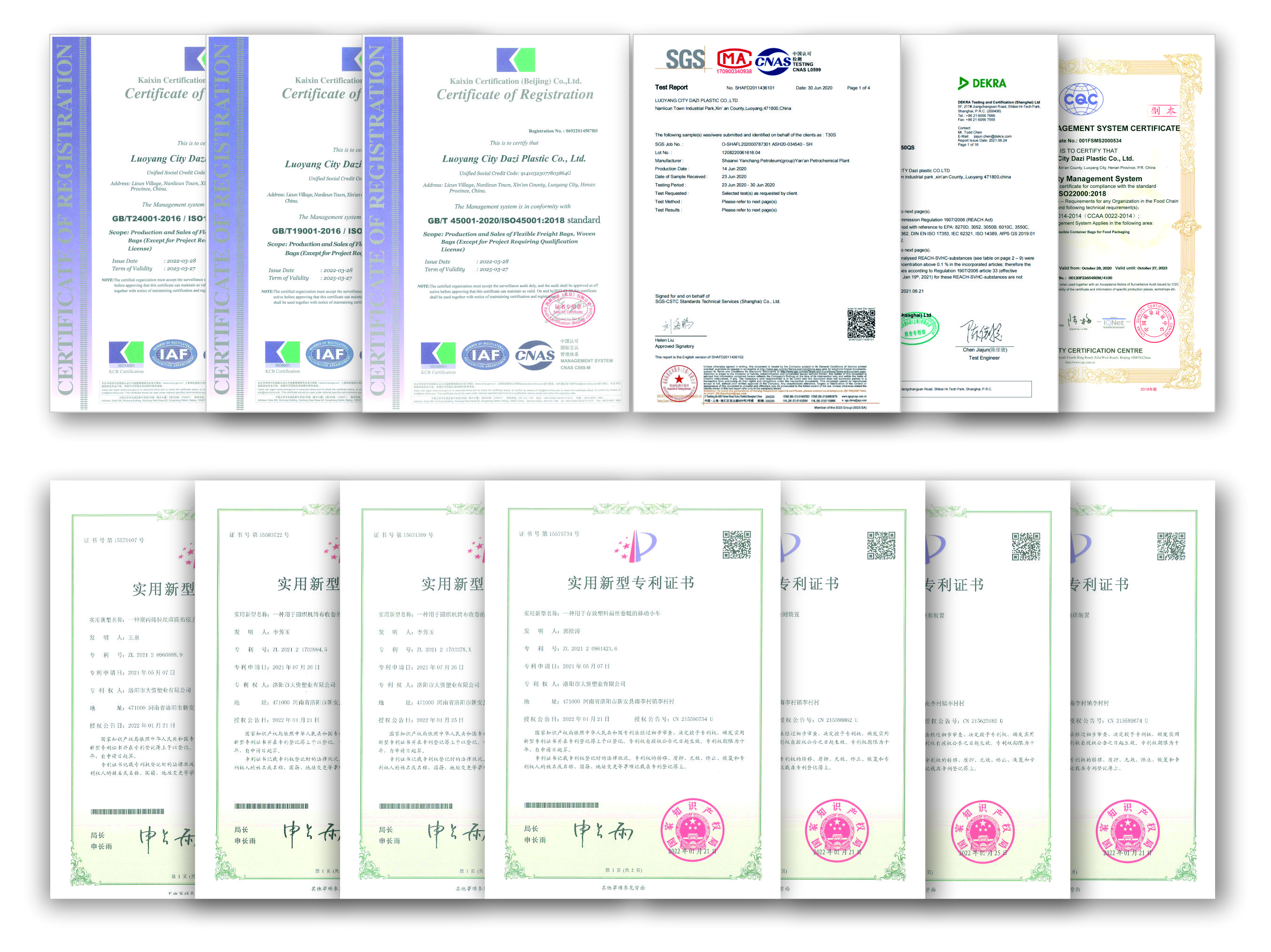
Our company has 12 certifications and 57+ patents.
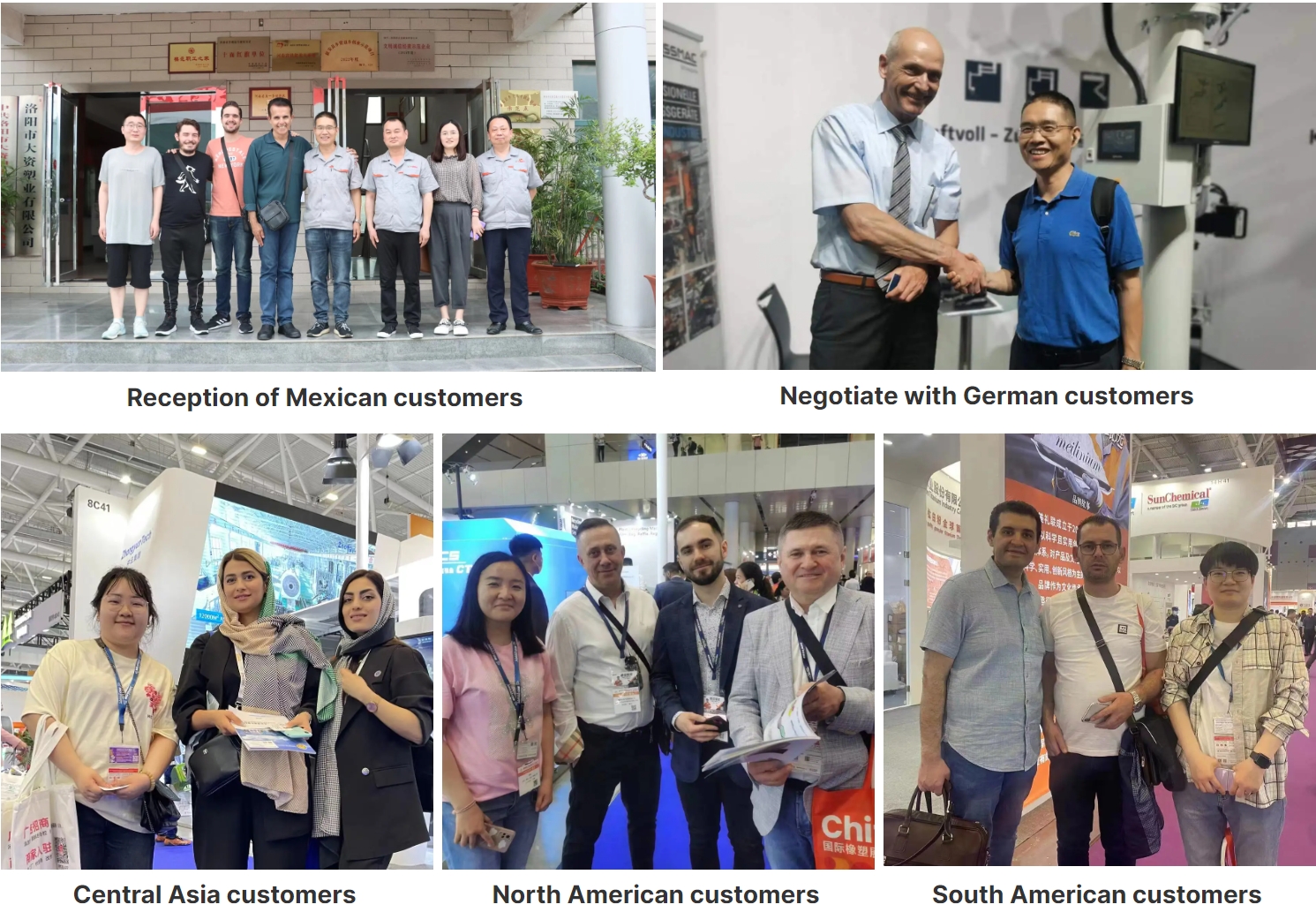
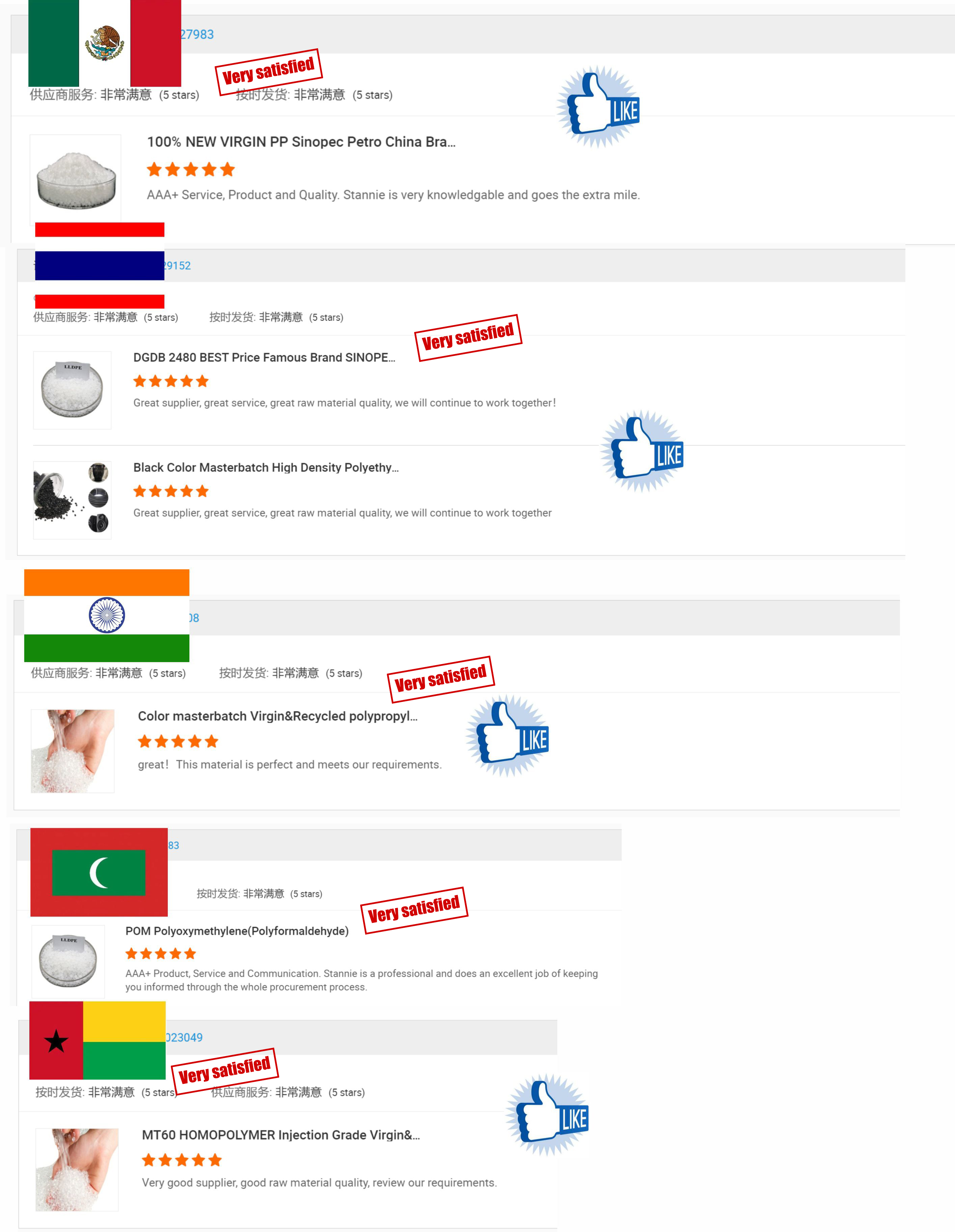

23 years' experience Professional purchasing consultant with a supply chain of 1200+ plastic raw materials in China.