General Purpose PS GPPS Pellets, Stable Flowability for Thin-Wall Transparent Parts, Containers & Packaging
2026-11-04 09:49:56
Thin-Wall Transparency Is a Test of Consistency
Producing a thin-wall transparent part is unforgiving. The material must travel through narrow, long cavities and fill every corner before the melt cools; it must come out crystal-clear with no streaks, no haze and no warpage; and it must do all of this at high cycle rates, thousands of times per day. Every one of these demands traces back to the resin. General purpose PS GPPS pellets with stable flowability give molders exactly what thin-wall transparent parts, containers and packaging need: a melt that behaves identically batch after batch, so the mold fills predictably, the part cools straight, and the rejects stay close to zero.
What Stable Flowability Actually Delivers
Flowability — expressed as melt flow rate — is the single most important processing property in thin-wall molding. But the property that matters even more is its stability.
Predictable Cavity Filling
Thin-wall parts are filled at high injection speed before the melt freezes. If the resin's flow rate shifts from lot to lot, the same mold settings produce short shots one day and flash the next. Stable flowability keeps the fill pattern constant, so the process window set during tool try-out stays valid through the entire production run.
Short, Consistent Cycles
GPPS with consistent flow fills thin sections quickly and packs them uniformly, supporting fast cycle times on high-cavity molds. Stability means the cycle does not have to be re-tuned as new lots arrive — a direct gain in throughput and a reduction in operator intervention.
Dimensional Control and Low Warpage
Uniform flow produces uniform orientation and balanced internal stress, which shows up as straight, dimensionally stable thin-wall parts. Containers stack properly, lids seal correctly and printed decoration stays aligned — quality that consumers notice on the shelf.
Transparency That Survives the Mold
General purpose PS is prized for clarity, but transparency is decided in the pellet before it ever enters the barrel. High-quality GPPS pellets deliver a clean, consistent polymer with minimal impurities and controlled molecular structure, which shows up in two measured properties: high light transmission and low haze.
Contamination and degraded fractions in off-grade resin appear in thin-wall parts as visible streaks, gels and yellowing — defects that are impossible to hide in a transparent container. Virgin-quality GPPS keeps the melt clean through repeated processing, so the part comes out with the water-clear appearance that transparent packaging and containers are bought for.
Thin-Wall Parts, Containers and Packaging
|
Application
|
Key Requirement
|
Why Stable-Flow GPPS
|
|---|---|---|
|
Thin-wall transparent containers
|
Clear walls, fast cycles, stacking strength
|
Consistent fill, high clarity
|
|
Transparent packaging boxes
|
Sparkling appearance, dimensional accuracy
|
Low haze, low warpage
|
|
Lids and closures
|
Precise fit, seal integrity
|
Uniform flow, tight tolerances
|
|
Cosmetic and gift packaging
|
Premium clarity, defect-free surface
|
Clean melt, streak-free parts
|
|
Display and tray inserts
|
Rigidity, transparency, fast production
|
Flow stability, stiffness
|
Processing Thin-Wall GPPS for Best Results
Stable flowability is built into the resin, but the molding process decides how much of it is used. Thin-wall transparent parts reward disciplined processing: a melt temperature inside the recommended window keeps viscosity consistent without degrading clarity; a well-designed runner and gate system delivers the melt evenly to every cavity; and balanced mold temperature prevents the uneven cooling that causes haze and warpage. When resin stability and process discipline work together, thin-wall transparency stops being a daily fight and becomes a routine output.
Supply Stability Matters as Much as Property Stability
For a molder running continuous production, a resin with excellent properties is only useful if it arrives with those properties intact. Consistent pellets — uniform size, low fines, stable additive package — protect extrusion and molding stability from the silo to the barrel. Reliable supply from a producer with disciplined quality control means the flow rate, clarity and color that the molder approved at qualification are the same values delivered in every subsequent container.
Selection Checklist for GPPS Buyers
-
Confirm melt flow rate matches your part wall thickness, cavity layout and mold design.
-
Review lot-to-lot MFR consistency data and batch certificates of analysis.
-
Verify light transmission and haze values for the transparency your market expects.
-
Confirm virgin-grade purity — no contamination, gels or color drift across lots.
-
Request warpage and dimensional stability data from thin-wall molding trials.
-
Confirm pellet consistency and supply reliability for continuous production.
Conclusion
General purpose PS GPPS pellets with stable flowability solve the two challenges that dominate thin-wall transparent molding: filling narrow cavities reliably and delivering clear, straight parts every cycle. Stable flow keeps processes predictable and rejects low; clean resin keeps transparency intact part after part; and consistent supply keeps production running without surprises. For molders of transparent containers and packaging, a GPPS grade that is stable in flow and pure in quality is not a raw material — it is the foundation of a profitable, repeatable process.



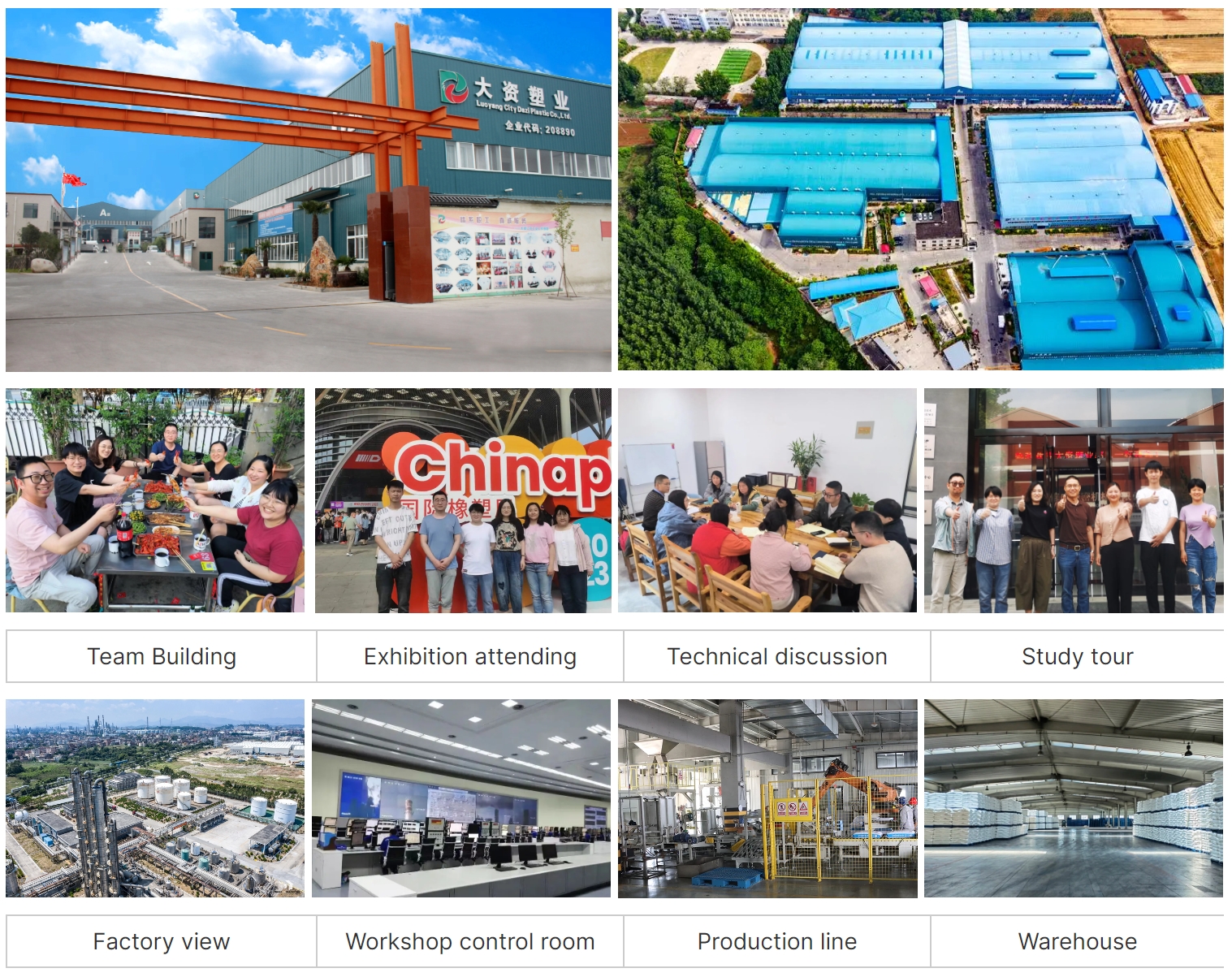



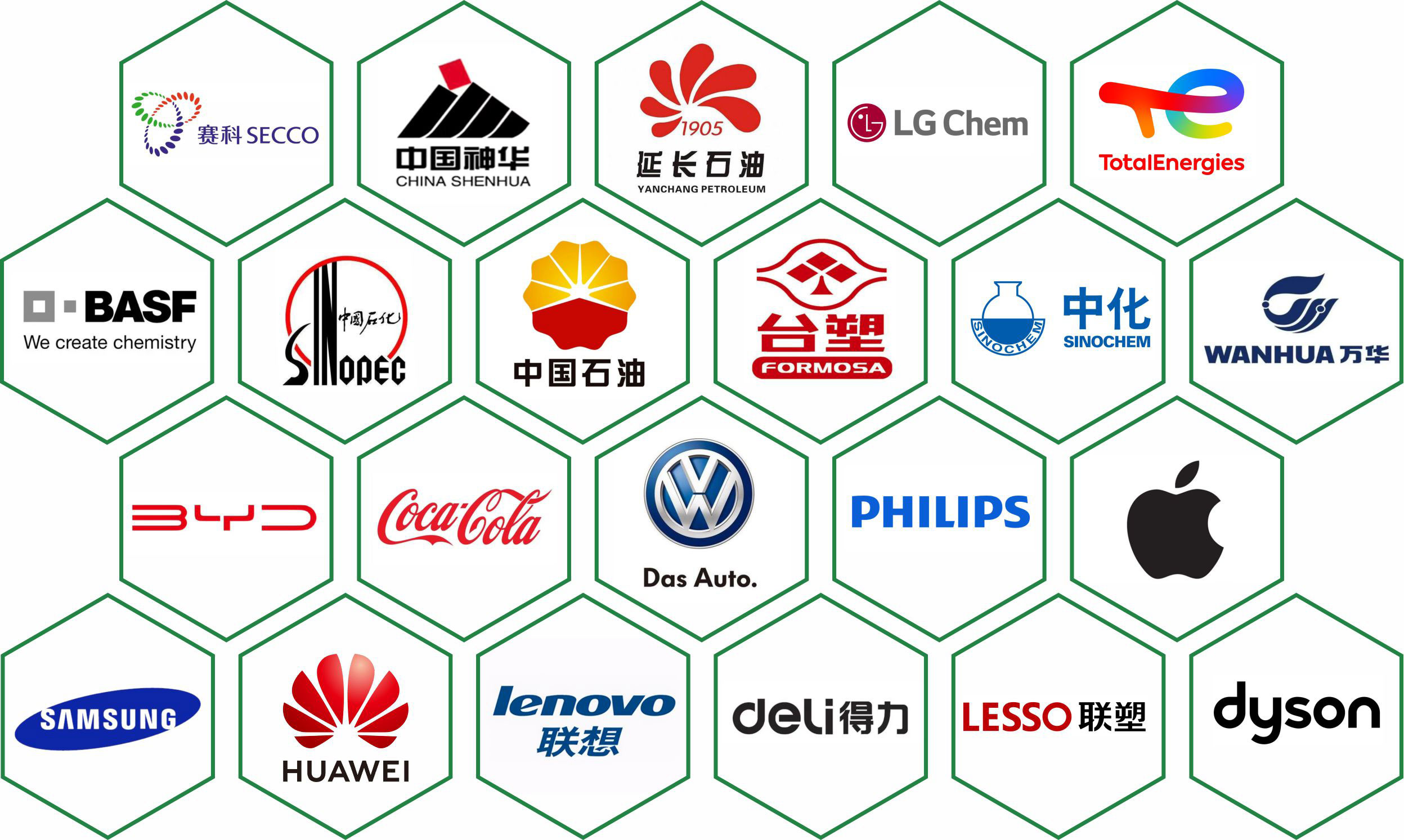
We have established long-term cooperative relations with more than 60+ well-known enterprises all over the world

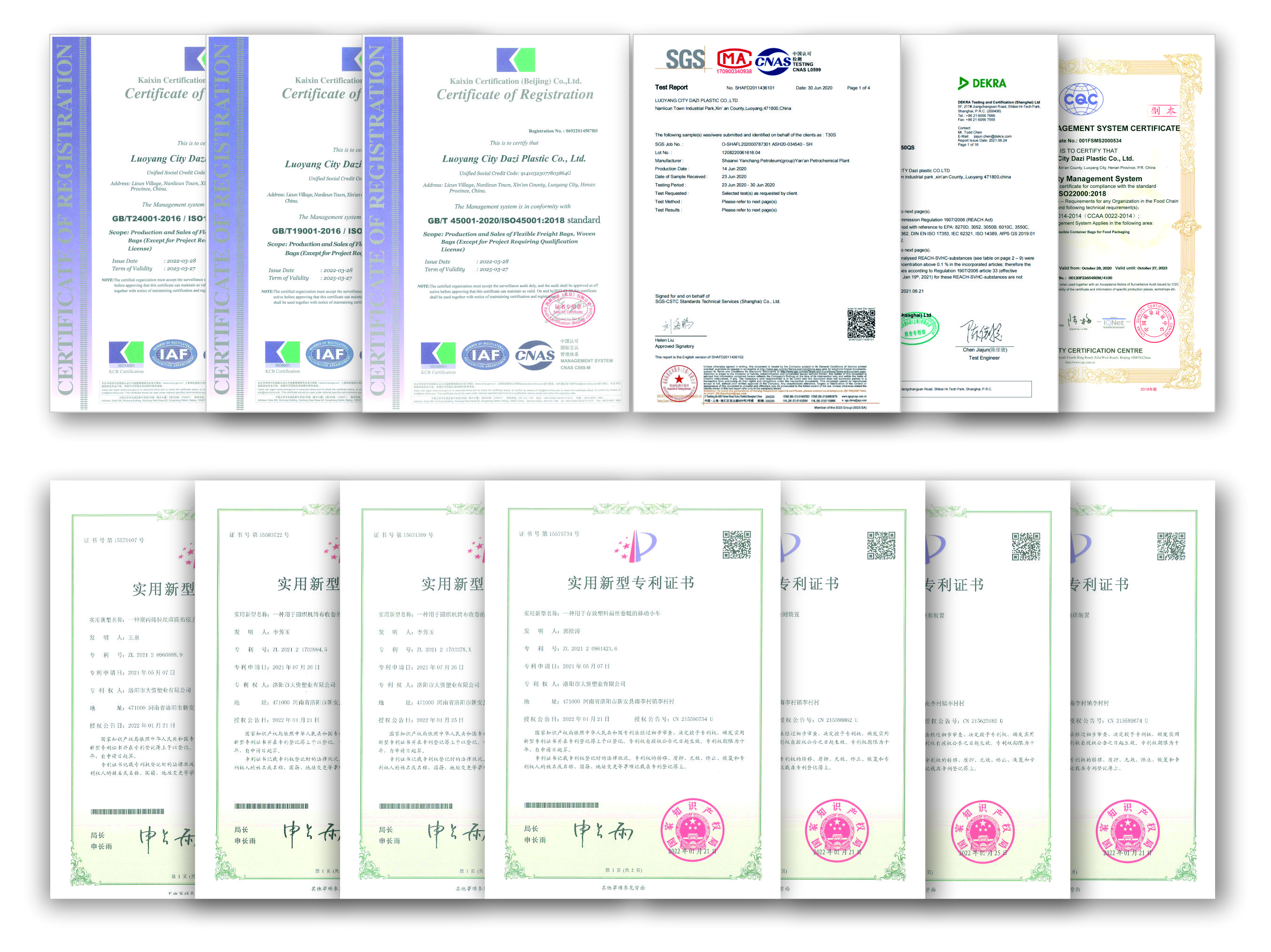
Our company has 12 certifications and 57+ patents.



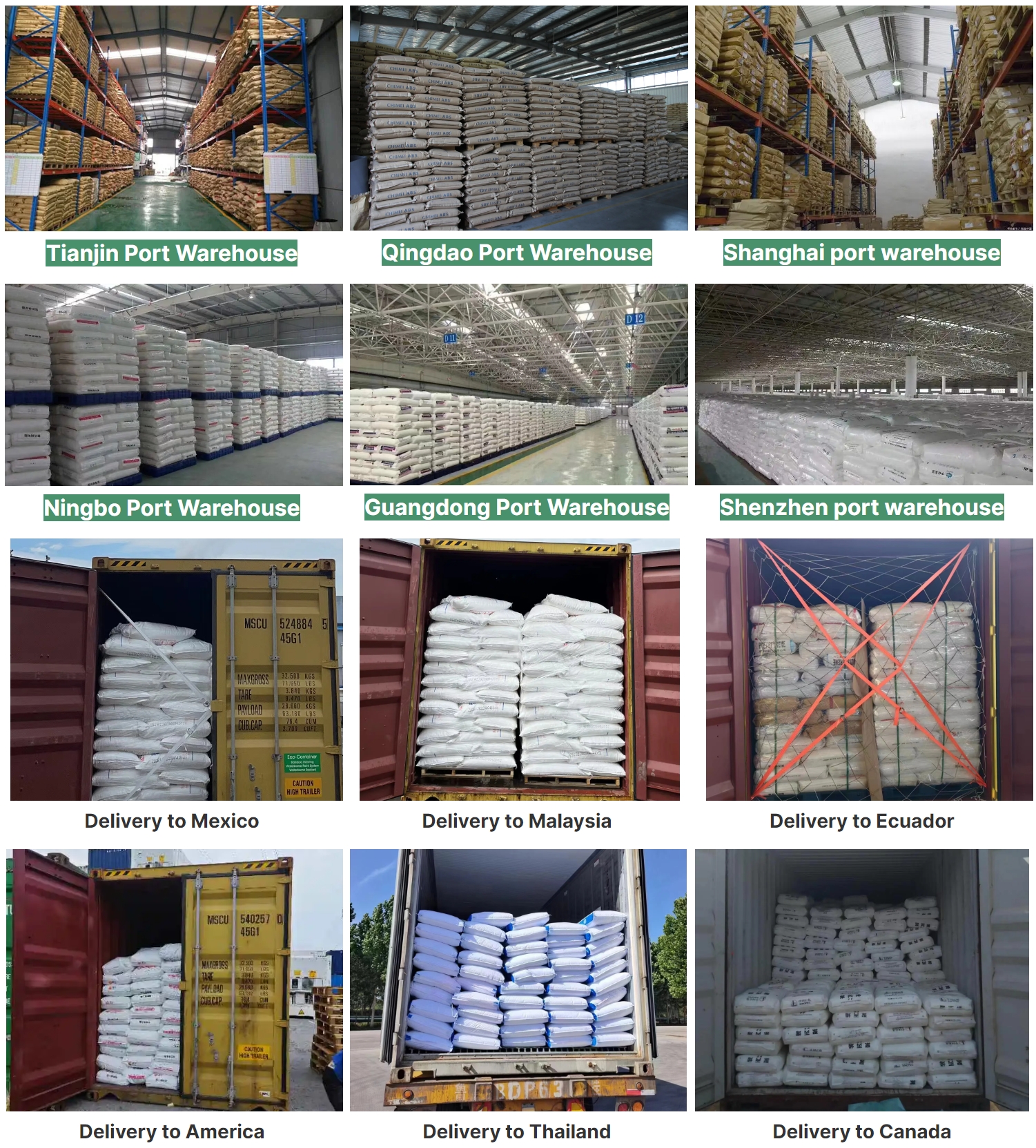
23 years' experience Professional purchasing consultant with a supply chain of 1200+ plastic raw materials in China.