Virgin General Grade ABS Pellets, Low Odor & High Gloss for Injection Molding Shells, Toys and Electronic Components
2026-11-05 08:59:21
Consumers Judge Plastic Before They Touch It
An appliance cover, a toy figure and an electronic component share one thing in common: they are all judged by perception first. The eye reads the surface — deep, even gloss signals quality; dull, flow-marked surfaces signal cheapness. The nose reads the material — a plastic smell escaping a toy or a device housing is an immediate objection, even when the part performs perfectly. Virgin general grade ABS pellets are engineered for this perceptual layer of performance: a polished, uniform finish straight out of a polished mold, and a clean, low-odor material that can sit in a child's hands or a closed electronics case without announcing its chemistry.
What Virgin General Grade Actually Buys
General purpose ABS is the workhorse of injection molding — balanced in flow, stiffness and impact, and easy to process across a wide range of machines. The virgin grade adds what a workhorse needs to be reliable: consistent molecular structure, controlled color, no recycled contamination and batch-to-batch predictability.
That consistency shows up directly in molded output. Uniform shrinkage keeps dimensions on specification, so shells fit mating parts and electronic components align in assemblies. Stable color means the same beige or black appears in every production lot. Clean resin means fewer black specks, splay marks and flow lines — the defects that force polishing, sorting and rejection on gloss-critical parts.
High Gloss: A Surface the Mold Can Trust
Gloss is not a coating; it is the material's own surface reflecting light. On a polished mold cavity, high gloss ABS reproduces the tool's finish faithfully — and the mechanism behind that is flow.
Filling a Polished Cavity Completely
A glossy surface demands that the melt replicate every micro-detail of the mold wall. Resin with well-balanced flow reaches the cavity edges and packs uniformly, so the surface cools against the polished steel without hesitation marks, weld lines or uneven packing. General grade ABS is formulated to fill thin and detailed sections at practical pressures, making high-gloss parts achievable on standard molding equipment.
Surface Defects That Kill Gloss
Even a glossy resin can be ruined by process. Splay from moisture, silver streaking from over-heating, flow marks from slow fill and dull patches from cold molds all destroy the reflective finish. High-gloss ABS rewards a disciplined process: dried pellets, controlled melt temperature, warm mold surfaces and adequate packing all protect the finish the resin is capable of delivering.
Low Odor: The Invisible Quality Specification
Odor is an invisible specification that becomes very visible when it fails — a toy that smells of solvent in a child's room, an electronics housing that releases a plastic odor inside a closed cabinet, a kitchen appliance that taints the air around it.
Odor in ABS comes from residual volatile fractions: unreacted monomers and low-molecular-weight by-products left in the polymer, plus volatiles generated if the material is overheated during processing. Low odor ABS is produced with controlled polymerization and thorough devolatilization, so the pellet carries minimal residual volatiles. Combined with proper drying and a melt temperature inside the recommended window, it delivers parts that are sensorially neutral — a requirement that toy safety programs and consumer product brands increasingly test explicitly.
Three Applications, One Material
|
Application
|
What the Part Must Deliver
|
ABS Contribution
|
|---|---|---|
|
Appliance & device shells
|
Glossy finish, dimensional fit, rigidity
|
High gloss, stable shrinkage
|
|
Toys and play products
|
Safety, colorfast appearance, durability
|
Low odor, impact strength
|
|
Electronic components
|
Precision fit, clean surface, stable color
|
Consistent flow, low contamination
|
Matching Material to the Part
General grade ABS is deliberately versatile, but users should still align the grade with the part's requirements. Shells value gloss and rigidity, so flow and surface performance lead the selection. Toys value impact resistance and sensory safety, where low odor and toughness come first. Electronic components value dimensional precision and cleanliness, where stable shrinkage and low defect rates dominate. The same general grade can serve all three when its specification is confirmed against the part's critical requirement — and the supplier can support the grade selection with property data rather than a single generic datasheet.
Processing Guide for Consistent Gloss and Odor
-
Dry the pellets thoroughly — moisture is the fastest route to splay and dull surfaces.
-
Keep melt temperature inside the recommended range; overheating creates both silver streaks and odor.
-
Use a warm mold surface to help the melt replicate the polished cavity.
-
Provide adequate pack and hold time so the surface cools against the tool.
-
Vent the mold properly to release trapped gases instead of letting them mark the surface.
-
Avoid long barrel residence times that degrade the polymer and generate volatiles.
Selection Checklist for ABS Buyers
-
Confirm the grade is virgin and request certificates of analysis for purity and color.
-
Review gloss data measured on molded plaques at your intended surface finish.
-
Ask for odor evaluation results under the test method your market requires.
-
Verify shrinkage and dimensional stability data for mating-part fit.
-
Check impact strength and flow rate against your part geometry and wall thickness.
-
Confirm batch-to-batch color and property consistency for continuous production.
Conclusion
Virgin general grade ABS pellets deliver the two qualities that consumers actually experience — a deep, uniform gloss and a clean, low-odor material — alongside the processing consistency that manufacturers depend on. High gloss reproduces a polished mold faithfully when flow and process work together; low odor keeps toys, shells and electronic components sensorially neutral; and virgin consistency keeps every batch on specification. For molders serving appliance, toy and electronics markets, this combination turns a general purpose resin into a dependable route to products that look and feel premium





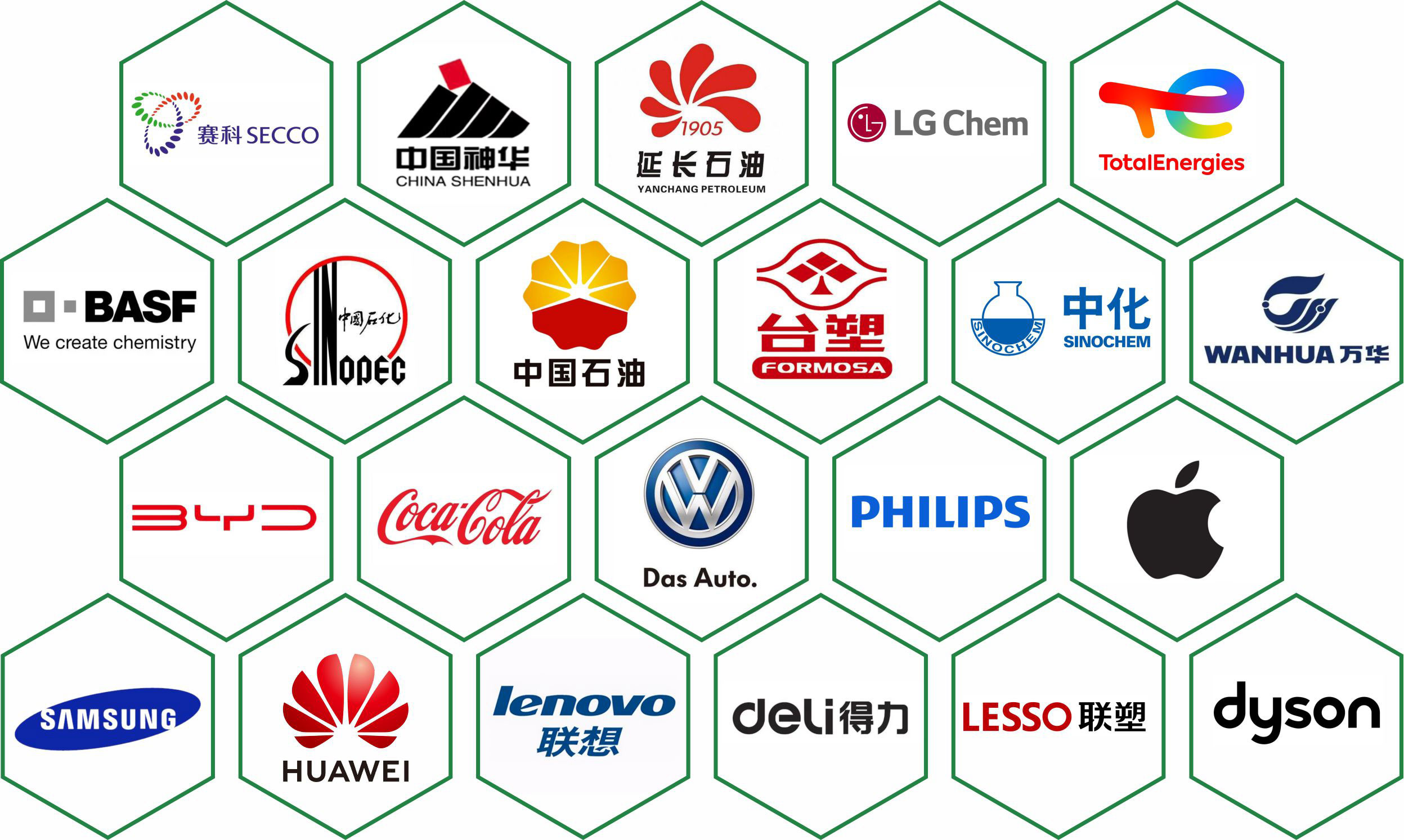
We have established long-term cooperative relations with more than 60+ well-known enterprises all over the world

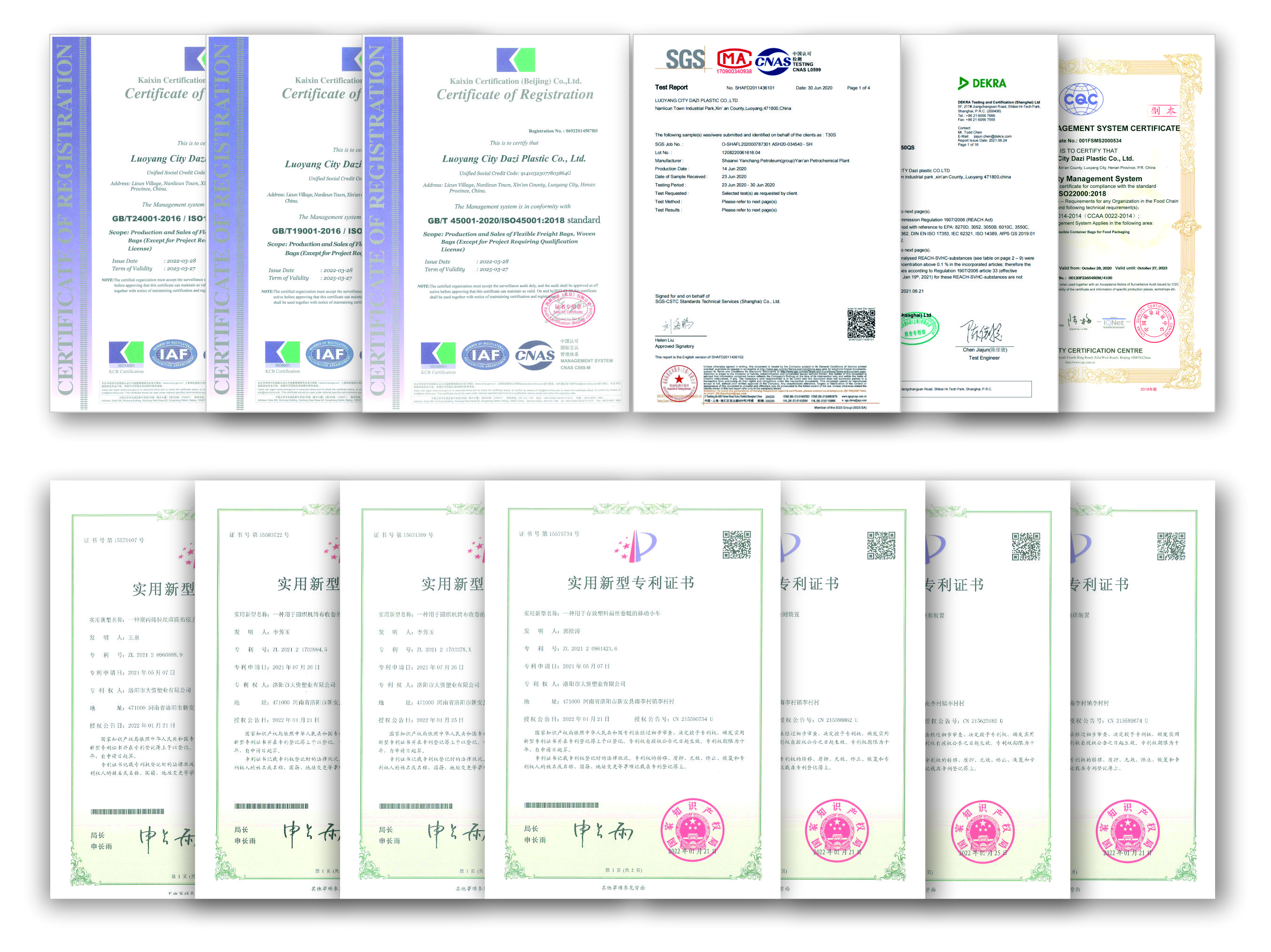
Our company has 12 certifications and 57+ patents.


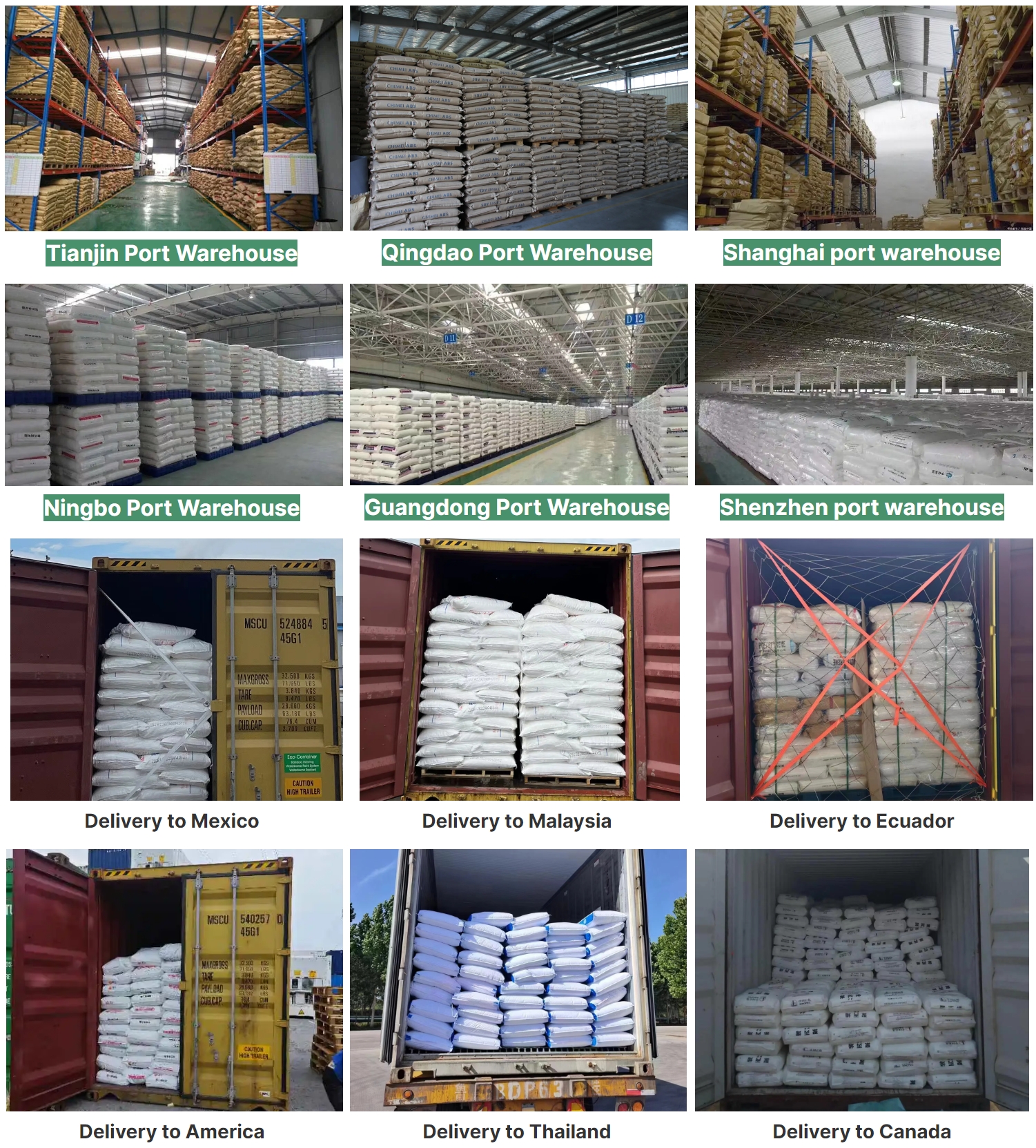
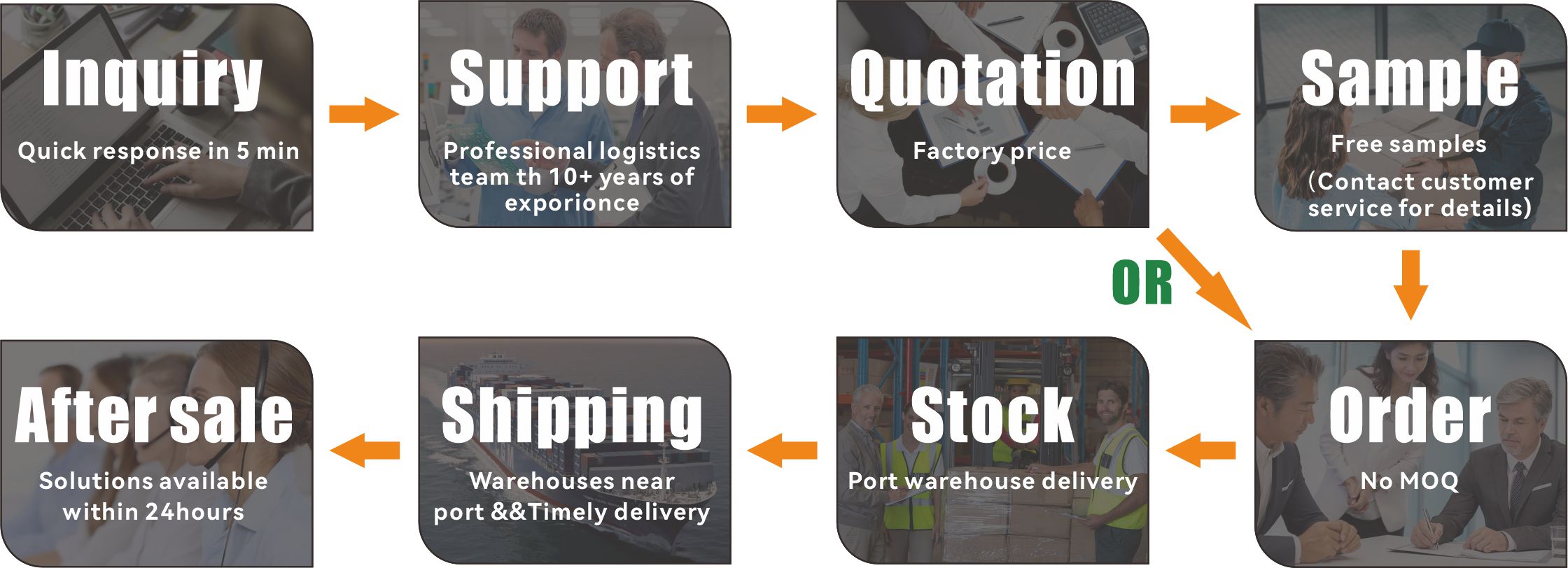
23 years' experience Professional purchasing consultant with a supply chain of 1200+ plastic raw materials in China.