None
2026-07-31 09:58:35
GPPS (General Purpose Polystyrene) and HIPS (High Impact Polystyrene) are two of the most widely used polystyrene thermoplastic raw materials in household product and electronic shell manufacturing. As classic cost-effective general-purpose plastics, both GPPS and HIPS pellets feature excellent rigidity, high surface gloss, stable dimensional accuracy, and easy injection molding performance. They are highly compatible with mass production of daily consumer goods, home appliance casings, and electronic structural parts. Although sharing the same polystyrene base resin, GPPS and HIPS differ greatly in toughness, impact resistance, and application scenarios. This article systematically compares their performance characteristics, processing advantages, and industry applications, helping manufacturers select the optimal polystyrene raw material for household and electronic shell production.
Basic Overview of GPPS and HIPS Polystyrene Resin
GPPS is transparent general-purpose polystyrene with pure styrene monomer polymerization, featuring high transparency, brilliant surface gloss, and stable physical rigidity. However, pure GPPS is relatively brittle and prone to cracking under strong impact or bending force.
HIPS is modified impact-resistant polystyrene formed by adding rubber toughening components during the polymerization process. The rubber phase effectively absorbs impact energy, greatly improving material toughness and anti-cracking performance. HIPS is opaque with matte or milky white appearance, retaining the easy-processing and high-rigidity advantages of traditional polystyrene while solving the brittleness defect of GPPS.
Both materials boast low density, low molding shrinkage, excellent mold replication, and cost competitiveness, making them mainstream raw materials for medium and low-end household plastic products and electronic outer shells worldwide.
Core Performance Differences Between GPPS and HIPS
1. Transparency & Surface Appearance
GPPS features outstanding optical performance with light transmittance up to 89%–92%, delivering crystal-clear transparency and high mirror gloss. Molded GPPS products have no haze, excellent texture, and strong visual permeability, ideal for transparent decorative parts and visual display components.
HIPS is non-transparent and presents natural milky white. Its surface gloss is slightly lower than GPPS, but it supports smooth spraying, silk screening, and color finishing. The matte texture of HIPS is more suitable for electronic shells and household structural parts that do not require transparency but demand uniform coloring effects.
2. Toughness & Impact Resistance
This is the biggest difference between GPPS and HIPS. GPPS is hard and brittle: it has high surface hardness and rigidity but is easy to crack or break under sudden impact, falling, or extrusion. It is only suitable for static parts without impact load.
HIPS has greatly enhanced impact resistance. The internal rubber toughening structure effectively resists external collision and vibration, avoiding brittle fracture. Even under low-temperature environments, HIPS maintains stable toughness, perfectly adapting to electronic shells that require transportation vibration resistance and daily drop resistance.
3. Dimensional Stability & Molding Performance
Both GPPS and HIPS have low water absorption, ultra-low molding shrinkage, and excellent moldability. They can accurately replicate fine mold textures, ensuring precise dimensional tolerance of finished parts. No post-deformation or warping occurs after long-term use.
Compared with engineering plastics such as ABS and PC, GPPS and HIPS have faster molding cycles, lower processing temperature requirements, and higher production efficiency, greatly reducing manufacturing costs for mass household and electronic products.
4. Chemical Resistance & Processing Adaptability
GPPS and HIPS have stable resistance to water, weak alkalis, and daily detergents, meeting the daily use environment requirements of household products. Both materials support secondary processing including spraying, printing, bonding, and ultrasonic welding. HIPS performs better in secondary processing due to its balanced toughness, effectively avoiding cracking during assembly and processing.
Application of GPPS in Household & Transparent Products
Relying on high transparency and high gloss advantages, GPPS polystyrene pellets are mainly used for transparent household products and decorative parts with high appearance requirements:
-
Transparent household accessories: plastic cups, cosmetic containers, storage boxes, transparent lamp shades
-
Decorative transparent parts: toy shells, instrument display windows, craft ornaments
-
Static non-impact structural parts: daily plastic rigid parts without frequent collision
GPPS is the preferred material for low-cost high-transparency plastic products, replacing partial transparent ABS and acrylic materials to control production costs while ensuring excellent appearance effects.
Application of HIPS in Electronic & Household Shell Manufacturing
Benefiting from impact resistance, rigidity, and easy finishing performance, HIPS polystyrene resin is the core raw material for electronic shells and household appliance structural parts, occupying a dominant position in mid-range plastic shell manufacturing:
-
Small home appliance shells: Electric fans, heaters, humidifiers, air purifiers, and kitchen appliance outer casings
-
Consumer electronic shells: Remote control housings, small audio casings, instrument shells, and office equipment accessories
-
Household structural parts: Plastic chassis, support frames, and durable daily plastic components
HIPS solves the brittleness problem of GPPS. Its anti-drop and anti-vibration performance ensures that electronic shells will not crack during transportation, assembly, and daily use, fully meeting the durability requirements of electronic and household products.
GPPS vs HIPS: How to Choose the Right Polystyrene Raw Material
Choose GPPS if:
-
Your products require high transparency, high gloss, and beautiful appearance
-
The parts are static and not subject to impact, drop, or extrusion loads
-
You need to control costs for transparent household and decorative plastic products
Choose HIPS if:
-
You are producing electronic shells, home appliance casings, and structural parts
-
Products need toughness, vibration resistance, and drop resistance to avoid cracking
-
Subsequent spraying, printing, and assembly processing is required
-
Opaque rigid plastic parts with stable long-term use are needed
Processing Tips for GPPS and HIPS Injection Molding
Both GPPS and HIPS have excellent processability, but standardized parameter control can further improve yield rate and surface quality.
-
Drying: Low water absorption, no mandatory drying required under normal storage conditions
-
Molding temperature: Barrel temperature controlled at 180°C–220°C, suitable for high-speed mass injection molding
-
Mold temperature: 40°C–80°C to ensure smooth surface and stable dimensional accuracy
-
Note for HIPS: Avoid excessive injection pressure to prevent internal stress and shell cracking after molding
-
Note for GPPS: Avoid sharp structural design to prevent product brittle fracture




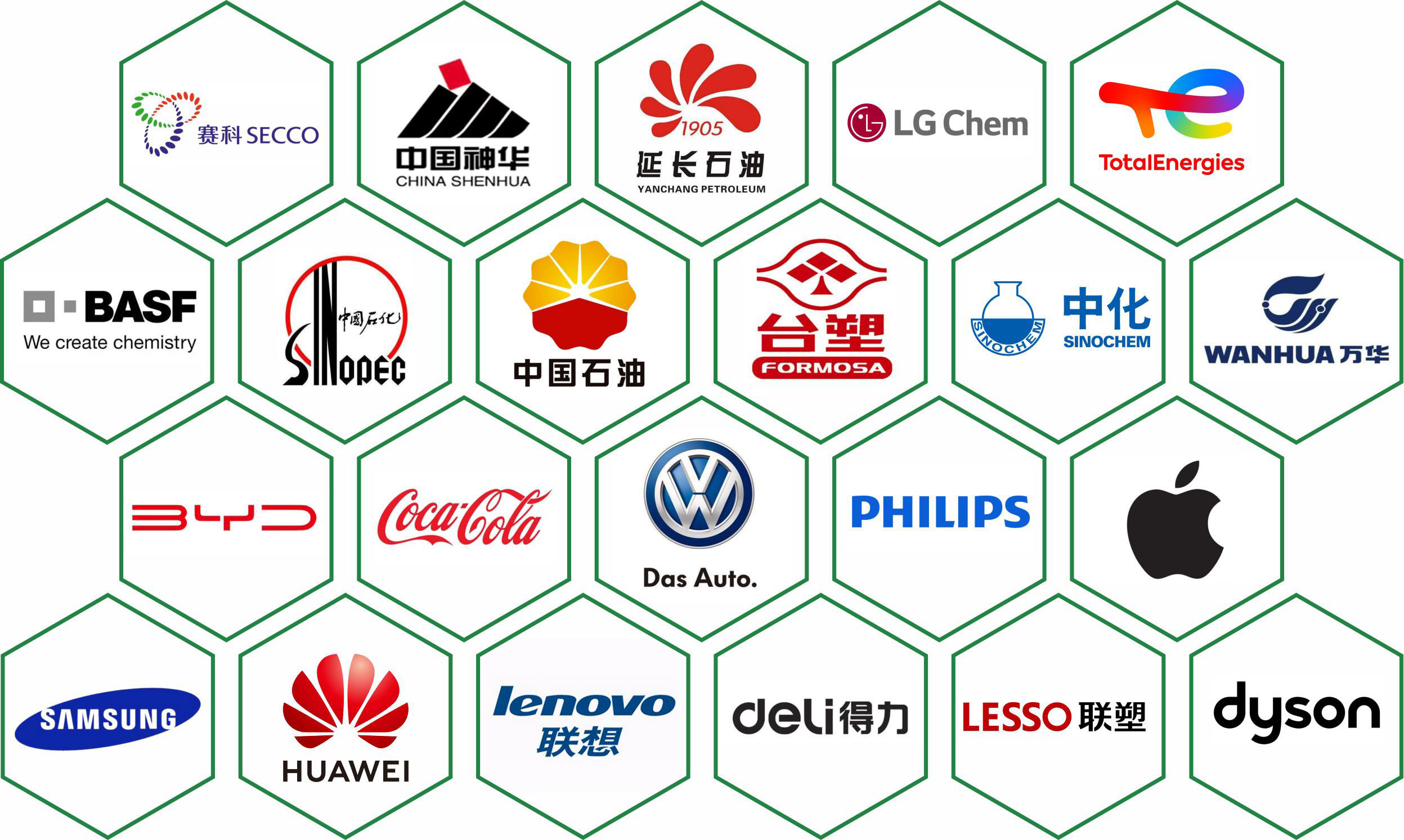
We have established long-term cooperative relations with more than 60+ well-known enterprises all over the world

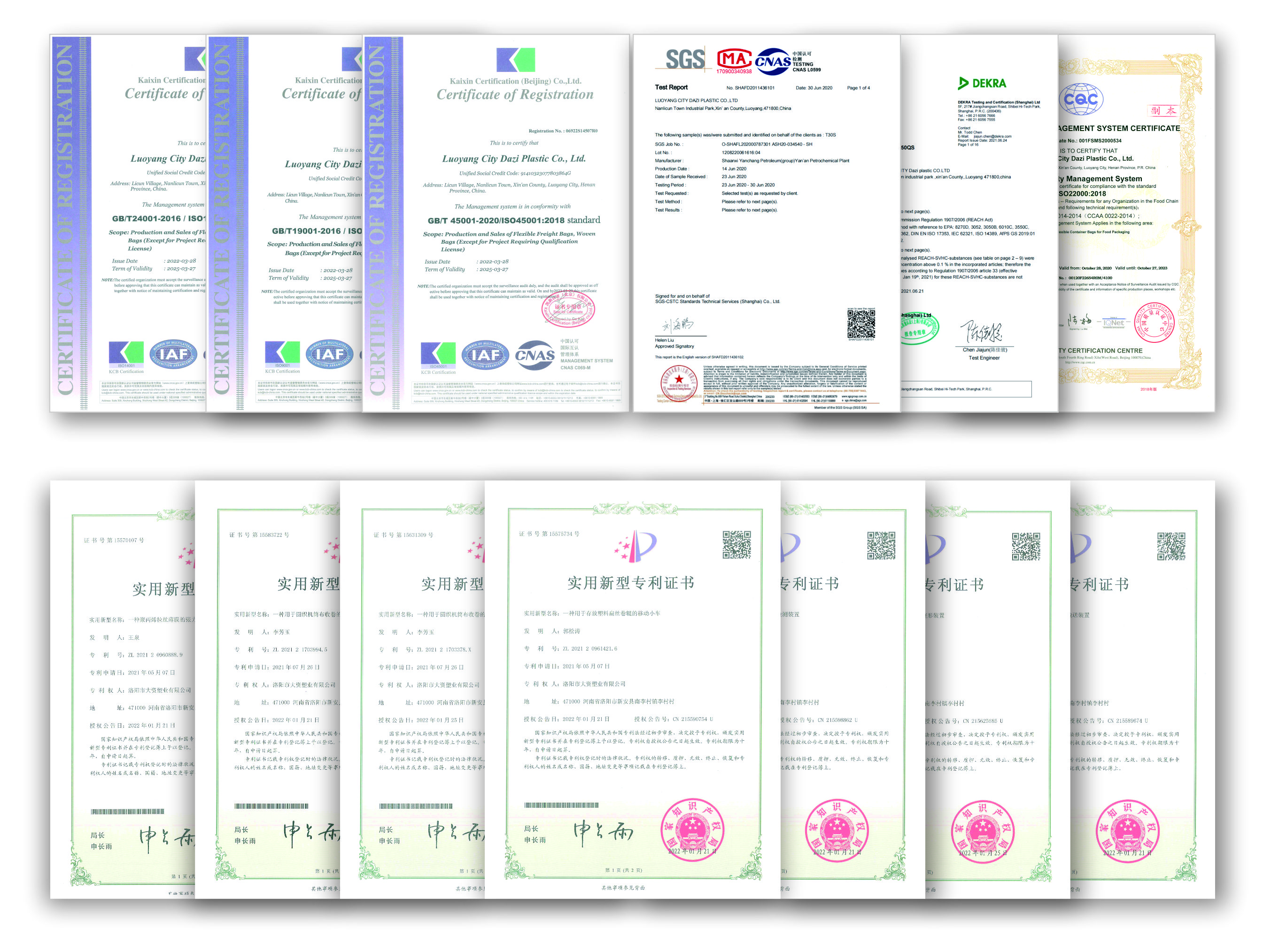
Our company has 12 certifications and 57+ patents.
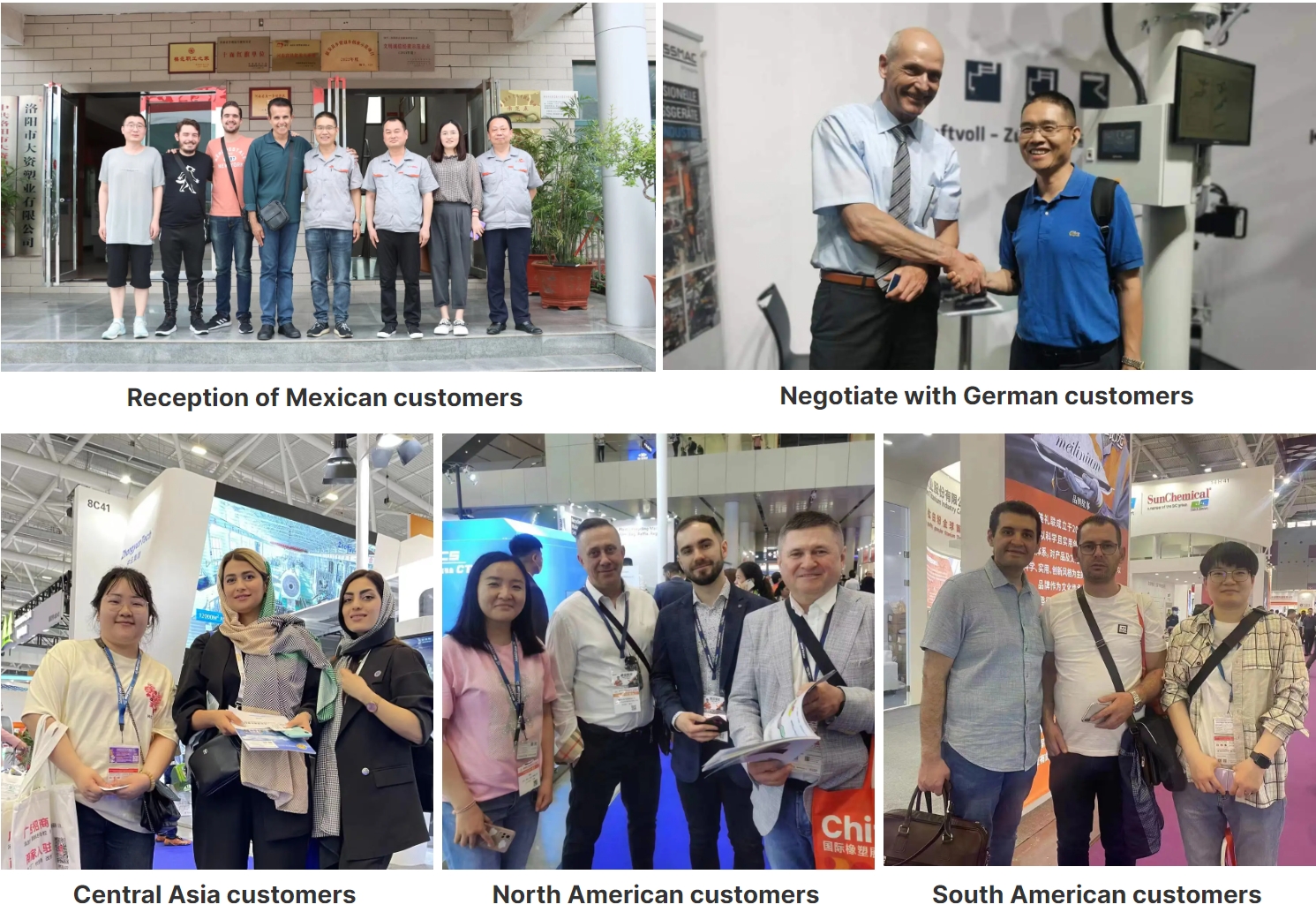
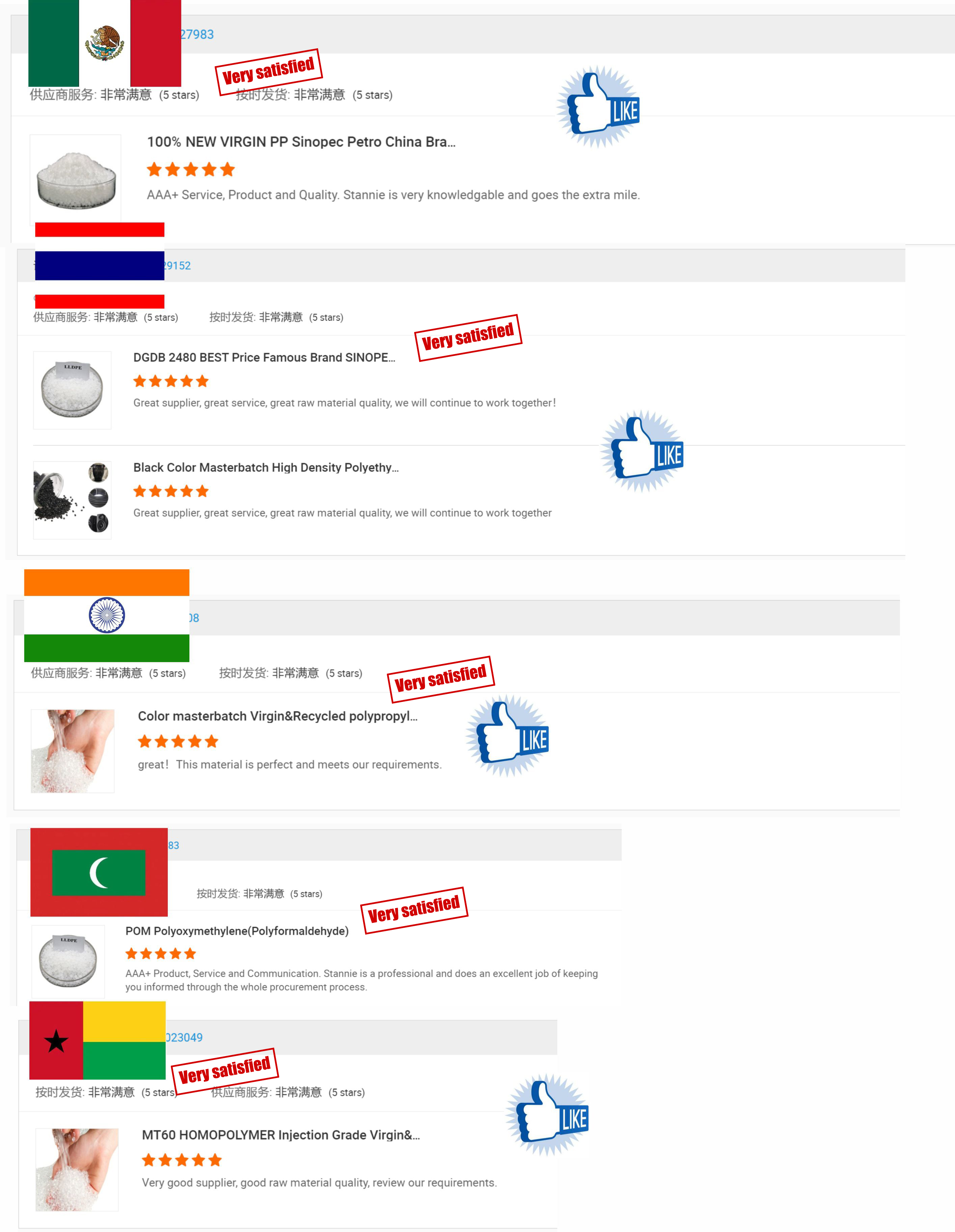

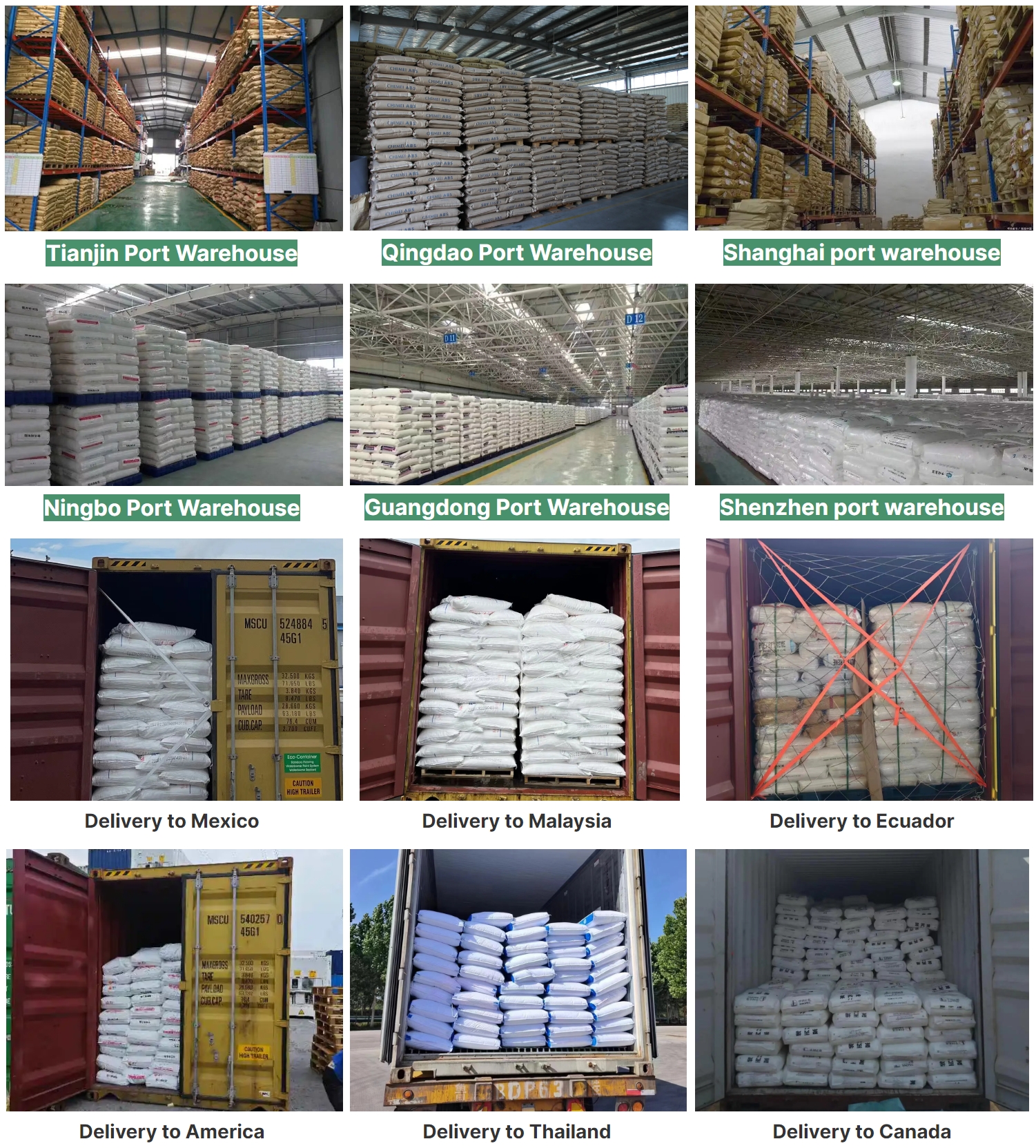
23 years' experience Professional purchasing consultant with a supply chain of 1200+ plastic raw materials in China.