Vantagens da resina ABS: por que ela é amplamente utilizada na fabricação de caixas de eletrodomésticos e produtos eletrônicos
2026-08-03 08:45:41
ABS Resin (Acrylonitrile Butadiene Styrene) is one of the most popular and versatile engineering thermoplastics in the global plastic manufacturing industry. Balancing rigidity, toughness, surface finish, and processing flexibility, ABS resin has become the dominant raw material for home appliance housings, consumer electronic shells, and precision plastic structural parts. Unlike brittle general-purpose plastics and high-cost advanced engineering plastics, ABS delivers an ideal combination of mechanical performance, cosmetic quality, and cost efficiency. This article comprehensively explains the core advantages of ABS resin and reveals why it is widely recognized and adopted in home appliance and electronic shell mass production.
Unique Composite Performance of ABS Resin
The outstanding performance of ABS resin comes from the perfect combination of three chemical monomers, each contributing unique physical properties. Acrylonitrile provides rigidity, chemical resistance, and heat stability; Butadiene offers excellent toughness, impact resistance, and anti-cracking ability; Styrene ensures high surface gloss, hardness, and easy moldability. This triple-composition structure enables ABS to overcome the defects of single-performance plastics, making it highly suitable for high-standard electronic and home appliance shell manufacturing.
Core Advantages of ABS Resin for Electronic & Home Appliance Shells
1. Excellent Balance of Rigidity and Impact Toughness
Home appliances and electronic products inevitably face vibration during transportation, slight drops in daily use, and assembly extrusion pressure. Ordinary plastics such as GPPS are too brittle and easy to crack, while flexible plastics lack structural rigidity. ABS resin features a perfect balance of hard surface and flexible inner structure. It maintains stable structural rigidity to support product shape, while absorbing external impact force effectively. Even under low-temperature environments, ABS shells will not brittle fracture, ensuring long-term structural stability of electronic equipment and household appliances.
2. Superior Surface Gloss and High-Grade Appearance
One of the most prominent advantages of ABS resin is its excellent surface molding effect. After injection molding, ABS products present a smooth, flat, and high-gloss surface without streaks, spots, or blemishes. It perfectly restores fine mold textures, bringing a delicate and high-grade product appearance. In addition, ABS supports diverse surface treatments including spraying, UV coating, silk screening, pad printing, electroplating, and texture etching. Manufacturers can freely customize matte, glossy, metallic, and color gradient effects to meet the personalized design requirements of mid-to-high-end home appliances and consumer electronics.
3. Outstanding Chemical and Stain Resistance
Household and electronic products are often exposed to daily detergents, cosmetic liquids, grease, and humid air. ABS resin has excellent resistance to weak acids, weak alkalis, alcohols, oils, and common household chemicals. It is not easy to be corroded, stained, or faded during long-term daily use. This chemical stability effectively prevents electronic shells from yellowing, surface cracking, and aging discoloration, greatly extending the service life of home appliance products.
4. Stable Dimensional Accuracy and Low Shrinkage
ABS resin features low water absorption, low molding shrinkage rate, and uniform melt fluidity. During high-speed injection molding, it fills the mold cavity evenly and steadily, ensuring high dimensional precision of finished shells. There is no warping, deformation, or shrinkage depression after molding. This advantage is critical for precision electronic shells that require tight assembly tolerances, ensuring seamless matching between structural parts and improving product assembly yield.
5. Excellent Processing and Secondary Molding Performance
ABS resin has wide processing temperature tolerance and good thermal fluidity, adapting to high-efficiency automated injection molding production. It supports complex shell structure molding, thin-wall molding, and integrated one-piece forming, greatly improving production efficiency. Meanwhile, ABS is friendly to secondary processing, including cutting, drilling, bonding, ultrasonic welding, and surface modification, providing maximum flexibility for electronic product structural design and post-processing.
6. Good Insulation and Electrical Safety
As a safe insulating material, ABS resin has stable electrical insulation properties, not easy to conduct electricity or generate leakage current under normal working conditions. It effectively protects internal electronic components and circuits from external contact risks, fully meeting the electrical safety standards of household appliances, digital devices, and power equipment. This makes ABS the safest plastic shell material for civilian electronic products.
7. Cost-Effective Industrial-Grade Material
Compared with PC, PA, and other high-performance engineering plastics, ABS resin has lower raw material cost and simpler processing requirements. It can maintain stable comprehensive performance while controlling manufacturing costs, making it extremely suitable for large-scale mass production of home appliances and consumer electronics. Its balanced cost-performance ratio is irreplaceable in the mid-end and mainstream high-quality plastic shell market.
Main Application Scenarios in Home Appliance & Electronic Manufacturing
Relying on the above comprehensive advantages, ABS resin has become the standard raw material for most household and electronic plastic shells:
-
Small Home Appliance Housings: Electric kettles, fans, humidifiers, air purifiers, juicers, and kitchen appliance shells.
-
Large Household Equipment: TV front and rear shells, air conditioner panels, washing machine covers, and refrigerator internal structural parts.
-
Consumer Electronics: Remote controls, audio casings, router shells, monitor frames, and digital device outer housings.
-
Electrical Accessories: Power tool shells, switch panels, and insulation protective housings.
ABS Resin vs HIPS, PC and PP: Why ABS Stands Out
Many manufacturers compare multiple plastic materials during shell design. HIPS has poor weather resistance and low surface hardness, prone to scratches and aging. PC resin has high cost and poor solvent resistance, easy to crack after spraying. PP lacks surface gloss and is not suitable for high-appearance shells. In contrast, ABS integrates appearance, toughness, rigidity, processability, and cost advantages, becoming the most balanced and reliable solution for electronic and home appliance shell manufacturing.





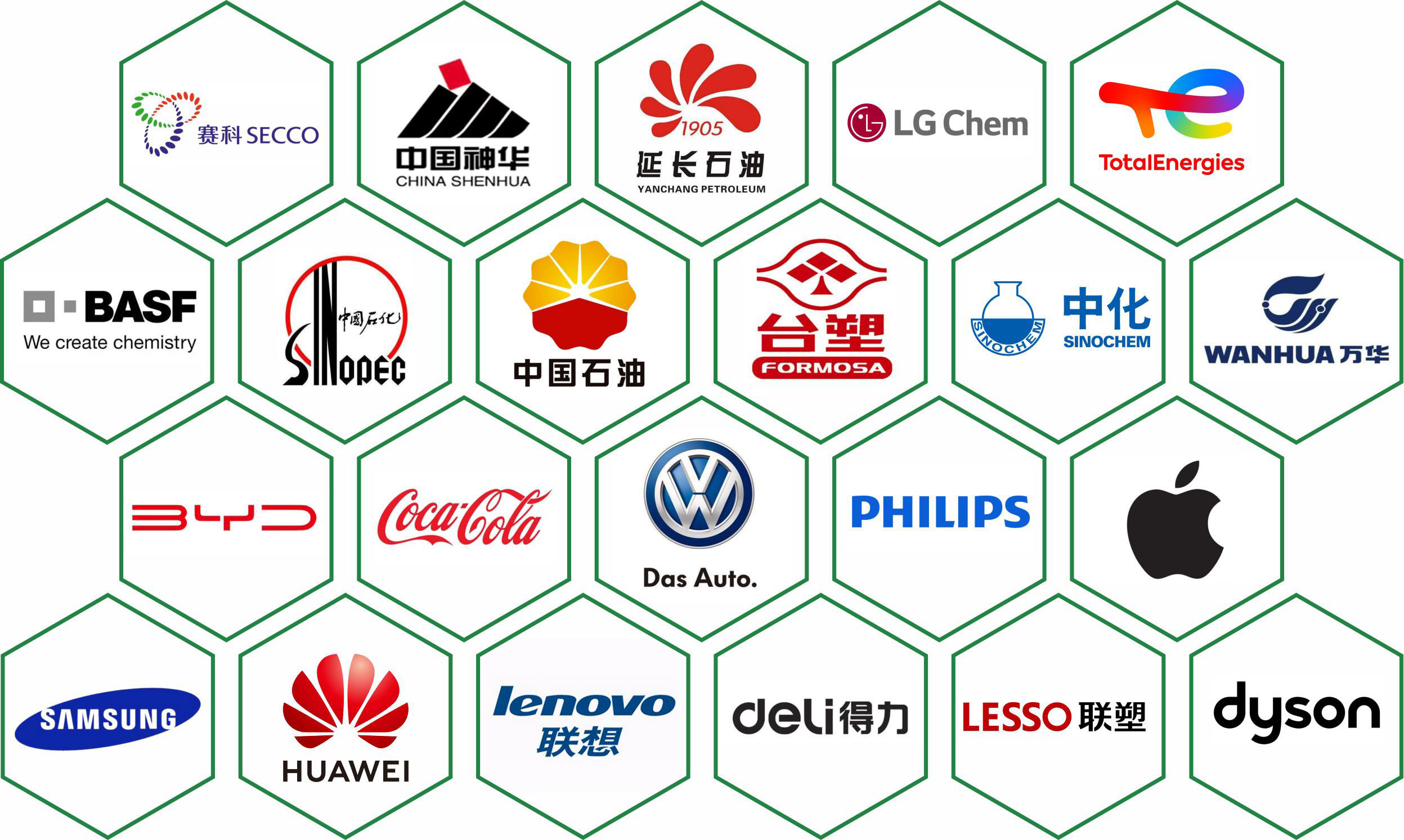
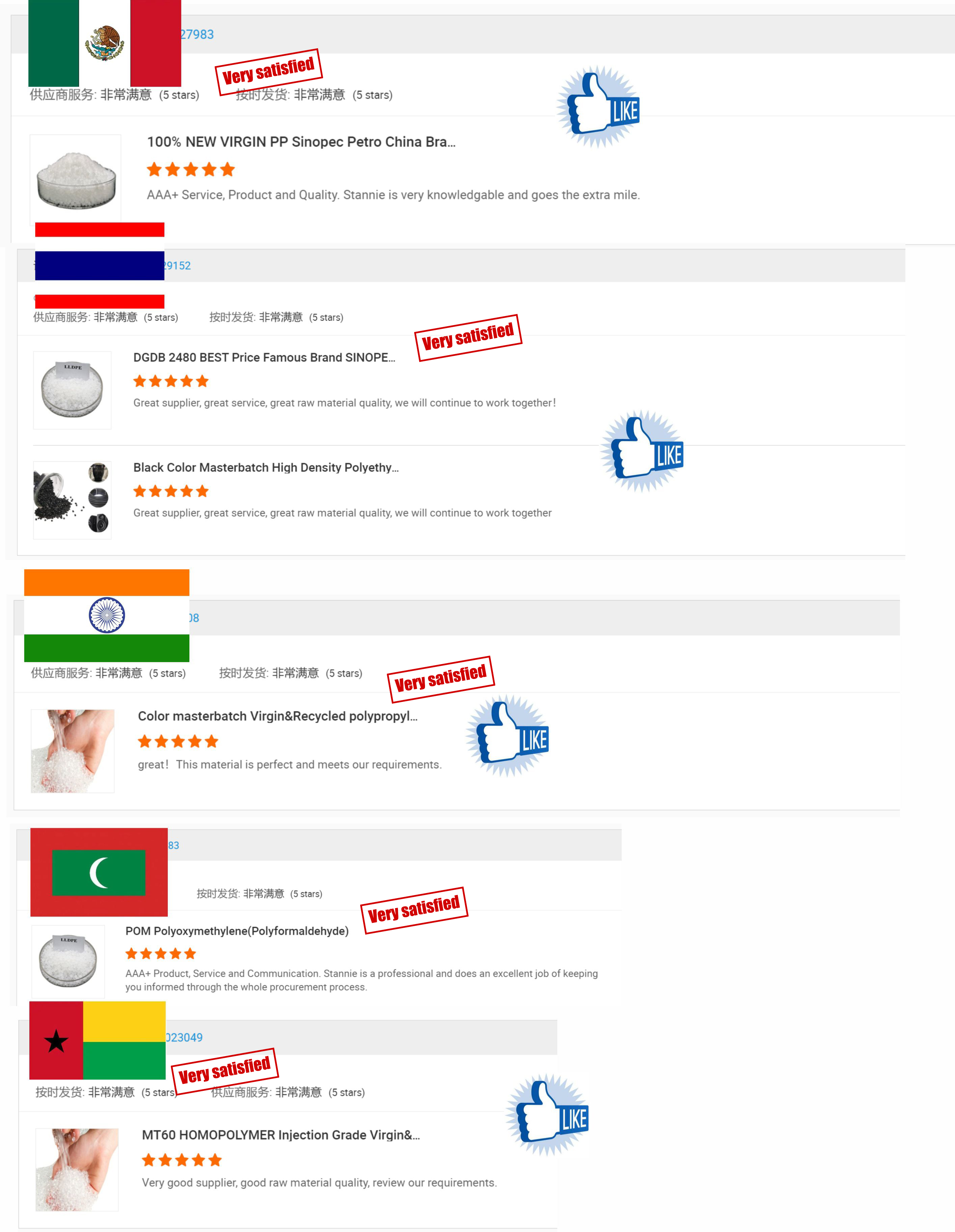
We have established long-term cooperative relations with more than 60+ well-known enterprises all over the world

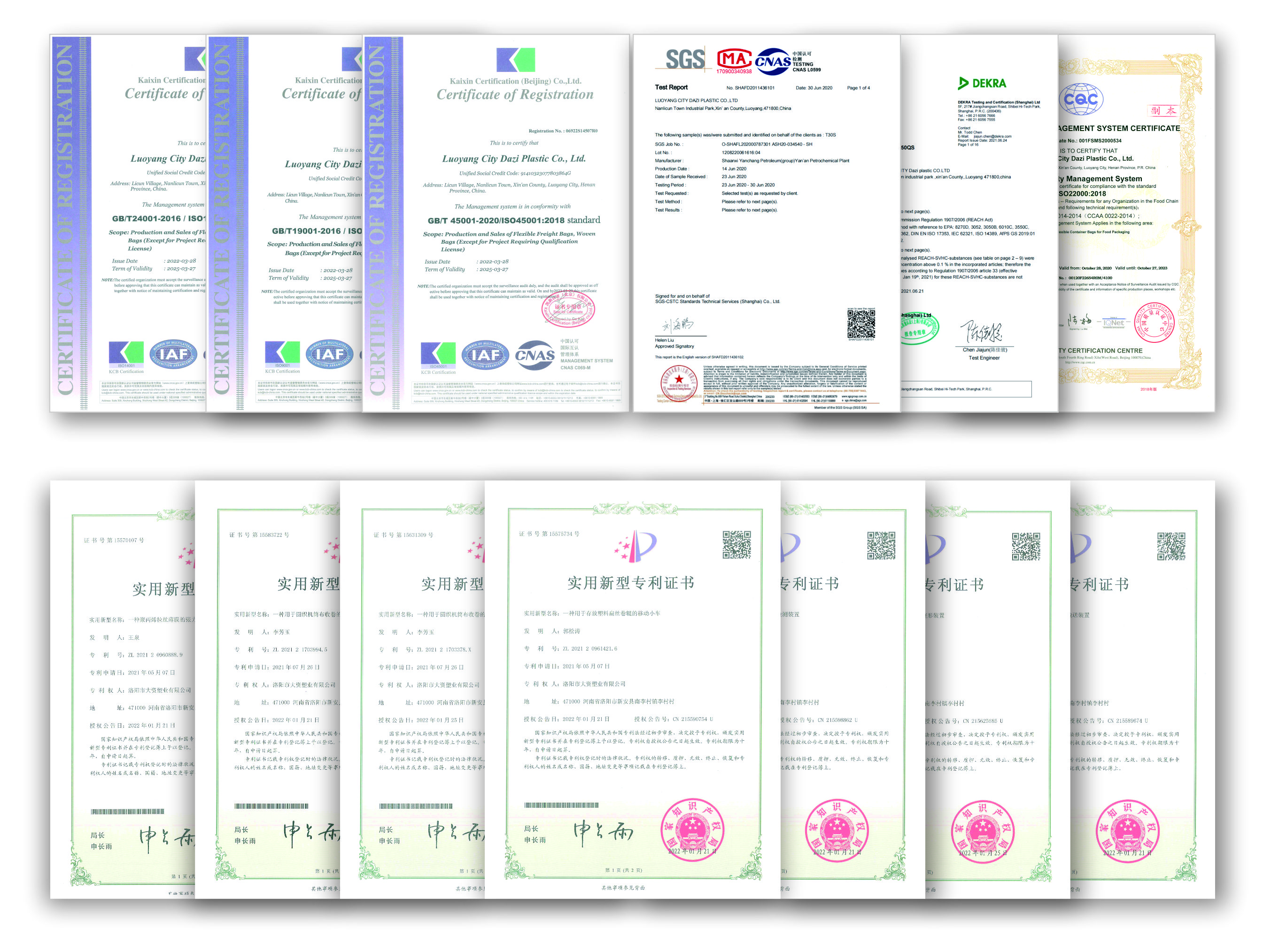
Our company has 12 certifications and 57+ patents.


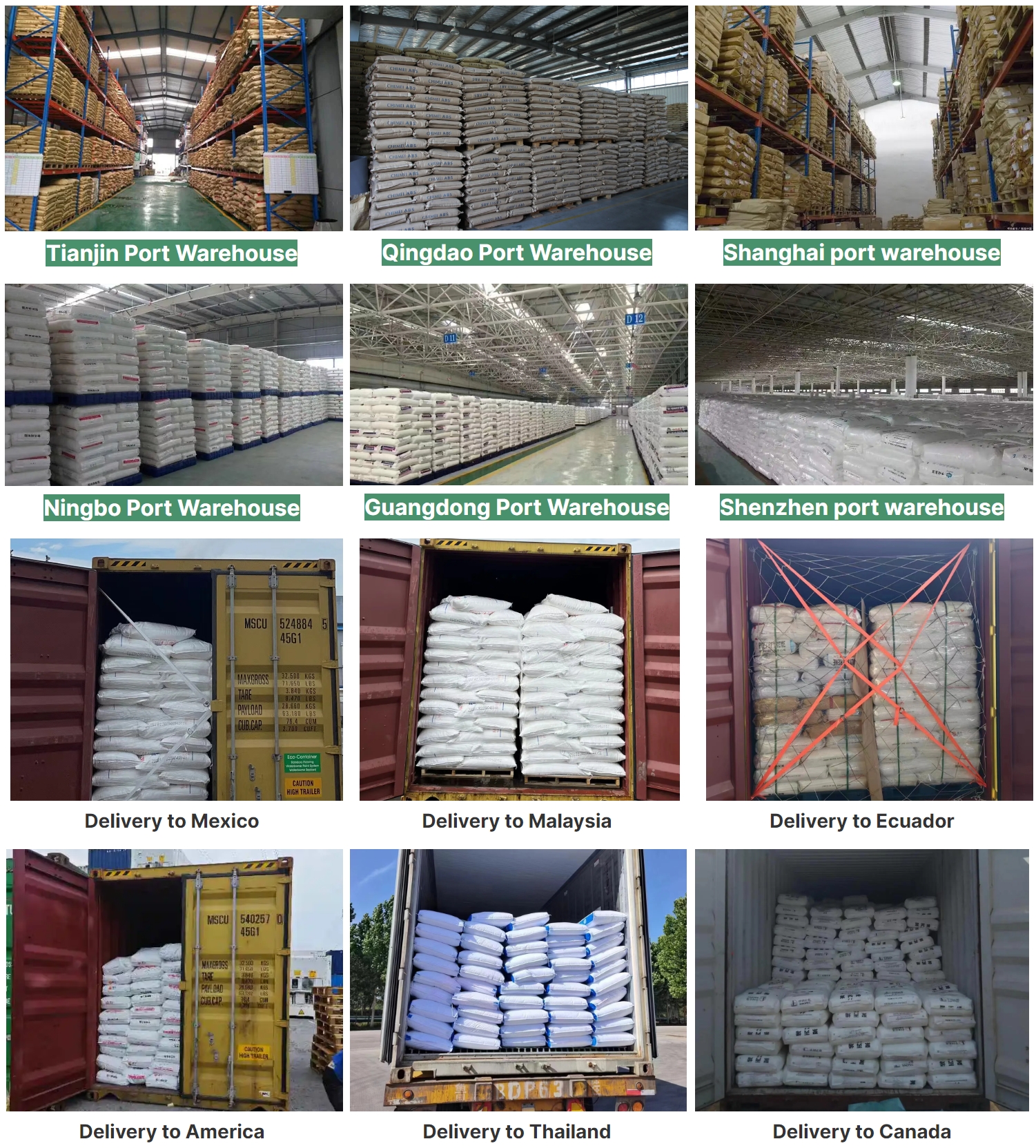
23 years' experience Professional purchasing consultant with a supply chain of 1200+ plastic raw materials in China.