PET reciclado versus PET virgem: cenários de aplicação e análise de custo‑benefício
2026-08-10 15:10:42
PET (Polyethylene Terephthalate) is one of the most widely used thermoplastic resins in the packaging, textile, plastic product and industrial manufacturing industries. With the global push for carbon neutrality, sustainable packaging policies and circular economy development, recycled PET (rPET) has rapidly grown into a mainstream alternative to traditional virgin PET. Although both materials share the same PET molecular foundation, they differ significantly in purity, physical performance, appearance quality, processing stability and application thresholds. Understanding the differences between recycled PET and virgin PET, their suitable application scenarios, and their comprehensive cost-benefit performance is essential for manufacturers to optimize material selection, control costs, and meet global environmental compliance requirements.
Basic Definition & Core Performance Differences
Virgin PET resin is produced from pure petroleum-based PTA and MEG raw materials through polymerization reaction. It features high purity, stable molecular weight distribution, low impurity content, excellent transparency and consistent mechanical properties. Recycled PET (rPET) is processed by sorting, cleaning, crushing, melting and re-granulating waste PET bottles, films and industrial PET scraps. Due to secondary thermal processing and unavoidable trace impurities, rPET has slight differences in viscosity, clarity and thermal stability compared with virgin PET.
1. Purity & Appearance Performance
Virgin PET has ultra-high transparency, no color spots, no impurities and stable color consistency, making it suitable for high-transparency and high-appearance products. Recycled PET inevitably contains tiny residual impurities, slight yellowing or haze, and batch color deviation, which cannot meet ultra-high-grade optical and transparent product standards without deep purification.
2. Mechanical & Structural Stability
Virgin PET maintains uniform tensile strength, impact resistance and bending fatigue resistance. Its molecular structure is complete and stable, suitable for high-strength structural products and long-service-life materials. Recycled PET undergoes multiple melting cycles, resulting in partial molecular chain degradation, slightly reduced viscosity and lower mechanical stability. Although high-grade food-clean rPET can approach virgin PET performance, ordinary recycled PET still has performance gaps in high-load and high-precision scenarios.
3. Processing & Thermal Stability
Virgin PET has stable melting fluidity, low shrinkage rate and excellent mold replication performance, supporting precision injection molding, high-speed film blowing and fiber spinning. Recycled PET has unstable melt viscosity, is prone to crystallization spots and black spots during processing, and requires stricter temperature control and filtering procedures during production.
4. Environmental & Certification Compliance
Virgin PET is pure petroleum-based plastic with stable food-grade safety, suitable for high-standard food contact and medical packaging. High-quality recycled PET can obtain food-grade, FDA and EU food-contact certification after deep purification, while ordinary rPET is only suitable for industrial and non-food contact scenarios.
Applicable Scenarios of Virgin PET
Virgin PET dominates high-precision, high-transparency, food-safe and long-life industrial scenarios where performance stability and safety are non-negotiable.
-
High-end food packaging: Pure transparent beverage bottles, mineral water bottles, food container packaging requiring FDA and EU food-grade certification
-
Optical and high-transparent products: High-clarity PET sheets, transparent blister packaging, high-grade cosmetic packaging
-
High-strength industrial materials: High-performance PET functional films, high-tension industrial fibers, precision plastic structural parts
-
Long-term durable products: Engineering plastic accessories, high-stability extrusion profiles requiring long service life
-
Medical and high-standard sanitary packaging: Disposable medical packaging materials requiring zero impurity standards
Applicable Scenarios of Recycled PET (rPET)
Recycled PET is the best choice for cost-sensitive, environmentally compliant and non-high-precision scenarios. With mature purification technology, rPET has gradually expanded to medium and high-end application fields.
-
Textile fiber industry: Recycled polyester yarn, clothing fabrics, home textiles, carpet fibers (the largest rPET consumption scenario globally)
-
General plastic packaging: Daily chemical packaging bottles, detergent bottles, non-transparent functional packaging containers
-
Industrial plastic products: PET plastic sheets, industrial pallets, packaging straps, engineering auxiliary plastic parts
-
Sustainable eco-packaging: Brand environmental protection packaging, carbon-neutral product packaging, certified recycled plastic packaging
-
Food-grade recycled scenarios: High-purity certified rPET for secondary food containers and beverage bottles (closed-loop recycling)
Cost-Benefit Analysis: Recycled PET vs Virgin PET
1. Raw Material Cost Comparison
Recycled PET has obvious raw material cost advantages. Its unit price is significantly lower than virgin PET, effectively reducing direct material costs for mass production enterprises. For large-scale textile and industrial plastic manufacturers, replacing partial virgin PET with rPET can greatly lower overall procurement expenses.
However, high-purity food-grade rPET requires complex sorting, multi-layer filtering, deep cleaning and viscosity recovery processes, resulting in higher processing costs. Its price is close to ordinary virgin PET, but still has cost advantages in certified sustainable scenarios.
2. Production & Processing Cost
Virgin PET has low processing difficulty, high yield rate and stable production efficiency, with almost no defective products caused by material instability. Recycled PET requires stricter filtration, temperature control and impurity removal procedures, bringing slightly higher production technical thresholds and certain yield loss risks for low-grade rPET.
3. Policy & Brand Value Benefit
This is the biggest hidden benefit of recycled PET. Global countries continue to raise plastic carbon emission standards, implement plastic tax policies, and require brand enterprises to add recycled material ratios in products. Using qualified rPET helps enterprises meet ESG assessment, carbon footprint reduction and green export compliance requirements, avoiding policy penalties and green trade barriers. Meanwhile, recycled material application improves brand green image and enhances market competitiveness in European, American and Oceania markets.
4. Comprehensive Service Life & Replacement Cost
Virgin PET products have stable performance and long service life, suitable for products requiring long-term durability and low replacement frequency. Ordinary rPET products have slightly weaker aging resistance and mechanical stability, suitable for short-cycle consumer goods and disposable industrial packaging, achieving optimal comprehensive economic benefits through low-cost replacement.
How to Choose: Recycled PET or Virgin PET?
-
Choose Virgin PET if your products require high transparency, food-grade safety, high precision, high mechanical strength and long-term stable service performance.
-
Choose Recycled PET if you need to control raw material costs, respond to global environmental policies, produce textile products, general industrial plastics and non-high-precision packaging.
-
Hybrid matching: Most manufacturers adopt mixed usage of virgin PET and certified rPET, balancing product performance stability, production cost and green compliance requirements.
Industry Development Trend
With the continuous upgrading of PET recycling and purification technology, high-purity food-grade rPET performance is gradually approaching virgin PET standards. In the future, recycled PET will achieve wider penetration in packaging and industrial fields, while virgin PET will continue to dominate high-end precision and ultra-safe scenarios. The collaborative matching of virgin and recycled PET will become the mainstream sustainable development model for the global plastic industry.


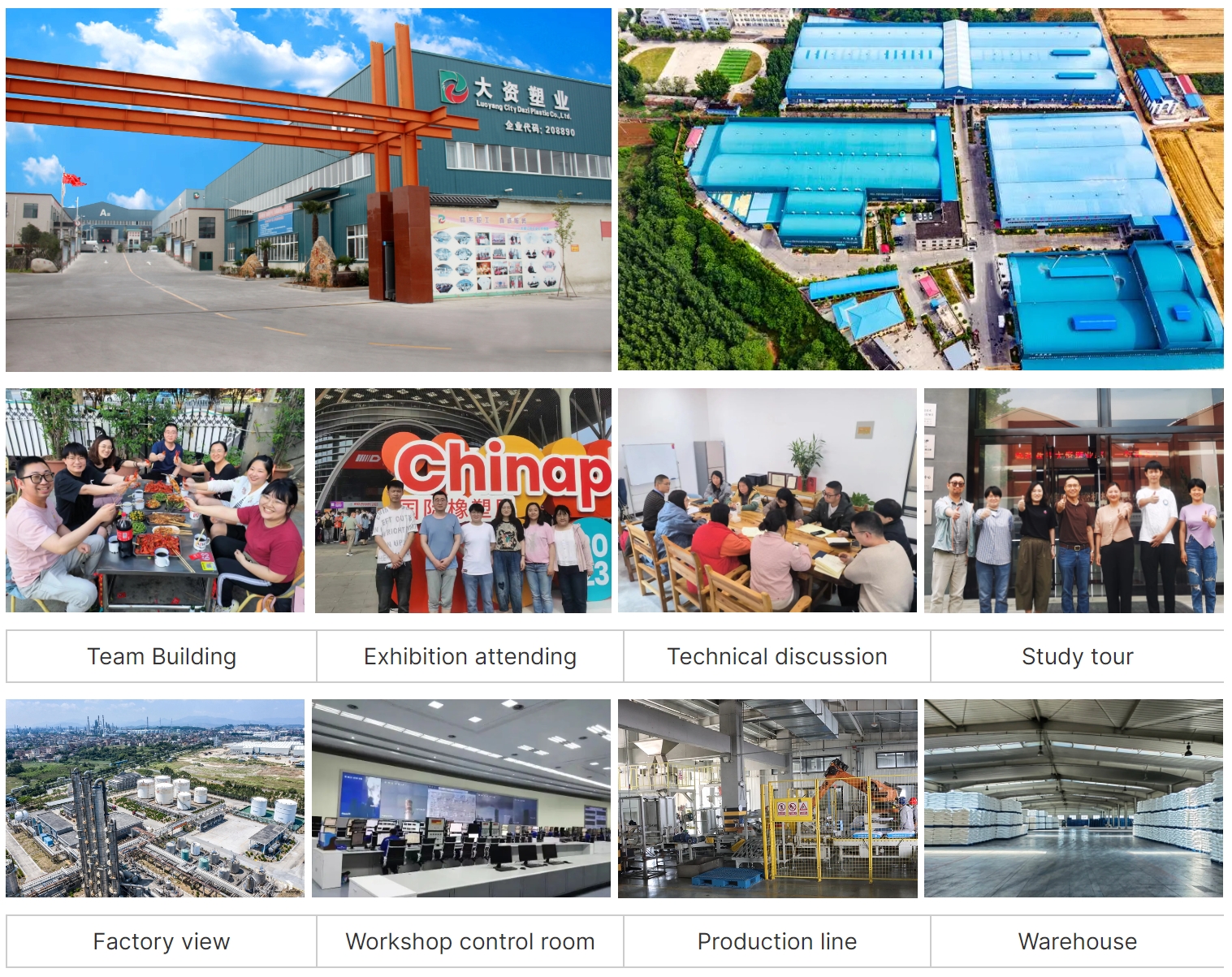

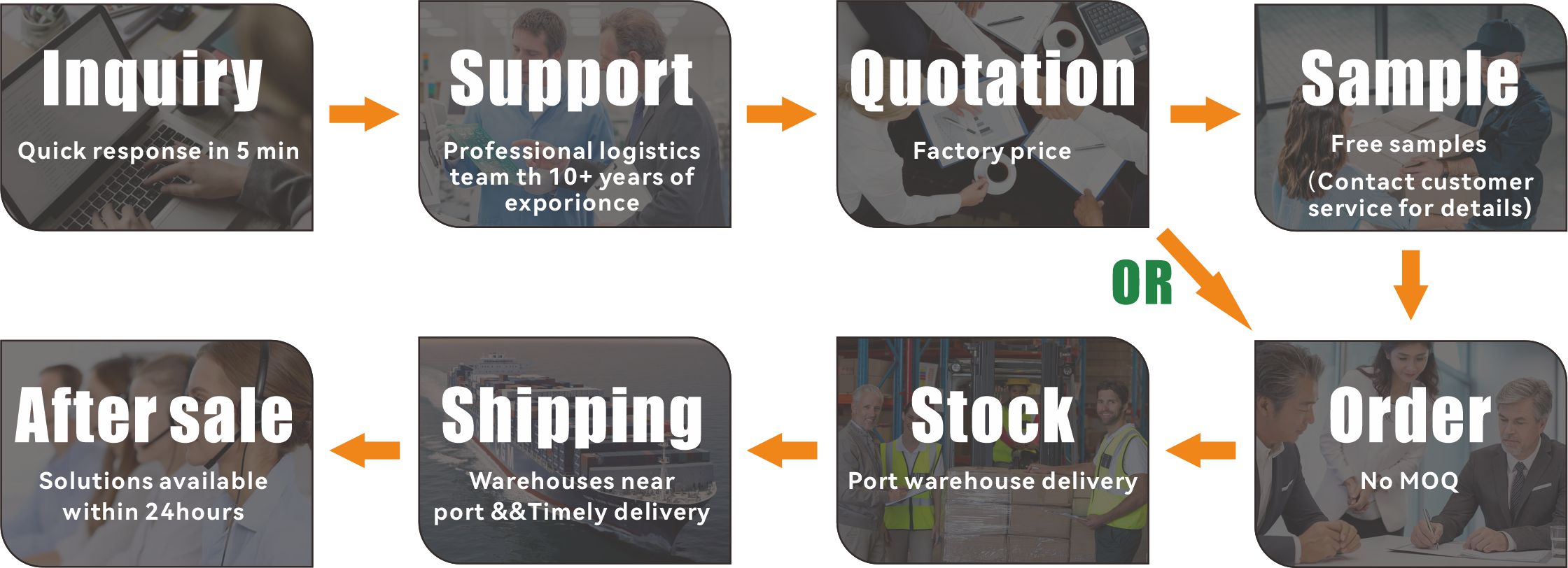

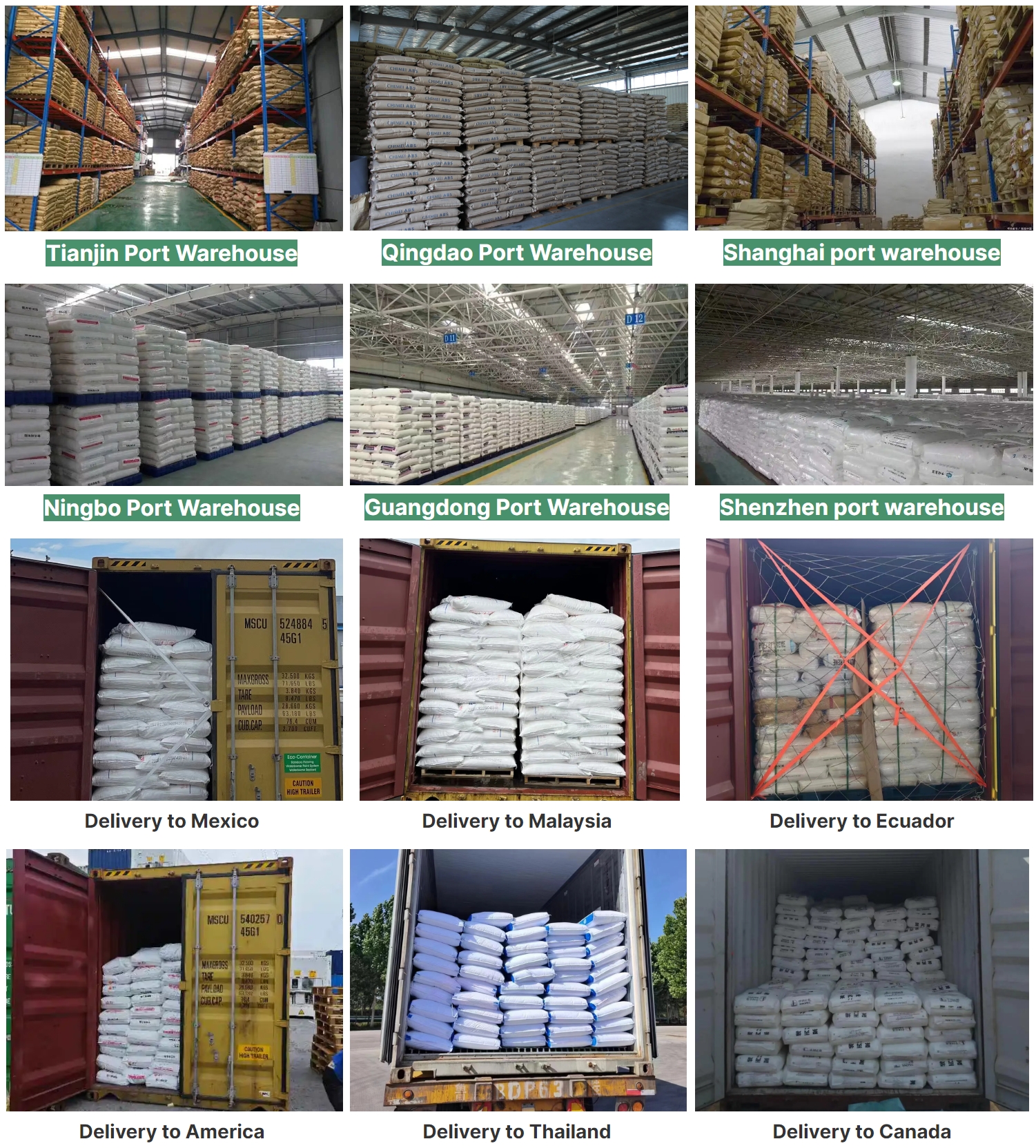
We have established long-term cooperative relations with more than 60+ well-known enterprises all over the world

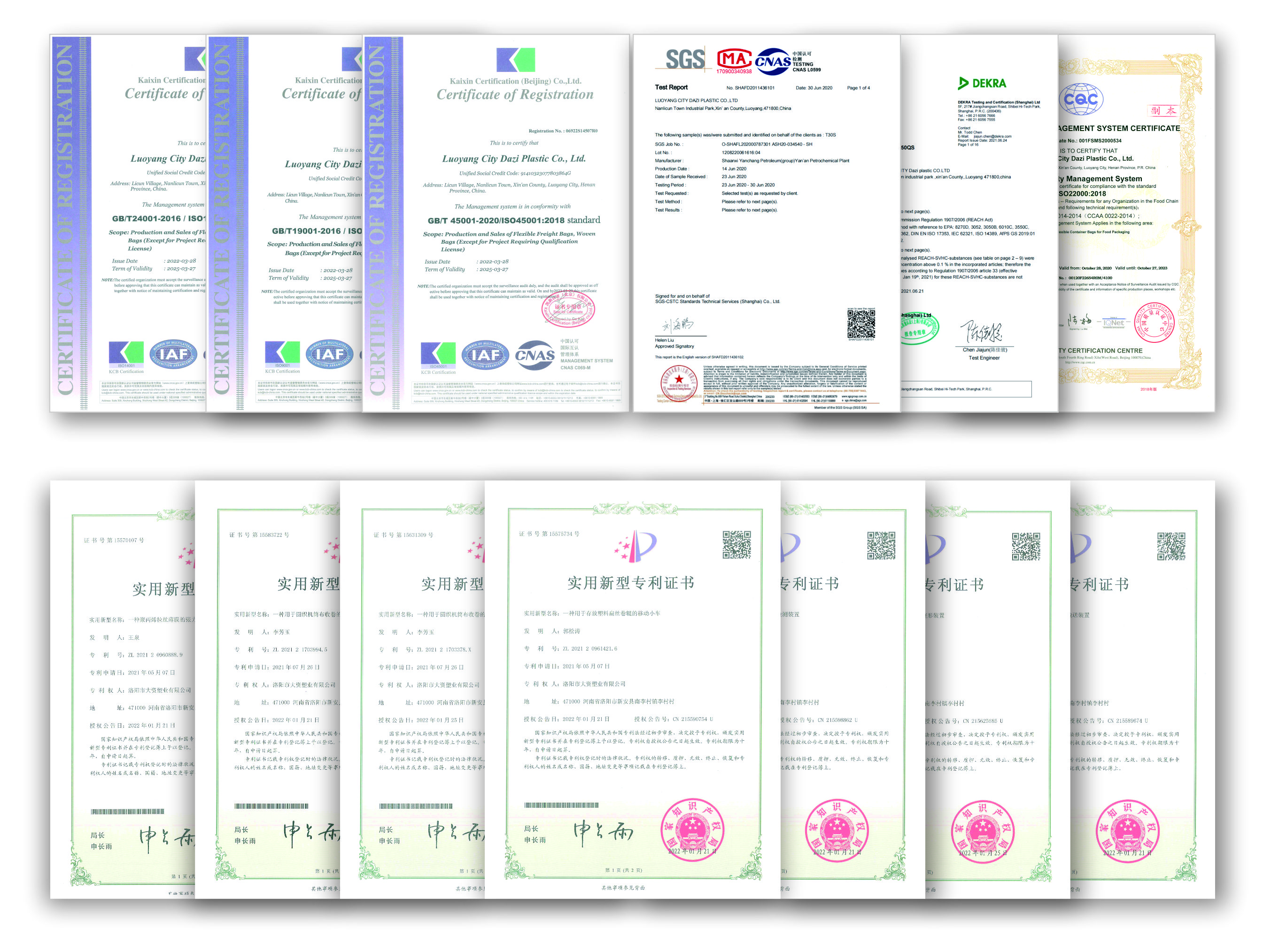
Our company has 12 certifications and 57+ patents.
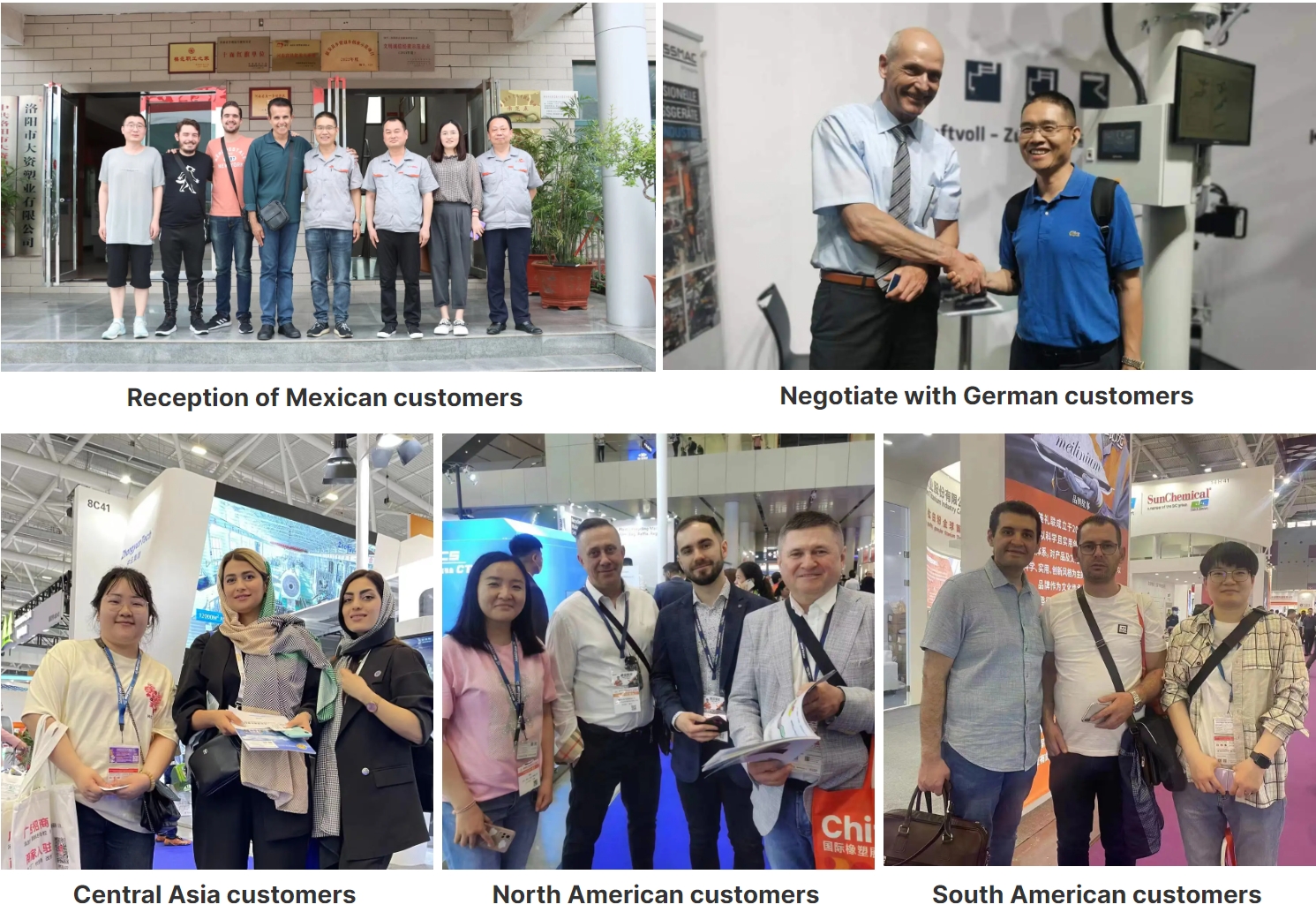
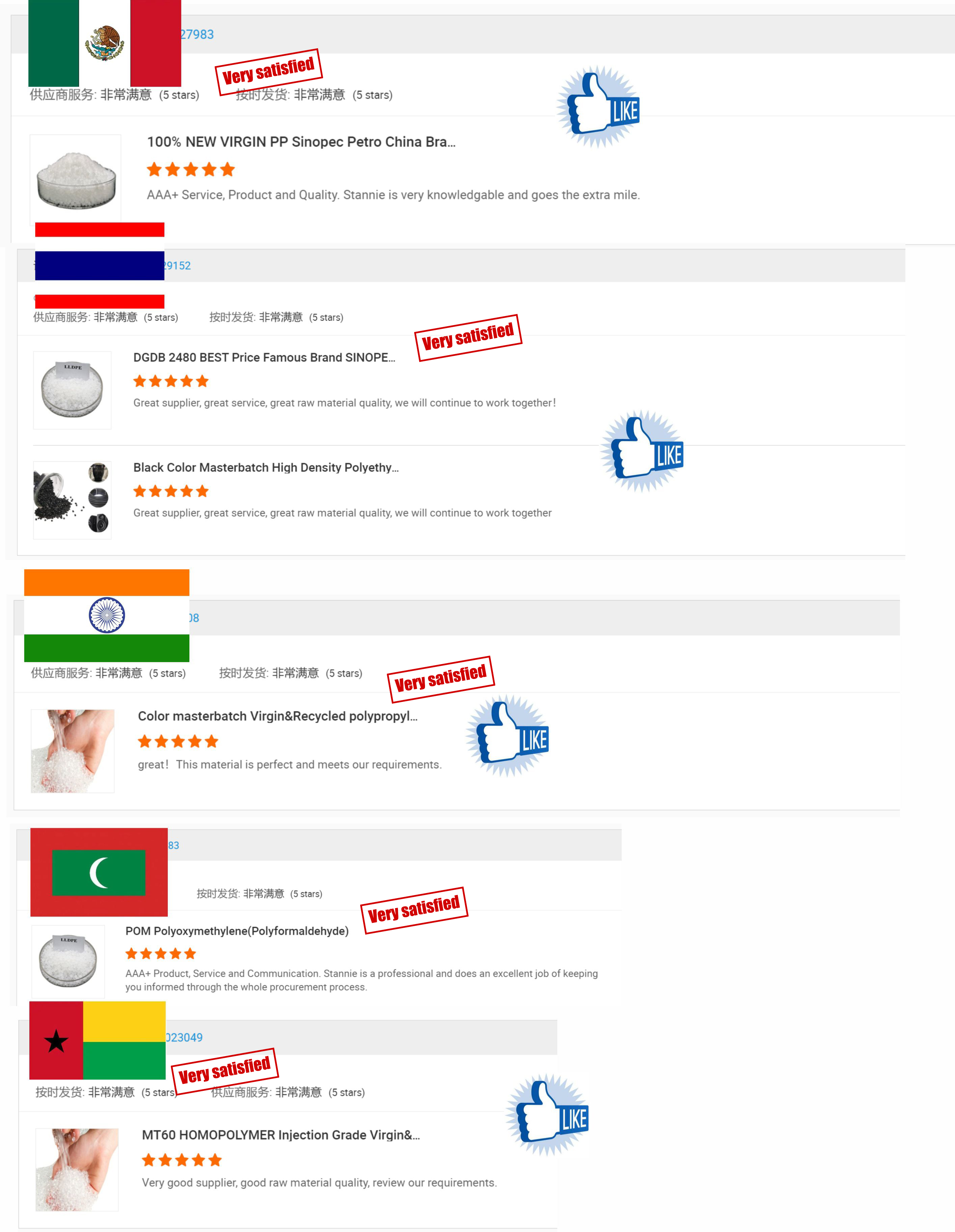

23 years' experience Professional purchasing consultant with a supply chain of 1200+ plastic raw materials in China.