HDPE e LDPE: como selecionar a resina PE correta para seus projetos de embalagem e moldagem
2026-08-14 09:18:54
Polyethylene (PE) resin is the most widely used thermoplastic material in global packaging and plastic molding industries. With excellent chemical stability, lightweight performance, non-toxic safety and cost-effectiveness, PE covers almost all daily packaging, industrial containers and injection-molded plastic products. Among various polyethylene grades, HDPE (High-Density Polyethylene) and LDPE (Low-Density Polyethylene) are the two most mainstream base resins. Many manufacturers confuse their application boundaries, resulting in softness insufficiency, poor rigidity, low transparency, or excessive material cost in finished products. Understanding the core structural differences, performance characteristics and applicable scenarios of HDPE and LDPE is critical to selecting the correct PE resin for optimized product quality and project cost control.
Fundamental Structural Differences Between HDPE and LDPE
The essential performance gap between HDPE and LDPE comes from molecular chain structure and density differences.
HDPE features a linear molecular structure with few branched chains. Its molecular arrangement is compact and orderly, bringing high density, high crystallinity and strong structural stability. The neat molecular stacking makes HDPE rigid, wear-resistant and dimensionally stable, suitable for structural and load-bearing plastic products.
LDPE has a large number of long and branched molecular chains, which hinder tight molecular arrangement. Its loose molecular structure results in lower density, lower crystallinity and better flexibility. This unique structure endows LDPE excellent ductility, softness and film-forming performance, becoming the preferred material for flexible packaging and soft plastic products.
Core Performance Comparison: HDPE vs LDPE
1. Rigidity, Hardness and Mechanical Strength
HDPE delivers significantly higher tensile strength, surface hardness and flexural rigidity. It resists extrusion deformation and structural bending, maintaining stable shape under external pressure. LDPE is softer and more ductile with low surface hardness, easy to bend but not easy to break. For rigid molded products requiring support performance and compression resistance, HDPE is the only reliable choice, while LDPE cannot provide sufficient structural rigidity.
2. Transparency and Surface Appearance
LDPE has excellent light transmittance and uniform gloss performance. Its low crystallinity reduces internal light scattering, enabling high transparency for thin films and lightweight packaging. HDPE with high crystallinity naturally presents opaque milky white texture with poor clarity. If projects require transparent or high-gloss appearance, LDPE or blended PE materials are more suitable than pure HDPE.
3. Toughness, Flexibility and Tear Resistance
LDPE excels in low-temperature toughness, ductility and tear resistance. It can be stretched repeatedly without cracking, adapting to bending, rolling and folding processing. HDPE is tough but less flexible; it is resistant to impact but prone to brittle fracture under extreme bending, especially in ultra-thin structures.
4. Heat Resistance and Chemical Stability
HDPE has a higher melting point and heat distortion temperature, supporting higher-temperature processing and usage. It features better chemical resistance, oil resistance and corrosion resistance, suitable for chemical packaging and high-temperature sterilization scenarios. LDPE has relatively lower heat resistance, easy to soften under high temperature, and is more suitable for normal-temperature packaging and daily flexible products.
5. Processing and Molding Characteristics
HDPE has good melt fluidity and molding stability, ideal for precision injection molding, blow molding and extrusion of rigid products. It has low shrinkage rate and stable dimensional accuracy. LDPE has outstanding film-forming property and stretching performance, perfect for thin-film blowing, flexible extrusion and soft plastic molding, but is not suitable for high-rigidity structural parts.
Typical Application Scenarios of HDPE Resin
HDPE is mainly applied in projects requiringrigidity, compression resistance, dimensional stability and chemical durability.
-
Rigid packaging containers: Plastic bottles for daily chemicals, beverage bottles, industrial plastic drums, chemical liquid packaging containers
-
Injection molded hard products: Plastic crates, storage boxes, plastic pallets, pipe fittings, engineering plastic structural parts
-
Industrial extrusion products: HDPE plastic pipes, waterproof sheets, thick protective plates
-
High-standard bulk packaging: Woven bag base material, FIBC inner liner, wear-resistant industrial packaging accessories
Typical Application Scenarios of LDPE Resin
LDPE dominates projects requiring flexibility, transparency, softness and excellent film-forming ability.
-
Flexible packaging films: Food packaging bags, plastic wrapping films, protective films, composite packaging layers
-
Soft plastic products: Plastic gloves, plastic hoses, soft sealing gaskets, stretch films
-
Low-thickness extrusion products: Thin blown films, wrapping films, transparent protective packaging
-
Packaging auxiliary materials: Flexible liners, waterproof and dustproof inner bags for industrial packaging
How to Choose Between HDPE and LDPE for Your Projects
Choose HDPE if:
-
Your project requires rigid, hard and compression-resistant finished products
-
Products need high dimensional stability and low deformation rate
-
Applications involve chemical contact, oil corrosion and high-temperature environment
For many complex packaging and molding projects, manufacturers adopt HDPE and LDPE blending formula to balance performance. Adding a certain proportion of LDPE into HDPE can improve product toughness and surface gloss while maintaining rigidity; mixing HDPE into LDPE film can enhance film stiffness and reduce stretching deformation. Blended PE resin achieves complementary advantages, widely used in medium-rigidity packaging, modified plastic compounds and multi-functional plastic products.
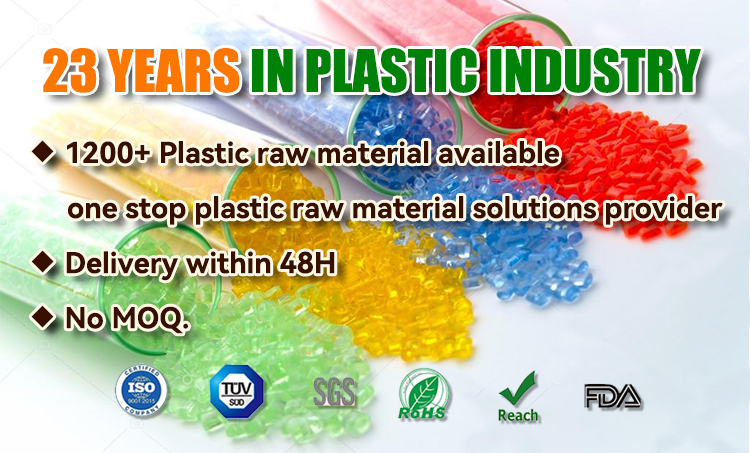


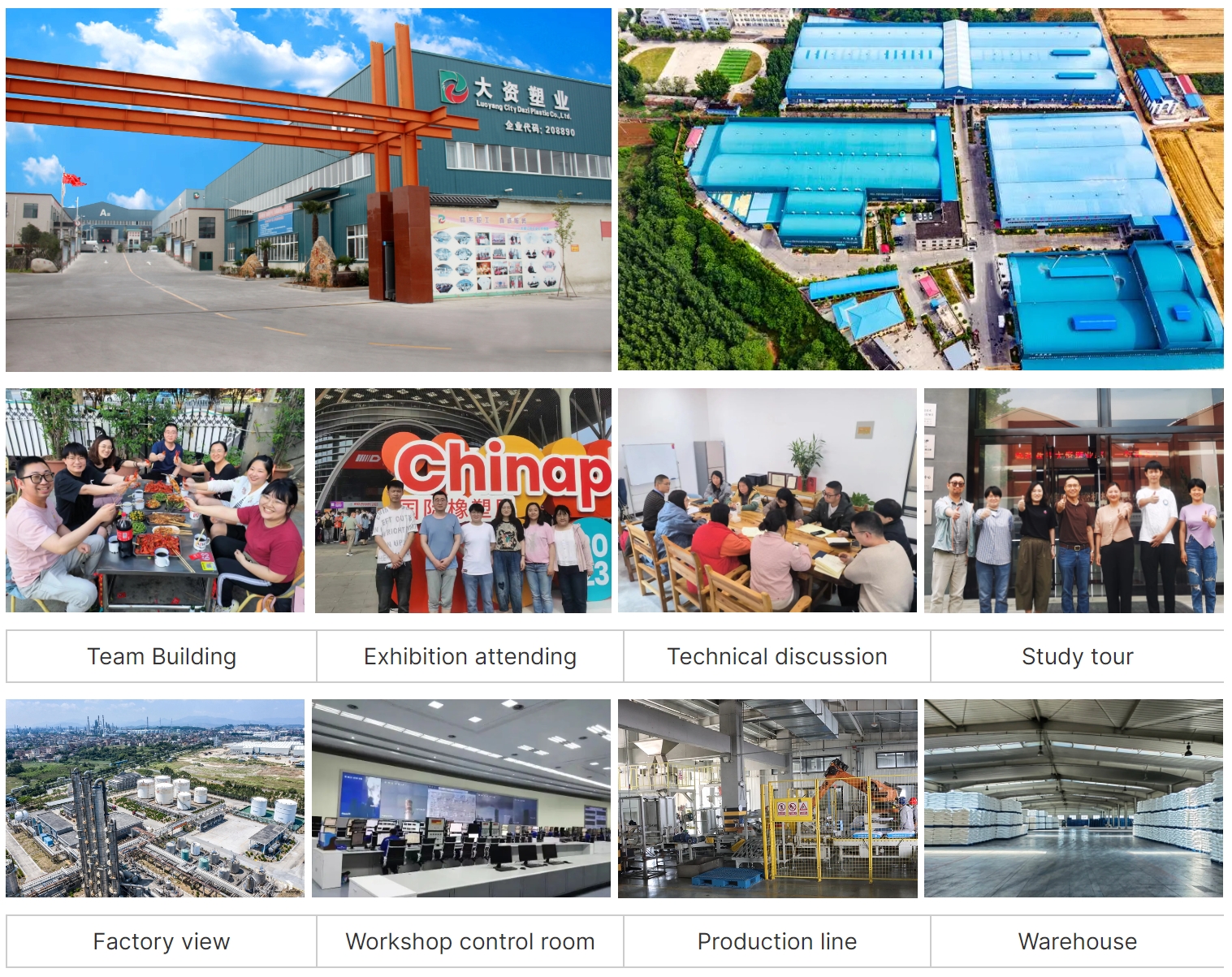

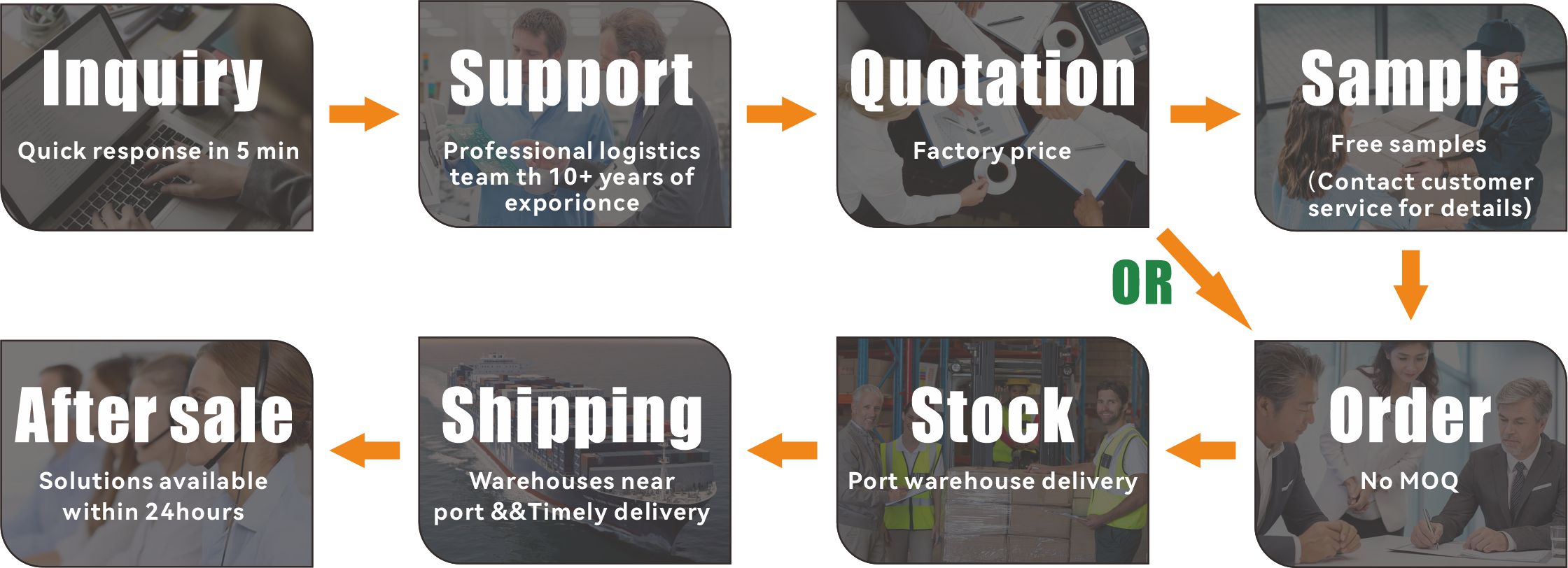

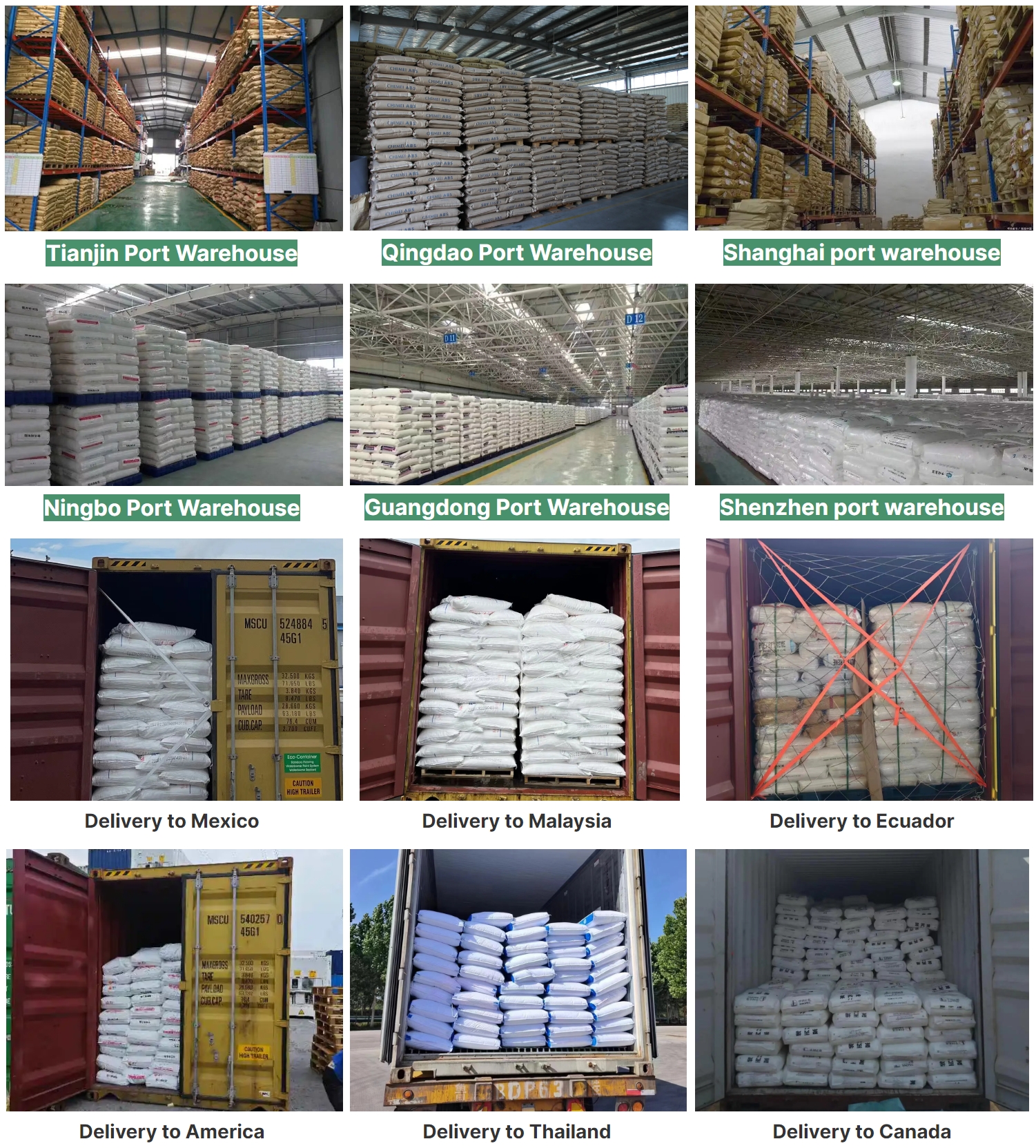
We have established long-term cooperative relations with more than 60+ well-known enterprises all over the world

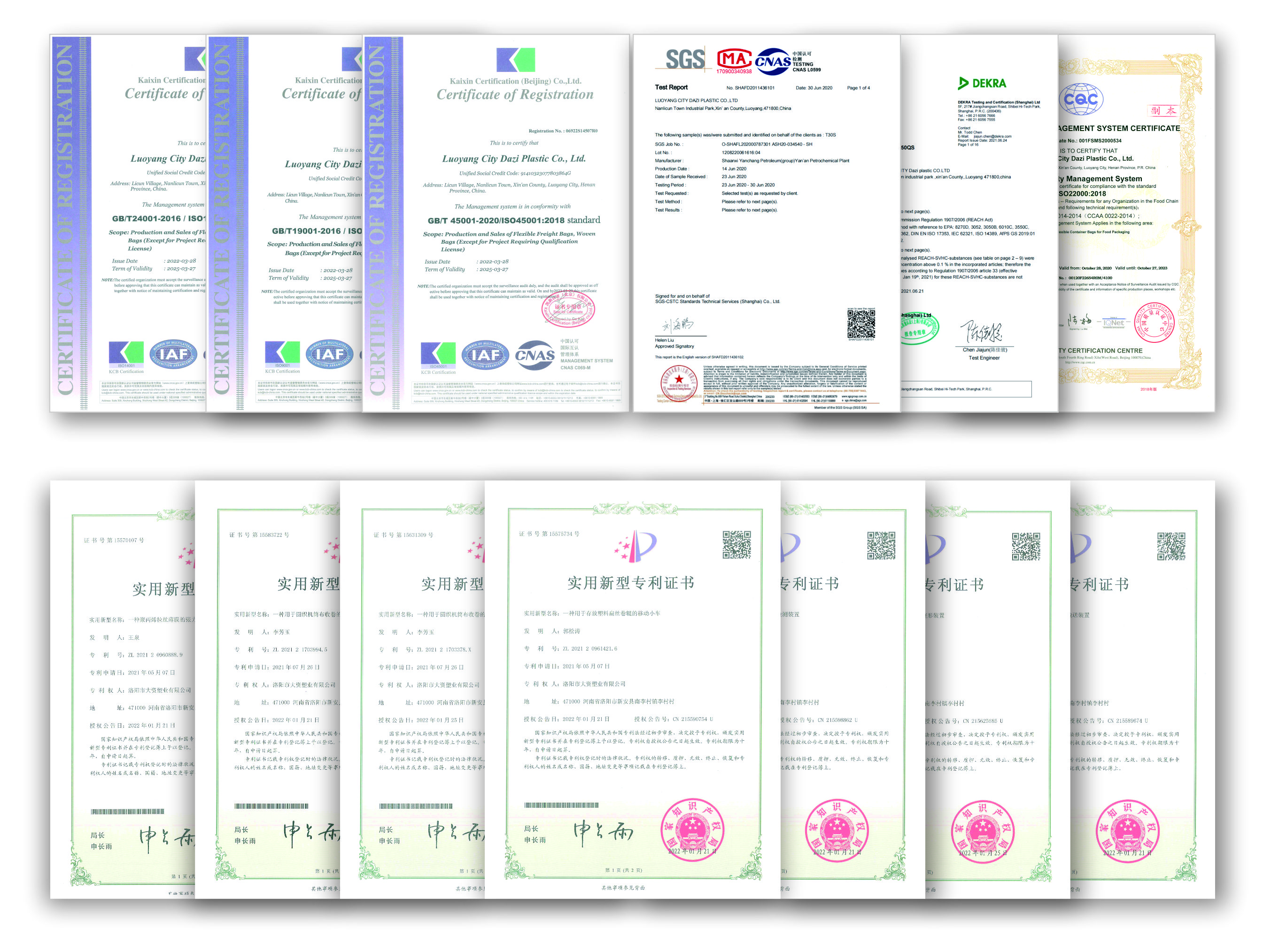
Our company has 12 certifications and 57+ patents.
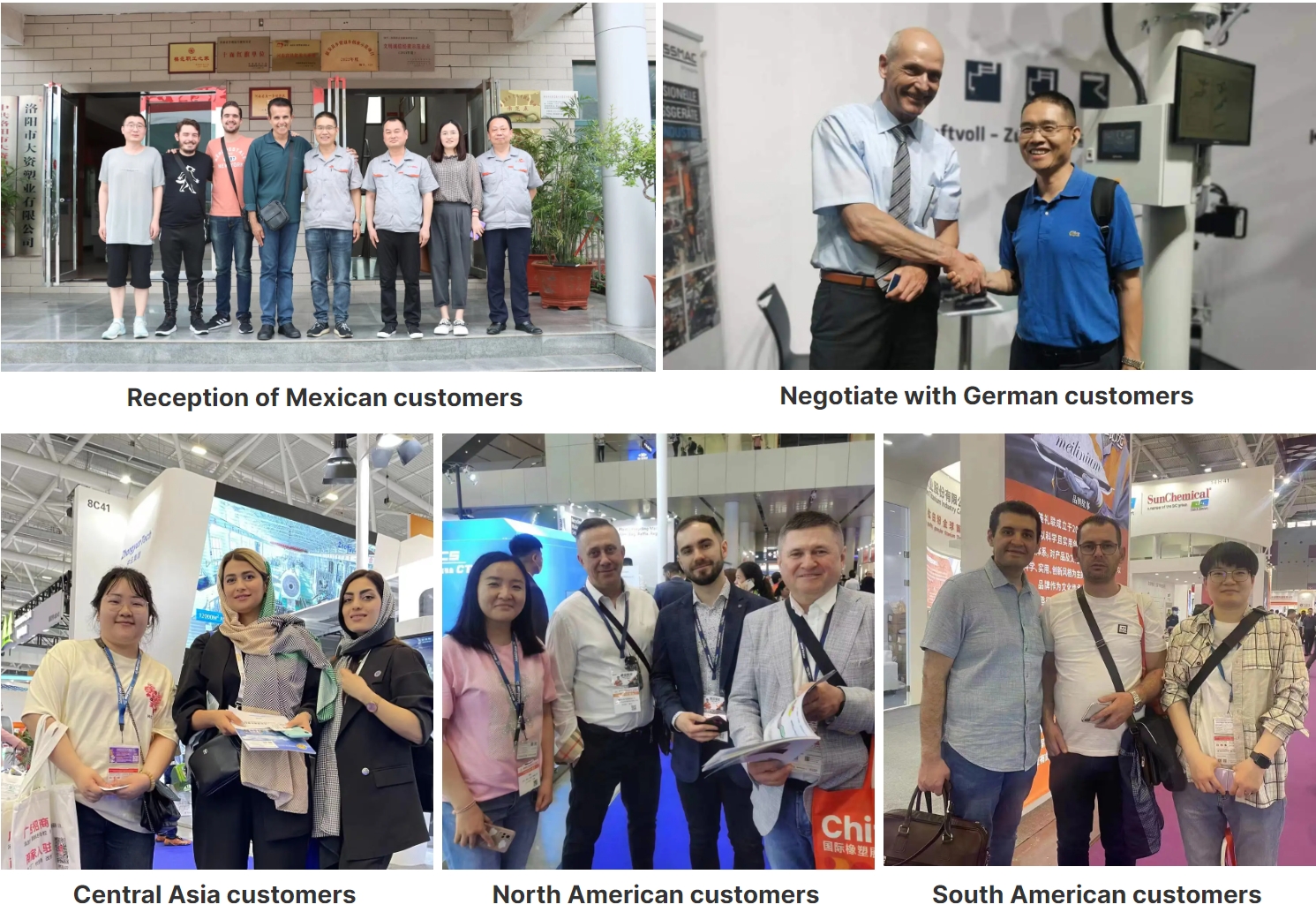

23 years' experience Professional purchasing consultant with a supply chain of 1200+ plastic raw materials in China.