Resina de policarbonato (PC): parâmetros‑chave de desempenho para fabricação de componentes industriais
2026-08-24 08:49:51
Polycarbonate (PC) resin is a premium amorphous engineering thermoplastic widely recognized for its exceptional balanced mechanical, thermal, optical and electrical properties. Unlike general-purpose plastics limited to basic packaging and daily goods, PC resin is engineered for high-precision, high-load and long-service industrial component manufacturing. Industrial parts such as electrical enclosures, mechanical structural brackets, automotive functional components, optical industrial lenses and equipment protective covers require strict dimensional stability, impact resistance and environmental durability. All core application advantages of PC stem from standardized controllable performance parameters. For manufacturers, mastering key PC resin technical parameters is the premise of accurate material selection, defect rate control and standardized industrial component mass production. This article elaborates on the critical performance parameters of PC resin for industrial component manufacturing, parameter thresholds, industrial application values and matching selection rules.
Core Mechanical Performance Parameters (Structural Reliability Basis)
Mechanical parameters determine the load-bearing capacity, anti-fracture performance and structural durability of PC industrial components under long-term mechanical stress, vibration and impact conditions. They are the most fundamental indicators for structural part manufacturing.
1. Notched Izod Impact Strength
As the signature advantage of PC resin, notched Izod impact strength reflects the material’s ability to resist sudden impact and crack propagation. Standard virgin PC resin maintains a stable impact strength of 600–850 J/m at room temperature, featuring non-break ductile performance. Different from brittle plastics like GPPS, PC retains excellent toughness even at low temperatures, avoiding sudden fracture of industrial parts during equipment operation, assembly collision and vibration fatigue. For industrial protective covers, mechanical moving parts and anti-collision structural components, high impact strength parameters ensure long-term operational safety and reduce component replacement frequency.
2. Tensile Strength & Tensile Modulus
Tensile strength represents the maximum tension resistance of PC components, with conventional industrial-grade PC reaching 60–80 MPa. Tensile modulus ranges from 2200–2400 MPa, defining the material’s rigidity and anti-deformation ability. These two parameters jointly determine the structural stability of load-bearing industrial parts. High tensile modulus ensures no permanent deformation under long-term static load, while qualified tensile strength prevents part cracking under dynamic tension. For precision industrial brackets and fixed structural parts, stable tensile parameters guarantee assembly accuracy and long-term structural consistency.
3. Flexural Strength & Flexural Modulus
Flexural performance parameters evaluate the bending resistance of PC components under extrusion and bending stress, with industrial-grade PC flexural strength at 90–100 MPa and flexural modulus around 2300–2350 MPa. Industrial components are often subjected to multi-directional bending and extrusion during equipment assembly and operation. PC’s excellent flexural rigidity effectively avoids bending deformation and warpage of thin-wall structural parts, which is critical for high-precision industrial parts requiring strict dimensional tolerance control.
4. Elongation at Break
Elongation at break of pure PC resin reaches 80%–150%, indicating superior ductility before fracture. This parameter explains why PC industrial components can withstand repeated extrusion and micro-deformation without cracking. It effectively solves the common quality problem of brittle failure during assembly and equipment debugging, greatly improving the yield rate of precision industrial component installation.
Critical Thermal Performance Parameters (High-Temperature Industrial Adaptability)
Industrial equipment often generates continuous operating heat, and enclosed working environments form high-temperature conditions. Thermal parameters determine the temperature resistance range, dimensional stability and service life of PC components in high-temperature industrial scenarios.
1. Heat Deflection Temperature (HDT)
Heat Deflection Temperature is the core parameter for industrial high-temperature resistance evaluation. Standard industrial PC has an HDT of 120–136°C under 1.82 MPa load, enabling long-term stable operation in conventional industrial high-temperature environments. Components such as electrical equipment shells and engine peripheral parts will not soften, deform or fail under sustained high temperature. For high-temperature industrial scenarios, modified high-temperature PC can achieve an HDT above 140°C, adapting to stricter industrial heat resistance requirements.
2. Continuous Service Temperature
PC resin supports a long-term continuous service temperature of 110–120°C, maintaining stable mechanical properties and dimensional accuracy without thermal aging or performance attenuation. This parameter ensures the long-term reliability of industrial components in continuous production equipment, avoiding frequent part failure caused by thermal fatigue and reducing equipment maintenance downtime.
Key Processing Parameters (Precision Molding Consistency)
Stable processing parameters are the key to mass production of high-precision industrial components, determining molding consistency, dimensional accuracy and defective rate of finished parts.
1. Melt Flow Rate (MFR/MFI)
MFR reflects the melt fluidity of PC resin during injection and extrusion molding, directly affecting the filling effect of precision thin-wall industrial parts. High-flow PC grades with optimized MFR parameters can realize full filling of tiny structural grooves and ultra-thin wall parts, avoiding short shots, incomplete molding and internal void defects. Reasonable MFR matching effectively reduces injection pressure and molding cycle, improving industrial component production efficiency while ensuring consistent part precision.
2. Low Shrinkage Rate
PC features extremely low molding shrinkage rate and uniform shrinkage performance, which is far superior to ordinary polyolefin plastics. This core parameter ensures no post-molding warpage, shrinkage cavity or dimensional deviation of precision industrial components. It is an essential guarantee for high-precision industrial parts with strict tolerance requirements, such as instrument shells and precision mechanical accessories.
Safety & Environmental Adaptability Parameters (Industrial Standard Compliance)
Industrial component manufacturing has strict certification and environmental adaptability requirements. Flame retardancy, weather resistance and electrical insulation parameters determine whether PC parts meet industrial safety specifications and long-term outdoor/equipment environment adaptation.
1. Flame Retardant Grade
Flame retardant performance is a mandatory parameter for electrical and electronic industrial components. Modified flame-retardant PC can reach UL94 V-0 grade, achieving self-extinguishing effect without open flame spreading. This parameter effectively prevents electrical short circuit combustion and equipment fire hazards, fully complying with international industrial electrical safety standards.
2. Electrical Insulation Parameters
PC resin has excellent and stable electrical insulation properties, with high volume resistivity and breakdown voltage. It maintains stable insulation performance under different temperature and humidity conditions, avoiding electric leakage and breakdown risks. It is the ideal parameter advantage for manufacturing electrical insulation components, terminal housings and power equipment protective parts.
3. Weather Resistance & Anti-Aging Parameters
UV-stabilized industrial-grade PC has excellent anti-aging and anti-yellowing parameters. It can resist long-term ultraviolet radiation, temperature alternation and industrial dust corrosion, maintaining stable mechanical properties and surface gloss. This parameter enables PC components to adapt to outdoor industrial equipment, open-air mechanical facilities and long-cycle industrial operation scenarios, avoiding performance degradation caused by environmental aging.
Parameter Differences: Virgin PC vs Modified Industrial-Grade PC
Different industrial component scenarios require targeted PC parameter adjustment. Virgin pure PC focuses on high toughness, high transparency and low shrinkage, suitable for optical industrial parts and precision transparent protective components. Glass fiber reinforced PC improves tensile strength, flexural modulus and heat resistance parameters, applicable to high-load structural industrial parts. Flame-retardant modified PC optimizes fire safety parameters for electrical industrial equipment, while high-flow modified PC upgrades processing parameters for complex thin-wall industrial components. Understanding parameter differences helps manufacturers select targeted PC grades to avoid performance surplus or insufficient parameters.
Parameter Matching Rules for Typical Industrial Components
-
Precision electrical enclosures: Prioritize UL94 V-0 flame retardancy, stable insulation parameters and low shrinkage rate to ensure safety and dimensional accuracy
-
Mechanical anti-vibration structural parts: Focus on high notched impact strength and tensile ductility to resist vibration fatigue and impact load
-
High-temperature equipment accessories: Select high HDT and high continuous temperature resistance PC grades to adapt to long-term high-temperature working conditions
-
Outdoor industrial facilities: Require UV anti-aging parameters and weather-resistant stabilized PC to extend outdoor service life
-
Ultra-thin precision molded parts: Adopt high MFR high-flow PC to ensure full molding and consistent precision
Conclusion
The widespread application of Polycarbonate (PC) resin in industrial component manufacturing stems from its comprehensive and controllable core performance parameters. Stable mechanical toughness, reliable high-temperature resistance, precise molding parameters, compliant safety insulation and excellent environmental adaptability form the technical foundation of high-quality industrial PC parts. For industrial manufacturers, scientific selection and matching of PC resin parameters according to component working conditions can effectively improve product stability, reduce defective rates and extend equipment service life, providing reliable material guarantees for high-standard industrial precision manufacturing.





We have established long-term cooperative relations with more than 60+ well-known enterprises all over the world

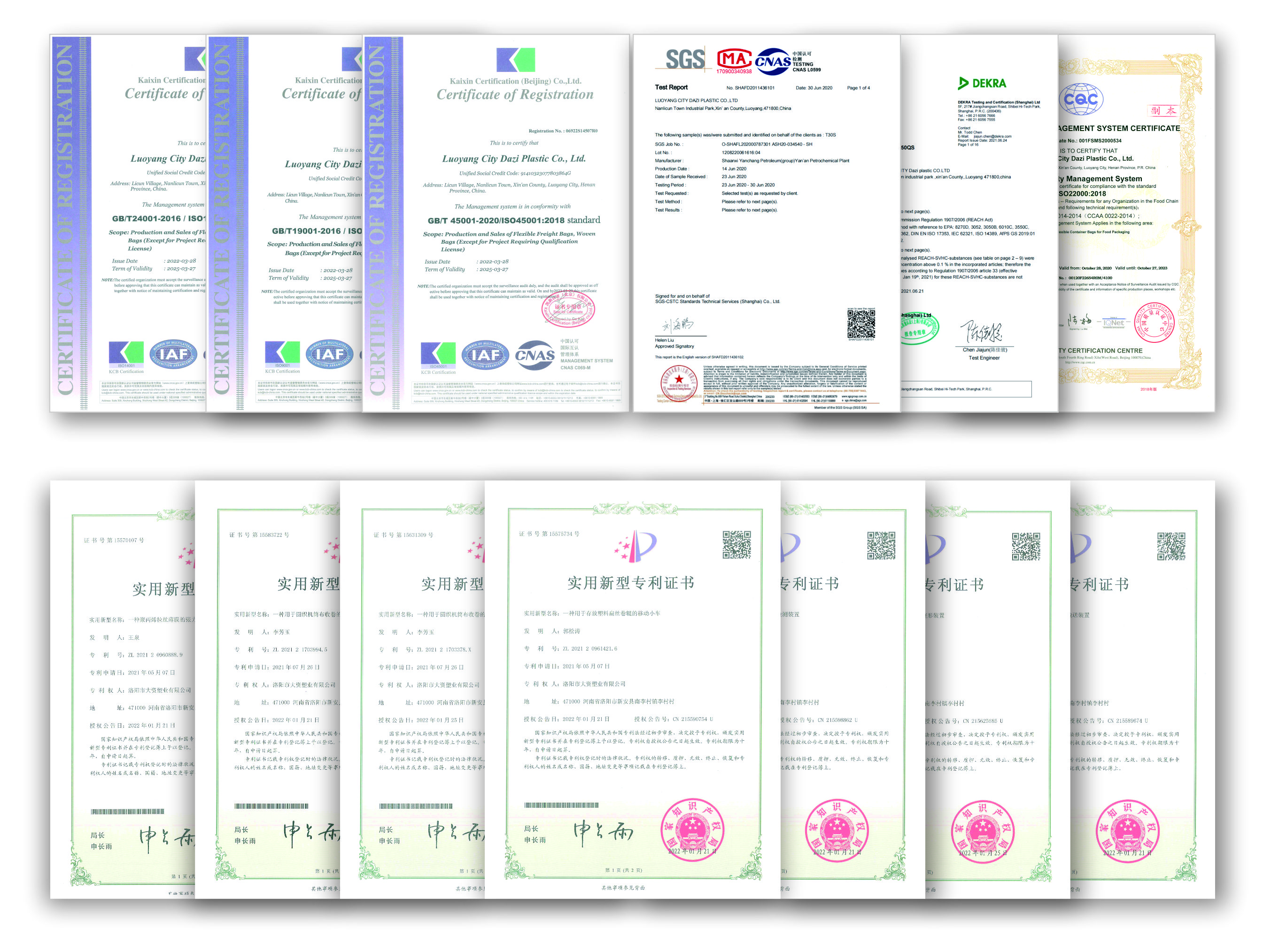
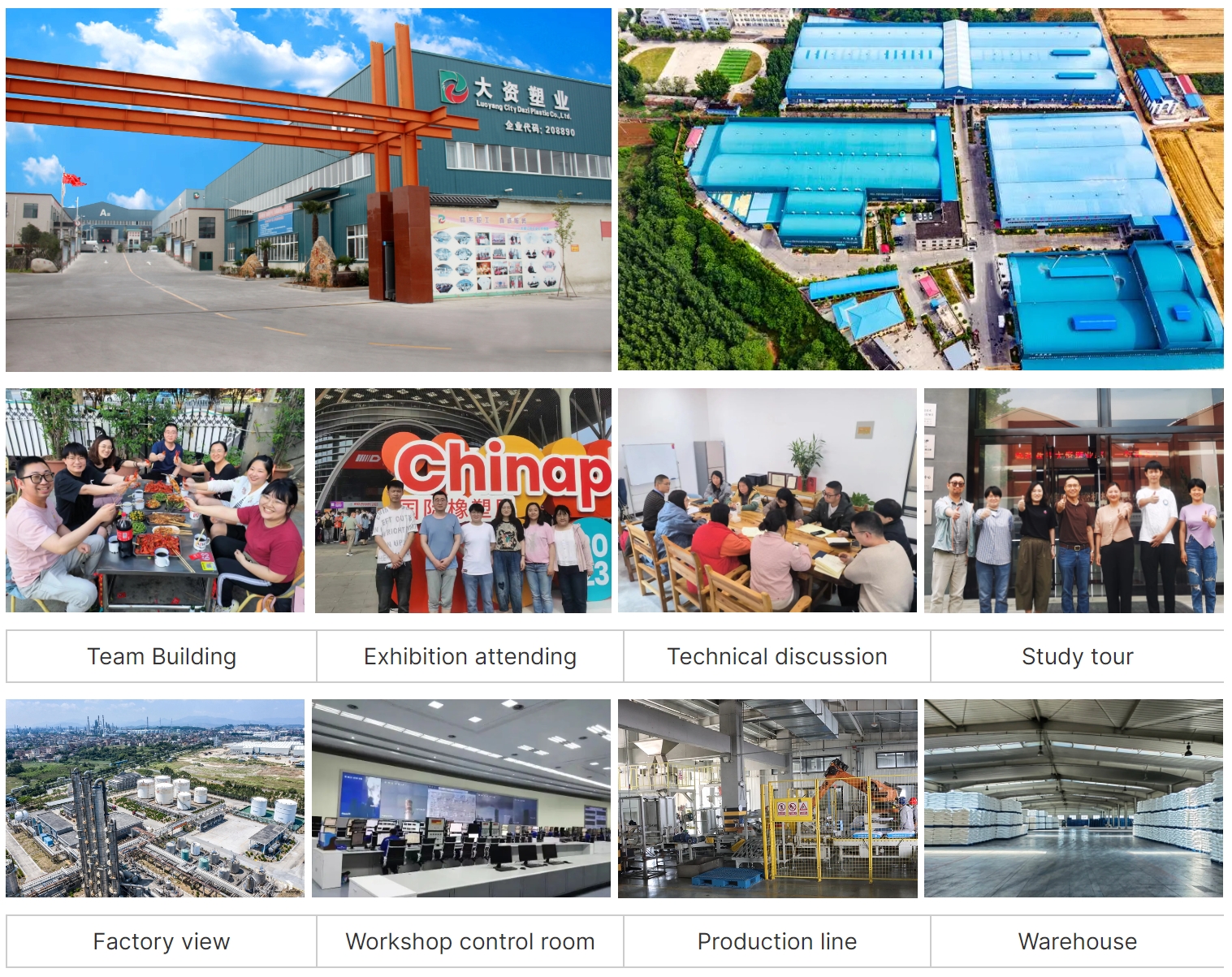
Our company has 12 certifications and 57+ patents.
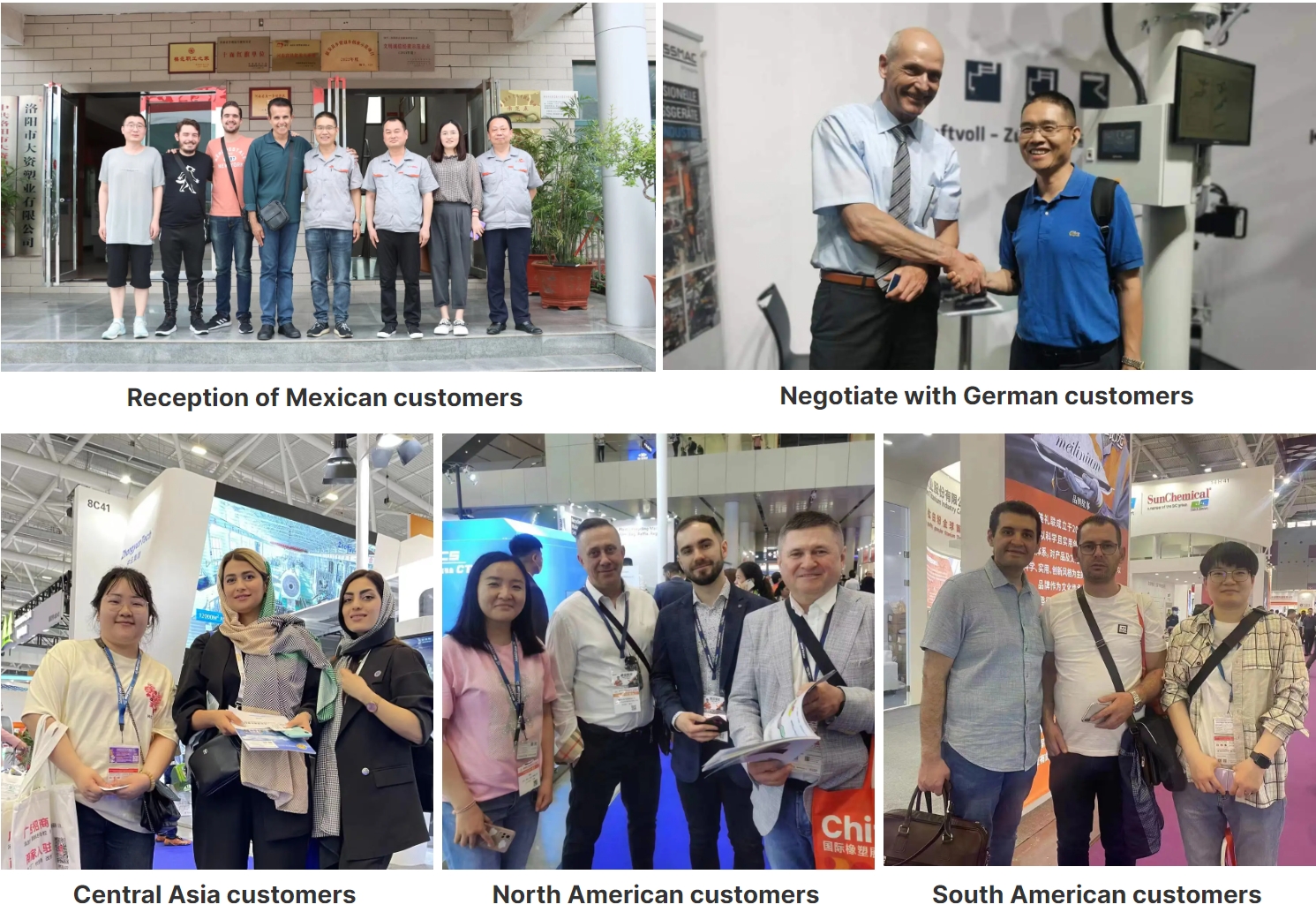
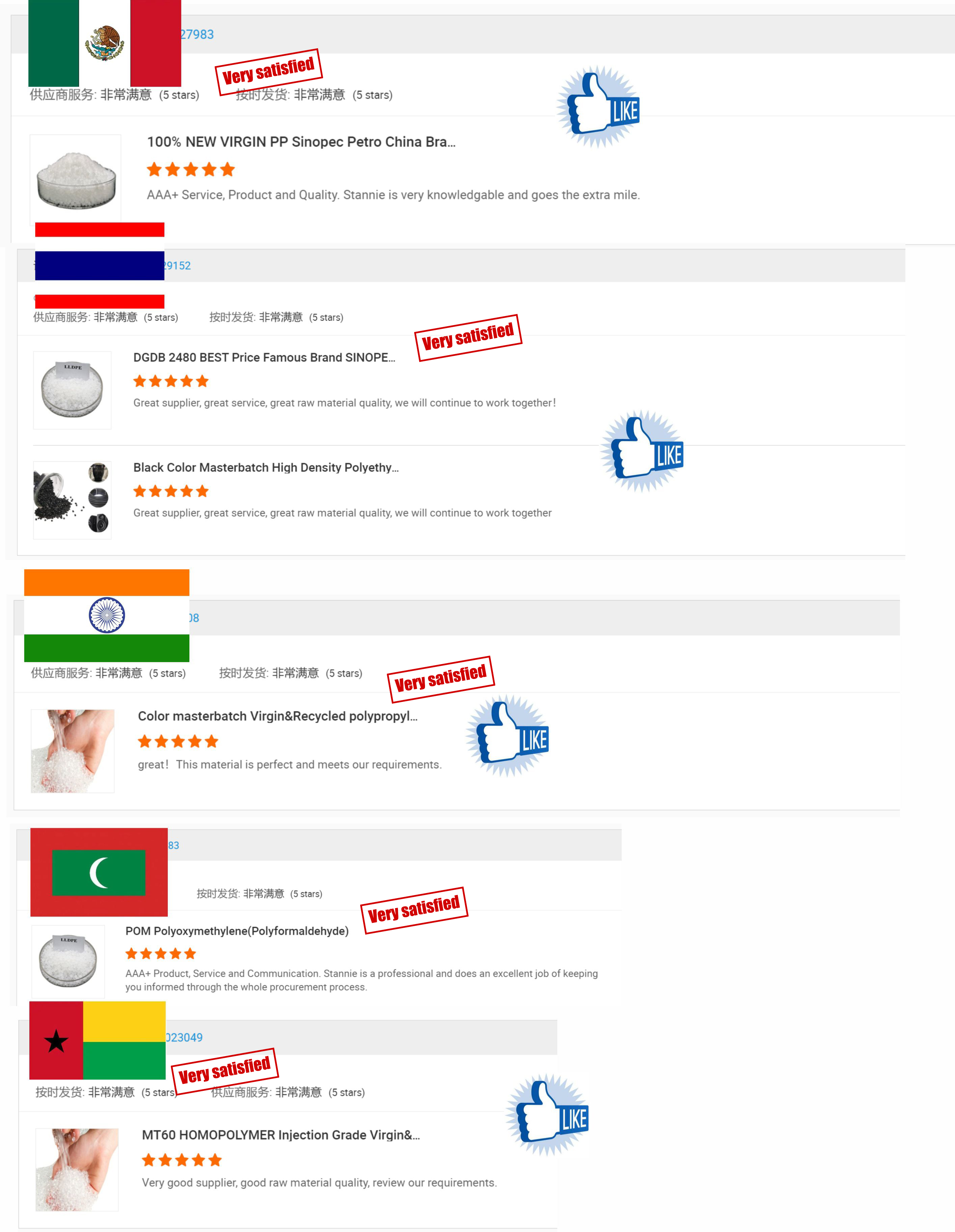

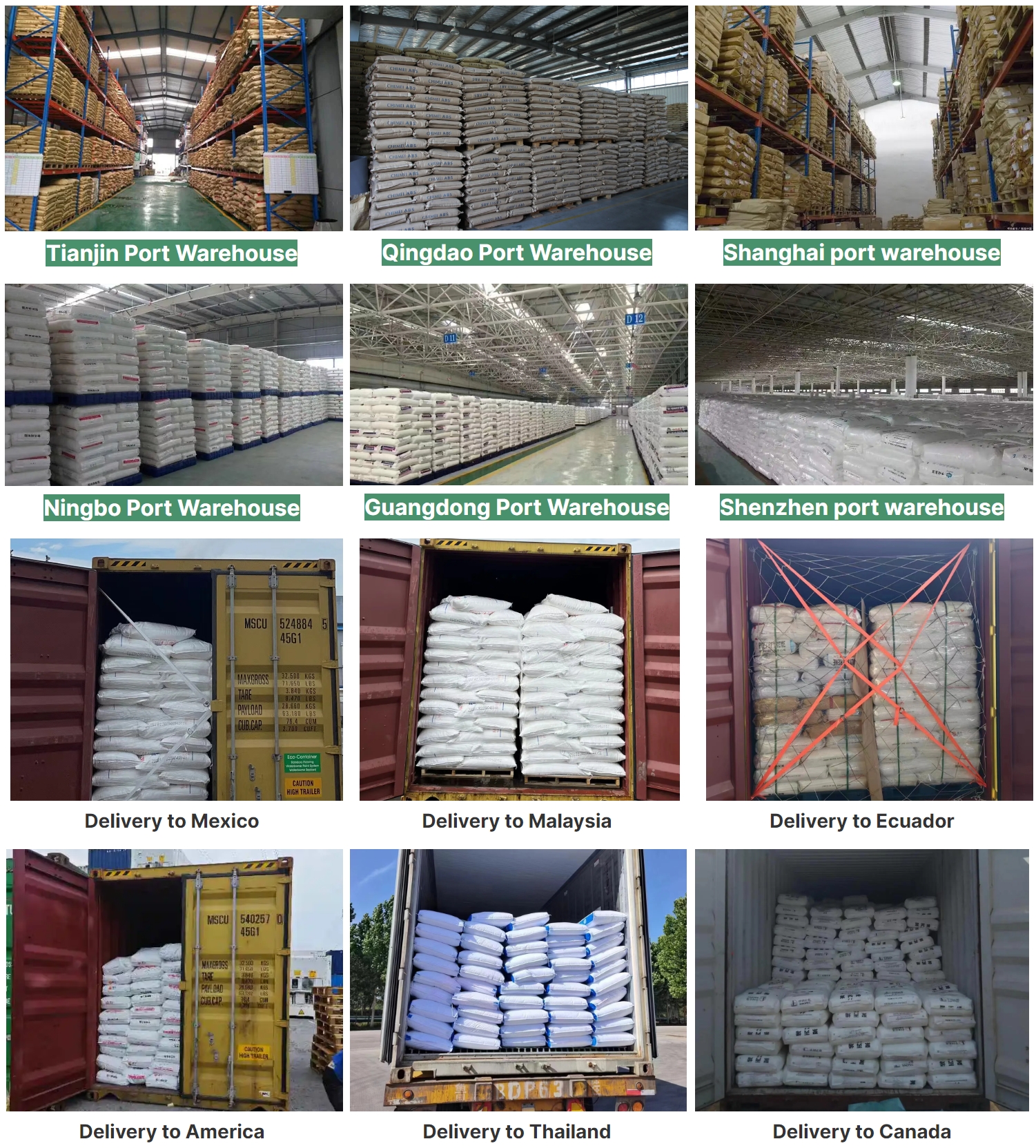
23 years' experience Professional purchasing consultant with a supply chain of 1200+ plastic raw materials in China.