POM polioximetileno: plástico de engenharia de alta resistência para fabricação de componentes mecânicos de precisão
2026-08-28 09:07:55
As a well‑known crystalline engineering thermoplastic, POM Polyoxymethylene occupies an irreplaceable position in modern precision machinery manufacturing. Often called super steel or acetal resin, POM delivers metal‑like mechanical properties while retaining the processing flexibility of plastics. Many precision assemblies require tight dimensional tolerance, continuous friction resistance and long‑term cyclic load stability, where ordinary general‑purpose plastics cannot meet service requirements. POM material solves these pain points, widely adopted for small‑size mechanical parts across automotive, household appliances, office equipment and industrial automation fields.
Core Material Properties of POM Polyoxymethylene
The outstanding performance of POM originates from its highly ordered crystalline molecular structure. It maintains stable mechanical strength under repeated stress, making it ideal for precision moving parts.
High mechanical strength and creep resistance. POM features high tensile strength, surface hardness and excellent anti‑creep performance. Under long‑term static pressure, components will not produce obvious deformation, which is critical to guarantee assembly accuracy for precision structures. Even under continuous load, part dimensions stay consistent without loosening or position offset.
Low friction coefficient and outstanding wear resistance. Self‑lubricating property is one of POM’s most valuable advantages. It works well in dry‑friction conditions without additional oil lubrication. This characteristic reduces part wear and noise for gears, sliding blocks and bearing sleeves running at medium‑low speed.
Good dimensional stability. Compared with amorphous engineering plastics, POM shows low water absorption. Work‑pieces barely swell or shrink when exposed to humid environment, ensuring strict tolerance requirements for high‑precision mechanical components. Manufacturers can obtain stable finished‑part sizes after injection molding.
Limitations to notice. POM has poor UV resistance without modification, so outdoor long‑term exposed parts need UV‑stabilized grades. Besides, it is not suitable for strong acid environment, and its heat resistance is moderate, requiring working temperature control for high‑temperature continuous‑use components.
Homopolymer POM vs Copolymer POM for Precision Parts
Two major commercial grades exist: homopolymer POM and copolymer POM, and choosing the right grade directly influences finished‑product performance.
Homopolymer POM owns higher rigidity, tensile strength and hardness. It fits scenarios demanding maximum mechanical performance and precise dimensional control, such as tiny gear sets and high‑precision fasteners. Its weakness lies in slightly inferior thermal‑oxidative stability during processing.
Copolymer POM provides better thermal stability, chemical resistance and hydrolysis resistance. It is more tolerant to processing temperature fluctuation and suits parts working in humid or weakly corrosive surroundings. Although its rigidity is slightly lower than homopolymer type, it still satisfies most precision mechanical component requirements.
Typical Applications in Precision Mechanical Component Manufacturing
Thanks to combined advantages of strength, self‑lubrication and dimensional accuracy, POM covers a wide range of small moving mechanical parts.
Gears, worm wheels and transmission assemblies. Small‑modulus gears used in printers, smart home devices and automotive interior mechanisms are typical POM applications. Low friction reduces transmission noise, and high fatigue strength resists frequent start‑stop cyclic impact.
Sliding parts, bearing sleeves and guide blocks. These components slide against mating parts repeatedly. POM’s self‑lubricating property avoids seizure and abrasion, extending component service life without regular maintenance.
Precision plastic fasteners: nuts, bolts and snap‑fit connectors. POM fasteners keep clamping force steadily under long‑term stress, resisting creep loosening. They are widely used inside electronic equipment and household appliances to replace small metal fasteners for weight reduction.
Valve bodies, flow control spools and pump components. In fluid control systems, POM‑made precision parts maintain stable size in contact with water and neutral media, applied for water treatment equipment and small fluid‑control devices.
Key Injection‑Molding Notes for POM Precision Components
Even premium‑grade POM raw material may produce defective parts if molding parameters are improperly set. For precision mechanical components, several points deserve attention.
Sufficient drying is required before processing to avoid surface silver streaks and bubble defects. Control injection speed and holding pressure carefully to guarantee consistent part dimensions. Excessive injection pressure may cause internal residual stress, resulting in later dimensional drift. Reasonable mold temperature control helps optimize crystallization degree, improving hardness and wear performance of final components.
Vent design cannot be ignored. POM decomposition will generate formaldehyde gas under over‑heating; well‑arranged mold vents prevent gas burns and surface defects on tiny precision structures.
How to Select Suitable POM Grade for Your Project
When sourcing POM for precision mechanical component manufacturing, match grades according to actual working conditions. Prioritize homopolymer POM for maximum rigidity and high‑precision transmission parts. Pick copolymer POM if parts face humidity exposure or need better processing stability. For enhanced wear‑resistance requirement, choose modified POM grades filled with PTFE or silicone. When impact load is heavy, impact‑modified toughened POM should be considered.
Conclusion
POM Polyoxymethylene remains one of the most cost‑effective high‑strength engineering plastics for precision mechanical component manufacturing. Its metal‑comparable rigidity, inherent self‑lubricating performance, low creep and good dimensional stability make it irreplaceable for gears, sliding blocks, fasteners and transmission mechanisms. Distinguishing homopolymer and copolymer grades, mastering molding specifications and matching modified variants with working conditions will help manufacturers maximize POM material value and produce stable, long‑life precision mechanical parts.





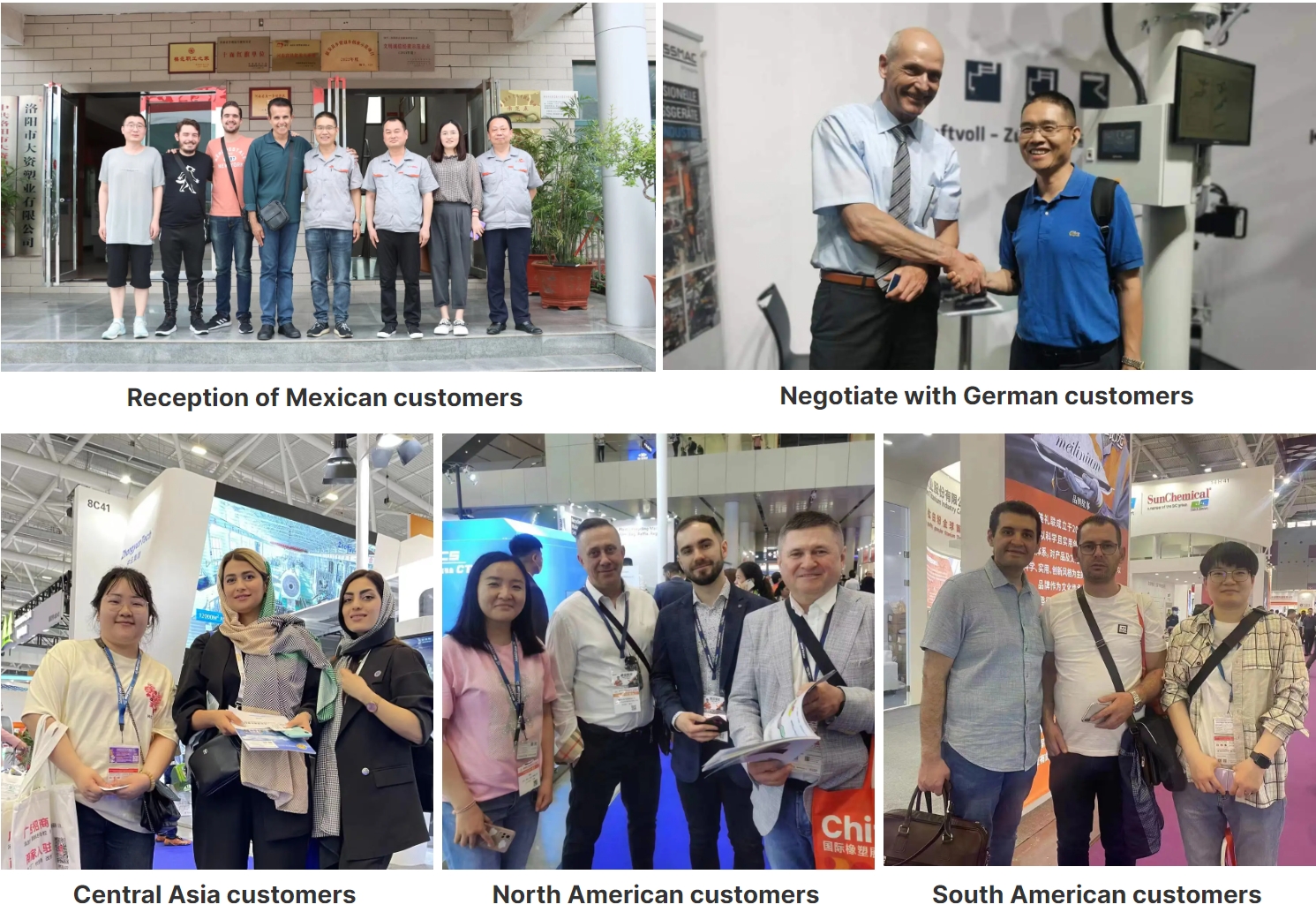
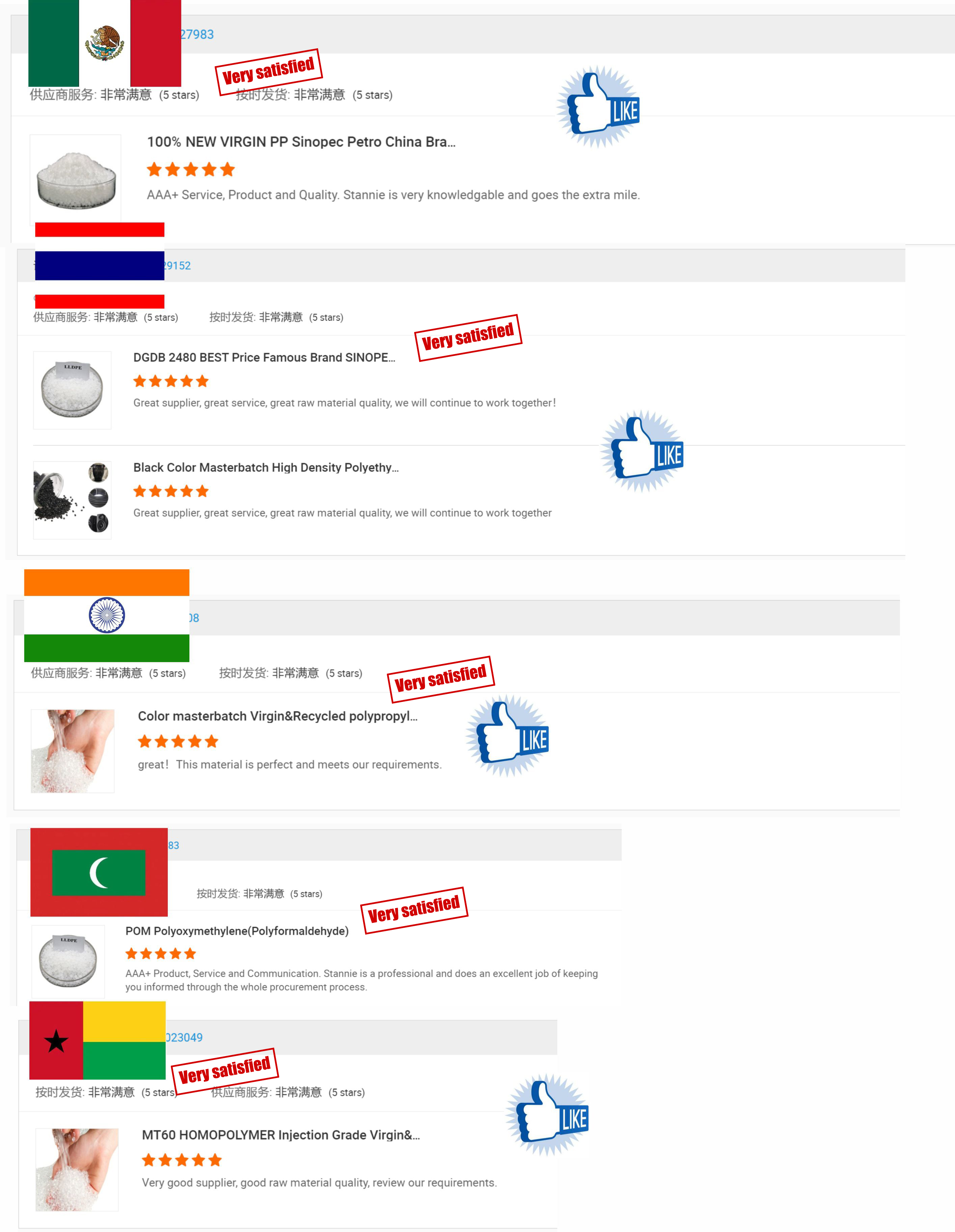
We have established long-term cooperative relations with more than 60+ well-known enterprises all over the world

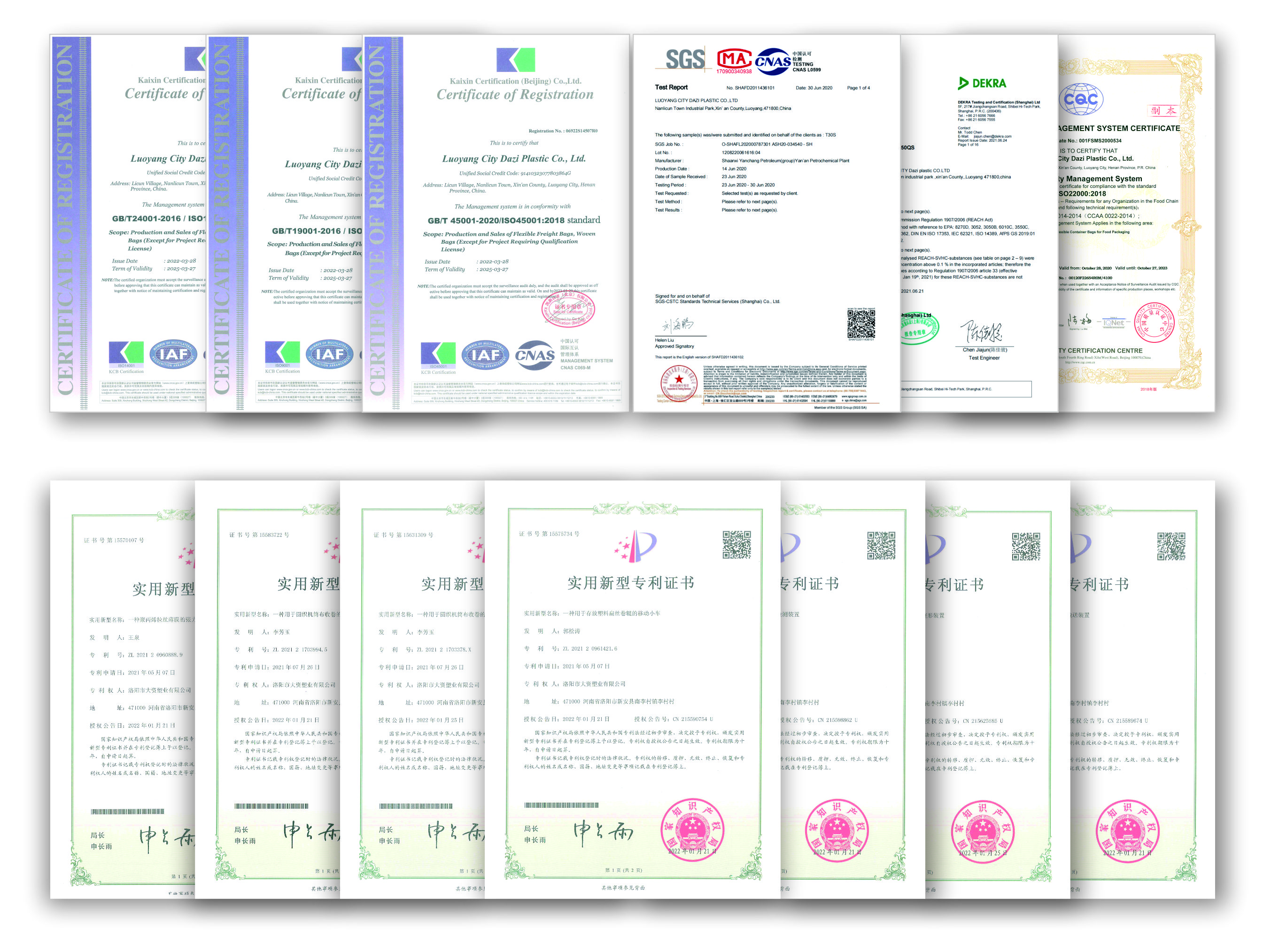
Our company has 12 certifications and 57+ patents.

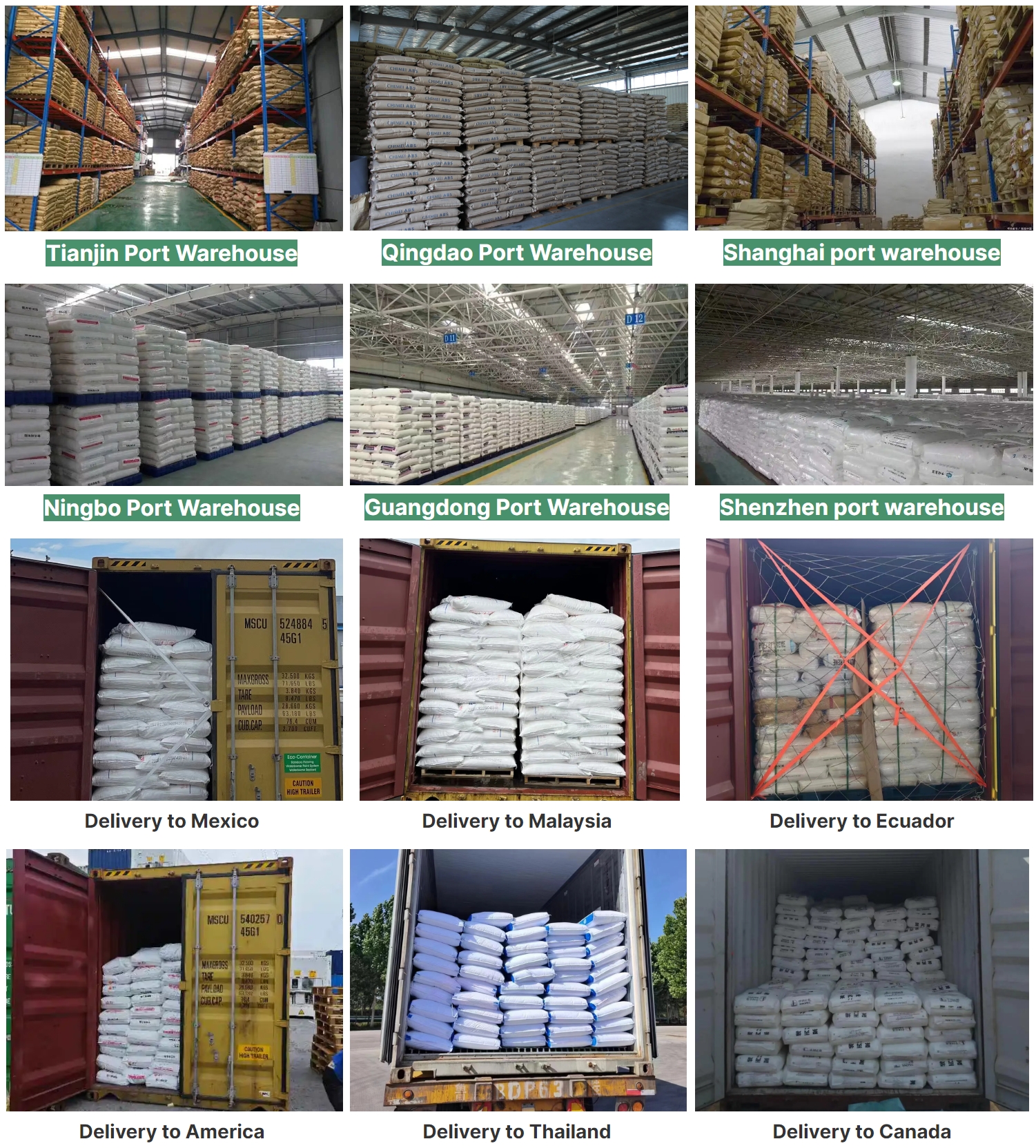
23 years' experience Professional purchasing consultant with a supply chain of 1200+ plastic raw materials in China.