Pelotas de GPPS virgem: matéria-prima de alta transparência para produtos plásticos transparentes descartáveis
2026-10-13 09:23:28
Transparency Sells Disposable Products Before Anything Else
For disposable clear plastic products, the customer's first judgment is visual. A drinking cup, food container, cutlery tray or blister pack is inspected for clarity the instant it is held: cloudiness, haze, yellowing or surface flow lines instantly signal low quality, regardless of how the product performs mechanically. This is why raw material choice dominates the entire manufacturing conversation. Virgin GPPS pellets deliver the level of transparency that disposable products are judged by — water-clear optics, consistent from the first production batch to the last, with the rigidity and processability that high-speed molding lines depend on.
Why Virgin GPPS Pellets Are the Standard for Clear Disposables
General-purpose polystyrene has built its position in disposable packaging around a rare combination: glass-like clarity, low cost and easy flow. Among commodity transparent polymers, GPPS offers one of the highest light transmission levels and a high refractive index that gives finished products a bright, crystal-clear appearance — exactly what brands want for food and beverage presentation.
Virgin pellets take this further by guaranteeing what recycled material cannot. Because virgin GPPS is produced directly from fresh styrene monomer under controlled polymerization, every pellet carries the same molecular weight, the same melt flow and the same optical quality. Disposable products made from virgin GPPS stay colorless, odor-free and physically consistent, which matters enormously when a single run produces hundreds of thousands of identical clear cups or containers.
The Performance Profile of Virgin GPPS in Disposable Products
-
High light transmittance: clear, glass-like appearance with minimal haze, ideal for displaying food and beverage contents.
-
High rigidity: stiff walls hold shape through stacking, shipping and handling without deformation.
-
Dimensional stability: parts keep precise dimensions and low moisture absorption, avoiding warpage and size drift.
-
Excellent flow: thin-wall molds fill rapidly and completely, supporting high-cavity, high-speed production.
-
Neutral taste and odor: no off-flavor transfer into food, a requirement for direct-contact packaging.
-
Cost-efficient processing: low processing temperatures and fast cycle times keep unit cost competitive in disposable markets.
Key Applications of Virgin GPPS in Disposable Clear Products
Virgin GPPS pellets serve a wide band of single-use applications where transparency, stiffness and economy are required at the same time. Each application relies on the same optical quality but places different demands on processing and part design.
Drinking Cups and Beverage Containers
Clear cups for cold drinks, bubble tea, coffee display and dessert packaging are among the highest-volume GPPS applications. The material's clarity makes beverages look fresher, while its rigidity prevents cups from flexing or collapsing in the hand and in cup dispensers. Thin-wall injection molding fills efficiently, producing lightweight cups at cycle times that keep mass production economical.
Food Containers and Disposable Tableware
Takeaway containers, cutlery, trays and lids rely on GPPS for a stiff, clean, presentation-quality surface. The polymer's neutral odor and taste profile makes it suitable for direct food contact, and its smooth finish resists staining and is easy to keep visually clean. Rigid walls give stackable containers the strength to protect contents through delivery logistics.
Blister and Display Packaging
Blister packs, clamshells and clear display boxes present small consumer goods, stationery, toys and hardware in transparent enclosures. GPPS provides the optical clarity that showcases the product inside, combined with the stiffness that keeps the package rigid on retail shelves. Its low cost keeps packaging overhead minimal for high-volume consumer goods.
Processing Guidance for Consistent Clarity
GPPS is forgiving on the molding floor, but optical quality is only as good as the process around it. A few discipline points separate consistently clear parts from parts with haze, streaks or burning.
Drying and Melt Control
GPPS absorbs very little moisture, so aggressive drying is rarely necessary. The priority is melt temperature discipline: excessive barrel temperature causes degradation, yellowing and flow marks that ruin optical quality. Running at the recommended melt temperature range keeps the resin fluid enough for thin walls while preserving its natural clarity.
Mold Temperature and Surface Finish
Part transparency is strongly influenced by mold surface quality. Polished, high-gloss cavities transfer their finish to the part, producing the mirror-clear surface disposable products demand. Adequate mold temperature also lets the melt replicate the cavity surface faithfully and reduces visible weld lines and flow marks in thin-wall parts.
Flow Path and Gate Design
Rapid, balanced filling prevents hesitation marks that appear as cloudy bands on transparent parts. Designing gates and runners for uniform flow helps thin-wall cups and lids fill in one clean sweep, keeping wall surfaces optically uniform across the entire part.
Virgin vs. Recycled GPPS: What Buyers Must Compare
The gap between virgin and recycled GPPS is invisible in price but visible in every finished part. Recycled material carries unknown contamination, degraded polymer chains and inconsistent melt behavior, which surface as haze, yellowing, black specks and brittle failure — defects that disposables simply cannot tolerate.
-
Optical consistency: virgin pellets give uniform clarity and color across batches; recycled lots shift in shade and transparency.
-
Food safety: virgin resin supports FDA and EU food-contact compliance with documented resin traceability; recycled content carries contamination and compliance risk.
-
Mechanical reliability: virgin GPPS delivers stable rigidity and impact balance; degraded recycled chains cause cracking and premature failure.
-
Production stability: a single virgin grade flows the same way run after run, protecting cycle times and scrap rates; recycled feed forces constant process adjustment.
How to Evaluate a Virgin GPPS Supply Partner
Buyers should look past the price sheet and verify the factors that protect finished-product quality. Confirm the melt flow index matches the intended application — higher flow grades suit thin-wall injection, while thermoforming prefers grades with broader processing windows. Request lot-to-lot consistency data, clean packaging and resin traceability, and verify food-contact documentation for cups, containers and tableware. A supplier who controls monomer quality and keeps contamination out of the pellet stream is the one whose resin will hold optical quality across long production runs.
Conclusion
Virgin GPPS pellets remain the reference raw material for disposable clear plastic products because they combine water-clear transparency, stiffness, easy flow and food-safety credibility at a cost structure disposable markets demand. By choosing virgin resin, controlling the molding process around optical quality, and verifying supply-chain consistency, manufacturers produce clear cups, containers and packaging that pass the customer's first visual test — and keep passing it, batch after batch.




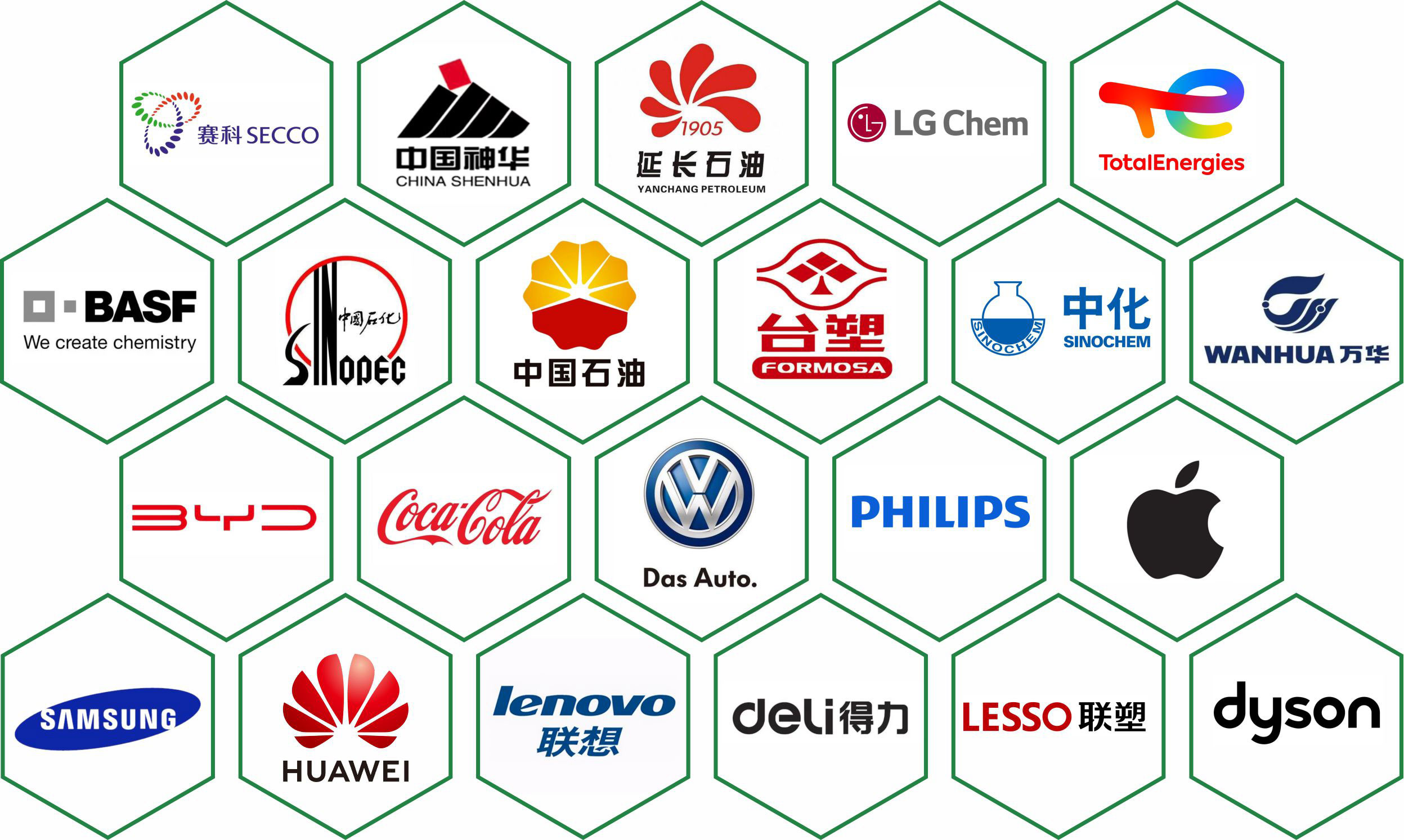
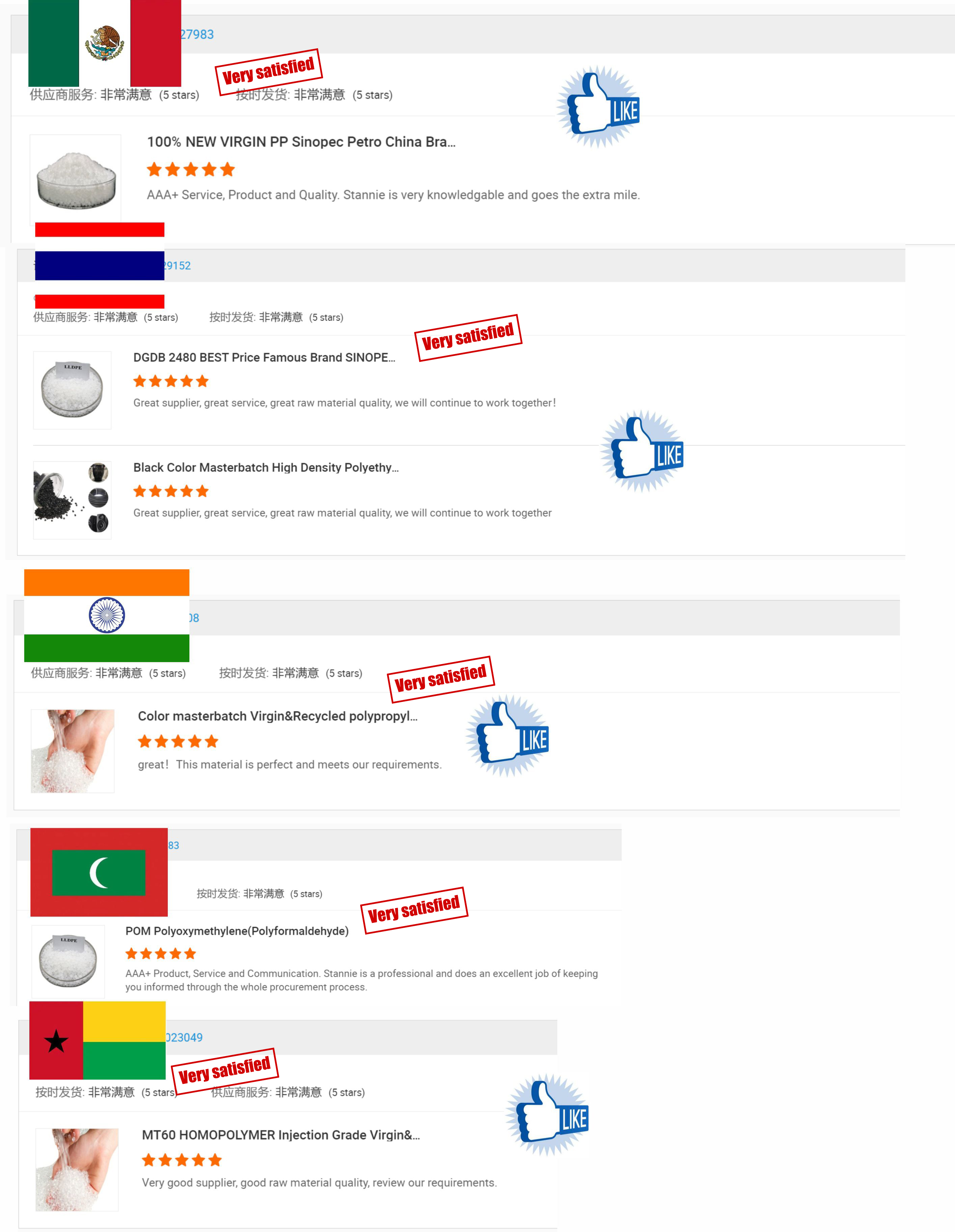
We have established long-term cooperative relations with more than 60+ well-known enterprises all over the world

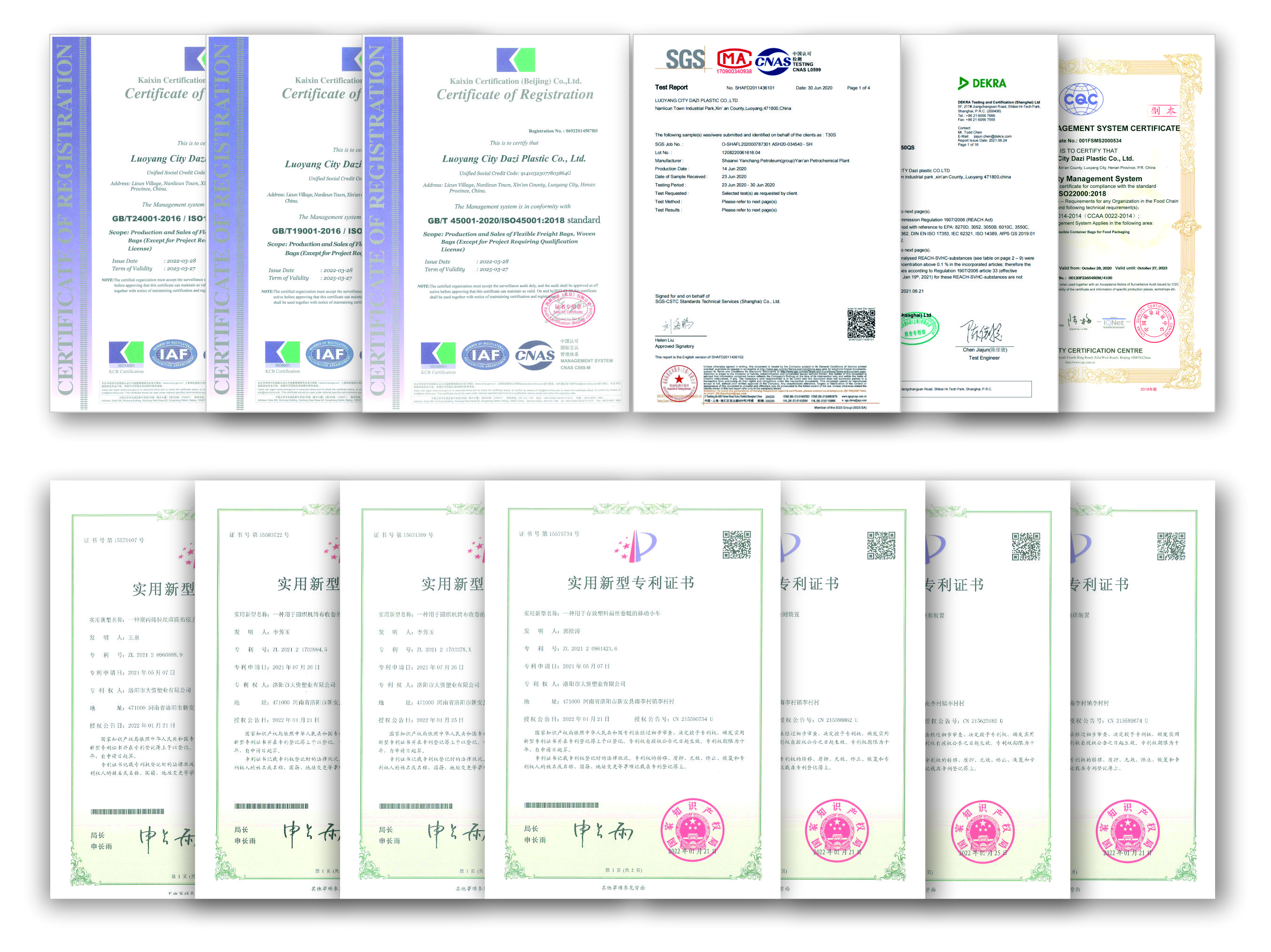
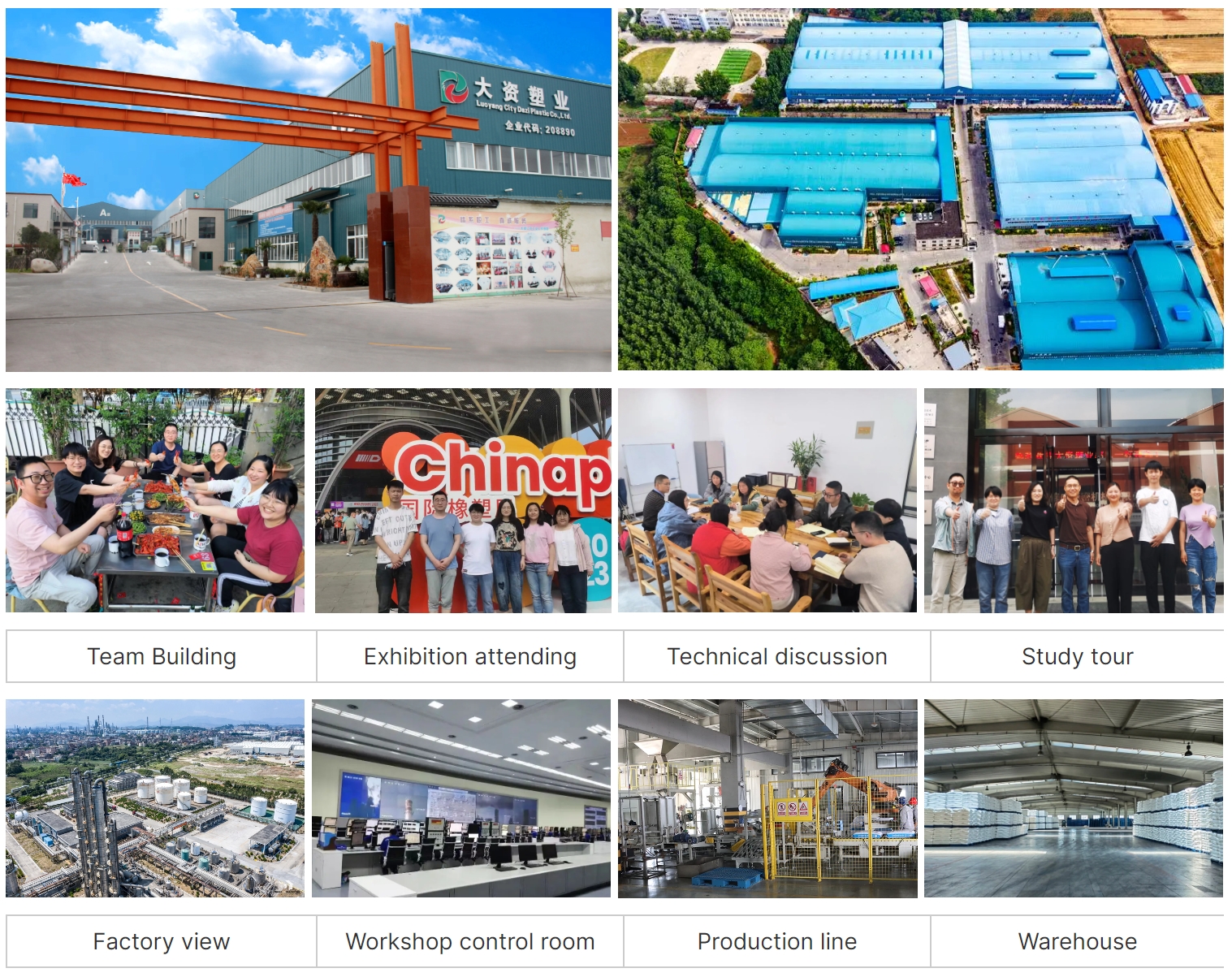
Our company has 12 certifications and 57+ patents.


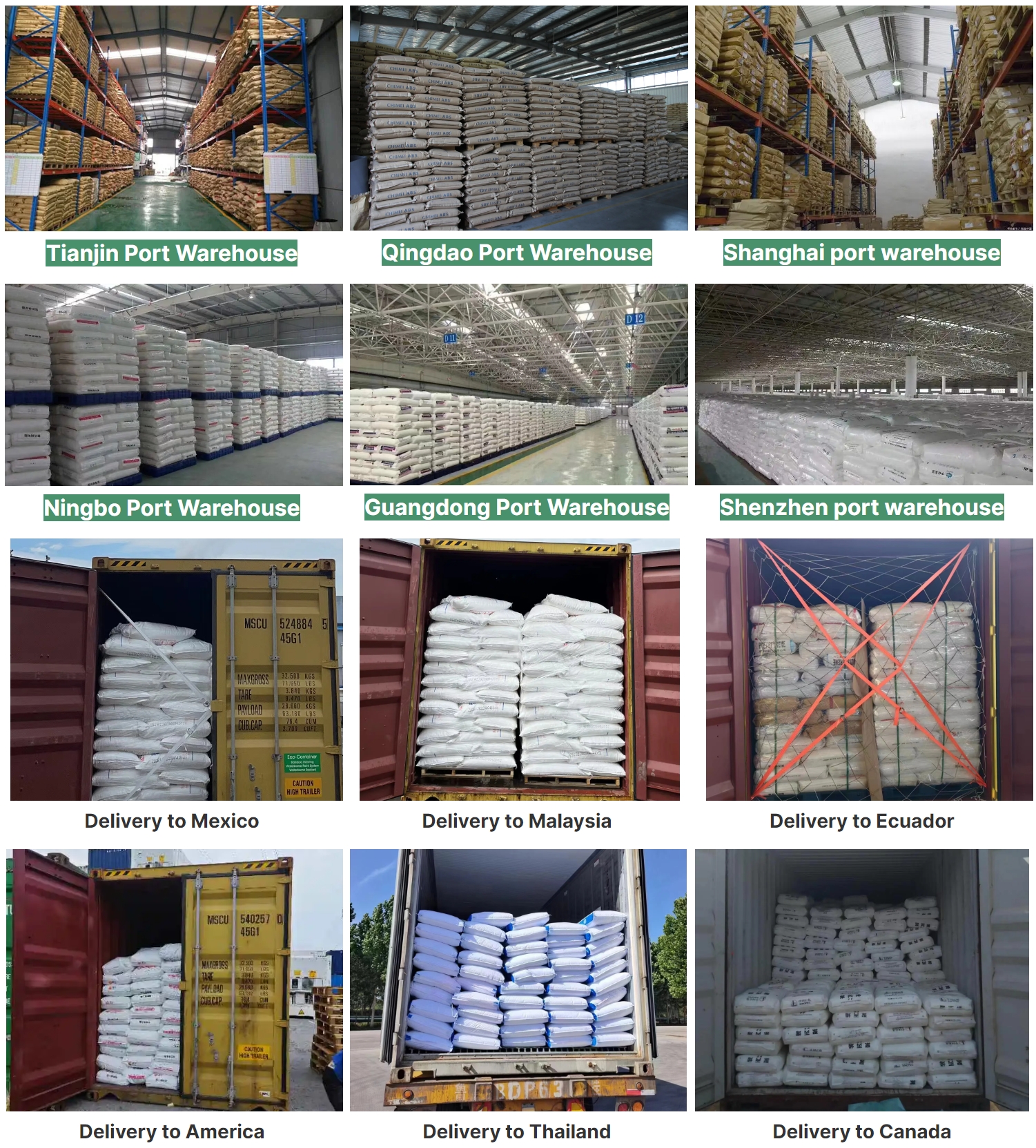
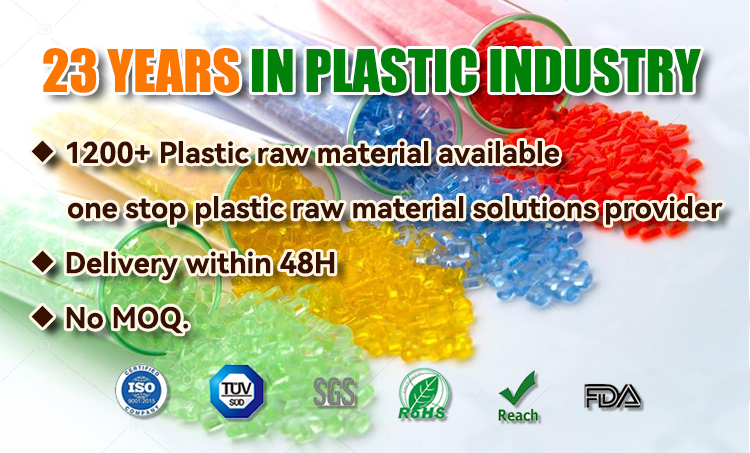
23 years' experience Professional purchasing consultant with a supply chain of 1200+ plastic raw materials in China.