Resina POM modificada de alta resistência ao desgaste e baixo ruído para peças de transmissão automotiva
2026-10-22 10:25:22
Transmission Parts Must Last Long and Stay Quiet
Automotive transmission components carry two expectations that are difficult to meet at the same time: they must survive millions of sliding and shifting cycles without measurable wear, and they must do it silently. In modern vehicle cabins, transmission noise travels directly into the passenger space, and any clicking, scraping or rattle from shift mechanisms becomes a quality complaint. Standard acetal (POM) resin delivers excellent mechanical strength but produces audible friction noise and wears faster under high-load sliding contact. High wear-resistant, low noise modified POM resin closes this gap, giving transmission designers a single material solution that extends component life and improves acoustic comfort at the same time.
Why Standard POM Falls Short in Transmission Duty
Unmodified POM is a strong, stiff, fatigue-resistant engineering polymer, which is why it entered automotive applications in the first place. Its weakness appears at the friction interface. When two POM parts slide against each other or against a metal counterface under load, the high coefficient of friction generates two problems: progressive surface wear that changes clearances over time, and stick-slip vibration that produces noise.
Stick-slip is especially damaging in shift and selection mechanisms. As one component slides over another, alternating static and kinetic friction makes the motion start and stop in micro-jumps. The result is a characteristic shudder or click that engineers call NVH — noise, vibration and harshness. In long-term service, the same friction also polishes away the polymer surface, loosening tolerances and eventually producing backlash, play or premature failure in shift forks, sleeves and sliding elements.
How Modification Achieves Low Friction and Low Noise
Modified POM grades address the friction problem at three levels: the polymer matrix, the additive package and the sliding interface itself.
Internal Lubrication Systems
Specially developed internal lubricants are dispersed uniformly through the POM matrix. During sliding contact, microscopic lubricant layers migrate to the surface and form a thin, continuous film between the moving parts. This film separates the contacting surfaces, sharply reducing the coefficient of friction and eliminating the stick-slip condition that causes noise. Because the lubricant is embedded in the resin, the effect renews itself as the surface wears — the low-friction layer is present for the entire service life, not just at the start.
Friction-Modifying Fillers and Fibers
For heavy-load applications, modified grades incorporate carefully selected fillers and fibers. PTFE-modified POM delivers extremely low friction coefficients, ideal for high-speed sliding bearings and bushings. Aramid or carbon fiber reinforced grades add load-bearing strength and dimensional stability while maintaining controlled friction, suitable for components under repeated shock and heavy pressure. Each additive system is balanced against potential abrasion of the counterface — a critical point in transmission design, where the polymer must wear slowly without damaging its metal partner.
Transfer Film Formation
Well-formulated modified POM builds a thin transfer film on the metal counterface during early operation. Once this film is established, subsequent sliding occurs between the polymer and its own transfer layer rather than against bare metal. This dramatically reduces wear rate and stabilizes friction over time, which is why properly formulated grades actually get quieter and more stable as they run in.
Properties That Matter in Transmission Service
-
Low and stable coefficient of friction: smooth sliding, reduced drive torque loss, no stick-slip noise.
-
High wear resistance: low wear rate per cycle extends service life in high-frequency shifting parts.
-
Dimensional stability: tight tolerances in guides and slots are maintained across temperature and humidity changes.
-
Fatigue resistance: repeated load cycles from shift springs and detents do not initiate cracks.
-
Temperature capability: stable performance across the under-hood and gearbox temperature range.
-
Low moisture absorption: consistent dimensions and friction behavior regardless of ambient humidity.
-
Counterface friendliness: the polymer wears, the steel or aluminum partner stays protected.
Typical Transmission Applications
|
Component
|
Key Demand
|
Preferred Modification
|
|---|---|---|
|
Shift lever & gear selector housings
|
Smooth feel, silent operation
|
Internally lubricated low-friction grade
|
|
Shift forks & selector sleeves
|
High wear resistance, dimensional stability
|
Fiber-reinforced low-wear grade
|
|
Sliding bushings & bearings
|
Low friction, long life under load
|
PTFE-lubricated grade
|
|
Detent springs, guides & slides
|
Fatigue resistance, noise reduction
|
Balanced lubricated grade
|
|
Shift cable end fittings
|
Wear resistance, tight tolerance
|
Low-wear reinforced grade
|
Why These Components Favor Modified POM
Transmission parts must hold clearances within hundredths of a millimeter while being repeatedly loaded, slid and released. Modified POM combines the rigidity of an engineering plastic with self-lubricating behavior, replacing heavier metal and brass components with parts that weigh less, need no external lubrication and run quietly. For shift feel — a factor that customers perceive directly every time they drive — the low and stable friction of modified POM creates the consistent, precise, damped engagement that designers target.
Molding and Quality Considerations
Modified POM grades demand the same processing discipline as standard acetal. The resin must be dried appropriately, and melt temperature kept within the recommended window to preserve the molecular structure that underpins wear performance. Gate and runner design should avoid creating high-stress weld lines in load-bearing areas, since weld lines concentrate stress and can shorten fatigue life. Because friction and wear are functional properties, incoming material verification should include not only melt flow and strength data, but also friction and wear test reports from the resin supplier, so batch quality is confirmed before parts enter production.
Selection Checklist for Transmission Part Applications
-
Define the contact pair: polymer-to-polymer or polymer-to-metal, and the counterface material.
-
Determine load, sliding speed and duty cycle to select between lubricated and fiber-reinforced grades.
-
Request coefficient of friction and wear rate test data under application-like conditions.
-
Confirm temperature and humidity range requirements for the operating environment.
-
Verify dimensional stability and fatigue data for clearance-critical components.
-
Run prototype NVH testing on the molded part, since acoustic behavior depends on geometry as well as material.
Conclusion
High wear-resistant, low noise modified POM resin answers a challenge that standard acetal cannot: delivering long sliding life and quiet operation in the same automotive transmission component. Through internal lubrication, friction-modifying fillers and stable transfer film behavior, it lowers friction, eliminates stick-slip noise and protects mating metal parts from wear. For shift mechanisms, selectors, bushings and guides, properly selected modified POM improves shift feel, extends component life and simplifies the supply chain by replacing multi-part metal assemblies with a single injection-molded polymer part — a combination that vehicle manufacturers value more with every quiet, precise gear change.





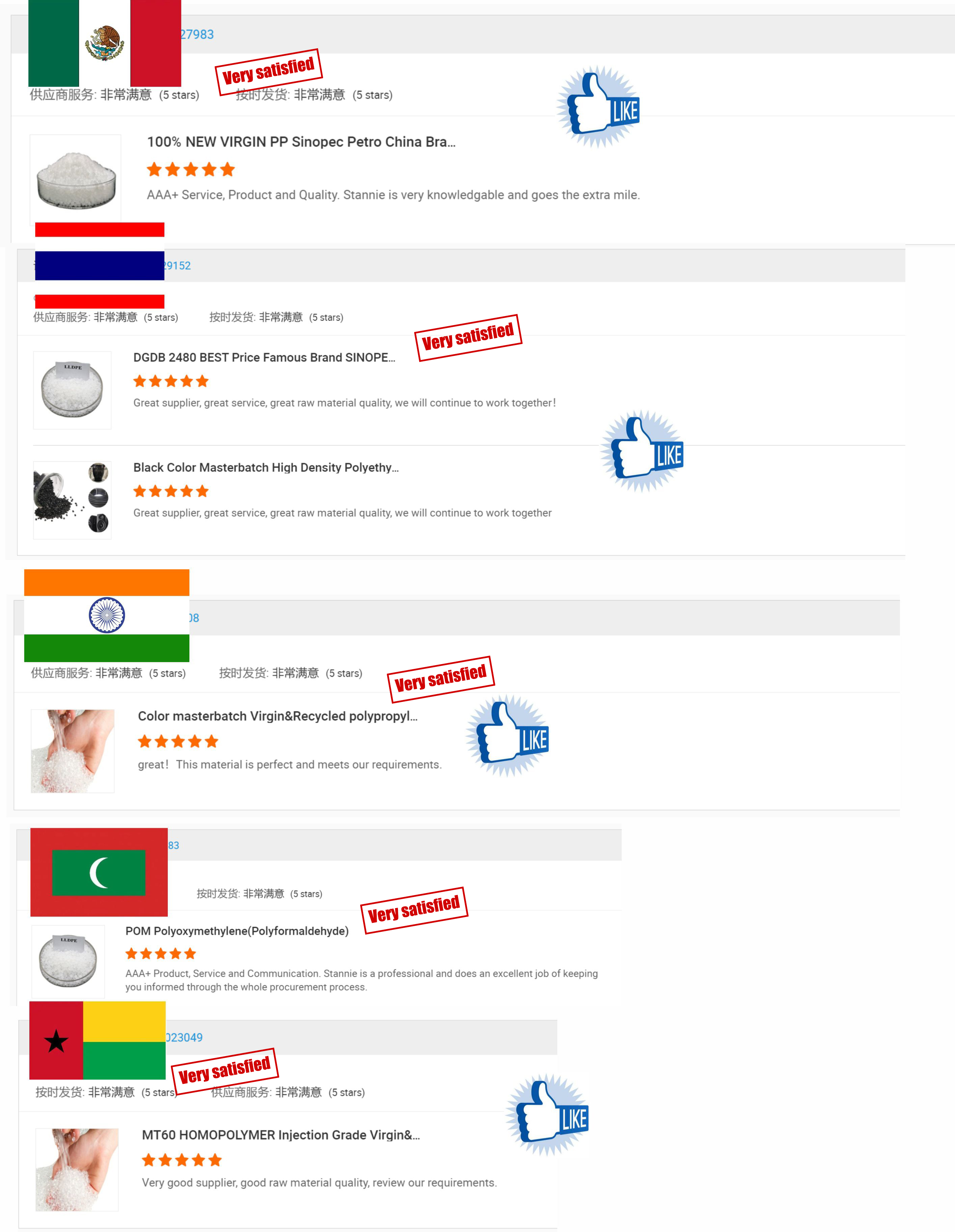
We have established long-term cooperative relations with more than 60+ well-known enterprises all over the world

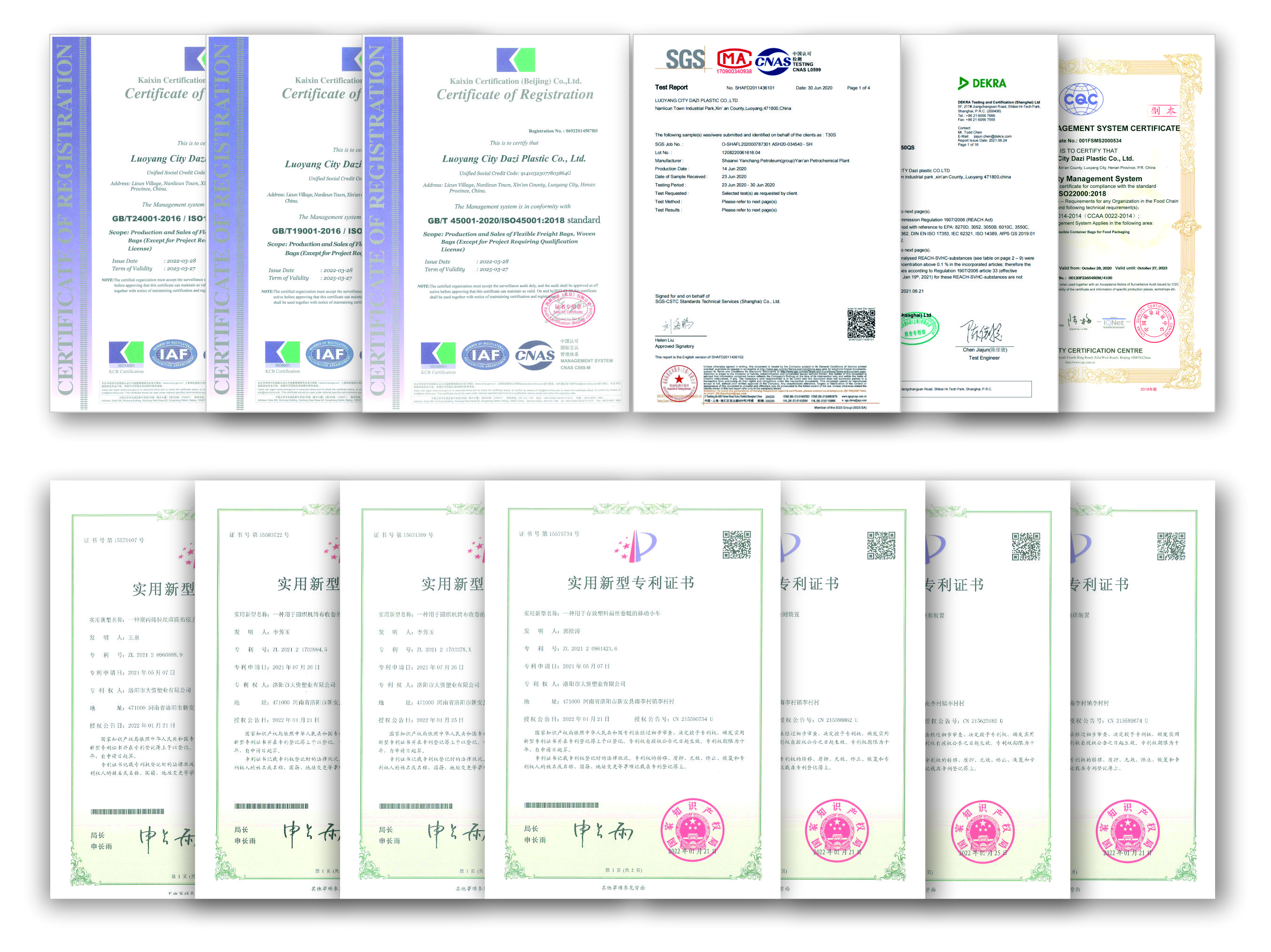
Our company has 12 certifications and 57+ patents.


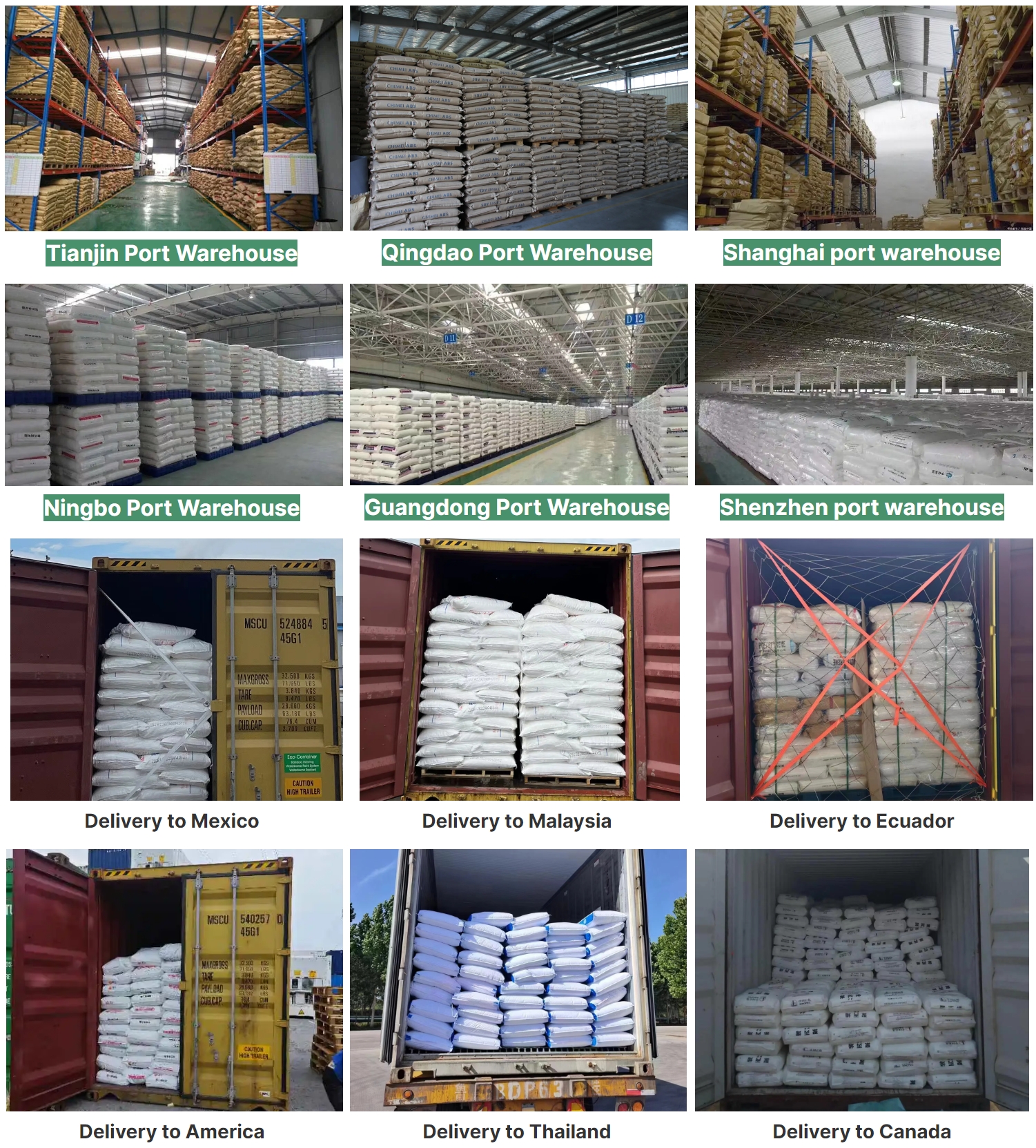
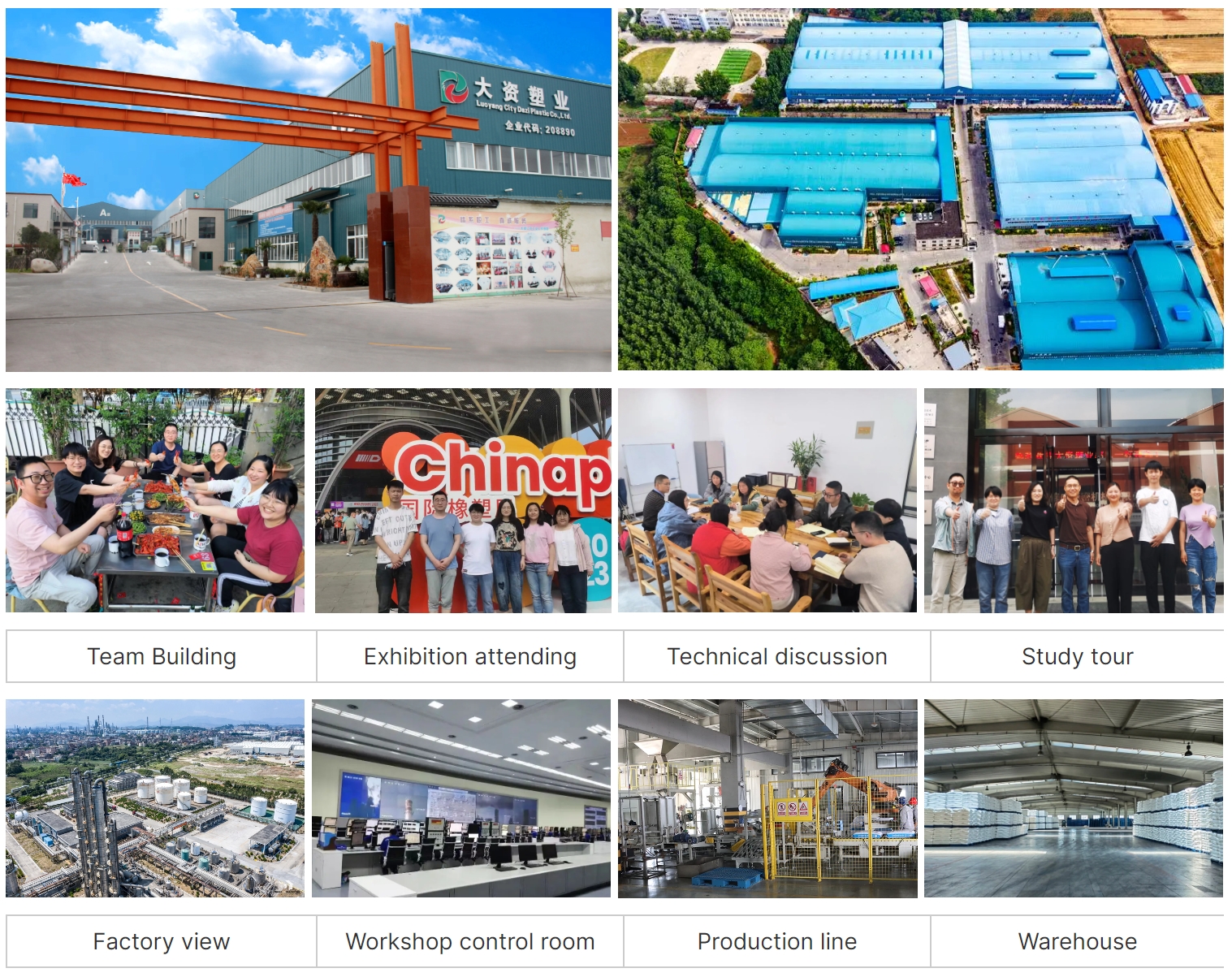
23 years' experience Professional purchasing consultant with a supply chain of 1200+ plastic raw materials in China.