Grânulos de PP de grau alimentício de alto fluxo, baixo odor e baixa precipitação para recipientes e embalagens alimentares
2026-11-02 10:21:50
Food Packaging Must Pass Three Silent Tests
Food containers and packaging are not judged only by how they look. Before any consumer reads the label, three silent tests have already happened: the container was molded at speed and cost efficiency, the food inside was tasted against the package's odor, and the package was checked against migration limits that regulators enforce. High flow food grade PP pellets are engineered to pass all three. Their high melt flow makes thin-wall containers economical to produce; their low odor keeps food tasting exactly as formulated; and their low precipitation keeps additives and oligomers where they belong — inside the plastic, not in the food.
High Flow: The Economics of Thin-Wall Molding
Modern food containers are designed thin to save material, cut weight and reduce cost. Thin walls demand a resin that fills long, narrow flow paths quickly and completely. High flow PP grades — with melt flow rates in the higher range of the PP spectrum — deliver exactly that: the melt races through complex cavity layouts, fills delicate ribs and stacking rings, and cools fast enough to support short cycle times on high-cavity molds.
For molders, high flow translates directly into productivity: more cavities per mold, faster fill, shorter cycles and less warpage in thin sections. The same flowability reduces the injection pressure needed to fill the part, lowering clamp force requirements and energy consumption per part. In the competitive food packaging market, where margin is measured per thousand parts, this processing efficiency is as valuable as the resin price itself.
Low Odor: Protecting What Consumers Taste
Polypropylene in contact with food must be sensorially neutral. Odor can enter the package from several directions: residual volatiles in the polymer, degradation by-products created during molding, and volatile additives in the formulation. Even faint aromas transfer to sensitive foods — especially water-based and mild-flavored products — and consumers notice them immediately as an off-taste.
Low odor food grade PP is produced with controlled polymerization and carefully selected additive systems that minimize volatile residues in the pellet. The grade is validated by sensory testing, in which food-contact articles are exposed to standard test media and checked for odor and taste transfer. Combined with disciplined processing — avoiding melt temperatures high enough to create degradation odor — low odor PP keeps the container itself invisible to the palate.
Low Precipitation: Keeping Substances Inside the Plastic
Precipitation — the migration of oligomers, additives and low-molecular-weight fractions from the polymer into food — is the property that regulators measure and consumers never see. Under food-contact regulations, migration must stay below established global and specific limits: total substances that can transfer into food, and individual substances that have dedicated safety thresholds.
High-quality food grade PP keeps precipitation low through molecular design. A tightly controlled polymer with low oligomer content and a clean, minimal additive package has less to migrate in the first place. This delivers two benefits: compliance with FDA 21 CFR and EU Regulation 10/2011 food-contact requirements becomes demonstrable through migration testing, and the taste of the packaged food stays untouched. For converters, low precipitation also means fewer cloudy films, less bloom on surfaces and more consistent performance across long production runs.
Food Grade Compliance as a Built-in Requirement
A food grade designation is only meaningful with documentation. Buyers should expect pellets supplied with food-contact compliance declarations, migration test data covering overall and specific migration, and sensory (odor and taste) test results. For export markets, REACH and destination-country requirements add further checks. Selecting a resin that comes with this documentation removes the testing burden from the converter and provides the traceability that food brands and regulators expect.
Applications in Food Containers and Packaging
|
Application
|
Key Requirement
|
Why High Flow Food Grade PP
|
|---|---|---|
|
Thin-wall food containers
|
Fast fill, short cycles, rigidity
|
High flow fills thin sections
|
|
Lids and closures
|
Precise sealing, low warpage
|
Consistent fill, dimension control
|
|
Cups and tubs
|
Stacking strength, taste neutrality
|
Low odor, low migration
|
|
Deli and takeaway trays
|
Food contact safety, cost efficiency
|
Food grade compliance, cycle speed
|
|
Food packaging films
|
Clarity, low bloom, low extractables
|
Low precipitation, clean surface
|
Processing Guidance for Consistent Food Grade Performance
High flow grades run efficiently, but food grade performance still depends on process discipline. Melt temperature should stay within the recommended window: excessive heat degrades the polymer and creates the very odor and migration problems the resin was designed to avoid. Residence time in the barrel should be minimized, and purge compounds and colorants must be food-contact-approved where the part touches food. Clean handling of pellets — sealed storage, dry conveying and separation from technical grades — protects the low odor and purity characteristics from the warehouse to the mold.
Selection Checklist for Food Grade PP Buyers
-
Confirm the melt flow rate matches your part geometry, wall thickness and mold design.
-
Request food-contact compliance documentation: FDA 21 CFR and EU 10/2011 statements.
-
Review migration test data — overall and specific migration — for your intended food types.
-
Ask for sensory test results confirming low odor and taste neutrality.
-
Verify additive system purity, including the absence of non-compliant processing aids.
-
Confirm batch-to-batch consistency of MFR, odor and color for stable production.
Conclusion
High flow food grade PP pellets answer the three demands that define food container production: economical thin-wall molding, taste-neutral contact and verified migration compliance. High flow speeds filling and shortens cycles; low odor protects the sensory experience of the food; low precipitation keeps the polymer chemistry inside the package where it belongs. For converters and brand owners, choosing a documented food grade PP — and processing it with discipline — turns packaging into a quiet partner: efficient to make, invisible to the palate and fully compliant from the first batch to the last.


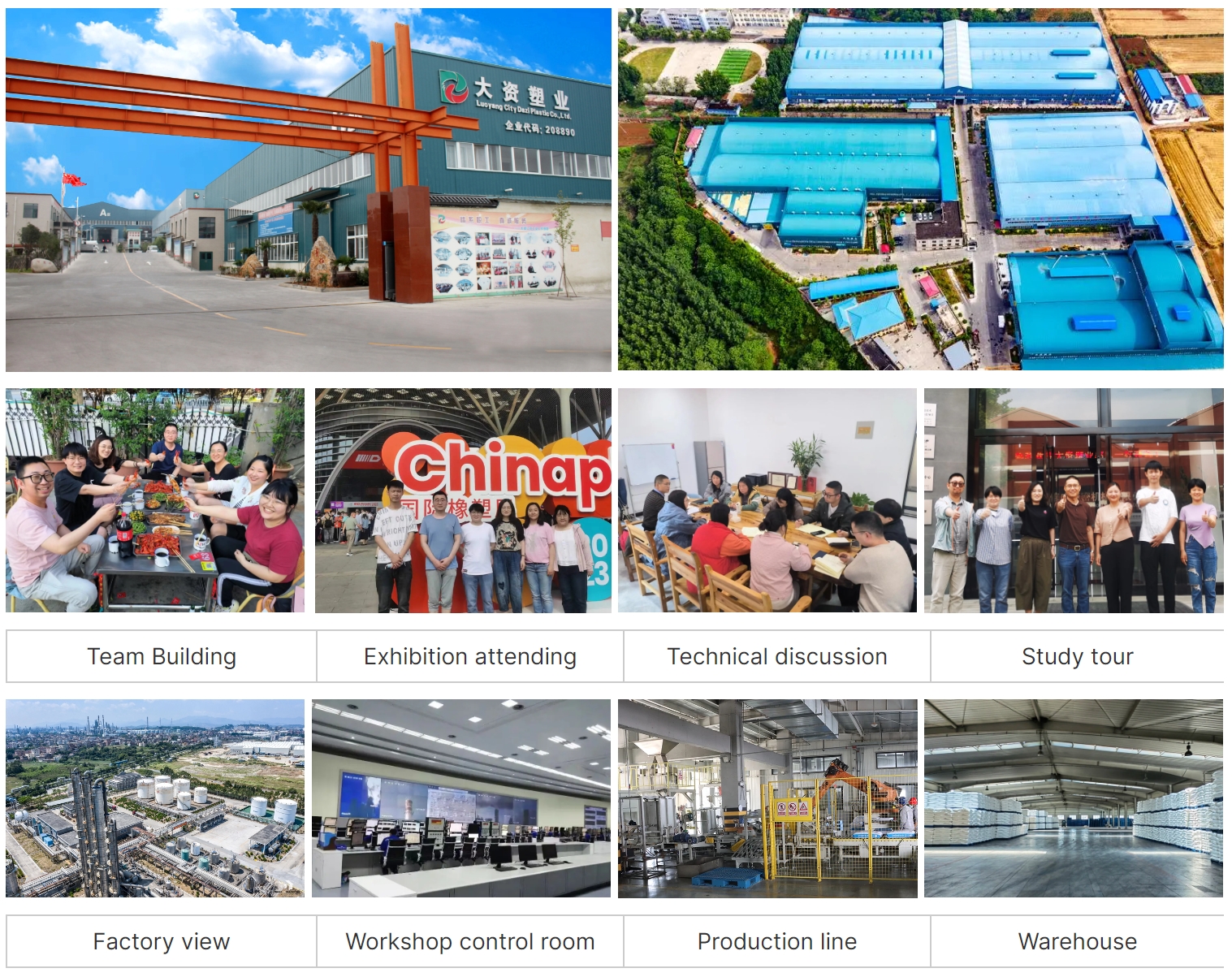


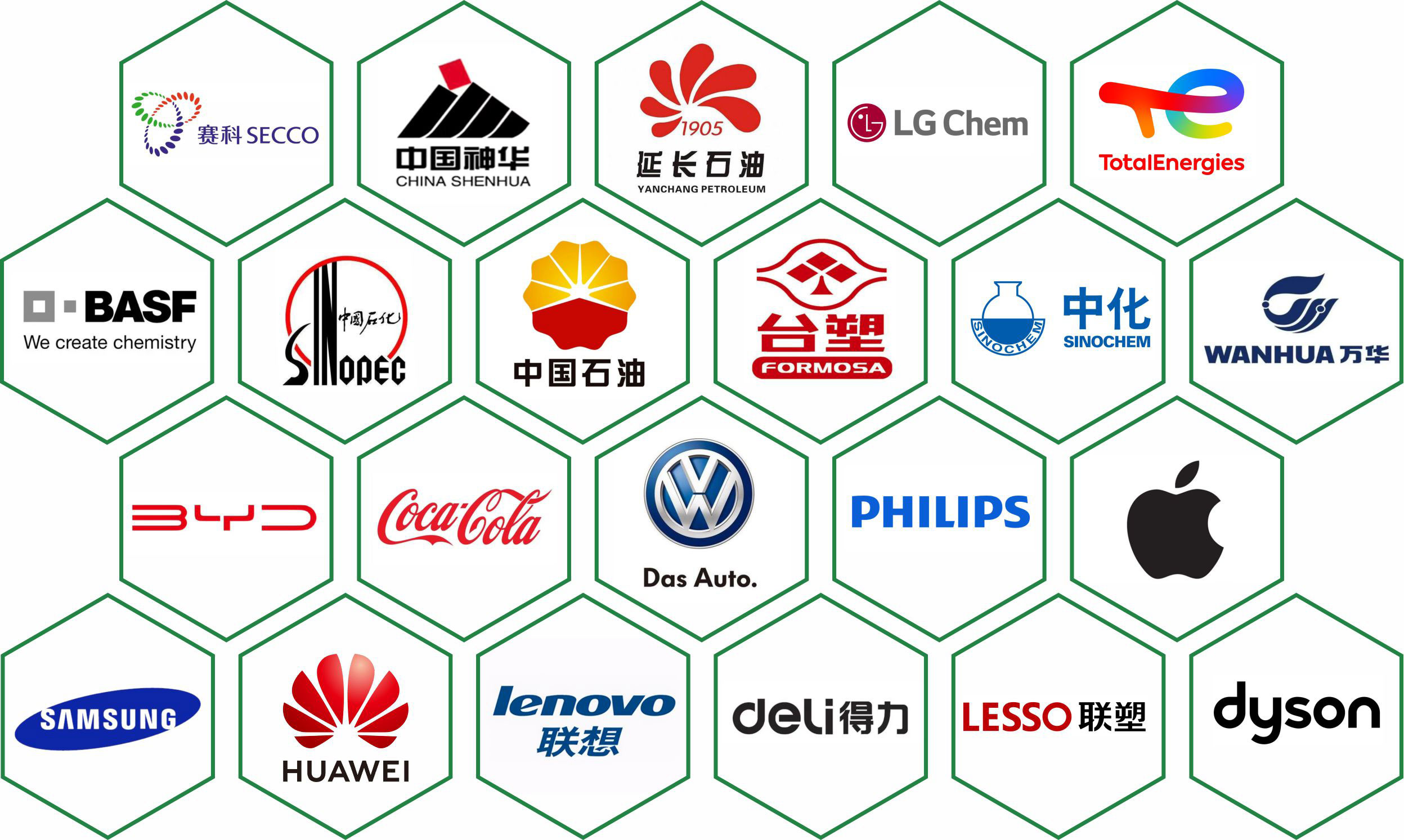
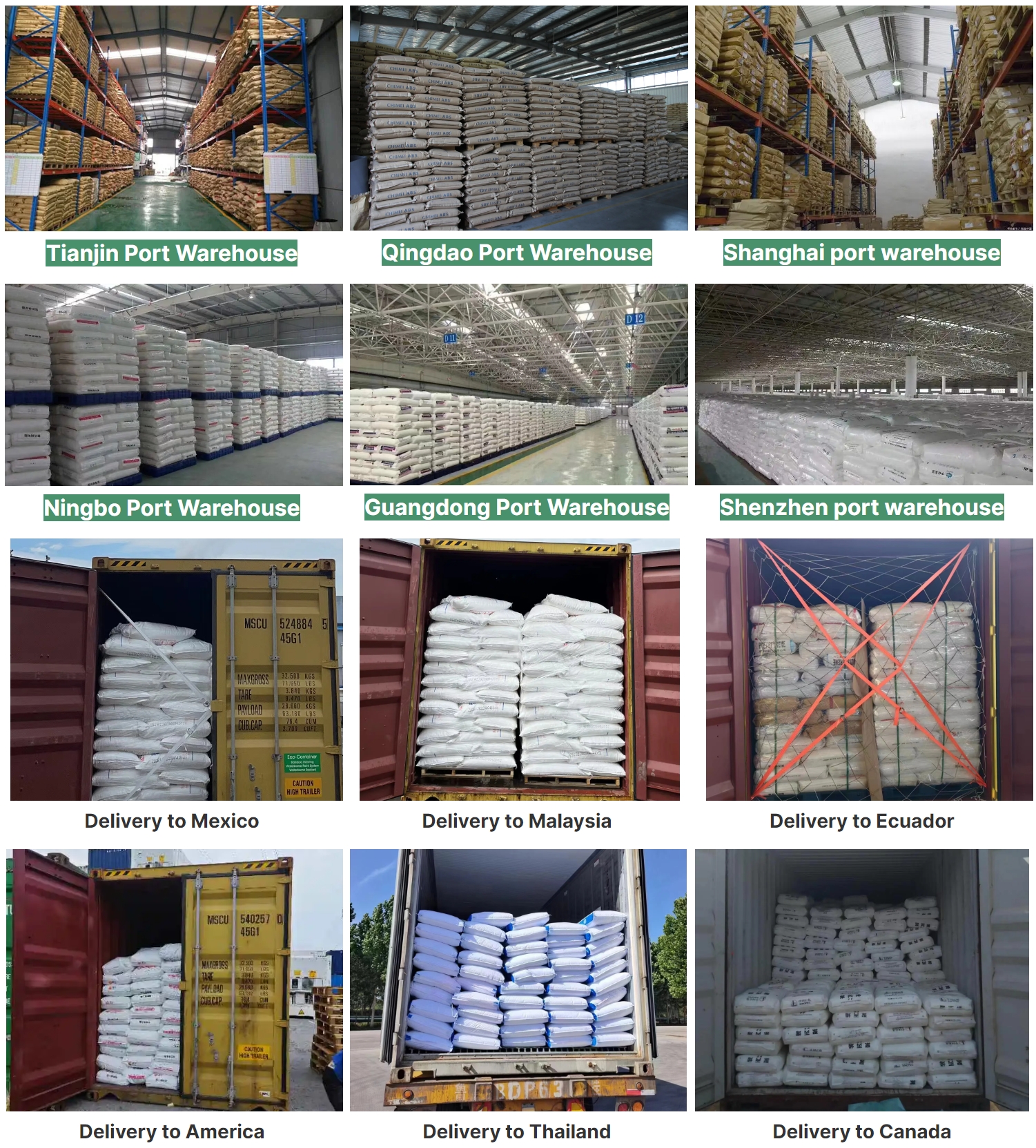
We have established long-term cooperative relations with more than 60+ well-known enterprises all over the world

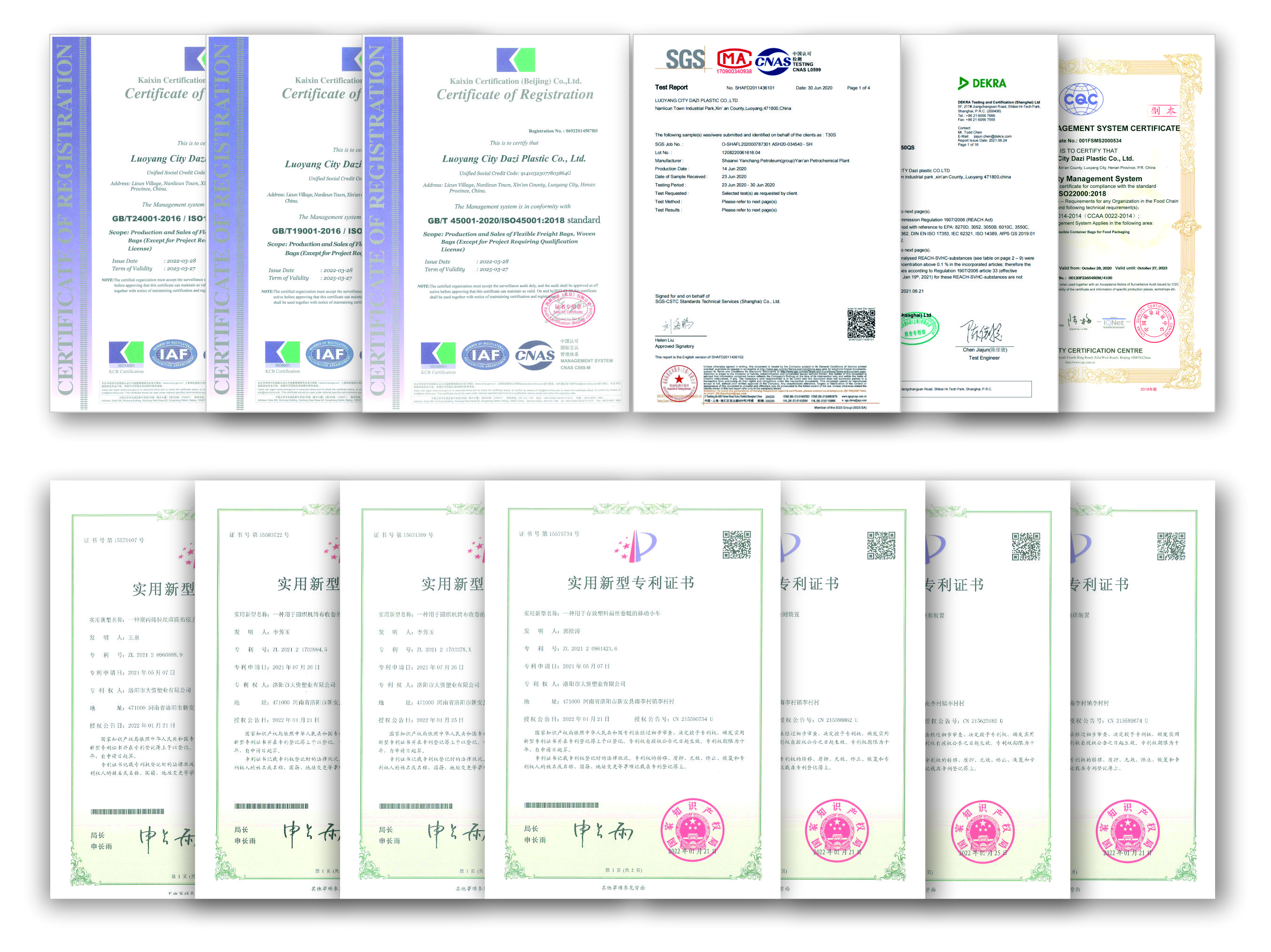
Our company has 12 certifications and 57+ patents.
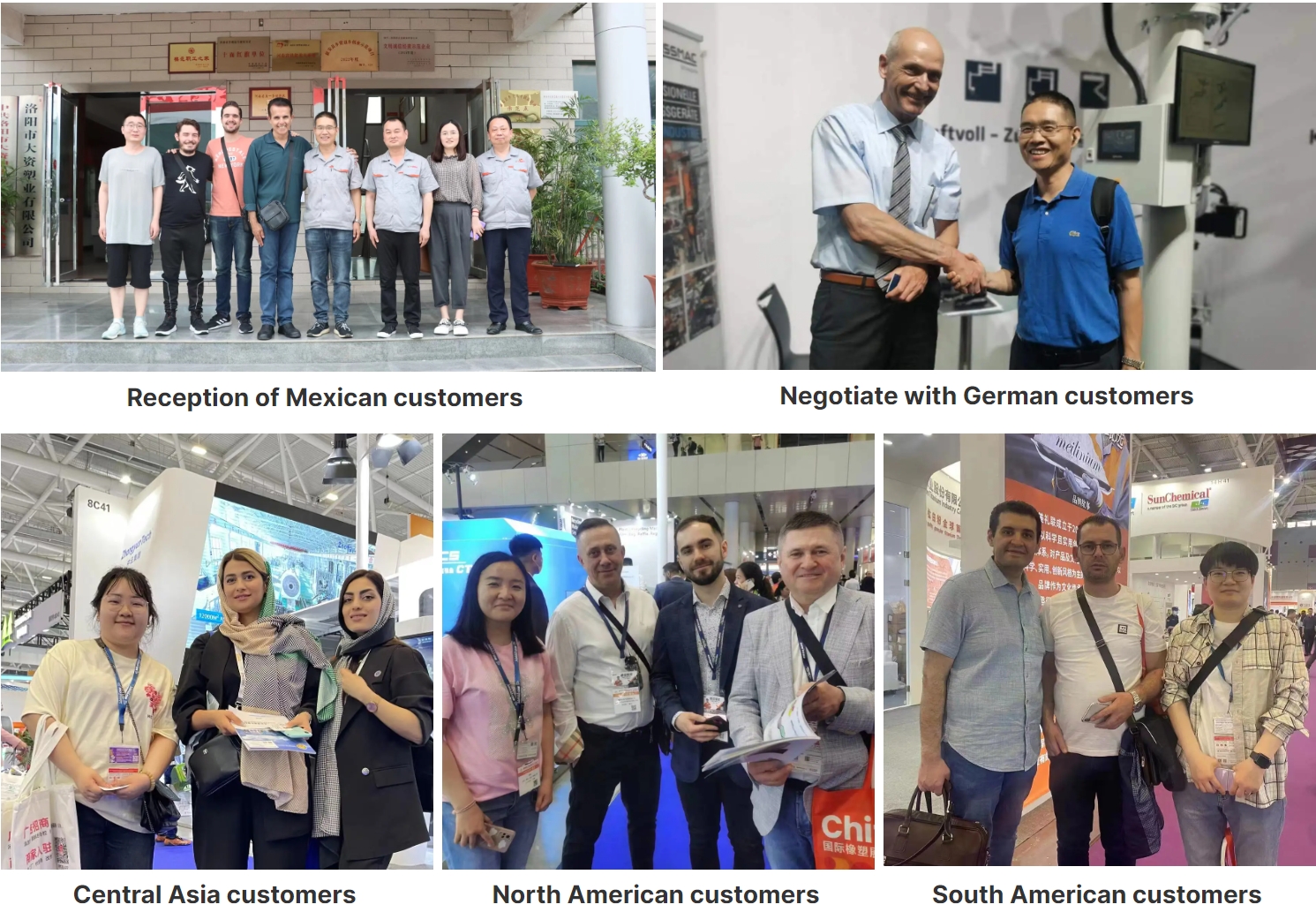
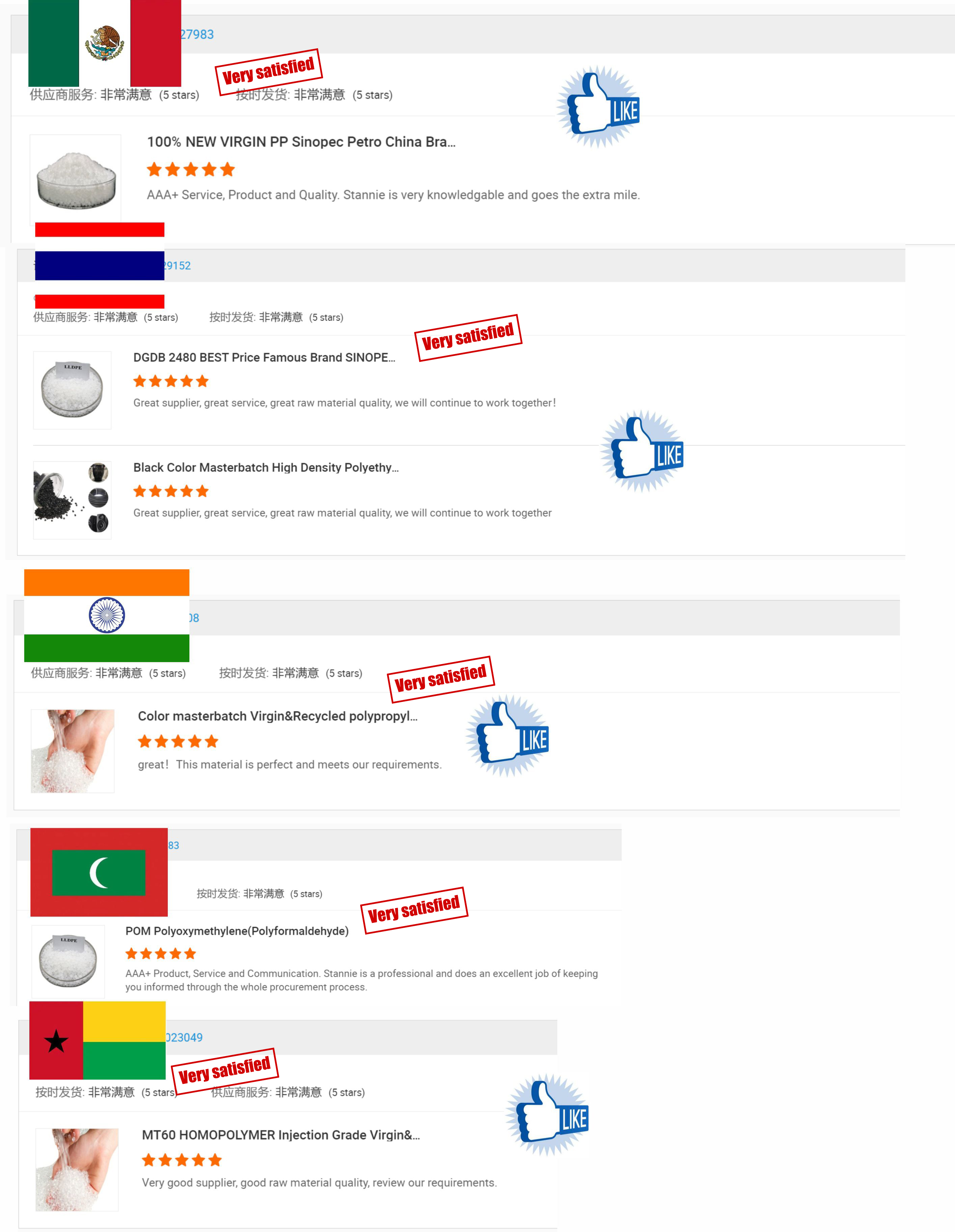

23 years' experience Professional purchasing consultant with a supply chain of 1200+ plastic raw materials in China.