Grânulos de PC policarbonato retardantes de chama, resistentes aos raios UV e às intempéries, matéria-prima para extrusão e injeção de peças de nova energia
2026-11-11 09:15:11
New Energy Parts Are Asked to Do Three Contradictory Things
A charging station enclosure, a battery pack component or a solar junction box must resist fire, survive a decade outdoors and stay structurally sound — all at once. Those three demands pull against each other. Flame retardants that suppress fire tend to add ingredients that weaken weathering performance; UV stabilizers that protect a surface often have a limited loading window before they bloom or interact with other additives; and every additive added to improve one property raises melt viscosity, color risk and processing sensitivity. Flame retardant PC pellets with UV and weather resistance exist to resolve this conflict inside a single formulation. This article explains what the conflict actually is, which electrical tests matter for high-voltage new energy equipment, and how extrusion and injection each interpret the same resin differently.
Why Flame Retardancy and Weather Resistance Fight Each Other
Polycarbonate is valued in new energy hardware because it is inherently tough, dimensionally stable and has a favorable base flammability profile. Achieving a formal flame rating and long-term weathering simultaneously, however, is formulation work rather than property lookup.
How Flame Retardancy Is Achieved in PC
Halogen-free systems dominate new energy applications for smoke and toxicity reasons. They typically rely on phosphorus-based, silicone-based or sulfonate chemistry that promotes char formation or interrupts combustion in the gas phase. Because PC already chars well, relatively modest loadings can reach recognized flame ratings — but those loadings still consume part of the formulation's headroom.
The Weathering Penalty
That headroom matters, because UV protection in PC is a contest against yellowing and embrittlement. UV absorbers and hindered amine stabilizers must be present at sufficient concentration and must migrate to or hold at the surface to work. Adding a flame retardant system changes melt behavior, can affect additive compatibility and, in some cases, accelerates the surface oxidation that drives yellowing. A formulation that looks excellent in a flammability test but yellows within two summers has simply traded one failure mode for another.
Additive Competition and Blooming
Every additive competes for solubility in the polymer. Overload one side of the formulation and it migrates to the surface — visible as bloom, plate-out or a hazy finish, and functionally as a loss of the protection it was meant to provide. This is why flame retardant, UV-resistant grades are engineered systems rather than a simple blend of two masterbatches.
What "Weather Resistant" Should Mean as Data
A weather resistance claim without numbers is marketing. For new energy parts, buyers should think in terms of accelerated aging evidence.
-
Exposure protocol: accelerated weathering under recognized methods, with the hours or cycles reported.
-
Color shift: measured color difference after exposure, not a verbal assurance of stability.
-
Yellowness index change: the specific metric most relevant to white and light-colored parts.
-
Property retention: impact strength and surface appearance after aging, because yellowing alone is cosmetic but embrittlement is structural.
The relevant question is not whether the part stayed white in a chamber for a month, but whether it still passes impact and appearance requirements after an exposure period that corresponds to its service environment.
Electrical Safety Beyond Flammability Ratings
New energy equipment operates at voltages that ordinary consumer plastics never see, so flammability alone is an incomplete specification.
-
Glow wire performance: resistance to ignition from a hot element, relevant to connection points and internal fault scenarios.
-
Comparative tracking index: resistance to surface leakage tracking under voltage and contamination — decisive for high-voltage insulation and busbar supports.
-
Arc resistance: behavior under sustained arcing, important where contacts can degrade.
A material can pass a flammability rating and still fail a tracking test. For battery housings, charging enclosures and busbar insulation, specifying CTI and glow wire performance alongside flame rating is what separates an adequate material from a safe one.
Application Requirements and Material Response
|
New Energy Part
|
Dominant Requirement
|
Material Response
|
|---|---|---|
|
Battery pack housing parts
|
Flame rating, impact, dimensional stability
|
FR PC with retained toughness
|
|
Charging station enclosures
|
Outdoor weathering, UV stability, FR
|
UV-stabilized FR grade, color retention
|
|
Busbar & connector insulation
|
Tracking resistance, glow wire
|
High CTI, FR formulation
|
|
Solar junction & conduit parts
|
Long-term UV exposure, heat resistance
|
Weather-resistant grade, property retention
|
Extrusion and Injection Read the Same Resin Differently
New energy parts are produced both ways, and each process places different demands on a flame retardant, UV-resistant PC.
Extrusion: Sheet, Profile and Insulation
Extrusion runs long residence times at sustained temperature, which is exactly the condition that punishes thermally marginal formulations. Uniform dispersion of flame retardant and UV packages is essential — an unmelted or poorly distributed additive becomes a weak point in a flame test and a clear defect in a translucent profile. Drying discipline and controlled melt temperature protect both color and flame performance.
Injection: Housings and Structural Parts
Injection molding demands flow into thin walls and around inserts without excessive shear heating. Higher flame retardant loading raises viscosity, so wall thickness, gate location and injection speed must be rebalanced. Weld lines are especially sensitive: they are the places where flame retardant distribution can be poorest and where structural weakness appears first. Drying, melt temperature control and adequate venting protect both appearance and electrical performance.
Specification and Validation Checklist
-
State the flame rating and the test standard, plus glow wire and tracking requirements.
-
Request accelerated weathering data with hours, color shift and property retention.
-
Confirm halogen-free status if smoke and toxicity are regulated in your market.
-
Verify impact strength and heat resistance suit the part's structural role.
-
Check viscosity and flow data against your extrusion or injection geometry.
-
Validate on finished parts: flame test, electrical test and appearance after aging.
Conclusion
Flame retardant UV and weather resistant PC pellets are a response to a genuine engineering conflict, not a checklist of adjectives. In new energy parts, fire safety, outdoor durability and structural integrity compete for the same formulation space, and the flame retardant system itself can compromise weathering unless the whole package is engineered together. Electrical performance beyond flammability — glow wire and tracking resistance — matters as much as the flame rating in high-voltage equipment, and extrusion and injection each impose their own processing discipline. Buyers who specify numeric weathering evidence, electrical data and finished-part validation get material that is genuinely safe and genuinely durable, rather than one that merely passes a single test.





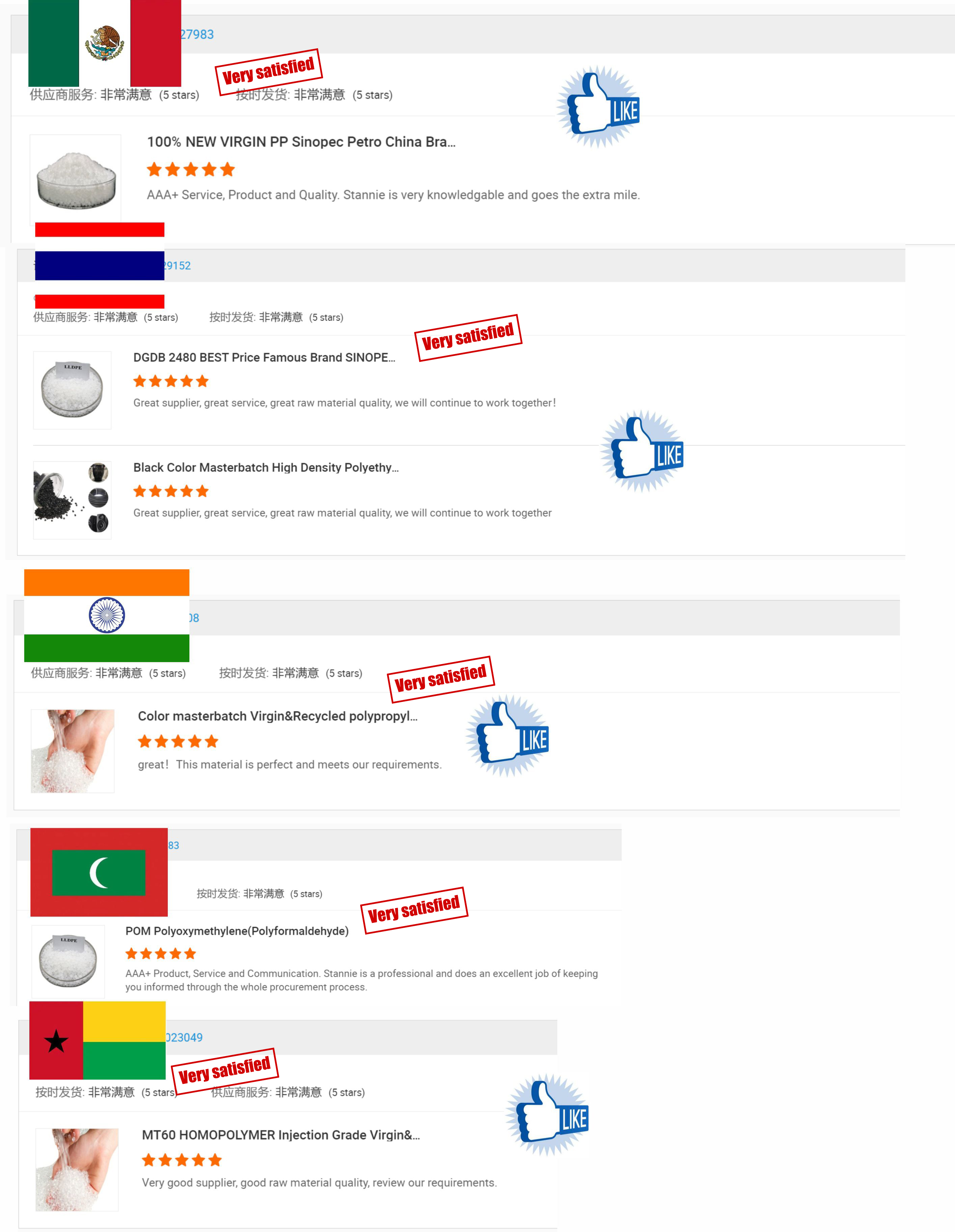
We have established long-term cooperative relations with more than 60+ well-known enterprises all over the world

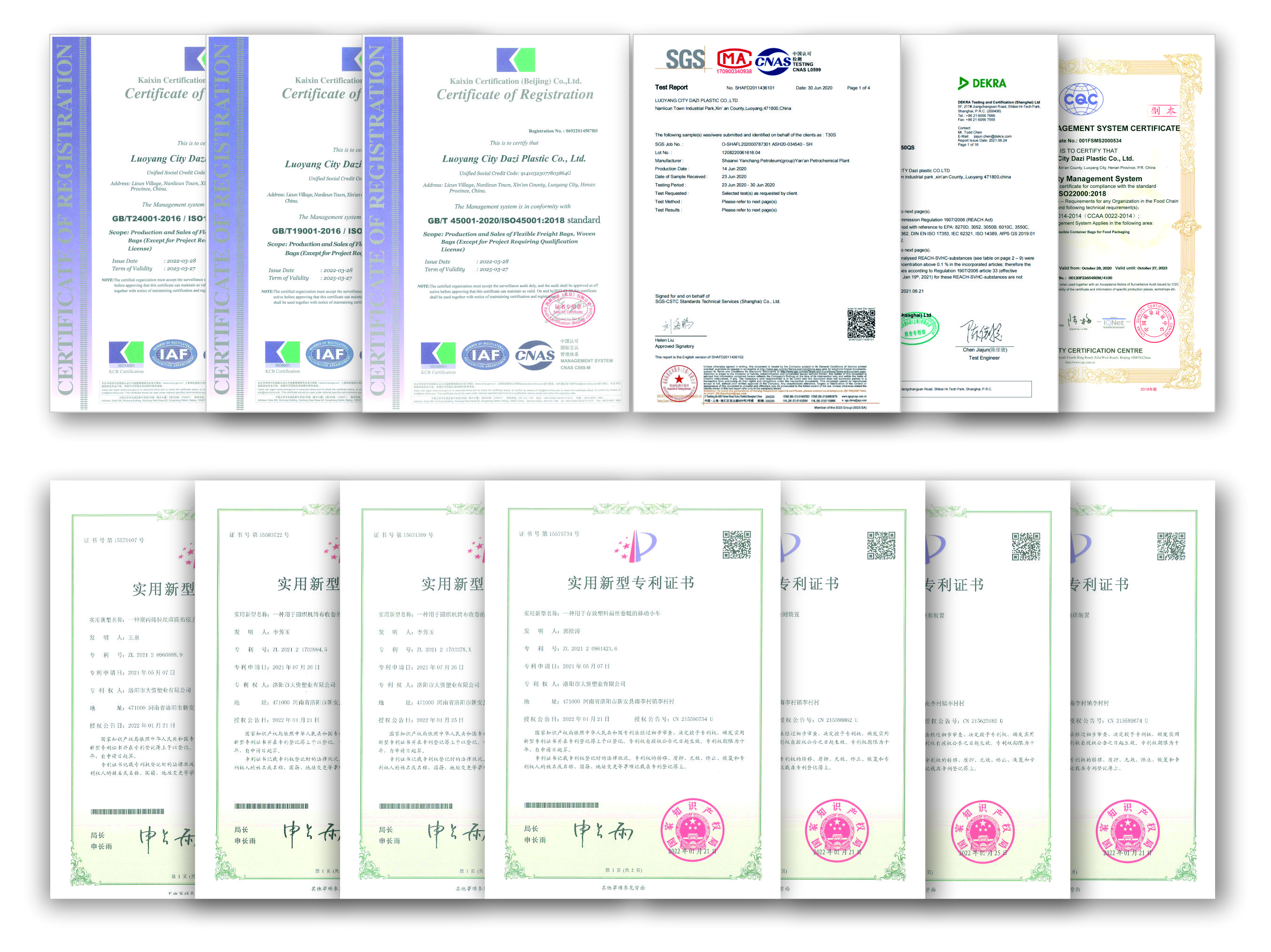
Our company has 12 certifications and 57+ patents.


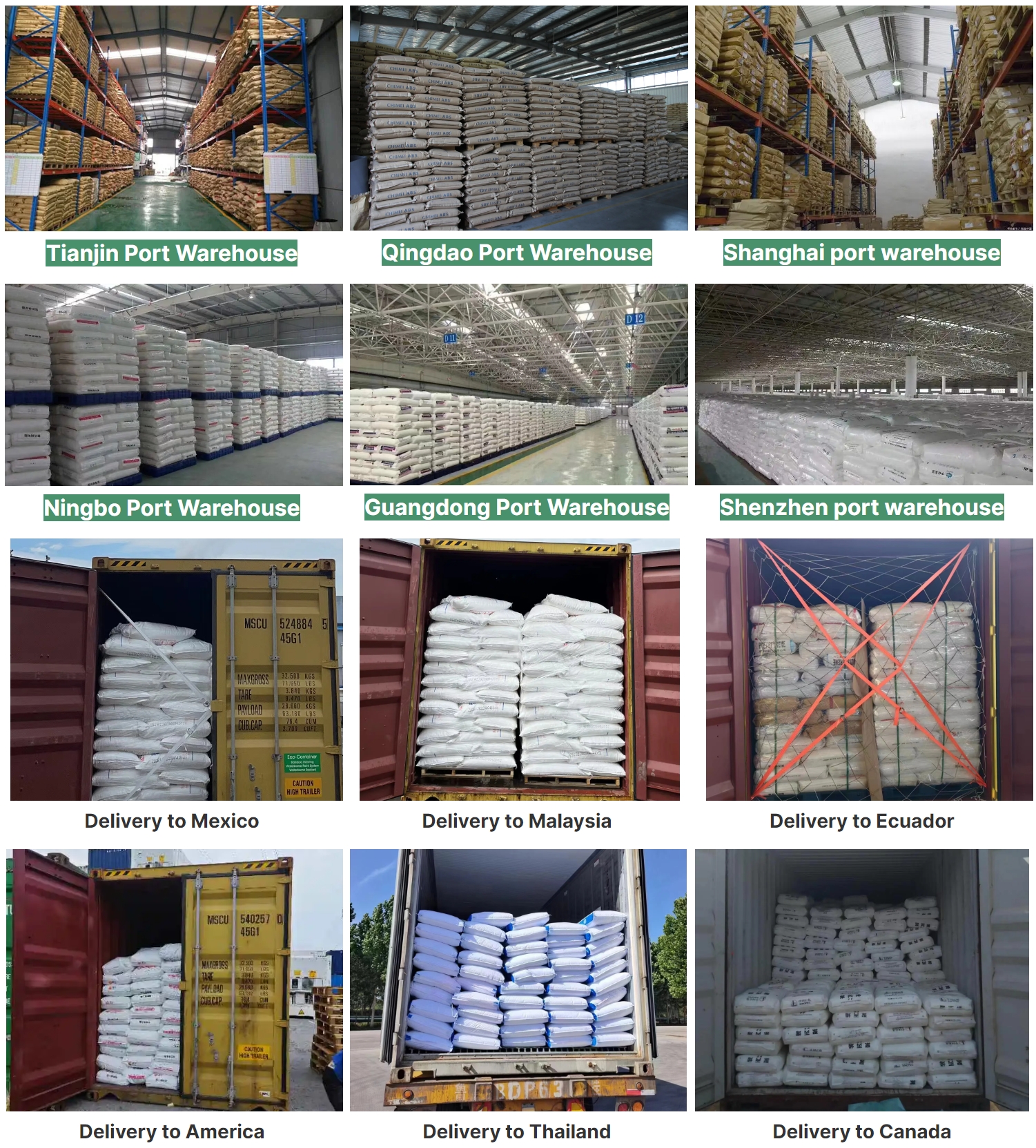
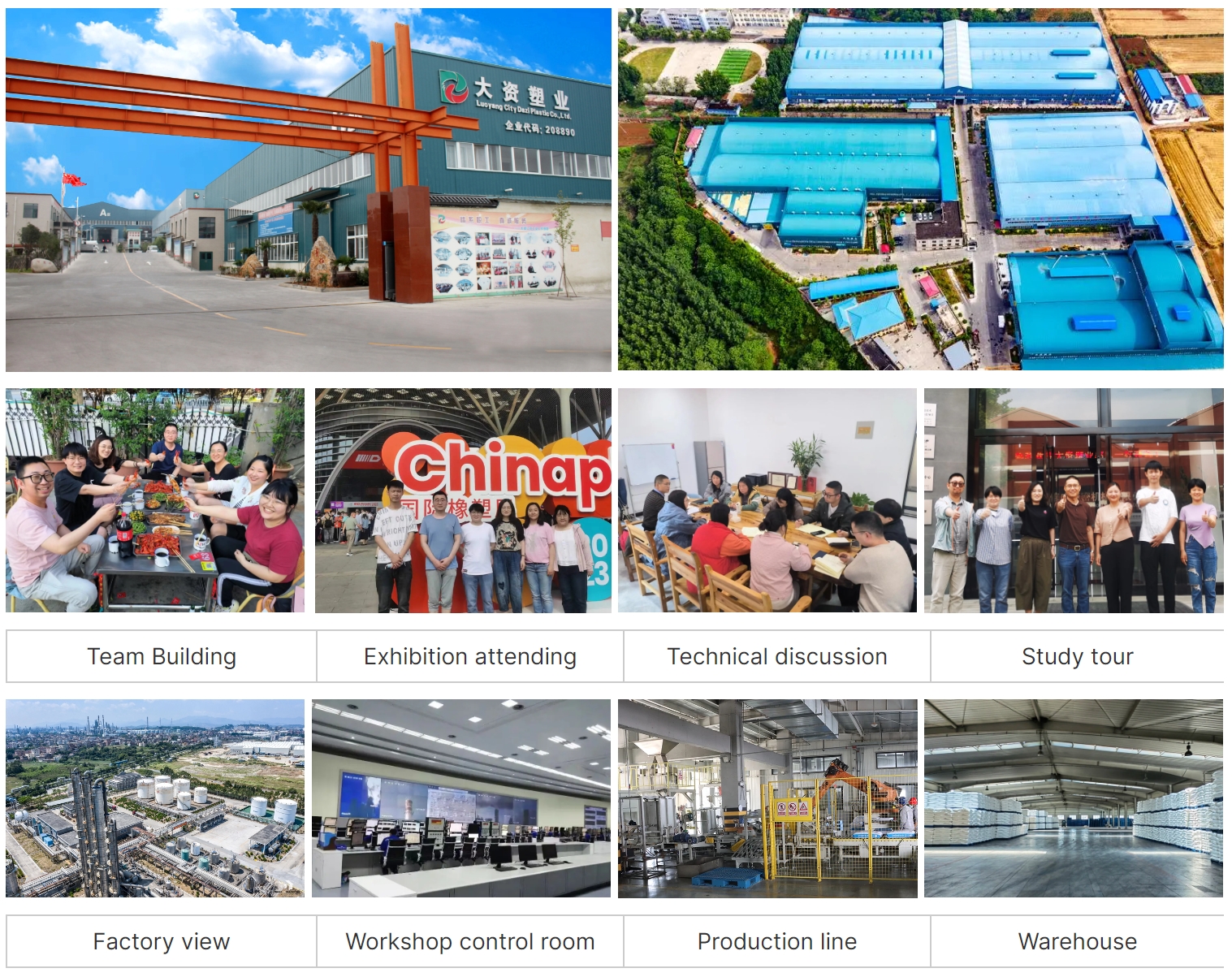
23 years' experience Professional purchasing consultant with a supply chain of 1200+ plastic raw materials in China.