Grânulos de POM de alta rigidez e resistência à fadiga, estabilidade dimensional, plástico de engenharia para peças de transmissão automotiva
2026-11-12 11:01:06
In a Transmission, Parts Do Not Break — They Fatigue
A static test tells you the load a part can survive once. A transmission asks a different question: can this part survive the forty millionth cycle? Automotive transmission components live in a world of repeated torque, reversing direction, temperature swings and sustained preload. They rarely fail at their rated strength; they fail below it, after a crack that started at a sharp corner or a weld line has grown far enough to matter. High rigidity fatigue resistant POM pellets are specified for that reality — a material chosen not for a single impressive number, but for predictable behavior across the cycles and the clearances that define a transmission's service life.
Why Rigidity and Fatigue Travel Together
Polyoxymethylene achieves its stiffness through a highly regular crystalline structure. That same regularity is what gives POM its reputation for fatigue performance: a well-crystallized, high molecular weight material resists the slow crack growth that eventually ends a cyclic-loaded part.
The trade-off is important. Higher rigidity generally comes with higher notch sensitivity, and in fatigue, notches matter more than anything else. A part designed with generous radii and smooth transitions uses rigidity well; the same material in a part with sharp internal corners or a weld line across a loaded section will initiate cracks early and fail long before its static strength suggests. Fatigue is therefore a joint property of material and design, not a material property alone.
Where Fatigue Cracks Actually Start
In molded POM transmission parts, crack initiation concentrates at a handful of predictable locations.
-
Sharp internal corners: stress concentration multipliers at small radii can exceed the material's local capacity under repeated load.
-
Weld lines: polymer flowing around a core or insert meets itself with reduced molecular entanglement, creating a weak plane right where a gear tooth or rib is loaded.
-
Gate marks and flow fronts: residual orientation and stress at the gate can seed cracks that grow under cyclic torque.
-
Thin-to-thick transitions: uneven cooling leaves internal stress and differential shrinkage, adding a built-in load the part must carry before any torque arrives.
The practical conclusion: a fatigue-resistant grade only delivers when gates are placed away from high-stress zones and radii are specified for the load, not for the drawing's convenience.
Dimensional Stability: Clearances Are the Product
In a transmission, function is carried by clearances measured in tens of micrometres. A gear center distance, a bearing seat diameter or a shaft bore that moves after molding or during service changes mesh quality, noise, efficiency and wear.
Post-Mold Shrinkage and Annealing
POM continues to relax and shrink after it leaves the mold, especially in thick sections. Parts intended for tight tolerances should be annealed to stabilize dimensions before inspection and assembly. Skipping annealing does not create a dimensional problem immediately; it creates one that appears in the customer's assembly line or in the field, which is considerably more expensive.
Creep Under Sustained Preload
Transmission parts often sit under continuous load — a bearing seat, a clip, a preloaded retainer. Under sustained stress at elevated temperature, POM creeps. High rigidity grades reduce creep, but the design must still account for the accumulated deformation over the part's service temperature range rather than at room temperature alone.
Moisture and Thermal Expansion
POM absorbs little moisture compared with other engineering plastics, which is one of its advantages in precision parts, but the small dimensional change still matters at micrometre tolerances. Thermal expansion across a cold start to a hot running transmission is larger, and must be accounted for in the tolerance stack rather than assumed away.
The Automotive Environment Is Part of the Specification
A transmission part is never tested only in air at room temperature. It is exposed to lubricant, heat and thermal cycling simultaneously, and each of these affects fatigue and dimensions differently.
-
Lubricant contact: oil immersion can alter surface properties and, in some formulations, plasticize the surface layer.
-
Hot air aging: long exposure at elevated temperature embrittles the surface and reduces fatigue life.
-
Thermal cycling: repeated expansion and contraction adds cyclic stress on top of mechanical load.
Validation should therefore combine cyclic mechanical loading with the temperature and fluid environment the part actually sees, and measure both fatigue life and dimensional drift. A room-temperature fatigue result is a starting point, not an acceptance criterion.
Transmission Parts, Failure Modes and Material Response
|
Transmission Part
|
Dominant Failure Mode
|
Material & Design Response
|
|---|---|---|
|
Gear & tooth components
|
Tooth root fatigue under cyclic torque
|
High rigidity, generous fillets, gate away from root
|
|
Bearing seats & bushings
|
Creep, dimensional drift under preload
|
Low creep grade, annealing, tolerance stack review
|
|
Shift forks & levers
|
Fatigue at thin sections and weld lines
|
Balanced fill, smooth transitions, core placement
|
|
Retainers & clips
|
Stress relaxation, snap-fit fatigue
|
Fatigue-resistant grade, preload margin
|
Processing Decisions That Decide Fatigue Life
-
Place gates away from high-stress zones so weld lines do not cross loaded sections.
-
Design radii and transitions from the stress analysis, not from tooling convenience.
-
Control mold temperature to promote uniform crystallization and limit internal stress.
-
Pack thick sections adequately to reduce voids and differential shrinkage.
-
Anneal tolerance-critical parts before inspection and assembly.
-
Dry the resin and control melt temperature to avoid degradation-induced weak points.
Selection Checklist for Transmission POM
-
Request fatigue data at the stress level and cycle count relevant to your part.
-
Confirm rigidity and creep data at the service temperature, not only at 23 °C.
-
Ask for dimensional stability and post-mold shrinkage information for thick sections.
-
Verify compatibility with the lubricant and thermal environment in your application.
-
Review notch sensitivity and impact data alongside stiffness figures.
-
Validate on finished parts with combined thermal, fluid and cyclic loading.
Conclusion
High rigidity fatigue resistant POM pellets are the right answer to a question transmissions actually ask: not how strong is the material, but how long will the part last under repeated load. Rigidity and fatigue performance both descend from POM's crystalline structure, yet both are undone by sharp corners, weld lines and unannealed dimensions. Dimensional stability — annealing, low creep and accounted-for thermal expansion — is what converts material properties into functioning clearances, and the automotive environment of oil, heat and cycling belongs in the validation plan rather than in the field. Buyers who specify fatigue life at the relevant stress, verify dimensions after annealing and test in the real environment get transmission parts whose performance is predictable for the life of the vehicle.








We have established long-term cooperative relations with more than 60+ well-known enterprises all over the world

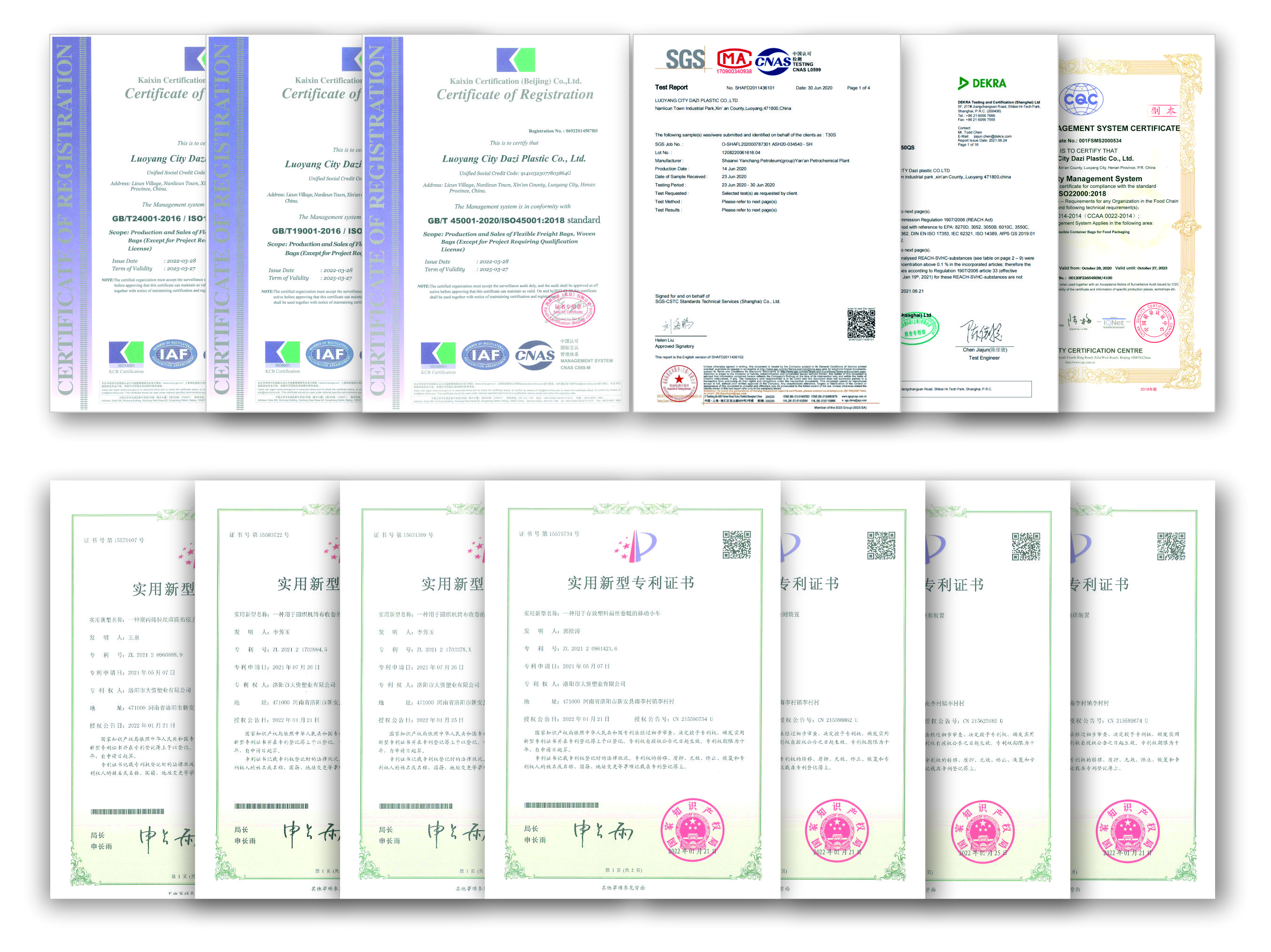
Our company has 12 certifications and 57+ patents.



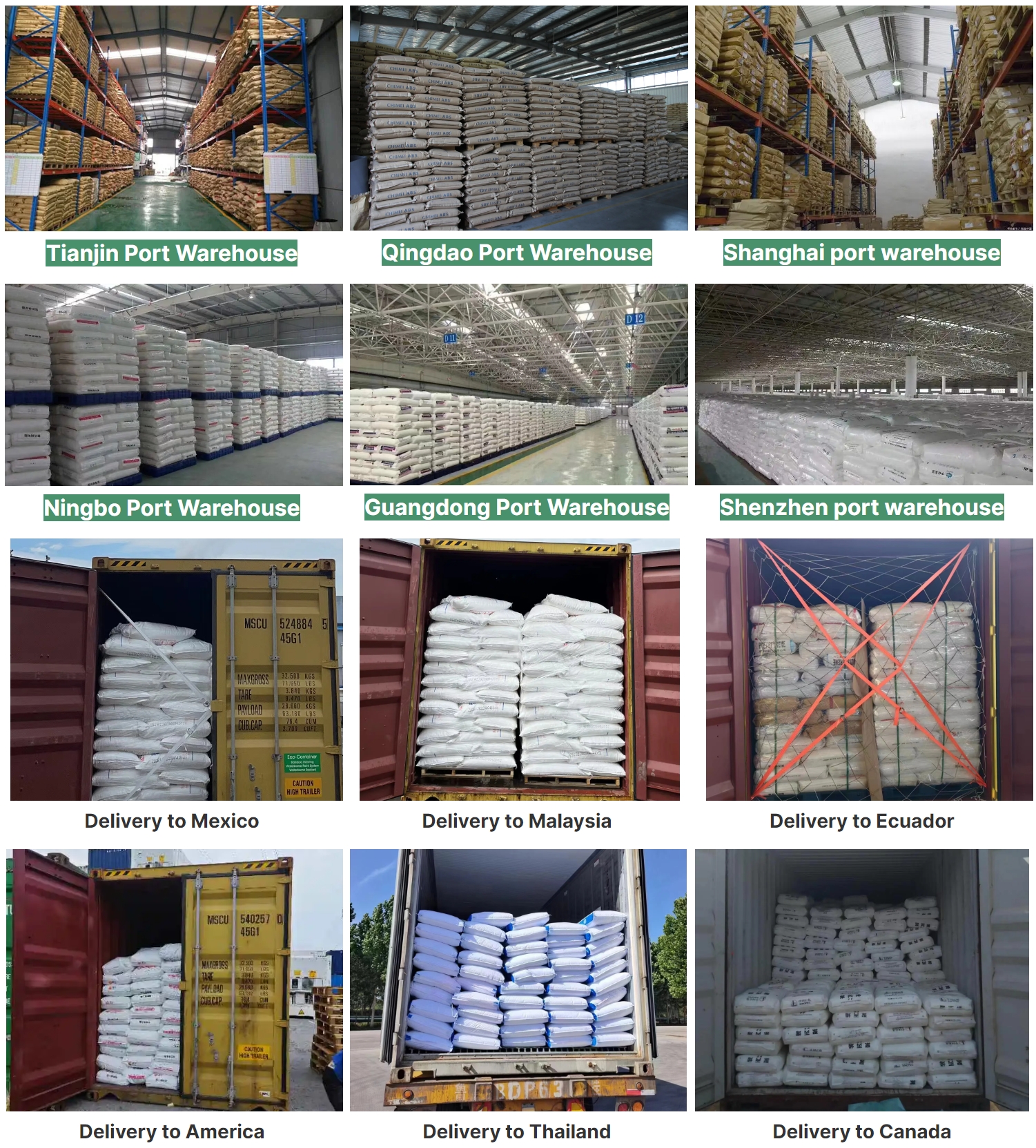
23 years' experience Professional purchasing consultant with a supply chain of 1200+ plastic raw materials in China.