Что такое мастербатч? Преимущества и широкое применение цветного мастербатча в производстве пластмасс
2026-07-22 09:09:02
Color masterbatch is an essential solid colorant and functional additive widely used in the global plastic manufacturing industry. Also known as color concentrate, masterbatch is a high-performance composite material formed by high proportion of pigment, carrier resin, and auxiliary additives through precise mixing, melting, extrusion, and granulation. In modern plastic production, color masterbatch has completely replaced traditional direct powder coloring methods, becoming the standard coloring solution for injection molding, extrusion, blow molding, and film production. This article fully explains what masterbatch is, its core industrial advantages, and its wide-ranging applications in plastic product manufacturing.
What Is Color Masterbatch? Basic Definition & Composition
Color masterbatch is a concentrated granular color material specially designed for plastic coloring. Its scientific formula consists of three core components: high-quality pigment or dye, compatible carrier resin, and professional processing additives. The pigment provides stable coloring power, the carrier resin ensures perfect compatibility with raw plastic pellets such as PP, PE, ABS, PET, and PS, while dispersing agents and stabilizers guarantee uniform color diffusion and long-term processing stability.
During plastic manufacturing, users only need to mix a small proportion of color masterbatch with virgin plastic granules. After melting and molding, the finished plastic products can achieve uniform color, stable tinting effect, and excellent surface finish. Compared with traditional loose powder coloring, masterbatch features high concentration, high dispersion, dust-free performance, and stable batch consistency, making it the mainstream coloring material for modern standardized plastic factories.
Core Advantages of Using Color Masterbatch in Plastic Manufacturing
The widespread popularity of color masterbatch in the plastic industry stems from its comprehensive advantages in product quality, production efficiency, environmental protection, and cost control, solving many pain points of traditional coloring processes.
1. Uniform & Stable Coloring Effect
Color masterbatch undergoes high-temperature melting and ultra-fine dispersion treatment during production. The pigment particles are evenly decomposed in the carrier resin, avoiding agglomeration and color spots. When applied to plastic molding, it delivers high color uniformity, high saturation, and stable color difference control between batches. It effectively prevents common defects such as color streaks, partial fading, and inconsistent gloss that often occur with raw powder coloring, greatly improving the appearance quality of plastic finished products.
2. Excellent Material Compatibility & Protection Performance
Professional color masterbatch adopts targeted carrier resin matching different plastic substrates, ensuring perfect fusion with PP, PE, ABS, PET, and other materials without affecting the original mechanical properties of plastics. On the contrary, high-quality masterbatch can protect plastic molecular structure, enhance product anti-aging, UV resistance, and oxidation resistance, and extend the service life of plastic products.
3. Clean, Dust-Free & Eco-Friendly Production
Traditional toner coloring causes serious dust pollution, easily contaminating production equipment, workshop environment, and raw materials. Color masterbatch is solid granular, completely dust-free, and non-polluting. It keeps the production workshop clean, reduces equipment cleaning frequency, and improves the overall industrial production environment. Meanwhile, masterbatch formula is environmentally friendly, compliant with RoHS and REACH standards, and free of harmful heavy metals, meeting global green manufacturing requirements.
4. High Production Efficiency & Low Defect Rate
Color masterbatch features strong coloring power and simple feeding operation. It can be directly mixed with plastic particles without complex pre-dispersing treatment, greatly saving production time and improving molding efficiency. With stable formula performance, it effectively reduces defective products caused by uneven coloring, improving production yield and factory operating efficiency.
5. Flexible Customization & Strong Color Consistency
Color masterbatch supports personalized color matching according to customer samples, including standard colors, special spot colors, pearlescent colors, fluorescent colors, and matte color effects. Once the color formula is confirmed, mass production can maintain long-term consistent color standards, avoiding color deviation in large-batch orders and facilitating brand standardized product packaging and appearance customization.
6. Superior Cost-Effectiveness
Although masterbatch is a concentrated high-grade colorant, its high coloring rate requires only a small dosage during use, effectively saving pigment consumption. In addition, it reduces waste caused by color inconsistency and dust loss, lowers equipment maintenance costs, and comprehensively reduces the overall coloring cost of plastic enterprises.
Wide Industrial Applications of Color Masterbatch
With flexible formula adjustment and stable performance, color masterbatch covers almost all fields of plastic manufacturing, realizing high-quality coloring for diversified plastic products.
1. Daily Consumer Plastic Products
Color masterbatch is widely used in daily necessities such as plastic containers, storage boxes, plastic toys, household appliance shells, toothbrush handles, and cosmetic packaging. It provides rich and delicate color effects, improves product appearance grade, and ensures safe and non-toxic use for daily contact products.
2. Food & Beverage Packaging Industry
Food-grade color masterbatch is specially applied in PET beverage bottles, plastic food boxes, packaging films, and disposable food containers. It complies with food safety standards, features no precipitation and no odor, and can achieve transparent coloring, shading, and anti-ultraviolet protection for food packaging materials.
3. Industrial & Logistics Plastic Products
In industrial manufacturing, color masterbatch is used for plastic pallets, turnover boxes, pipe fittings, plastic profiles, and industrial protective accessories. It can add anti-aging and anti-UV functions while coloring, improving the durability and outdoor weather resistance of industrial plastic products.
4. Agricultural Plastic Products
Special agricultural masterbatch is suitable for greenhouse films, mulch films, agricultural water pipes, and breeding plastic products. It achieves light filtering, anti-aging, and anti-yellowing effects, adapting to long-term outdoor agricultural environment use.
5. Automotive & Electronic Plastics
High-precision color masterbatch is used for automotive interior and exterior plastic parts, electronic equipment shells, and insulating plastic components. It features high temperature resistance, low migration, and high color stability, meeting strict quality standards for automotive and electronic manufacturing.
Different Types of Functional Masterbatch
In addition to conventional coloring masterbatch, the industry also derives multi-functional composite masterbatch to meet upgraded manufacturing demands, including UV-resistant masterbatch, anti-aging masterbatch, flame-retardant masterbatch, antistatic masterbatch, and toughening masterbatch. These functional masterbatches integrate coloring and performance modification, helping plastic products achieve color beautification and performance upgrading at the same time.


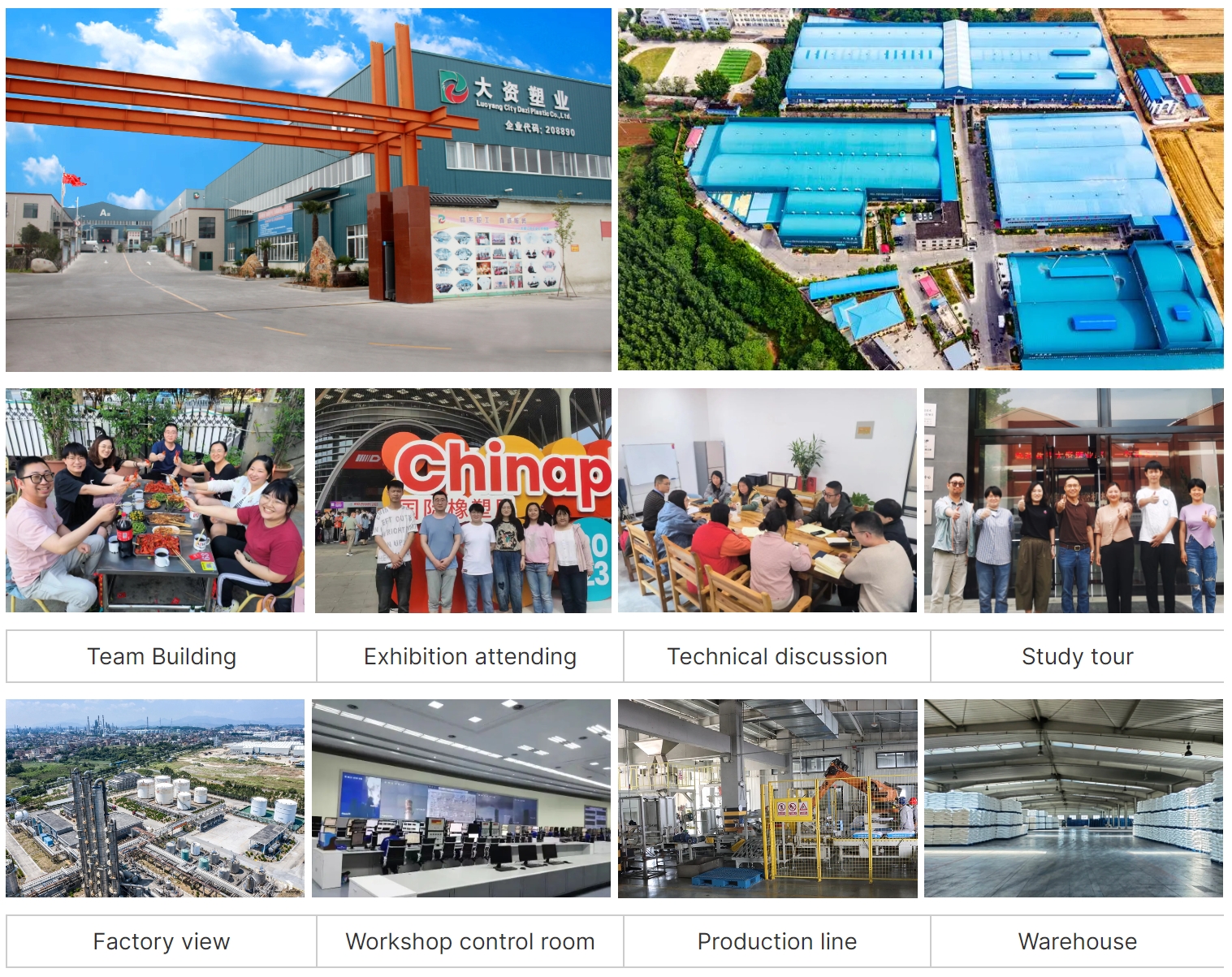


We have established long-term cooperative relations with more than 60+ well-known enterprises all over the world

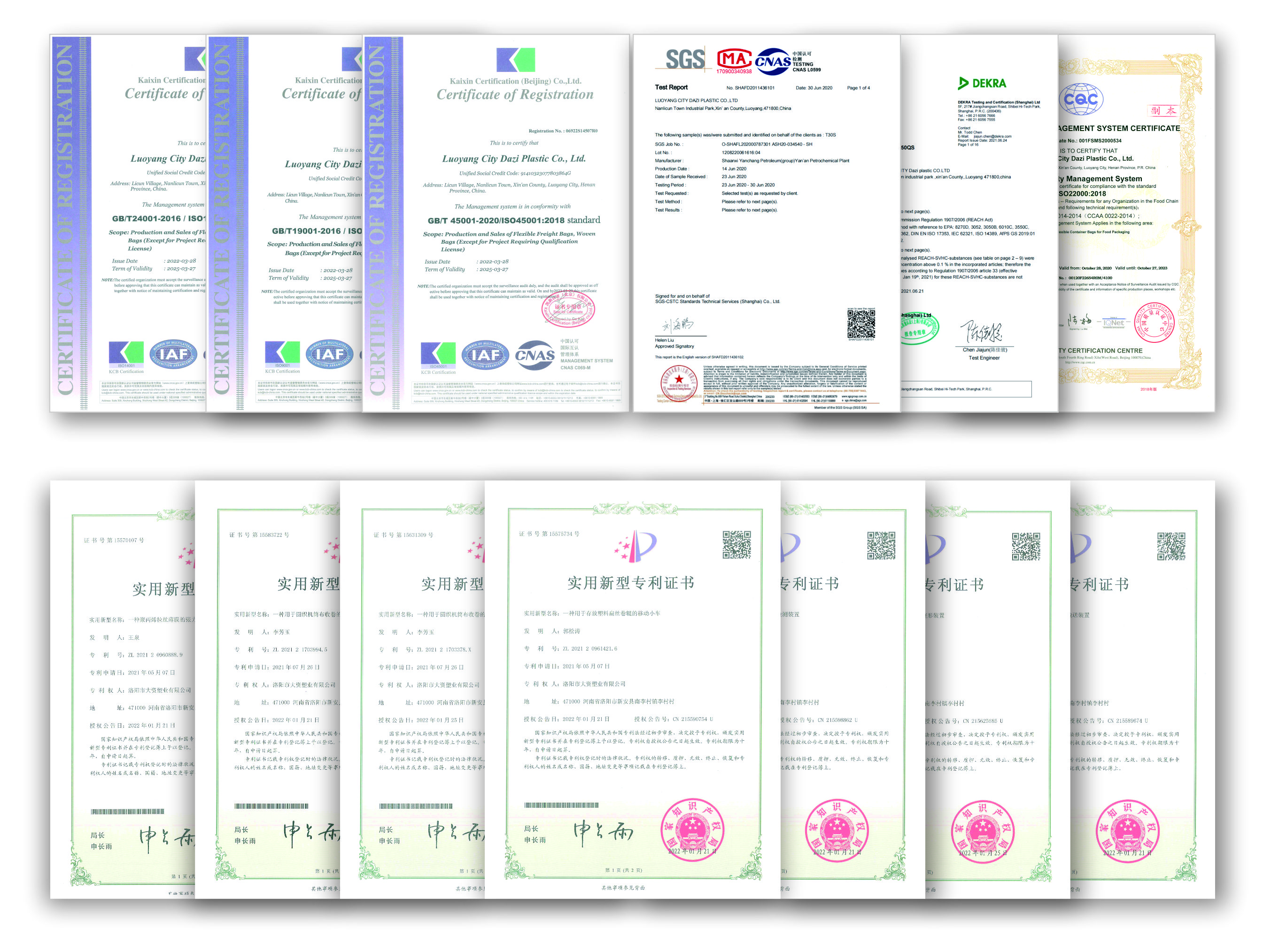
Our company has 12 certifications and 57+ patents.
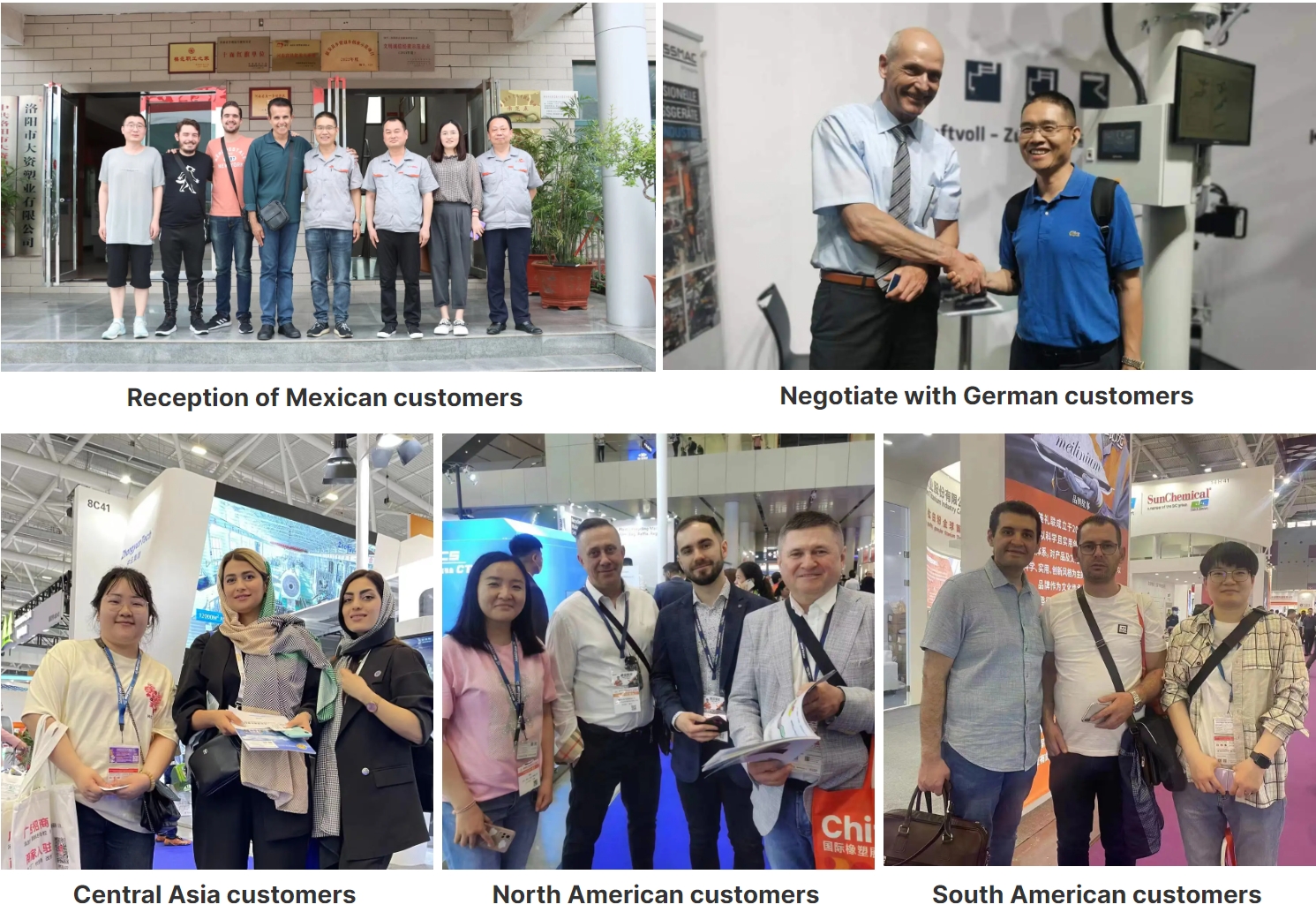
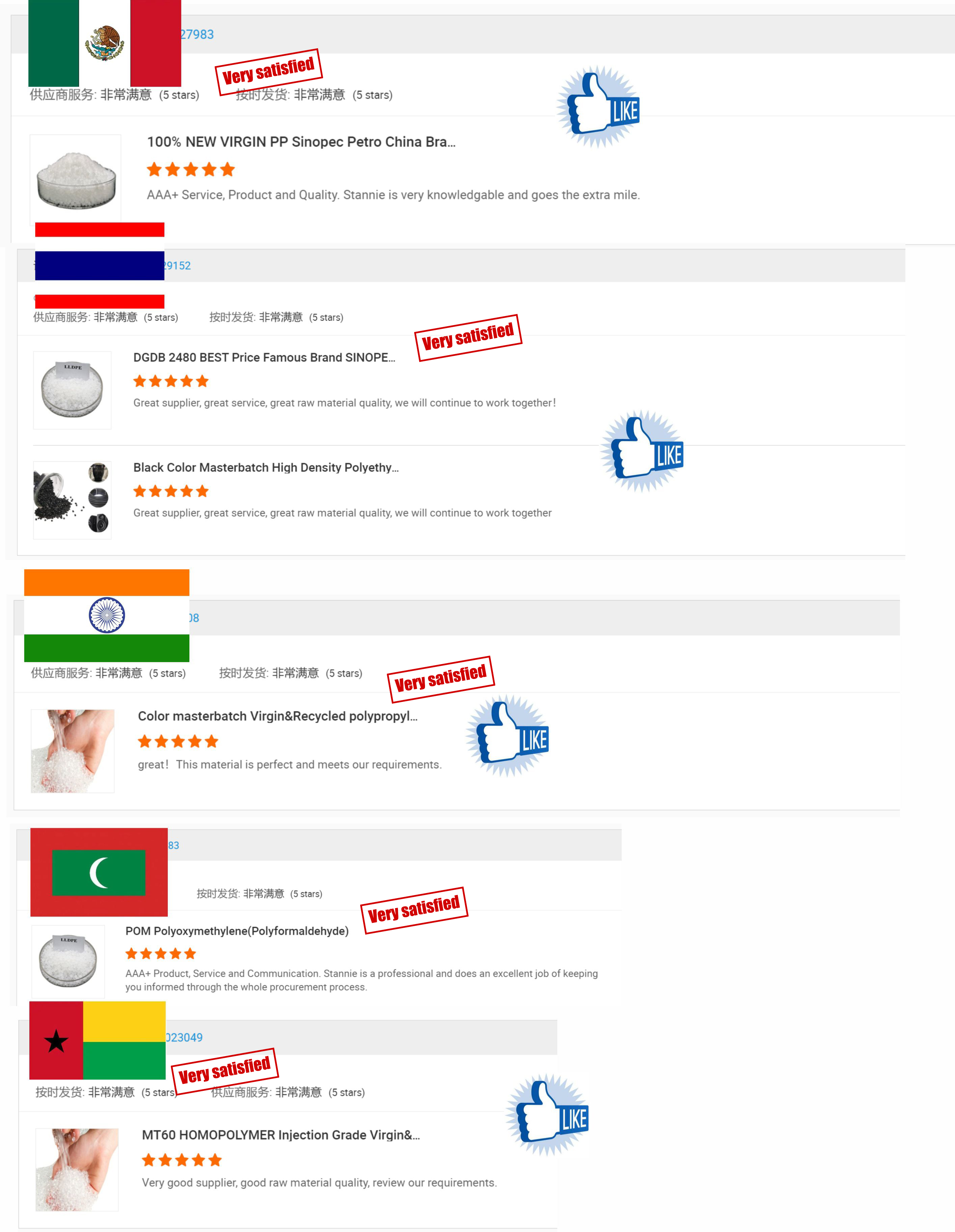

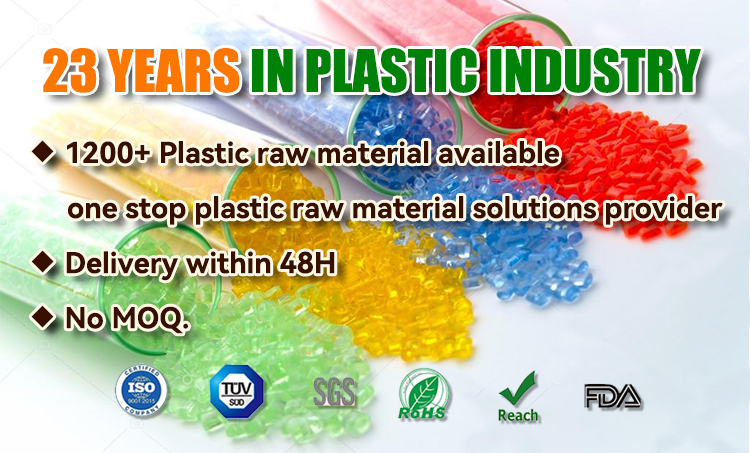
23 years' experience Professional purchasing consultant with a supply chain of 1200+ plastic raw materials in China.