Советы по обработке ПВХ: как эффективно контролировать термическое разложение во время экструзии
2026-08-21 08:55:49
Polyvinyl Chloride (PVC) is one of the most versatile and cost-effective thermoplastic polymers, widely used in pipe extrusion, profile production, wire insulation, film manufacturing and rigid plastic product processing. Unlike PE, PP and other stable polyolefins, PVC features poor thermal stability and extreme sensitivity to high temperature and shear heat. During continuous extrusion production, excessive temperature, unreasonable screw shear, improper formula matching and unstandardized process parameters easily trigger PVC thermal decomposition. Decomposed PVC produces hydrogen chloride (HCl) corrosive gas, causes material yellowing, carbonization, bubble generation and surface cracking, and even leads to equipment corrosion and batch product scrapping. Mastering scientific extrusion processing skills to suppress thermal decomposition is the core key to improving PVC product quality, reducing defective rates and extending equipment service life. This article analyzes the root causes of PVC thermal decomposition in extrusion and summarizes practical, industry-verified control techniques.
Root Causes of PVC Thermal Decomposition in Extrusion Processing
PVC molecular chains contain unstable chlorine atoms, which are prone to chain breakage and dechlorination reaction under sustained high temperature and strong shear force. Different from conventional thermal aging, extrusion thermal decomposition is caused by the superposition of external heating and internal shear heat, featuring fast deterioration speed and strong destructiveness.
First, temperature overrun and uneven heating are the primary incentives. PVC starts slight decomposition at 160°C, and rapid carbonization occurs when the temperature exceeds 200°C. Local overheating of the barrel, mold temperature deviation and unreasonable temperature gradient will directly trigger material decomposition. Second, excessive shear friction generates massive internal heat. High screw speed, unreasonable screw element combination and narrow die gap cause intense friction between PVC melts and equipment metal surfaces, producing instantaneous shear heat that exceeds the safe temperature range.
In addition, insufficient thermal stabilizer dosage, expired auxiliary additives, impure recycled PVC materials and long-term material residence in the barrel will also accelerate thermal decomposition, forming hidden quality risks in continuous extrusion production.
Practical Processing Tips to Control PVC Thermal Decomposition
1. Optimize Barrel and Mold Temperature Gradient Settings
Precise segmented temperature control is the foundation to avoid PVC thermal decomposition. It is necessary to formulate a gradient heating scheme according to PVC hardness grade, material formula and extrusion speed, instead of adopting uniform high-temperature setting. For rigid PVC extrusion, the feeding section maintains a low temperature to prevent early melting and material blockage; the compression section adopts medium temperature to ensure gradual plasticization; the metering section and mold area are controlled within the optimal plasticizing temperature range of 170°C–190°C, strictly avoiding long-term operation above 200°C.
Regularly calibrate temperature sensors and heating rings to eliminate virtual temperature display and local overheating. Avoid sudden temperature rise or drop during equipment startup and shutdown, and implement staged heating and cooling to prevent uneven thermal stress-induced partial decomposition of PVC melt.
2. Reasonably Match Screw Speed and Shear Parameters
Most internal thermal decomposition of PVC is caused by excessive shear heat rather than external heating. Blindly increasing screw speed to improve output will intensify melt friction and generate massive accumulated heat, leading to melt yellowing and decomposition. Processors need to match speed and back pressure according to material fluidity.
For high-viscosity rigid PVC materials, appropriately reduce screw rotation speed and lower extrusion back pressure to weaken shear friction; for flexible PVC with high plasticizer content, moderately increase speed while ensuring uniform plasticization. Optimize screw element combination, adopt low-shear screw design for heat-sensitive PVC materials, reduce strong shear mixing sections, and ensure stable and gentle melt conveying to control shear heat generation from the source.
3. Scientific Formula and Thermal Stabilizer Configuration
Thermal stabilizers are the core auxiliary materials to inhibit PVC decomposition. Different processing scenarios require targeted stabilizer selection and dosage adjustment. Calcium-zinc composite stabilizers, lead salt stabilizers and organotin stabilizers have different high-temperature resistance and anti-decomposition effects. It is necessary to select matching stabilizers according to extrusion temperature and product grade.
Ensure sufficient stabilizer dosage for high-speed continuous extrusion and high-temperature mold processing. Appropriately increase the proportion of auxiliary antioxidants and lubricants to improve material thermal stability and melt fluidity. High-purity new materials require conventional formula configuration, while recycled PVC materials with many impurities need to increase stabilizer dosage to offset reduced thermal stability and avoid decomposition during re-extrusion.
4. Eliminate Material Residence and Dead Corner Heating
Long-term residence of PVC melt in the barrel, screw gaps and mold dead corners is a key hidden cause of local carbonization and decomposition. During production startup, shutdown and parameter adjustment, avoid material stagnation caused by frequent parking and speed adjustment. For long-term continuous production, regularly perform material replacement and barrel cleaning to remove residual old materials that have been heated for a long time.
Optimize mold flow channel design to reduce dead corners, narrow gaps and flow dead zones. Ensure uniform melt flow and no local accumulation. Regularly disassemble and clean screws and molds to eliminate carbonized residual materials, which can avoid secondary contamination and induced decomposition of new PVC melts.
5. Standardize Startup, Shutdown and Switching Operations
Improper manual operation is prone to instantaneous thermal decomposition during equipment state switching. During startup, preheat the barrel in stages, and start feeding only after the temperature stabilizes completely to prevent unmelted material from being heated for a long time and decomposing. During shutdown, clean the barrel with special cleaning materials immediately to replace residual PVC melt, and avoid leaving PVC materials in the high-temperature barrel for a long time.
When switching PVC formulas and product specifications, adopt gradual speed and temperature adjustment instead of sudden parameter changes, to prevent incomplete plasticization or overheating decomposition caused by mismatched process conditions.
6. Strictly Control Raw Material Purity and Drying Treatment
Impurities, moisture and unqualified auxiliary materials will reduce the overall thermal stability of PVC compounds. Moisture-containing PVC materials will produce steam during extrusion, causing bubble defects and accelerating molecular chain decomposition. Before extrusion, implement strict material drying procedures to control raw material moisture within the standard range.
Strictly screen recycled PVC materials, remove deteriorated and carbonized waste materials, and control the proportion of recycled materials in the formula. Avoid mixing heterogeneous plastic impurities that affect thermal stability, ensuring consistent raw material performance and stable extrusion processing state.
Typical Phenomena and Rapid Judgment of PVC Thermal Decomposition
Processors can quickly judge decomposition problems through on-site product and equipment conditions to adjust parameters in time. Early decomposition is manifested as slight yellowing of product surface, reduced gloss and tiny surface lines. Moderate decomposition produces fine bubbles, material brittleness and uneven melt fluidity. Severe decomposition will generate black carbonization spots, pungent HCl odor and corrosive smoke, and even cause screw jamming and mold blockage. Timely discovery and parameter correction can effectively avoid large-area defective products.
Long-Term Benefits of Standardized Thermal Decomposition Control
Effective control of PVC thermal decomposition not only reduces product yellowing, carbonization and bubble defects, lowering production defective rates and material waste, but also reduces HCl gas corrosion to screws, barrels and molds. It greatly extends the service life of extrusion equipment, reduces maintenance costs and downtime losses. In addition, stable plasticization quality ensures consistent product dimensional accuracy, surface finish and physical properties, improving product qualification rate and market competitiveness of PVC profiles, pipes and films.
Conclusion
PVC thermal decomposition during extrusion is jointly caused by temperature deviation, excessive shear heat, unreasonable formula, material residence and non-standard operations. By optimizing temperature gradient settings, matching screw shear parameters, configuring scientific thermal stabilizer formulas, eliminating processing dead corners and standardizing daily operation procedures, manufacturers can effectively suppress PVC dechlorination, carbonization and deterioration reactions. Mastering these practical extrusion processing tips is essential to achieve high-efficiency, low-defect and stable mass production of PVC products, while realizing cost reduction and quality improvement in plastic processing.





We have established long-term cooperative relations with more than 60+ well-known enterprises all over the world

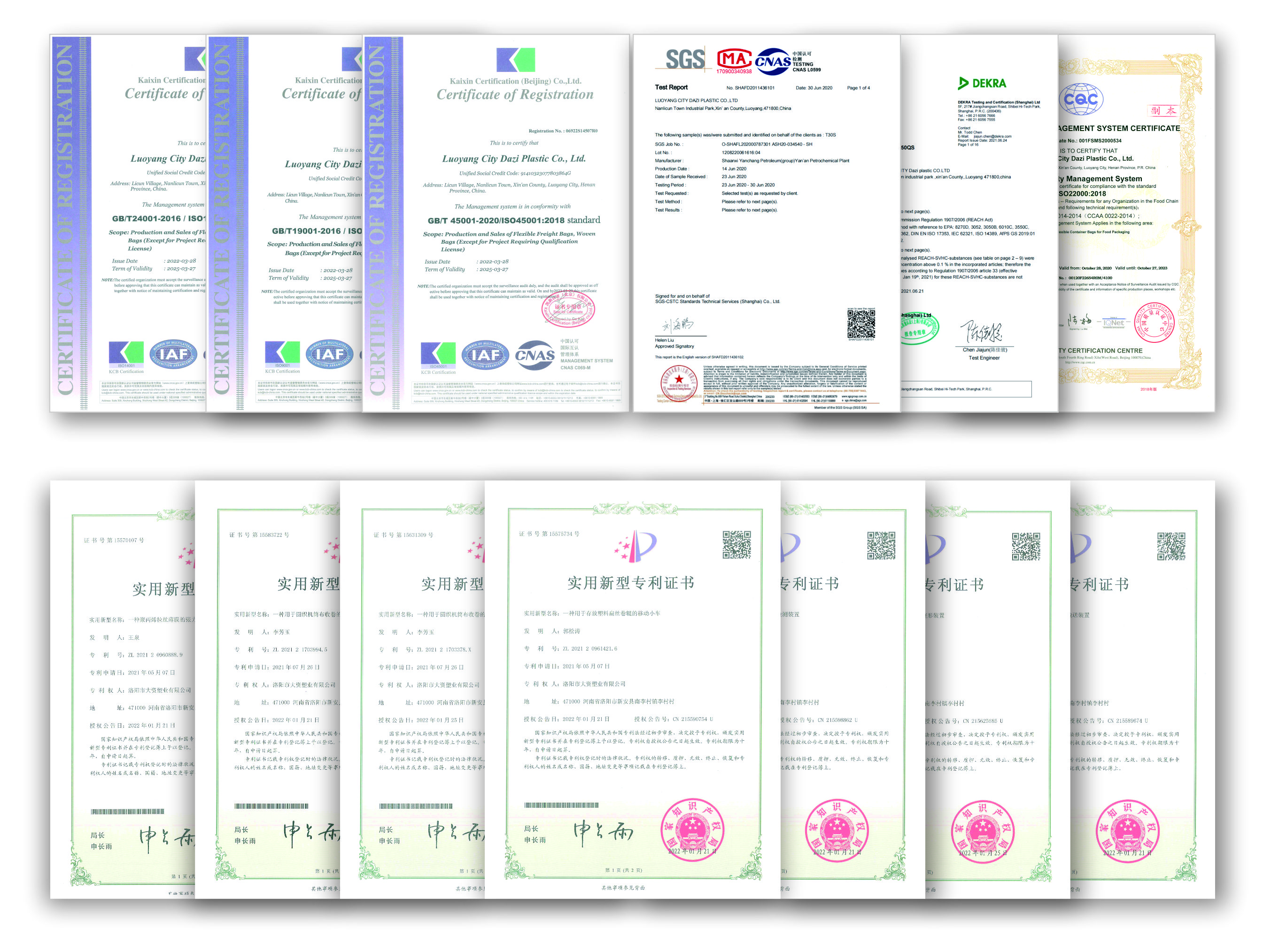
Our company has 12 certifications and 57+ patents.


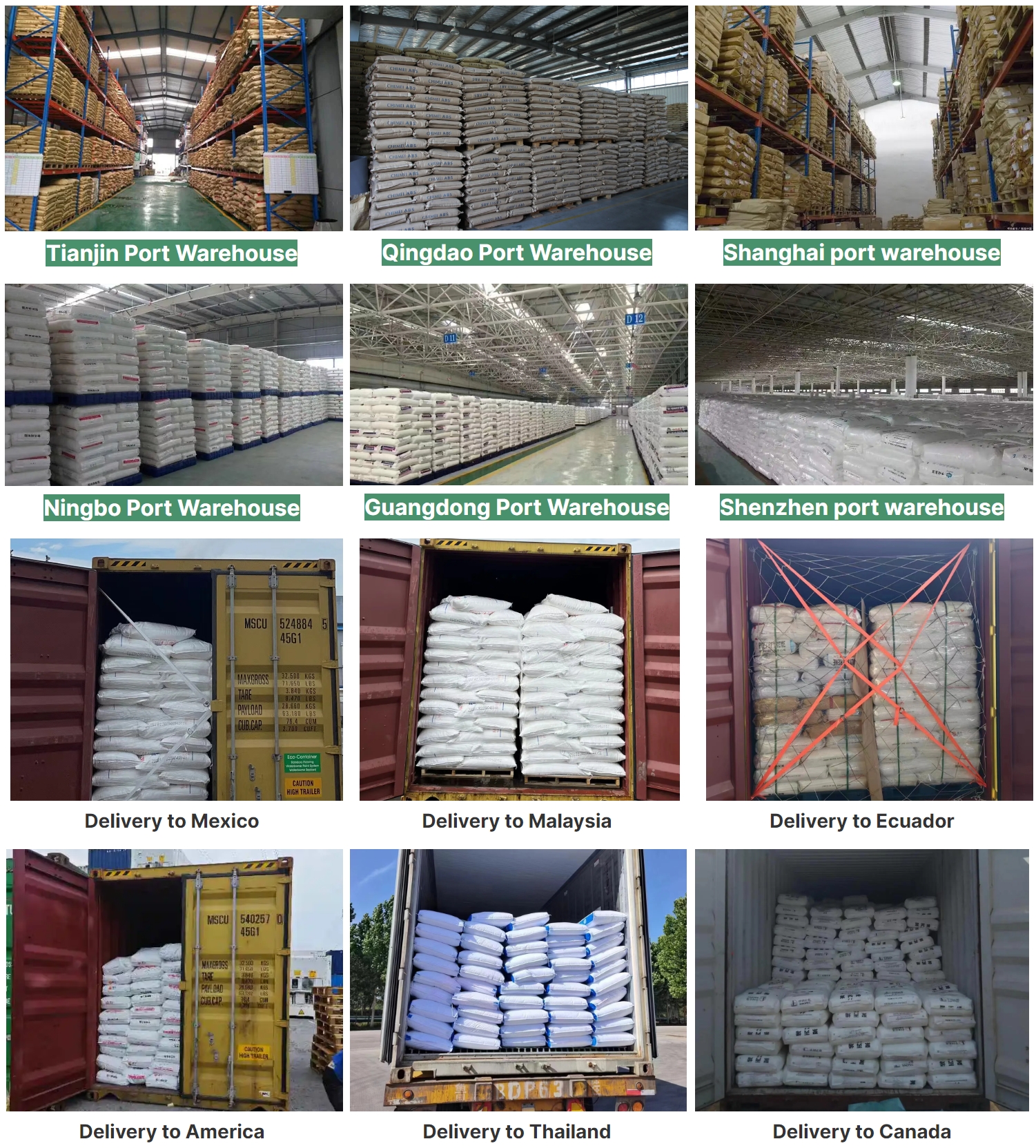
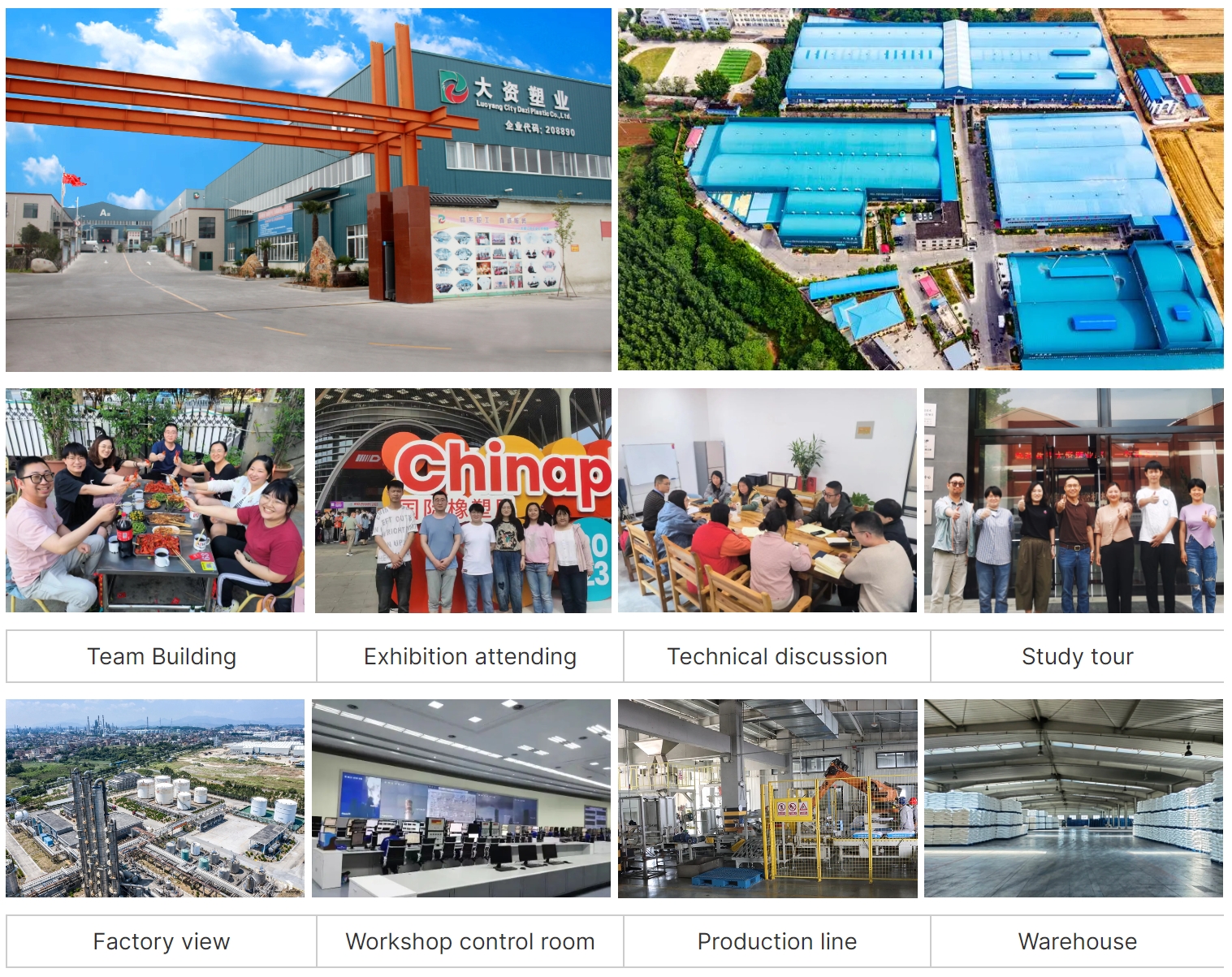
23 years' experience Professional purchasing consultant with a supply chain of 1200+ plastic raw materials in China.