Как отличить HDPE, LDPE, LLDPE: сравнение марок ПЭ и отраслевое руководство по выбору
2026-09-08 17:11:55
Polyethylene (PE) is the most versatile and widely consumed thermoplastic globally, dominating packaging, industrial molding, agricultural film, chemical container and bulk logistics industries. However, most manufacturing and procurement teams frequently confuse three core PE grades: HDPE, LDPE, and LLDPE. All three belong to the polyethylene family with identical elemental composition, yet their subtle differences in molecular branching, density, crystallinity and processing characteristics lead to completely different mechanical performance, environmental adaptability and application boundaries. Misjudging PE grades results in frequent production defects, premature product failure and unnecessary material cost waste. This article systematically distinguishes HDPE, LDPE and LLDPE from structural principles, core performance, processing traits and industrial scenarios, providing a precise and practical grade selection guide for plastic processors and material purchasers.
Fundamental Molecular Structural Differences (Root Cause of Performance Gaps)
The essential difference between the three PE grades lies in molecular chain branching status, which determines density, rigidity, toughness and stacking compactness. This micro-structural distinction is the core basis for industrial grade differentiation.
HDPE (High-Density Polyethylene) features an almost linear molecular chain with extremely rare side branches. The neat and orderly chain structure enables tight molecular stacking, forming the highest crystallinity and density among the three grades. Its low-branching molecular layout delivers strong intermolecular force, endowing HDPE with outstanding rigidity, hardness and structural stability.
LDPE (Low-Density Polyethylene) possesses dense irregular long-chain and short-chain branching. The chaotic staggered molecular structure prevents tight stacking, resulting in low density and low crystallinity. Its disordered branching structure gives LDPE excellent softness, ductility and melt fluidity, forming flexible and transparent material characteristics.
LLDPE (Linear Low-Density Polyethylene) adopts a linear main chain structure with uniform and regular short-chain branches, without the long tangled branches of LDPE. The evenly distributed short branches balance low-density flexibility and structural uniformity, achieving far better tensile toughness and puncture resistance than LDPE while maintaining low-density characteristics.
Core Physical and Mechanical Performance Comparison
Based on structural differences, HDPE, LDPE and LLDPE show obvious differentiation in density, hardness, tensile property, low-temperature resistance and surface performance, covering all key indicators for industrial material selection.
1. Density and Rigidity Grading
HDPE ranks highest in density (0.940–0.976g/cm³) and rigidity, with excellent compression resistance and structural stiffness, not easy to deform under static pressure. LDPE has the lowest density (0.910–0.925g/cm³) and the softest texture, with strong bending recovery ability. LLDPE has a density close to LDPE (0.915–0.926g/cm³), retaining low-density lightweight advantages while achieving moderate rigidity upgrade.
2. Toughness, Puncture and Tensile Resistance
LLDPE is the absolute advantage grade in toughness and anti-puncture performance. Its uniform short-branch structure effectively disperses external impact force, providing superior tear resistance, low-temperature toughness and friction resistance. It is far more durable than LDPE in flexible product scenarios. HDPE has high tensile strength but poor ductility, belonging to rigid and brittle-tough balance. LDPE has soft tensile performance but is prone to tear under strong stretching and sharp puncture.
3. Temperature and Environmental Adaptability
HDPE boasts the best heat resistance, tolerating short-term high temperature up to 120°C, with stable performance in high-temperature molding and hot-filling scenarios. LLDPE has outstanding low-temperature resistance, maintaining excellent toughness and no brittle cracking in ultra-low temperature environments. LDPE has the narrowest temperature adaptation range, prone to thermal deformation at high temperature and slight brittleness at low temperature.
4. Optical and Surface Performance
LDPE has the best transparency and surface gloss, suitable for high-transparent flexible packaging films. LLDPE has slightly lower gloss and transparency than LDPE due to uniform short-branch light scattering. HDPE is opaque milky white with poor transparency but excellent surface hardness and scratch resistance.
Unique Processing Characteristics and Production Defect Differences
The three PE grades have distinct molding adaptability, leading to different common production defects. Mastering processing differences is the key to improving yield in injection molding, film blowing and extrusion production.
LDPE has ultra-high melt fluidity and a wide processing temperature window. It is easy to mold and suitable for high-speed film blowing and thin-wall extrusion. Its main defects are low tensile strength, easy film stretching deformation and poor anti-tear performance in post-processing.
LLDPE has higher melt viscosity and poorer fluidity than LDPE, requiring slightly higher processing temperature and screw shear force. It is prone to melt fracture and surface sharkskin patterns during high-speed production. However, finished LLDPE products have stable dimensional toughness and are not easy to stretch and deform, solving the soft defect of LDPE products.
HDPE has stable melt viscosity and good molding stability, suitable for thick-wall injection molding and profile extrusion. Its processing difficulty is low, but excessive shear temperature may cause material yellowing. Finished products have high dimensional accuracy but poor bending toughness, easy to crack under violent bending and impact.
Industrial Scenario Selection Guide (Precise Grade Matching)
Abandon empirical selection and match PE grades according to product functional requirements to avoid over-specification cost waste or under-specification quality risks.
HDPE Best Application Scenarios
Focus on rigid, high-strength, heat-resistant and corrosion-resistant products. Typical applications include chemical plastic drums, industrial storage tanks, rigid pipe fittings, plastic structural parts, thick-wall turnover boxes, cutting boards and high-hardness packaging shells. It is also the core raw material for heavy-duty rigid packaging requiring compression resistance and long-term dimensional stability.
LDPE Best Application Scenarios
Focus on high-transparency, soft and flexible disposable products. Suitable for transparent packaging films, plastic wrapping bags, flexible protective films, disposable thin plastic sheets and soft extrusion accessories. It is preferred for scenarios requiring high surface gloss and soft touch without high tensile and puncture resistance requirements.
LLDPE Best Application Scenarios
Focus on high-toughness, anti-tear, anti-puncture and low-temperature resistant flexible products. Widely used in agricultural anti-aging films, industrial stretch wrap films, heavy-duty packaging films, low-temperature resistant plastic bags and thickened flexible protective materials. It perfectly replaces LDPE for durable flexible products that require long-term outdoor use and frequent stretching.
Common Industrial Selection Mistakes and Avoidance Tips
-
Mistake 1: Blind replacement of LDPE with LLDPE Many processors replace all film-grade LDPE with LLDPE to improve toughness, resulting in reduced film transparency, increased processing difficulty and higher production costs. Solution: Use LDPE for disposable transparent films and LLDPE for durable anti-tear films.
-
Mistake 2: Using HDPE for low-temperature flexible parts HDPE will become brittle and crack in long-term low-temperature environments. For outdoor low-temperature flexible products, prioritize LLDPE instead of rigid HDPE.
-
Mistake 3: Ignoring processing parameter differentiation Unified molding parameters for three PE grades easily cause LLDPE melt fracture, LDPE product deformation and HDPE internal stress cracking. Adjust shear force and temperature according to grade characteristics in mass production.
-
Mistake 4: Confusing cost-performance positioning LDPE has low unit cost for disposable products; LLDPE has long-term service life for durable products; HDPE has structural value for rigid engineering products. Select grades based on product service life rather than single raw material price.
Quick Distinction Method for Factory On-Site Inspection
For rapid material identification in incoming inspection and production sorting, adopt simple and efficient physical judgment methods: HDPE is hard, opaque and not easy to bend; LDPE is soft, transparent and easy to stretch and deform; LLDPE is moderately soft, slightly matte, resistant to stretching and not easy to tear. Combined with heating test, HDPE has the highest heat resistance, while LDPE softens most easily at high temperature.
Conclusion
HDPE, LDPE and LLDPE form a complementary low-density polyethylene material system, with core differences rooted in molecular branching structure, further differentiating mechanical properties, processing performance and industrial applicability. HDPE dominates rigid high-strength structural products, LDPE is suitable for high-transparent disposable flexible packaging, and LLDPE leads high-toughness durable flexible materials. Accurate grade selection based on product usage environment, stress requirements and service life can effectively reduce production defects, improve product durability and optimize comprehensive material costs, providing reliable technical basis for standardized industrial plastic production.


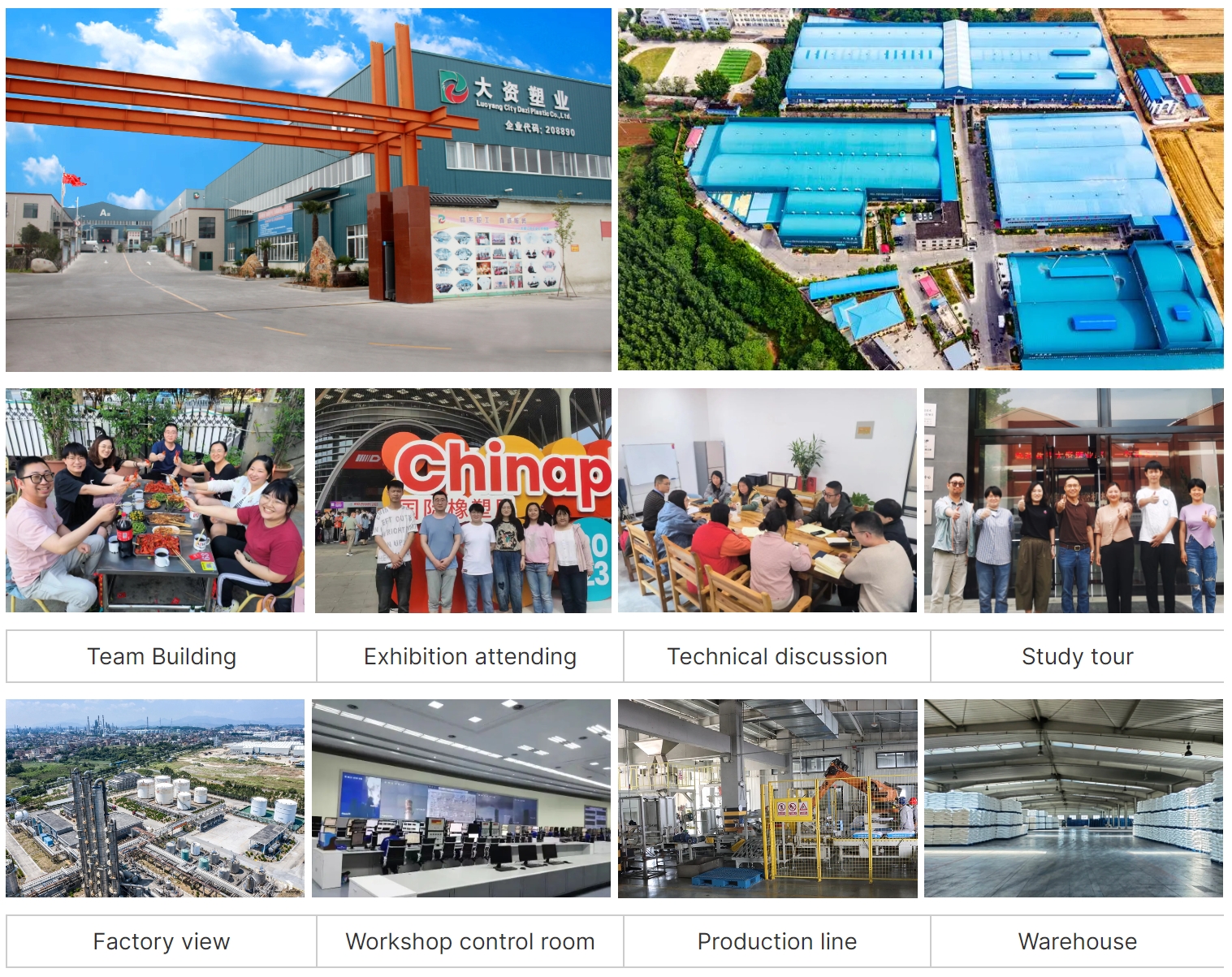



We have established long-term cooperative relations with more than 60+ well-known enterprises all over the world

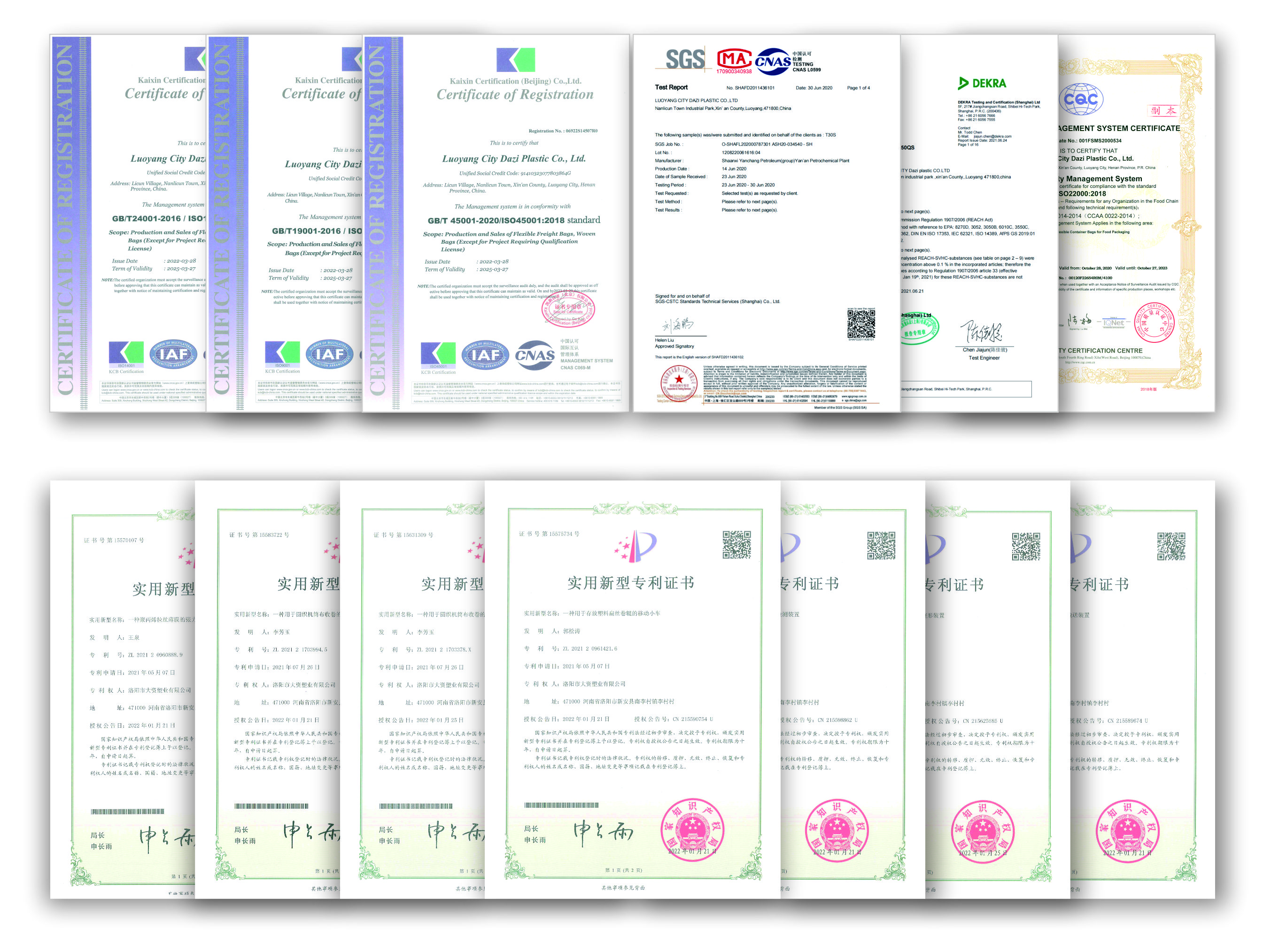
Our company has 12 certifications and 57+ patents.
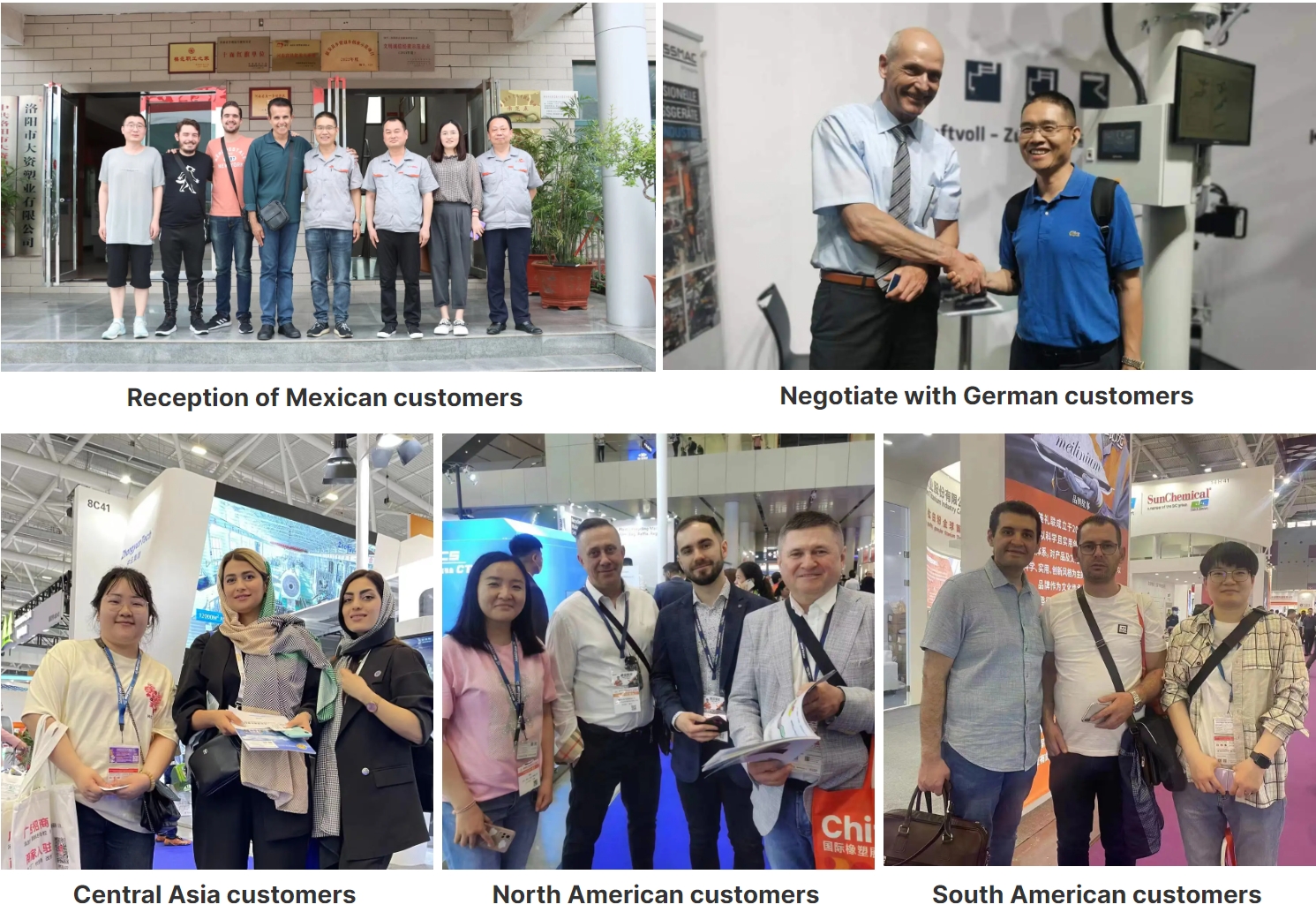
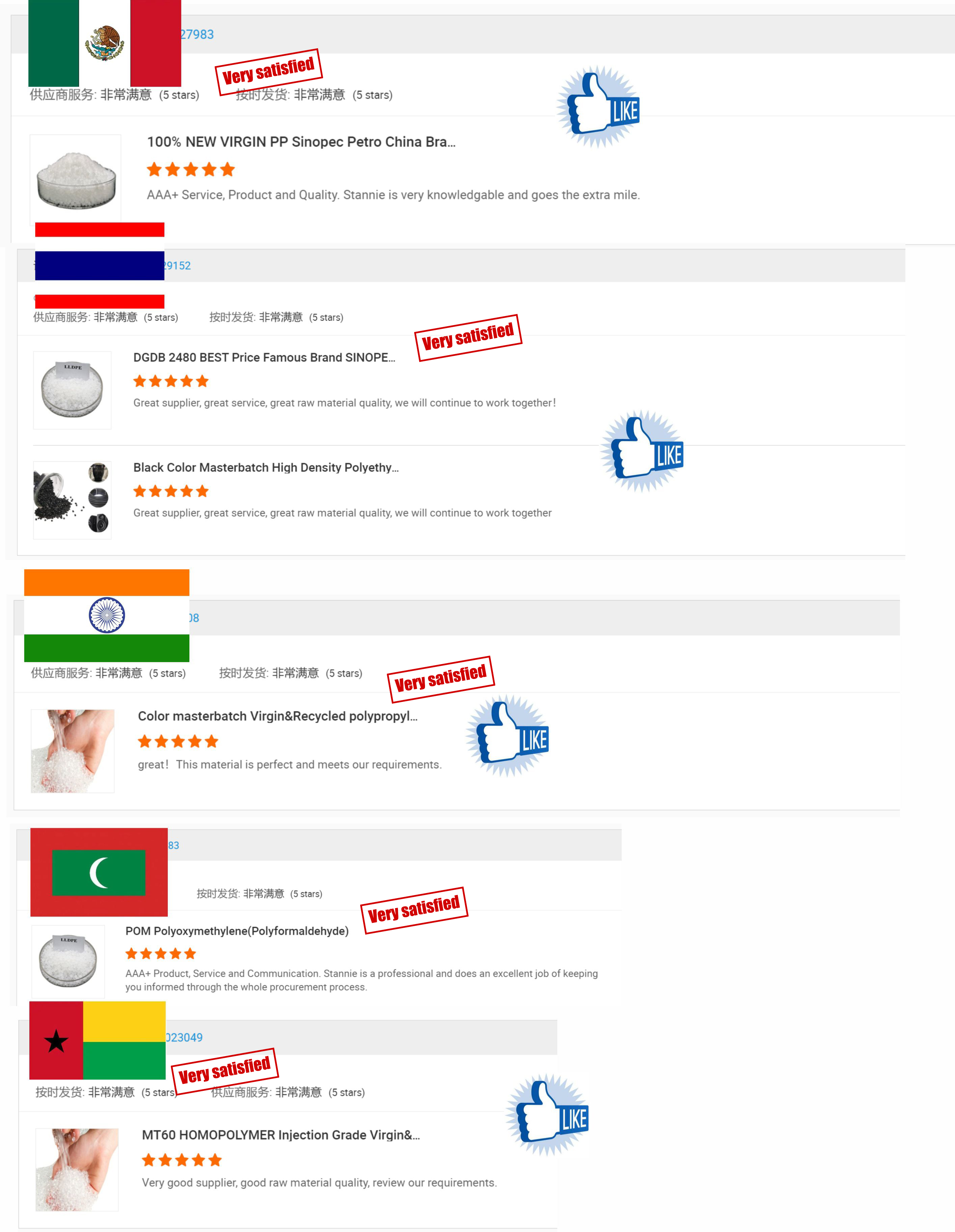

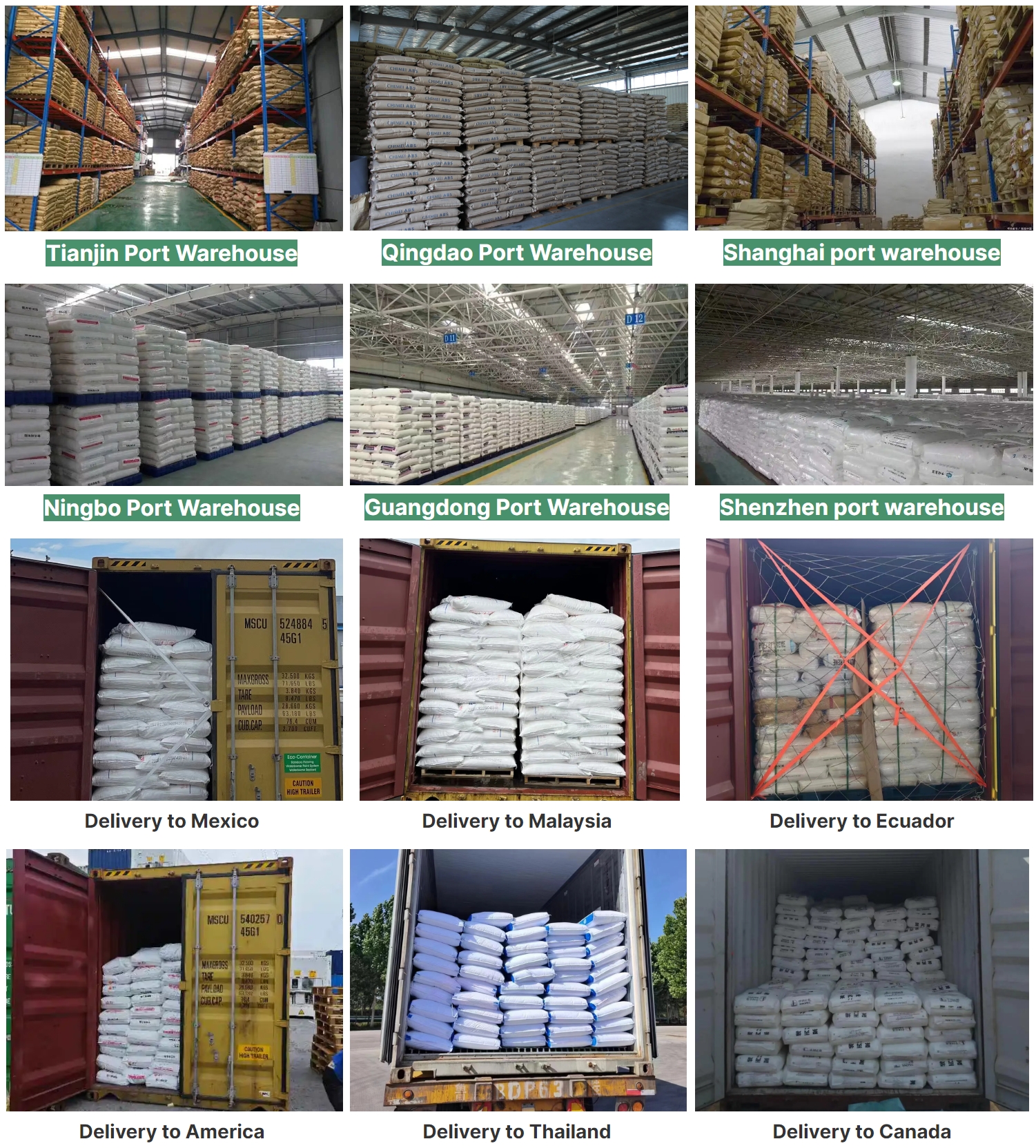
23 years' experience Professional purchasing consultant with a supply chain of 1200+ plastic raw materials in China.