Термопластичный эластомер SBS: идеальное сырье для компаундирования модифицированных пластмасс
2026-09-24 15:40:09
Modified plastic compounding relies heavily on high-performance functional modifiers to upgrade the inherent defects of generic resin matrices, including brittleness, poor low-temperature toughness, low elongation and rigid texture instability. Traditional rubber modifiers and rigid plastic blending agents often face industry bottlenecks such as poor resin compatibility, complex compounding processes, unstable batch performance and sacrificed material rigidity. SBS (Styrene-Butadiene-Styrene) thermoplastic elastomer, as a classic block copolymer with dual-phase molecular structure, integrates the high rigidity of polystyrene hard segments and the excellent elasticity of polybutadiene soft segments. With unique interfacial compatibility, tunable toughness and melt blending adaptability, it has become the most versatile and cost-effective core raw material for modern modified plastic compounding production.
Unique Dual-Phase Molecular Structure That Empowers Compounding Modification
The fundamental advantage of SBS in plastic modification lies in its microphase separation structure, which is completely different from single-component modifiers. The hard styrene segments provide structural support, mechanical hardness and dimensional stability, while the flexible butadiene rubber segments absorb external stress and impact energy. This microscopically separated and macroscopically uniform structure enables SBS to perfectly balance rigidity and toughness for modified plastics without causing softening deformation or strength attenuation.
Unlike conventional vulcanized rubber that requires complex cross-linking reactions, SBS features thermoplastic reversible physical cross-linking. It can achieve uniform melt blending with PP, PE, PS, ABS and other common resin matrices during twin-screw compounding, realizing one-time toughening modification. No additional vulcanization procedures are needed, greatly simplifying the compounding process and ensuring stable and repeatable modification effects for mass production.
Core Compounding Advantages of SBS for Plastic Modification
1. Universal Resin Compatibility Solves Blending Stratification
Most elastomeric modifiers suffer from poor compatibility with polyolefin and styrene-based resins, resulting in phase separation, surface mottling and mechanical performance degradation after compounding. As a styrene-based block copolymer, SBS has excellent interfacial affinity with mainstream plastic substrates. It can form tight interfacial bonding with resin molecules during melt extrusion, effectively eliminating blending defects such as delamination, poor fusion and uneven dispersion.
This universal compatibility enables SBS to serve as both a toughening agent and a compatibilizer in multi-resin alloy compounding. It bridges incompatible plastic matrices, improves the overall uniformity of modified materials, and lays a foundation for stable mechanical properties and consistent appearance of finished modified pellets.
2. Ultra-Low Temperature Toughness Improves Material Environmental Adaptability
Generic modified plastics often become brittle and prone to cracking in low-temperature environments, limiting their application in outdoor engineering, cold-chain transportation and northern regional products. SBS-modified compounds retain excellent ductility and impact resilience at temperatures as low as -40°C. The flexible butadiene segments can effectively disperse low-temperature stress, avoiding brittle fracture caused by molecular chain freezing and hardening.
Compared with EPDM and POE modifiers, SBS delivers more prominent low-temperature toughening efficiency at the same addition ratio. It significantly improves the cold resistance of PP modified materials, brittle resistance of recycled PS plastics and anti-cracking performance of general-purpose plastic alloys, expanding the service temperature range of modified plastic products.
3. Balanced Rigidity & Toughness Without Sacrificing Structural Stability
A common dilemma in plastic modification is that excessive toughening leads to reduced hardness, creep resistance and dimensional stability. Many flexible modifiers will make rigid plastic materials soft and deformable after blending, failing structural part application standards. SBS solves this industry pain point through precise dual-phase structure matching. The hard segment locking structure ensures the tensile strength, surface hardness and creep resistance of modified plastics, while the soft segment provides impact toughness and bending resistance.
Modified compound materials blended with SBS achieve a perfect balance of rigid support and flexible buffer. They maintain stable structural shape under long-term static load and avoid cracking and damage under dynamic impact and frequent bending, meeting the dual performance requirements of structural rigidity and safety toughness for industrial plastic parts.
4. Excellent Compounding Processability & High Yield Rate
SBS has a moderate melting point and stable melt fluidity, which is highly compatible with conventional twin-screw compounding and granulation processes. It features low shear sensitivity and uniform melt dispersion during high-temperature blending, effectively reducing defective problems such as material agglomeration, particle bubbles and uneven color dispersion.
In recycled plastic modification and filler-filled compounding scenarios, SBS can wrap inorganic fillers and recycled impurity molecules, improve the fusion degree of filler and resin matrix, and reduce the probability of product defects such as brittle spots and surface cracks. It effectively improves the finished product yield of modified pellets and reduces rework and waste costs in compounding production.
5. Tunable Formula for Diversified Customized Modification
SBS molecular proportion can be adjusted according to customized compounding demands. By changing the styrene-butadiene ratio and block structure, manufacturers can produce high-hardness toughening grades, ultra-soft flexible grades and high-elasticity modified grades. It supports personalized formula development for different scenarios including rigid engineering plastics, flexible soft-profile materials and shock-absorbing special plastics.
In addition, SBS can be compounded with flame retardants, anti-UV agents, color masterbatches and anti-aging additives to realize integrated multi-functional modification, producing flame-retardant toughened plastics, weather-resistant modified materials and anti-aging plastic alloys, greatly enriching the product line of modified compound factories.
Typical Industrial Compounding Application Scenarios
Relying on its powerful modification performance, SBS has become a universal core raw material in the modified plastic industry, covering mainstream compounding fields:
-
Polyolefin modification:PP/PE toughening and low-temperature resistance upgrading for automotive interior parts, household appliance shells and daily plastic products
-
Recycled plastic compounding:Toughening and performance restoration of recycled PP, PS and ABS materials to reduce performance attenuation of recycled resources
-
Plastic alloy blending:Used as a compatibilizer and toughener for multi-resin alloy materials to solve blending incompatibility and brittle failure
-
Flexible modified materials:Soft touch plastic compounds for sealing strips, flexible gaskets, anti-slip accessories and wearable plastic parts
SBS vs Traditional Modifiers: Compounding Performance Comparison
Compared with traditional rubber toughening agents, SBS requires no vulcanization treatment, features simpler compounding process and higher production efficiency. Compared with POE modifiers, SBS has lower cost and higher toughening efficiency for general-grade modified plastics, with better batch stability. Compared with rigid filling modifiers, SBS will not reduce the tensile strength and bending resistance of materials, realizing performance upgrading rather than performance compromise. These comprehensive advantages make SBS the most cost-effective universal modifier for large-scale modified compounding production.
Conclusion
SBS Thermoplastic Elastomer stands as the ideal raw material for modified plastic compounding by virtue of its unique dual-phase molecular structure, universal resin compatibility, ultra-low temperature toughening performance and flexible formula tunability. It solves the core pain points of poor compatibility, unbalanced rigidity-toughness and complex processing existing in traditional plastic modification schemes. It not only improves the mechanical strength, environmental adaptability and finished product yield of modified plastics, but also supports diversified customized functional compounding. For modern modified plastic processing enterprises, SBS is a high-efficiency, low-cost and multi-functional core modifier that drives product performance upgrading and market competitiveness improvement.




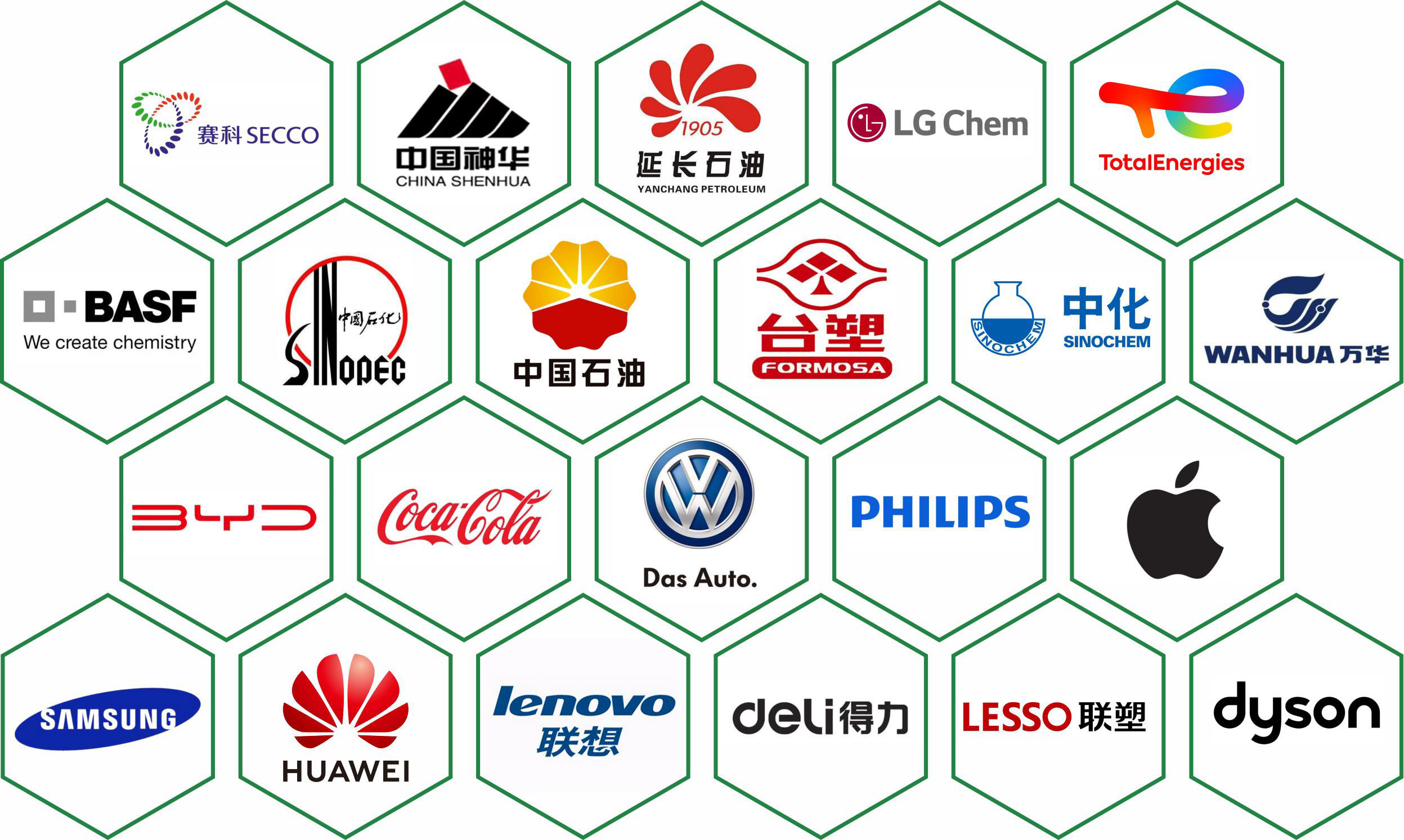
We have established long-term cooperative relations with more than 60+ well-known enterprises all over the world

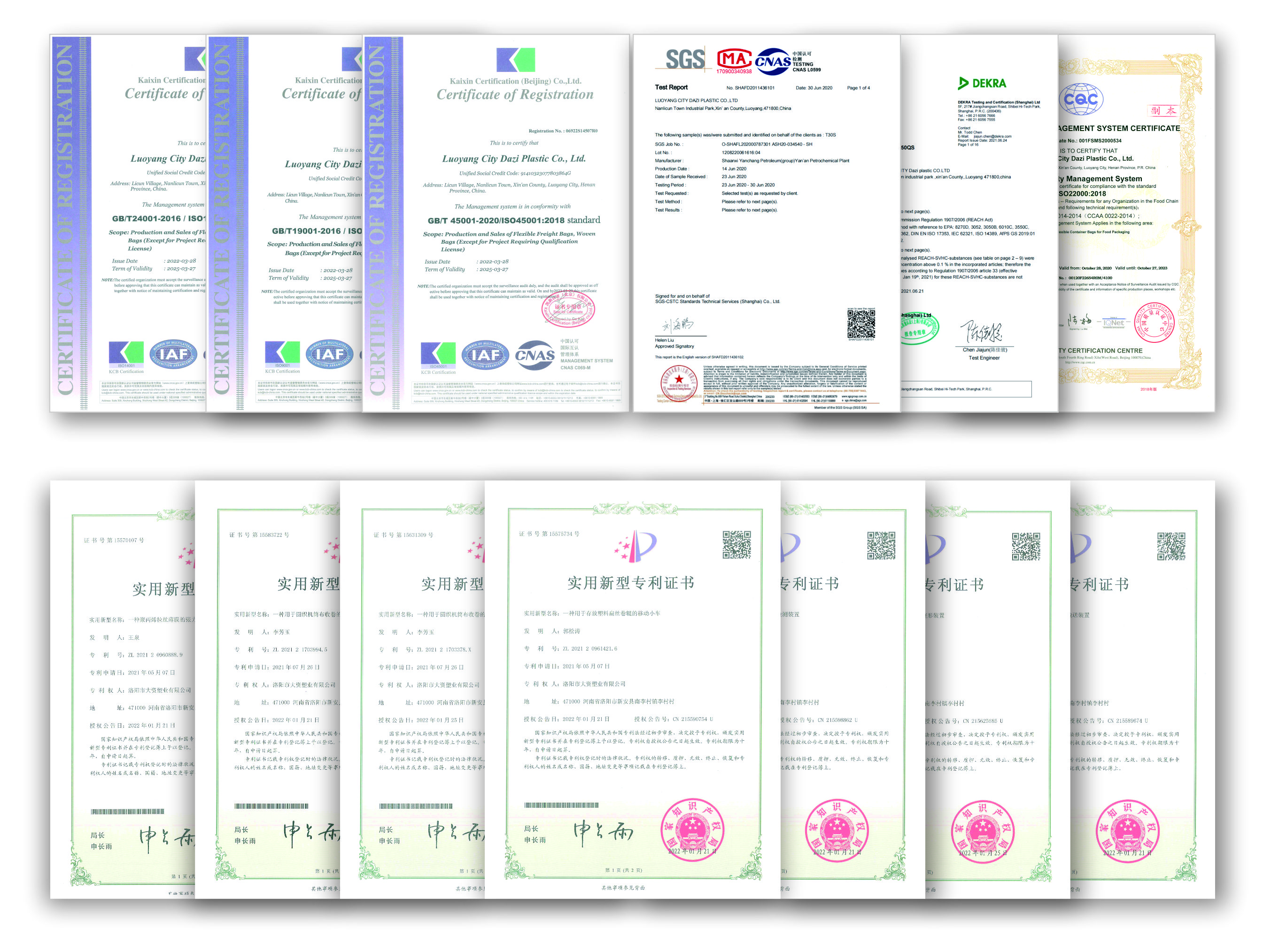
Our company has 12 certifications and 57+ patents.
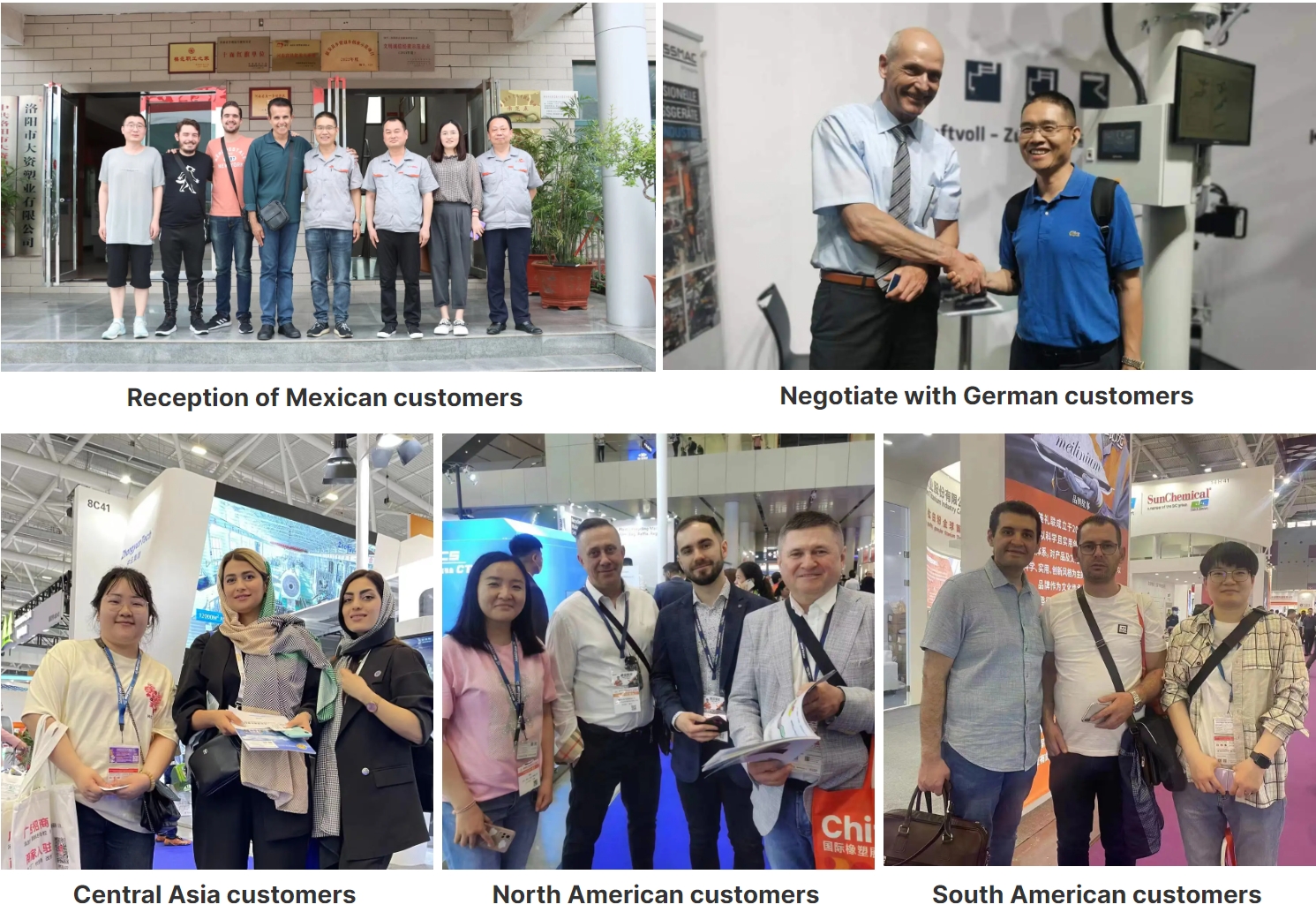
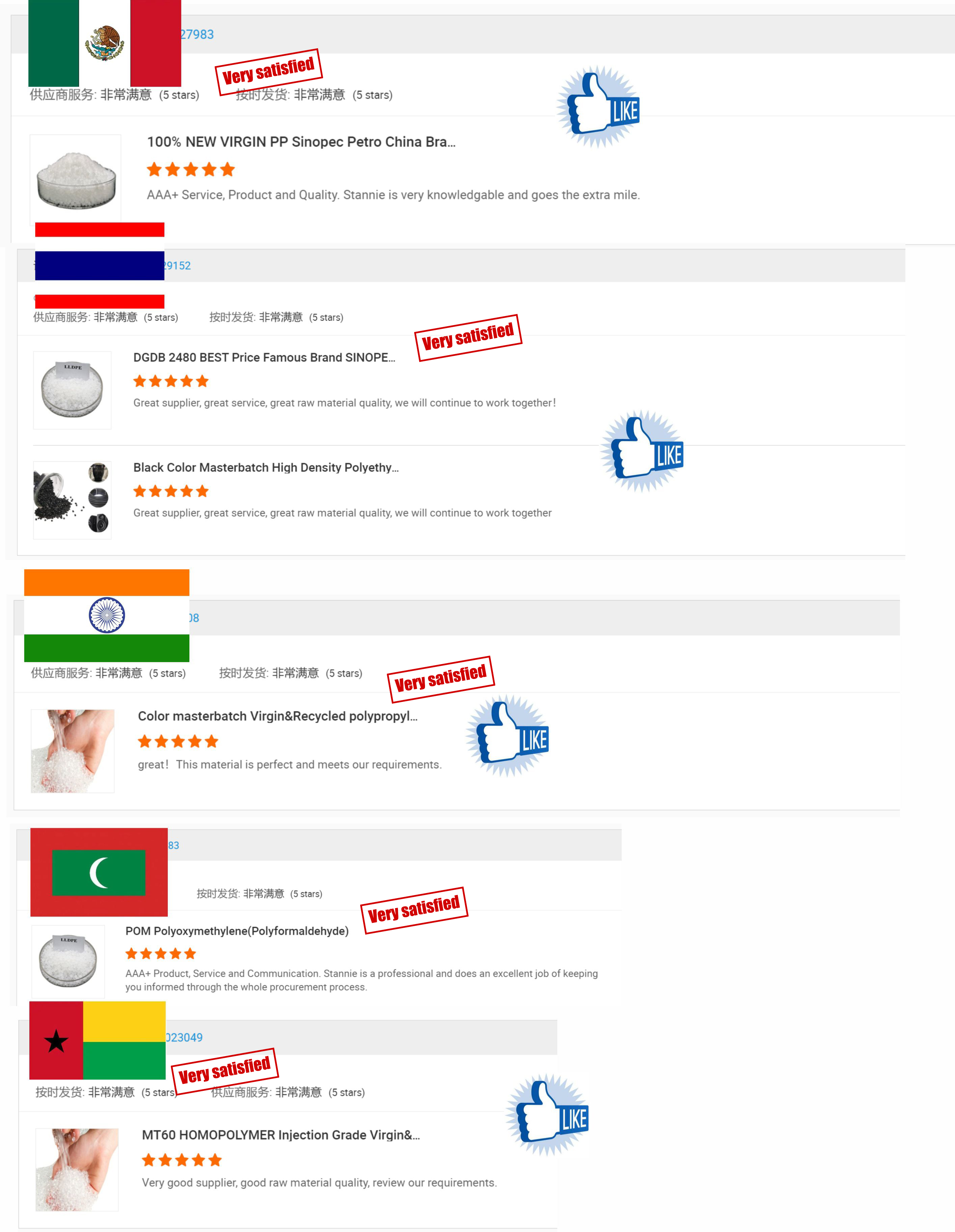

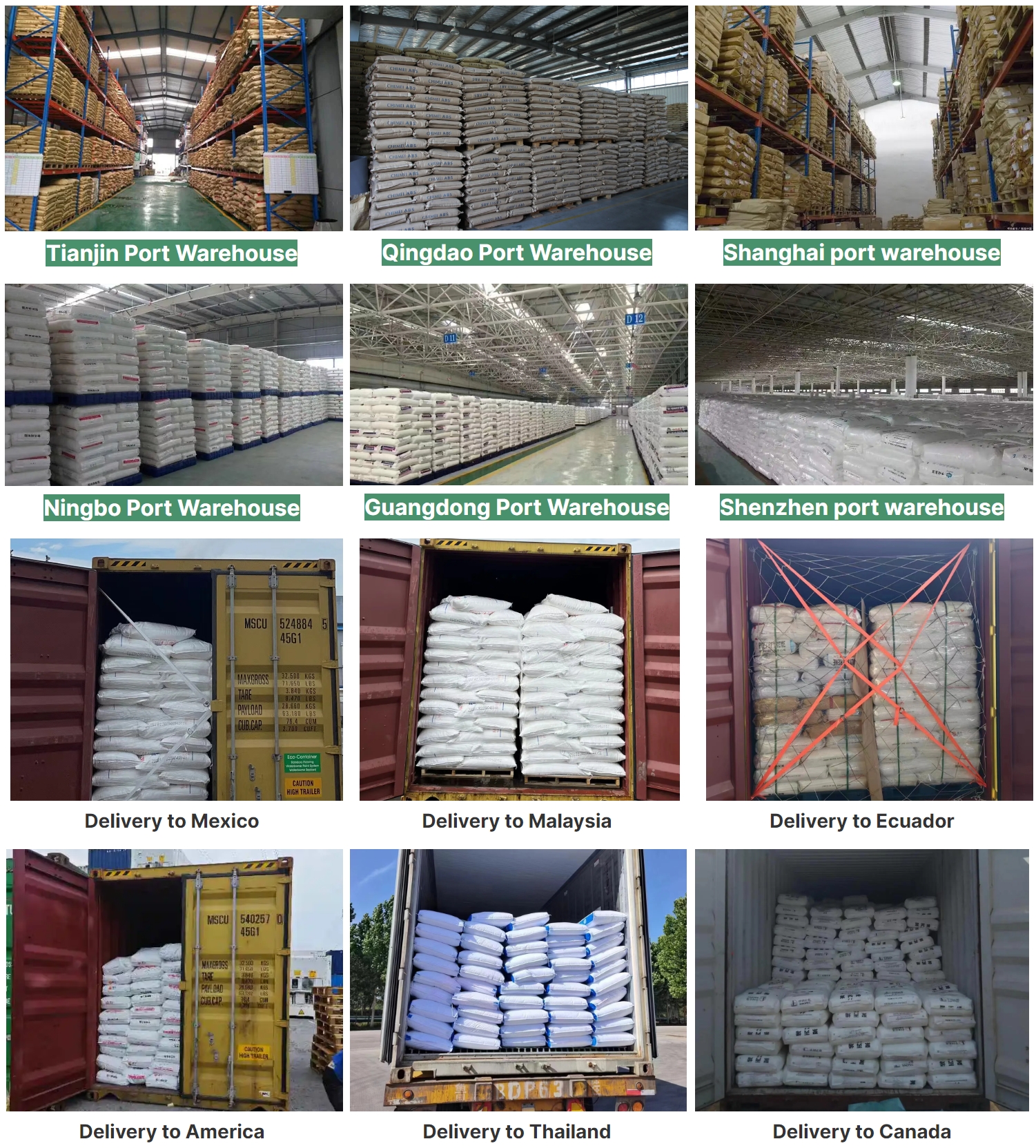
23 years' experience Professional purchasing consultant with a supply chain of 1200+ plastic raw materials in China.