Первичные гранулы ПЭ высокой вязкости, устойчивые к проколам и холоду, для сверхпрочных пленок и внутренних вкладышей
2026-11-03 10:41:38
Industrial Film Works at the Edge of Material Limits
Heavy-duty film and inner liners are not decorative packaging. A FIBC liner sits against sharp mineral granules and is dropped, squeezed and shaken through an entire logistics chain; a heavy-duty industrial film is dragged over rough floors, wrapped around abrasive goods and stored through freezing winters. Failures happen exactly where the material is thinnest and the service is harshest: a puncture from a sharp edge, a tear that starts at a crease, a brittle crack at low temperature. High toughness virgin PE pellets are engineered against precisely these failure modes — delivering the puncture resistance, cold performance and purity that let heavy-duty film and inner liners do their job without surprises.
Why Virgin Resin Is the Foundation
The word virgin matters more in film than in any other PE application, because film cannot hide defects. Recycled and off-grade resins carry contaminants, inconsistent molecular weight and degraded fractions that appear in the film as gels, specks, weak spots and odor. In a heavy-duty liner, any weak spot is a potential leak; in a heavy-duty film, any spec is a tear initiation point under tension.
Virgin PE pellets deliver a clean, consistent polymer: uniform molecular weight distribution, controlled additive levels and no foreign particles. The payoff is film that draws down consistently, extrudes without gels, meets mechanical test values batch after batch, and carries the food- or cargo-contact cleanliness that many industrial applications require. For converters, virgin resin turns quality from something that must be inspected into something that is designed in.
Puncture Resistance: Toughness in Action
Puncture resistance is the film's ability to absorb a concentrated blow without tearing — the difference between a bag that flexes around a sharp object and one that fails on contact. Three properties work together:
-
High dart impact strength: the film absorbs the energy of a falling impact instead of rupturing.
-
High tear resistance: once a nick forms, the film resists the tear propagating across the sheet.
-
High elongation at break: the film stretches under stress rather than fracturing, redistributing load away from the damaged point.
High toughness PE grades balance these properties with the crystallinity and molecular architecture of the resin, producing film that survives the sharp granules, pallet corners and rough handling that heavy-duty service throws at it.
Cold Resistance: Keeping Toughness at Low Temperature
Many PE films that perform well at room temperature turn brittle when the thermometer drops. In cold climates, winter warehouses and refrigerated logistics, films are flexed, dropped and transported at temperatures where ordinary grades lose their ductility and crack instead of bending.
Cold resistance depends on the polymer's glass transition and crystalline behavior. Properly selected high toughness PE maintains flexibility and impact strength at sub-zero temperatures because its molecular structure delays the embrittlement that affects more crystalline grades. The practical test is not the brochure — it is the low-temperature impact and flex-crack tests that simulate winter handling. For inner liners carrying moisture-sensitive cargo in cold transit, and heavy-duty films stored in unheated yards, this cold-weather toughness is what keeps the package intact when it matters most.
Two Applications, One Resin Family
|
Application
|
Service Demands
|
Why High Toughness Virgin PE
|
|---|---|---|
|
FIBC inner liners
|
Sharp contents, repeated handling, leak-free
|
Puncture resistance, clean and consistent film
|
|
Heavy-duty packaging film
|
Bags, covers, wrapping for abrasive goods
|
Tear resistance, toughness at thin gauges
|
|
Cold-chain & winter logistics film
|
Sub-zero storage and transport
|
Low-temperature impact and flex performance
|
|
Industrial container liners
|
Bulk cargo separation, cleanliness
|
Virgin purity, no contamination transfer
|
Processing the Film Without Losing Toughness
Film toughness is built in the resin but preserved in the process. On a blown film line, the melt temperature and blow-up ratio influence the orientation and crystallinity of the film, and aggressive conditions can rob a good resin of its puncture and cold performance. Matching the melt index of the pellets to the line's equipment — higher throughput lines favor appropriately balanced flow grades — keeps the film strong while running economically. Consistent pellet shape and low moisture pick-up also protect extrusion stability and film quality across shifts.
Selection Checklist for Heavy-duty Film & Liner Resin
-
Confirm the resin is virgin grade and request certificate of analysis covering purity and consistency.
-
Review dart impact, tear and elongation data at the gauge you intend to produce.
-
Request low-temperature impact or flex-crack test results for cold-service applications.
-
Match melt index to your film line's output and cooling capability.
-
Verify gel count and fish-eye levels for clean, leak-free film.
-
Confirm lot-to-lot consistency of density, MI and mechanical properties for stable production.
Conclusion
High toughness virgin PE pellets give heavy-duty film and inner liners the properties that decide whether packaging survives its job: puncture resistance that absorbs sharp blows, cold resistance that keeps films ductile in freezing service, and virgin purity that removes the weak spots recycled material brings. For film converters and liner producers, the choice is not just about price per kilogram — it is about film that extrudes cleanly, tests consistently and protects the cargo through the roughest part of the supply chain.




We have established long-term cooperative relations with more than 60+ well-known enterprises all over the world

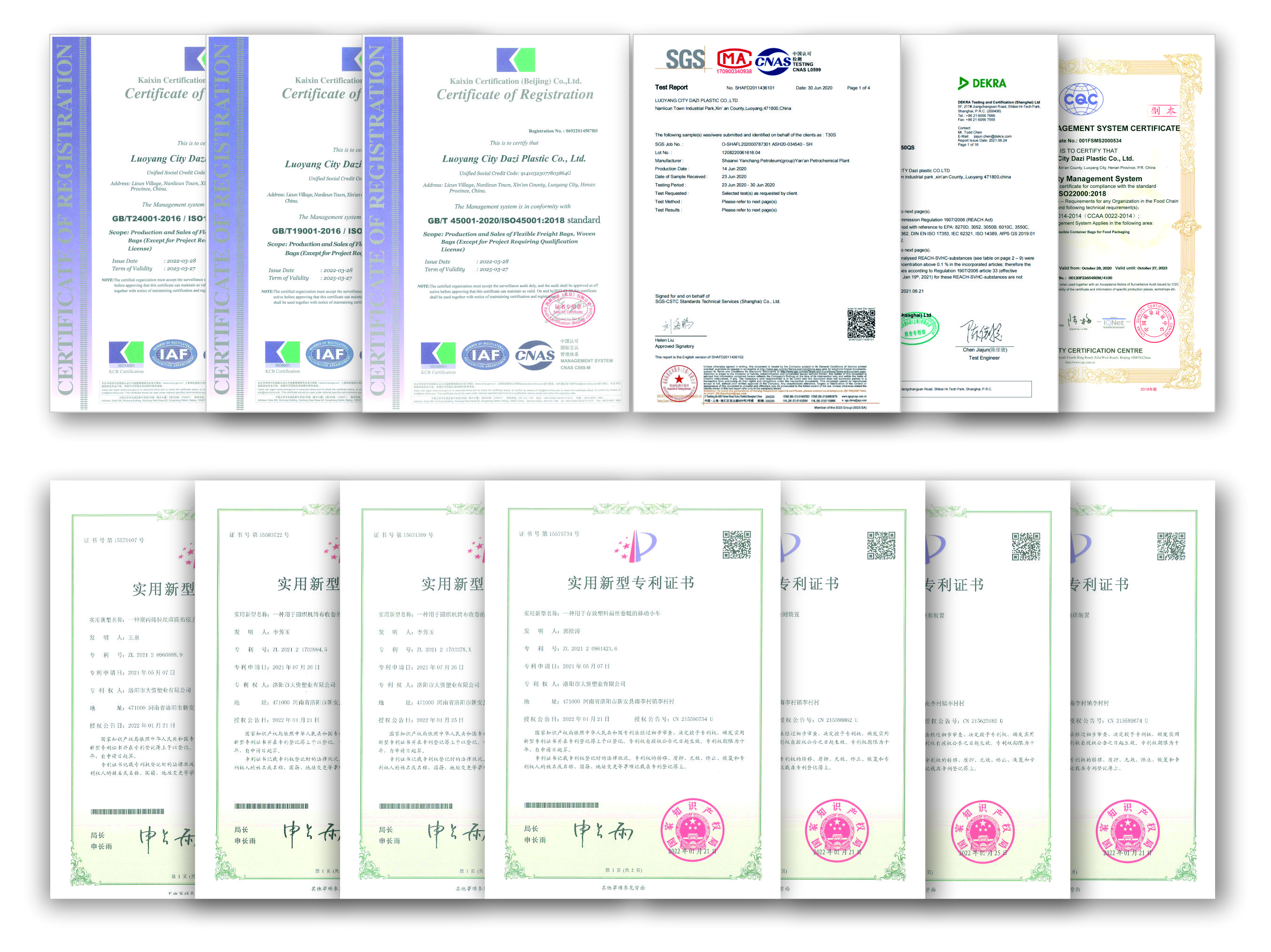
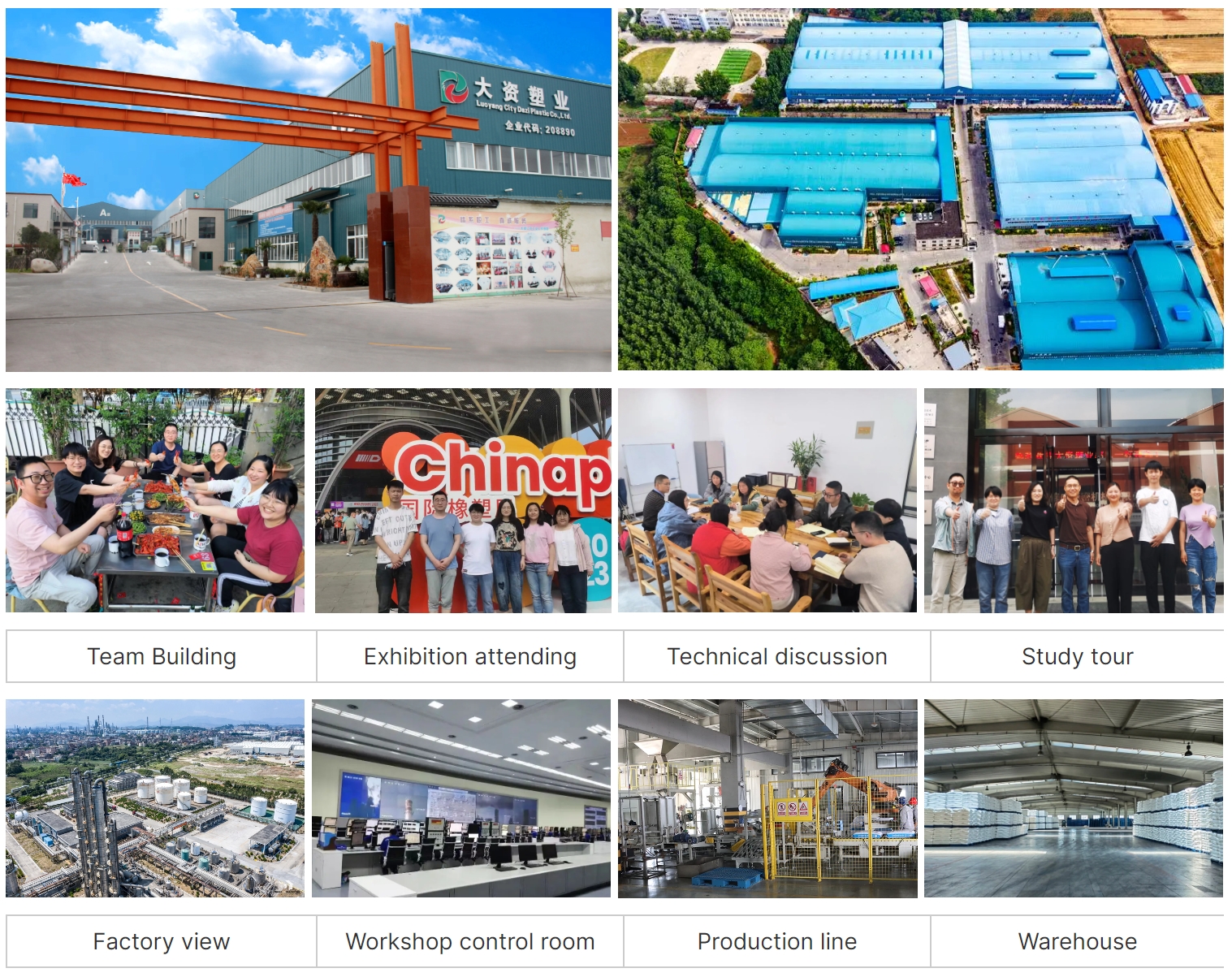
Our company has 12 certifications and 57+ patents.
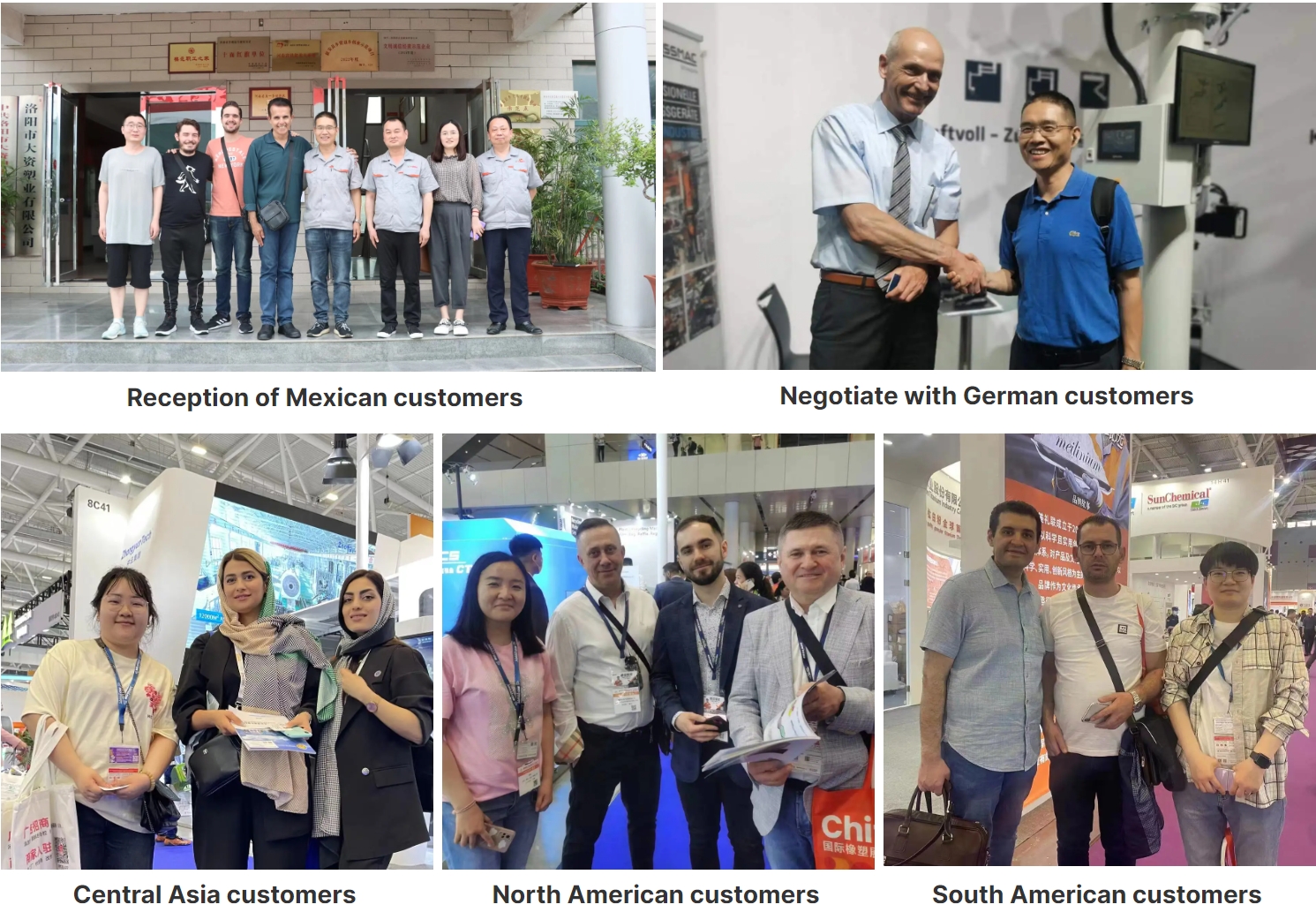
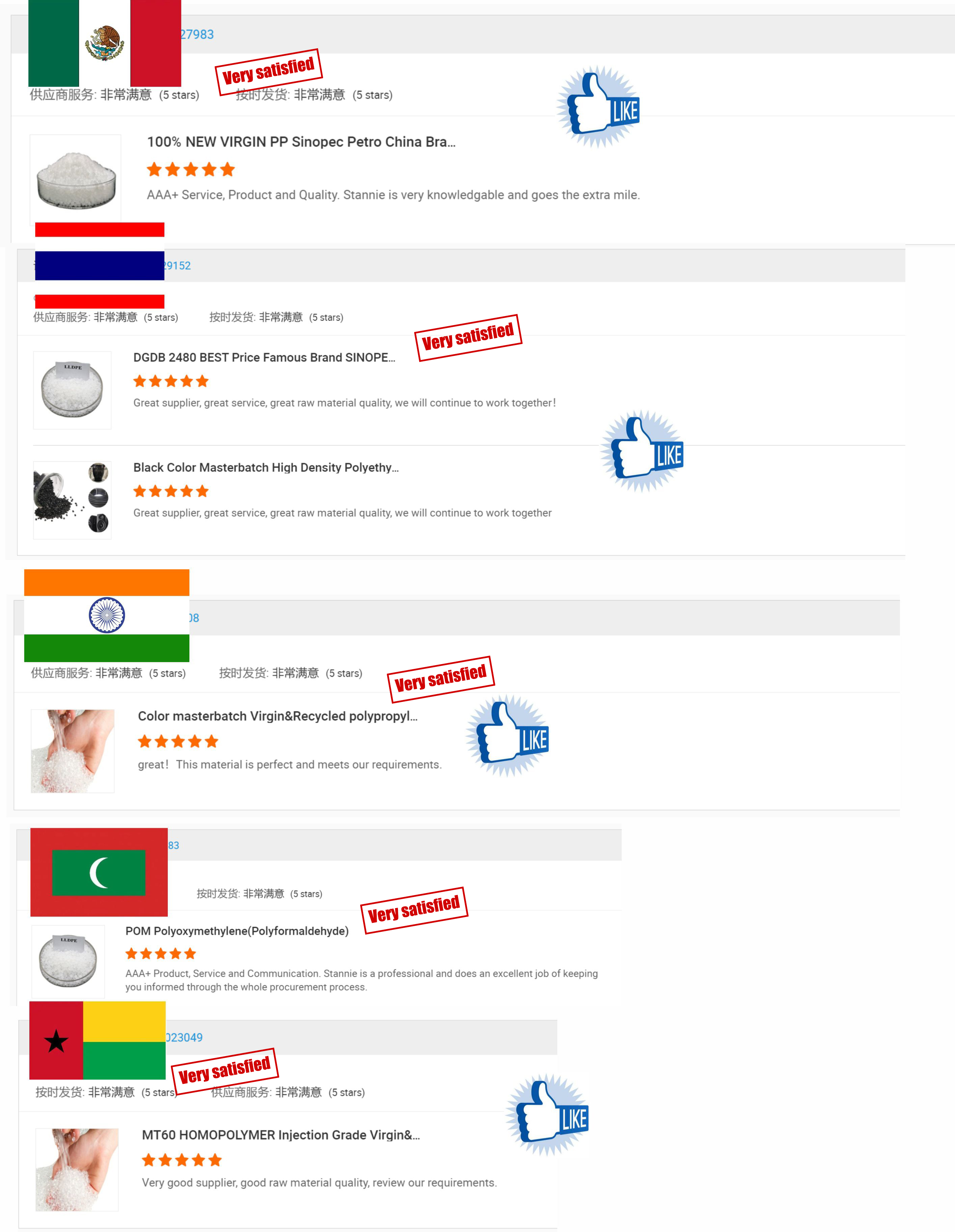

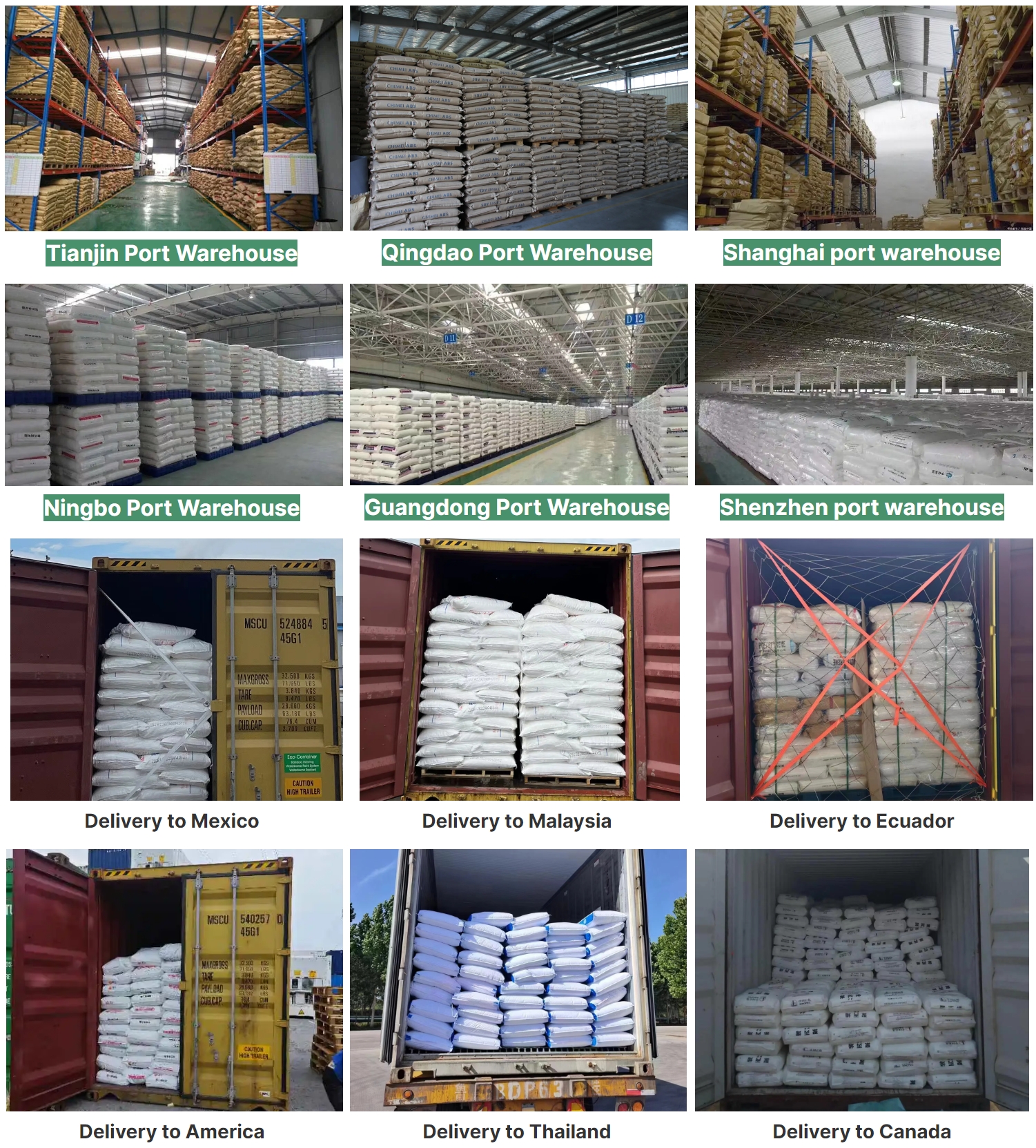
23 years' experience Professional purchasing consultant with a supply chain of 1200+ plastic raw materials in China.