Пищевые гранулы PP с низким запахом, стабильный MFI для тонкостенного литья под давлением
2026-11-17 09:35:40
The Hidden Cost of MFI Drift in Multi-Cavity Thin-Wall Molds
Thin-wall injection is a game of milliseconds. Multi-cavity molds for food containers, cups and lids are engineered around a narrow process window: fill time, pack pressure and cooling cycle are locked once the mold is validated. Most processors treat melt flow index as a static number on the datasheet, but real production losses come from batch-to-batch MFI variation. Even a small shift changes how the polymer spreads through ultra-thin runners and cavity gaps. Too high, and flash, short shots and uneven part weight appear; too low, and the flow front stalls before filling completes, triggering scrap, mold cleaning and unplanned downtime.
Low odor food grade PP pellets with tightly controlled, stable MFI are formulated for this high-tempo environment. The consistency is not achieved by simple blending, but by controlled molecular weight distribution and stable additive packages. That stability preserves the validated molding recipe, so the line runs at the designed cycle instead of constant parameter tuning.
Low Odor: Not a Sensory Bonus, a Food-Contact Boundary
Odor in PP originates from residual catalyst fragments, low-molecular oligomers, oxidation byproducts and volatile additives released during shear and heat. For non-food goods, faint plastic odor can be tolerated. For food packaging, it contaminates flavor, triggers customer complaints and fails regulatory migration tests.
This grade is produced with low-volatility catalyst systems and post-polymerization devolatilization, reducing extractables before pelletization. It avoids heavy masking agents, which create a false neutral scent and may introduce non-compliant migrating substances. The target is intrinsic odor neutrality: the finished part does not transfer off-flavor to water, dairy, ready meals or dry food, even after hot filling, microwave heating or prolonged contact.
Food-grade compliance is documented for the resin itself, matching destination standards including FDA 21 CFR 177.1520 and EU 10/2011. Compliance extends beyond the base polymer: stabilizers, slip agents and nucleators are all selected for food contact, eliminating hidden contamination paths that often appear when generic PP is modified on-site.
What Stable MFI Actually Delivers in Thin-Wall Forming
Thin-wall molding relies on balanced flow and fast setting. A consistent MFI profile delivers three interconnected production benefits:
- Uniform fill across all cavities: In 8-cavity, 16-cavity or higher molds, identical flow behavior ensures every cavity fills at the same rate. Weight variation per part narrows, and reject rates from underfill or over-pack drop.
- Predictable demolding and cycle locking: Crystallization speed pairs with flow stability. The processor can fix cooling time rather than extending it to compensate for variable melt behavior, lifting hourly output.
- Reduced internal stress: Erratic flow creates uneven shear and residual stress. Stable MFI reduces stress marks, warpage and post-molding shrinkage drift, critical for lids and snap-fit parts that need precise closure dimensions.
This does not mean the material is overly fluid. It balances flowability with enough rigidity and impact resistance so ultra-thin parts do not collapse after ejection.
Processing Trade-off: Odor Control vs Shear Heat
A common failure mode for low-odor PP in thin-wall jobs: the formulation sacrifices thermal stability to cut volatiles. Under high shear in thin runners, the resin degrades, releasing odor mid-process and creating silver streaks or surface defects. This grade is balanced to resist thermo-oxidative breakdown during repeated high-shear molding. Its stabilizer package suppresses chain scission at typical thin-wall processing temperatures, so low odor is maintained not only in the raw pellet, but also in the finished injection part.
Failure Modes and Material Response
表格
| Production Risk | Root Cause | Design Response of This PP Grade |
|---|---|---|
| Cavity imbalance, variable part weight | MFI batch fluctuation | Narrow molecular weight distribution, tight MFI tolerance |
| Food taint and off-flavor | Low molecular volatiles, residual catalyst | Devolatilization process, food-safe low-extractable additive set |
| Silver streaks, surface haze | Thermal degradation under shear | Heat-resistant stabilizer, low volatile formulation |
| Warpage, poor lid fit | Uncontrolled shrinkage and residual stress | Consistent flow, controlled nucleation, uniform crystallinity |
| Short shot on thin sections | Insufficient flow at stable process settings | Optimized flow for thin-wall long-path filling |
Selection Checklist for Buyers
- Confirm MFI tolerance range and request batch test certificates for each shipment, not just generic datasheet values.
- Verify food-contact compliance documents for the exact additive package, not only the base PP resin.
- Specify maximum allowable odor grade and volatile content, with agreed test method.
- Match the grade to your mold wall thickness, cavity count and cycle target.
- Run a qualification trial on your existing machine to confirm no recipe adjustment is required.
- Check post-heating odor and migration if the product will be hot-filled or microwaveable.
Conclusion
Thin-wall food packaging injection is a precision balancing act. Stable MFI removes the biggest variable that disrupts multi-cavity production, while intrinsic low odor protects the sensory quality and regulatory status of packed food. Low Odor Food Grade PP Pellets are engineered so consistency survives both the pellet warehouse and the high-shear mold. For converters running high-speed food packaging lines, the value is simple: fewer stops, fewer rejects, and packaging that does not alter the taste of the product inside.


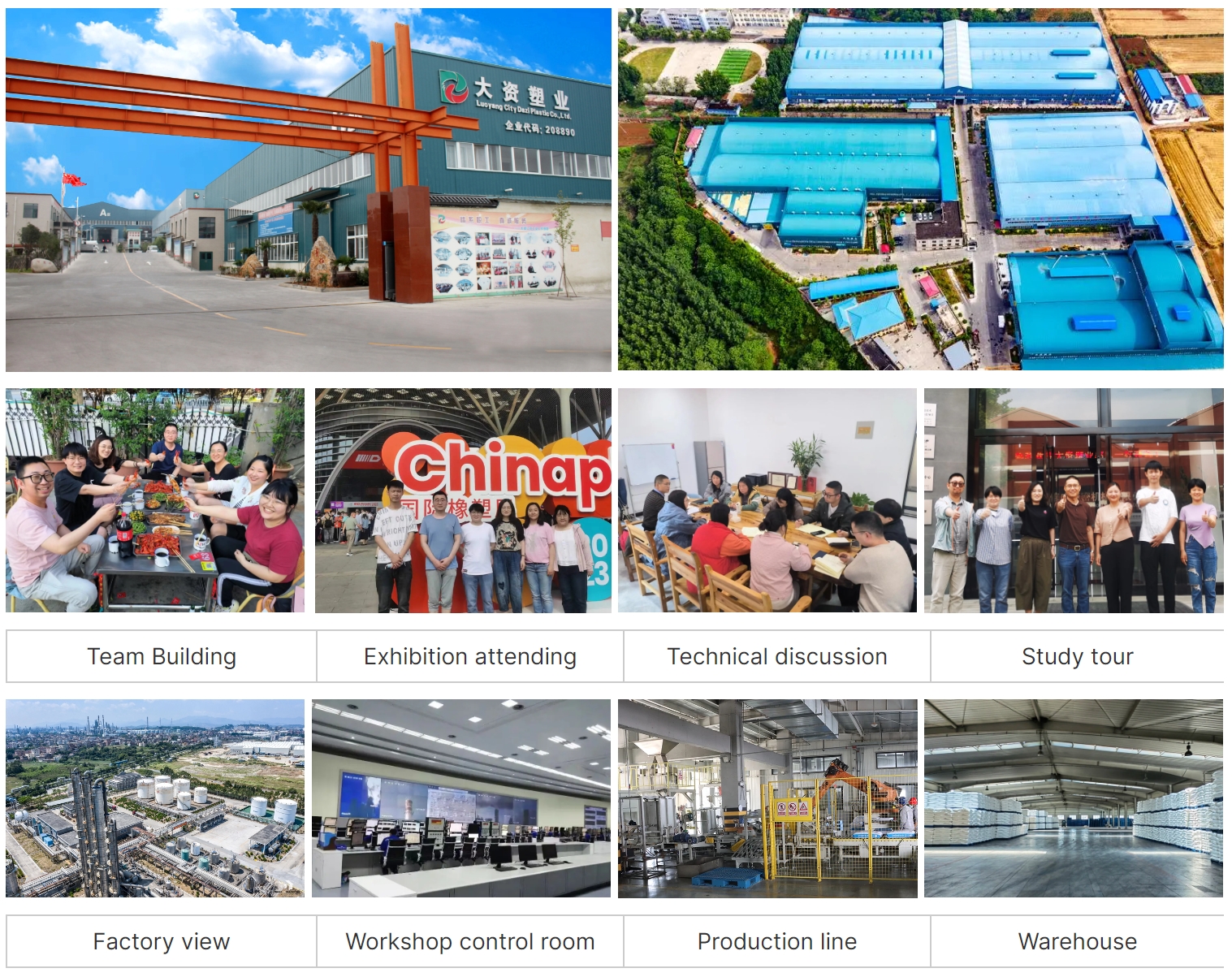

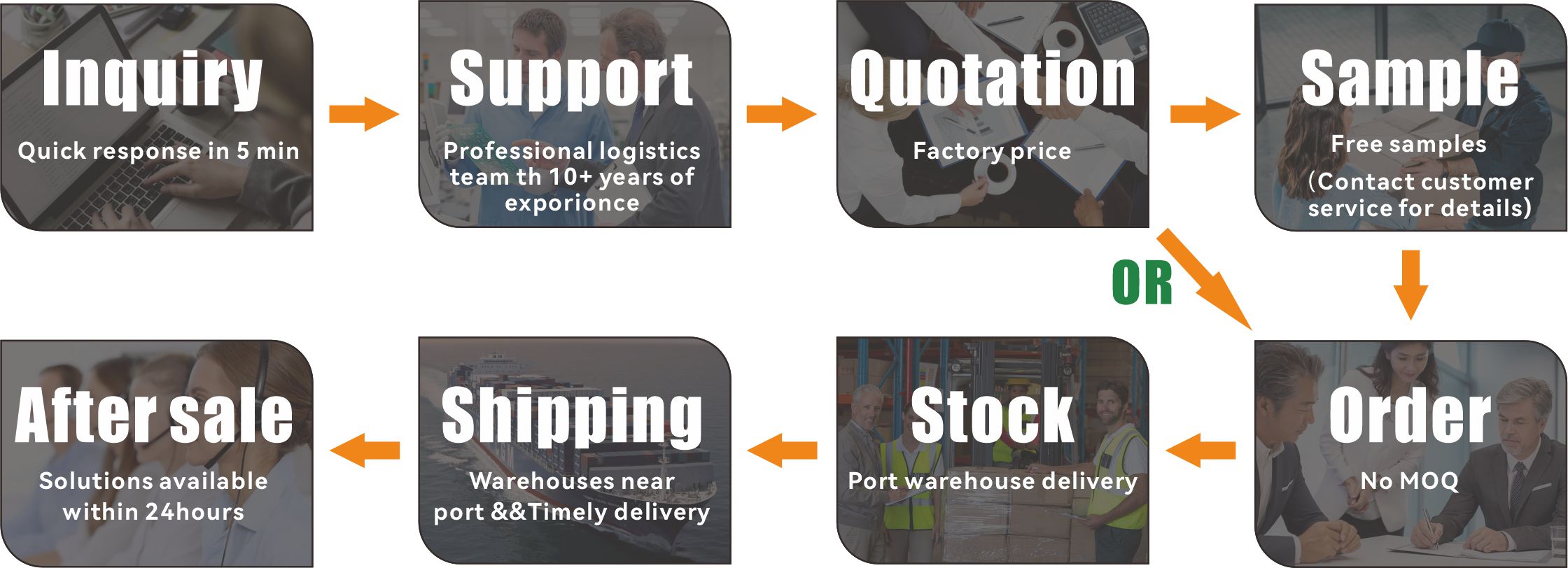

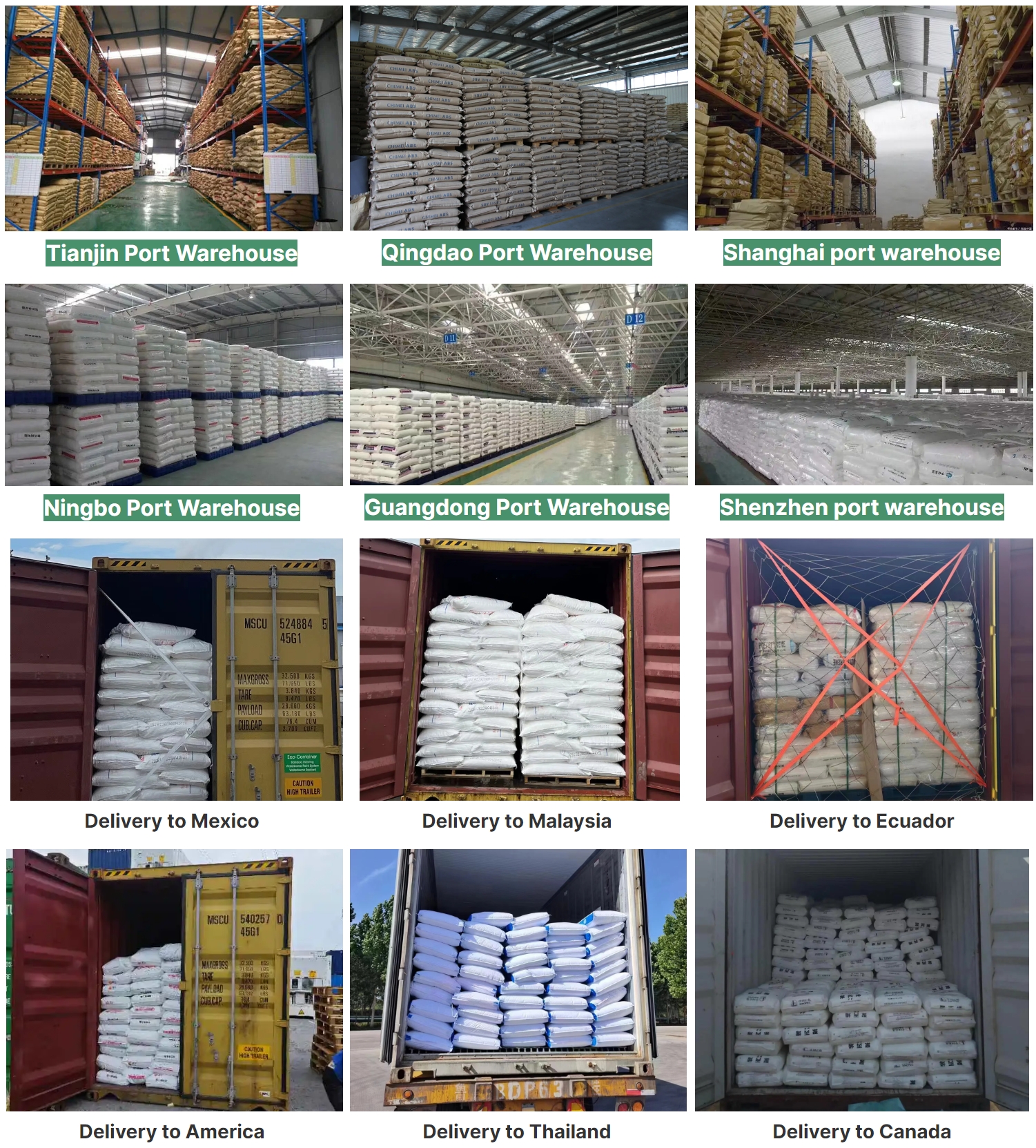
We have established long-term cooperative relations with more than 60+ well-known enterprises all over the world

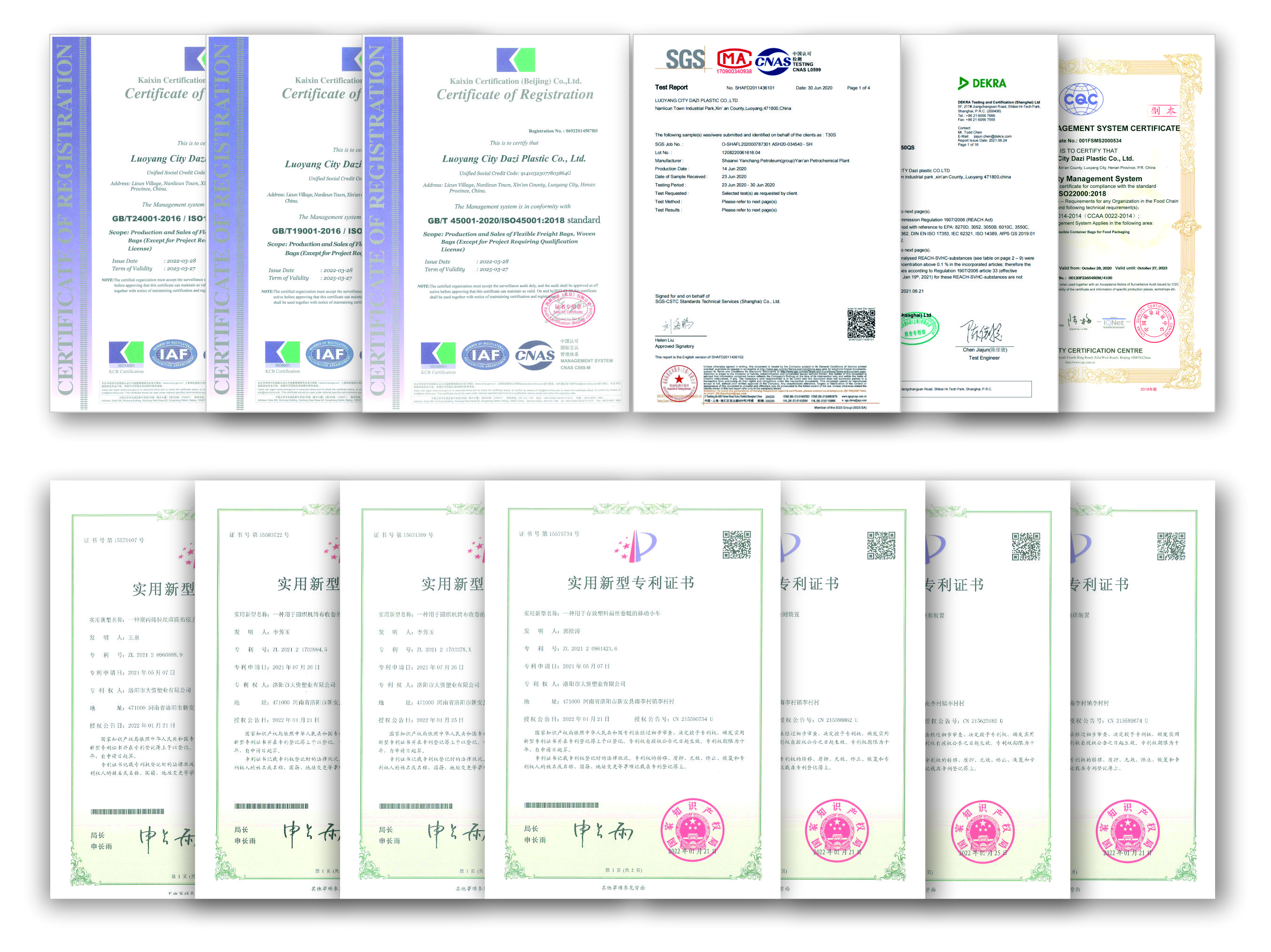
Our company has 12 certifications and 57+ patents.
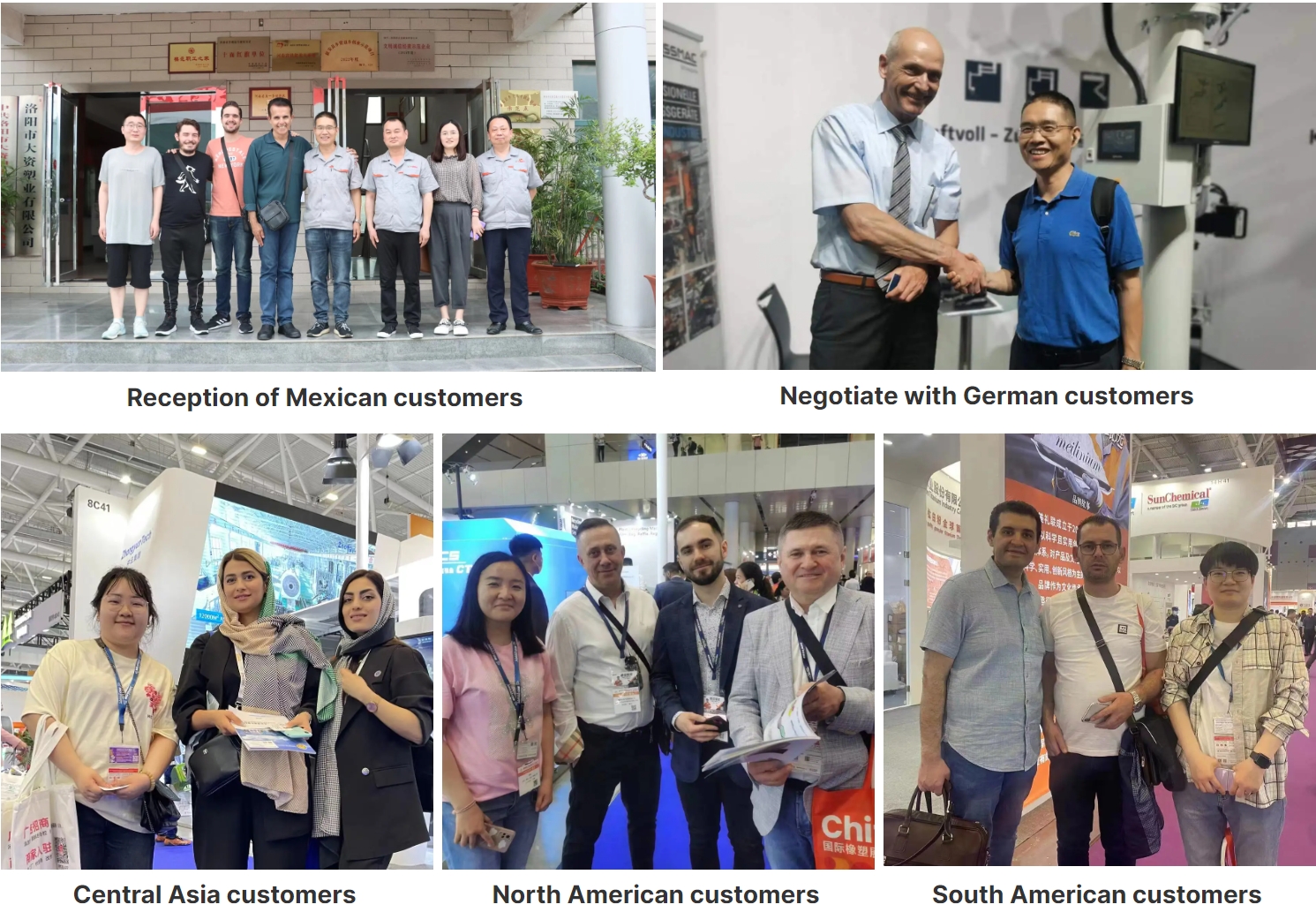
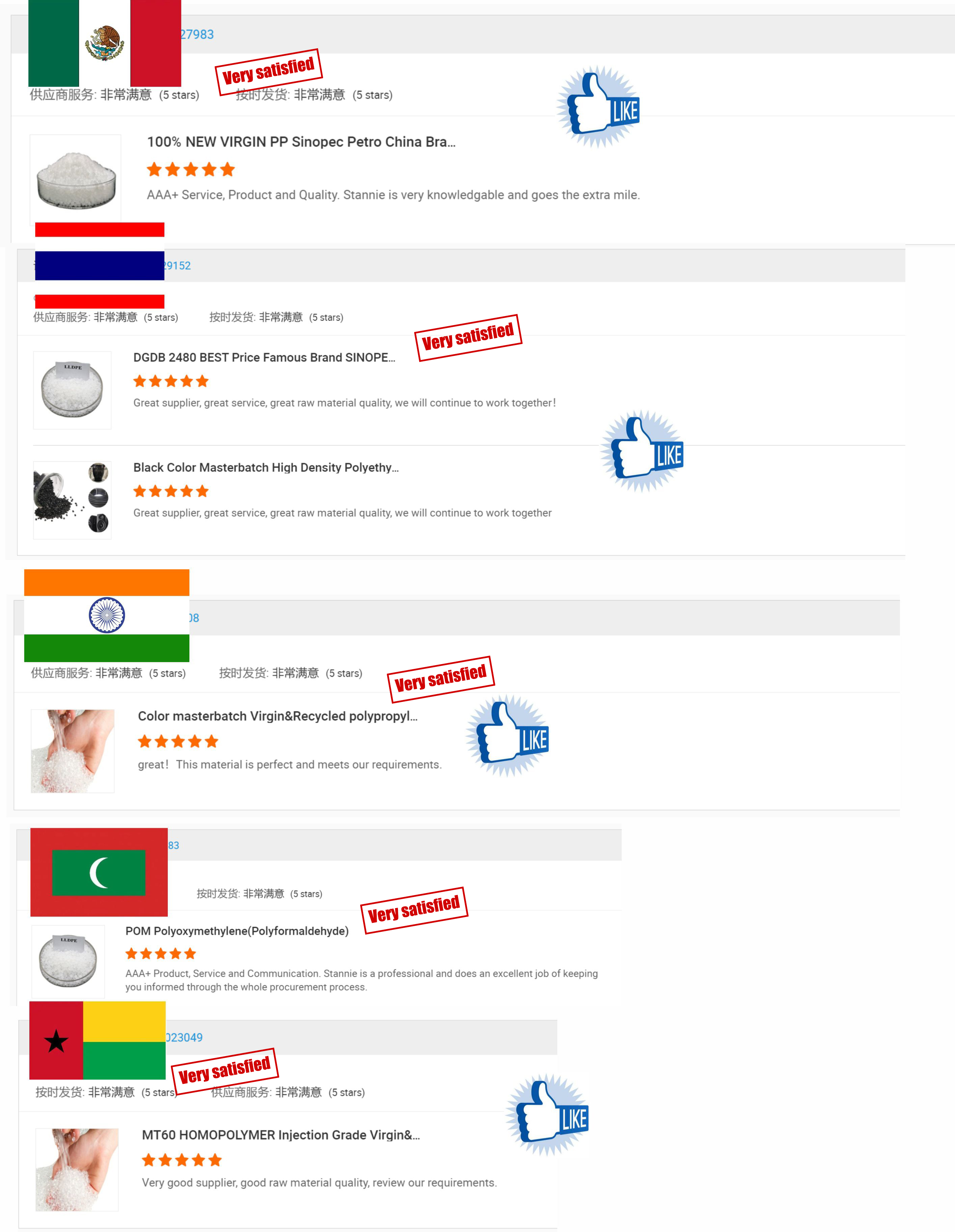

23 years' experience Professional purchasing consultant with a supply chain of 1200+ plastic raw materials in China.